

Our Blogs
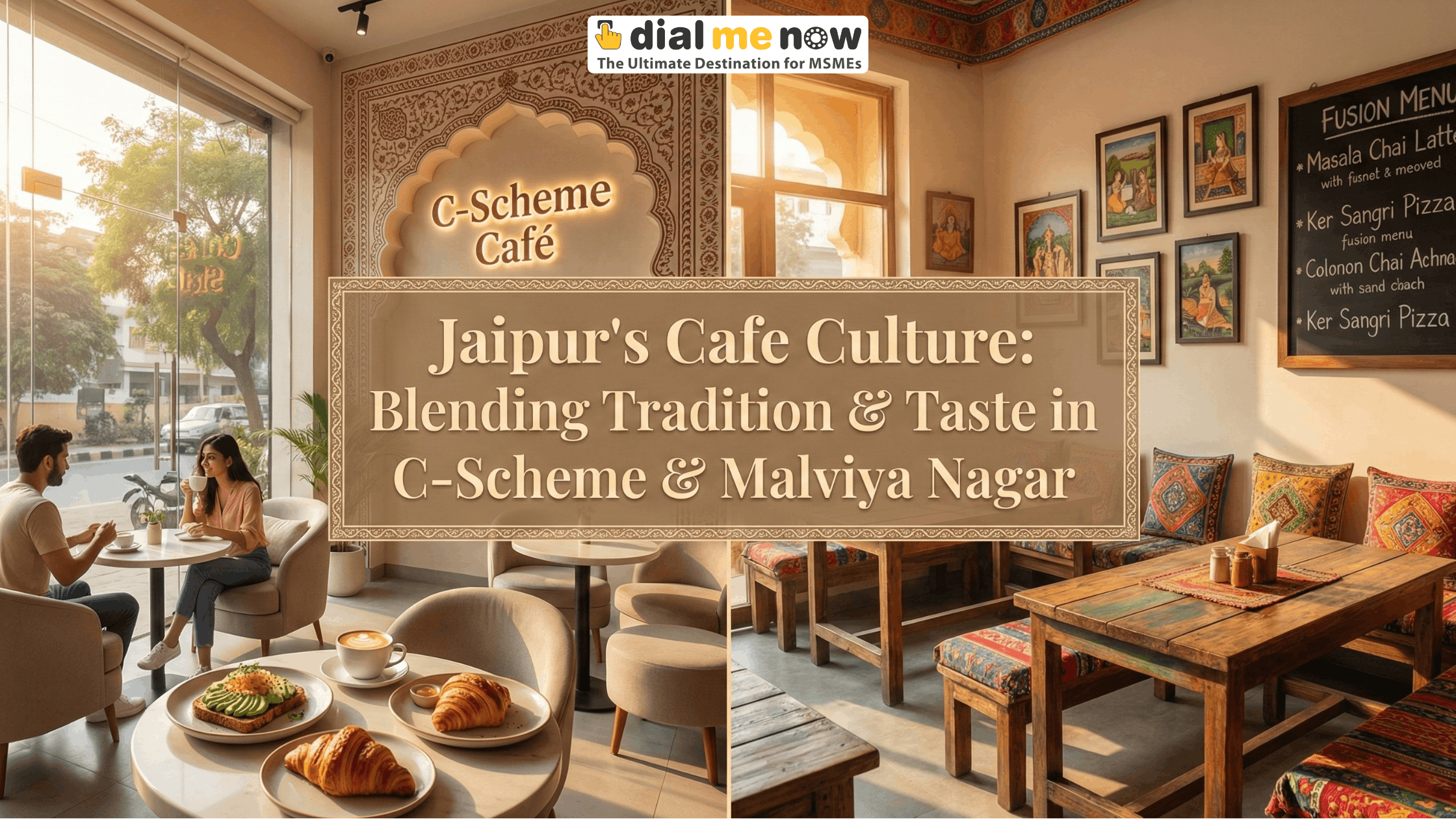
Jaipur’s Cafe Culture: A Fusion of Rajasthani Royalty and Global Flavors
Jaipur, the "Pink City," has long been celebrated for its majestic forts and heritage hotels. However, in 2026, a new revolution is brewing—one that smells like freshly roasted Arabica and artisanal wood-fired pizza. The upscale neighborhood of C-Scheme and the trendy, youth-centric hub of Malviya Nagar have transformed into the epicenters of a sophisticated cafe culture.
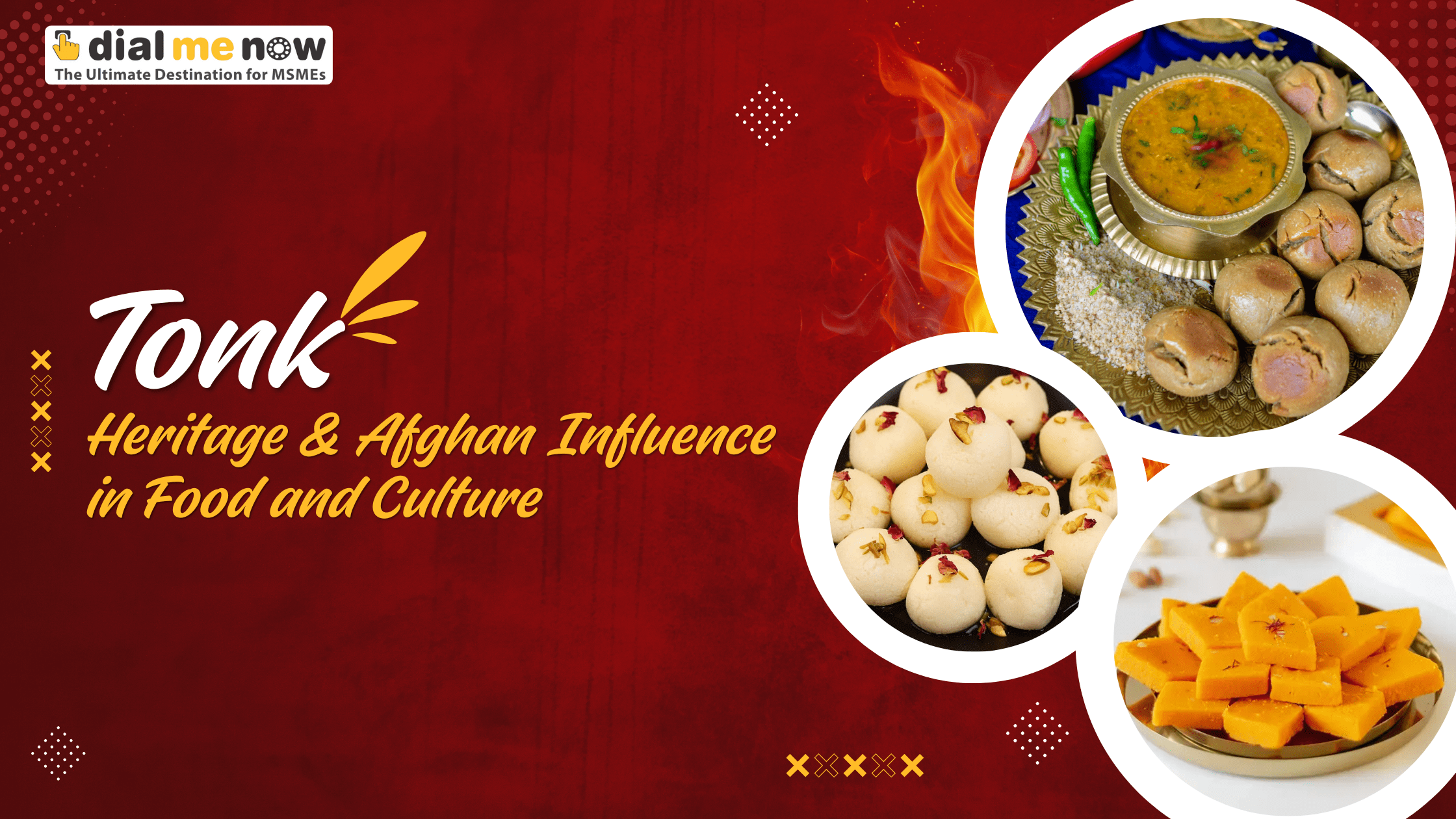
Discovering Tonk – Heritage & Afghan Influence in Food and Culture
Tonk, located in Rajasthan, is a place where heritage, culture and cuisine converge in a unique way. As someone interested in both digital craft and storytelling, you’ll find here a rich narrative—starting from the history of the town, its Afghan-influenced past, and culminating in the food culture that is both traditional Rajasthani and touched by other threads of history. This blog will take you through the story of Tonk’s food heritage — with particular focus on its special mithaai (sweetmeats) and its vegetarian food scene (like dal baati and bajra rotis) present in the old bazaar sweet-shops.
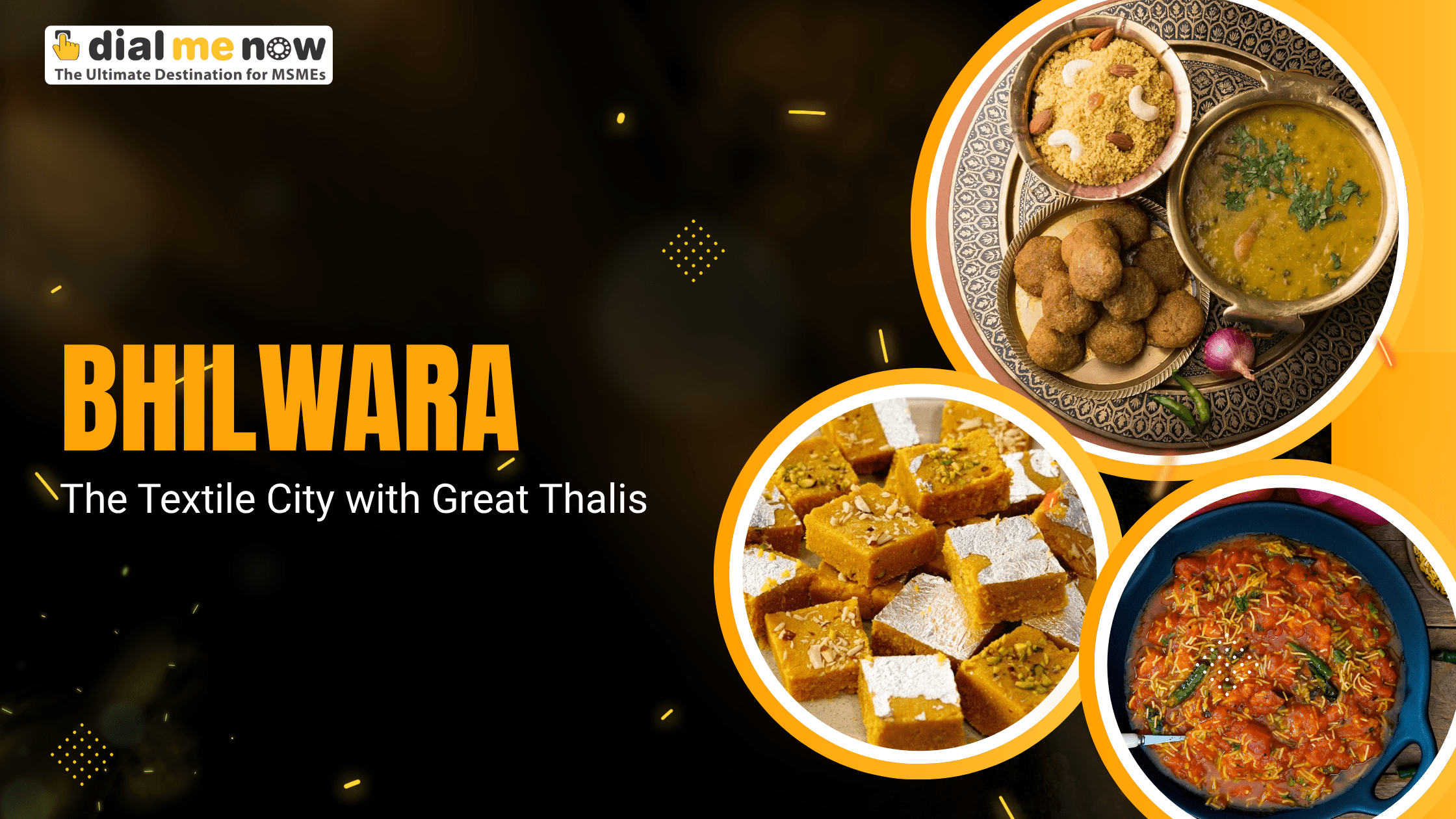
Bhilwara – The Textile City with Great Thalis
Nestled in the heart of Rajasthan, Bhilwara is often known as the ‘Textile City of India’. But beyond its buzzing looms and vibrant fabric markets lies a culinary treasure waiting to be discovered — the authentic Rajasthani thali experience.
From the hearty Dal Baati Churma to the tangy Sev Tamatar ki Sabzi, and the melt-in-mouth Besan Chakki, Bhilwara’s food culture is a wholesome celebration of flavors, tradition, and warmth.
Whether you’re a traveler passing through the Bhilwara Railway Station, or a food lover seeking the true taste of Rajasthan, the city’s thali restaurants will leave you with unforgettable memories of spice, aroma, and local hospitality.
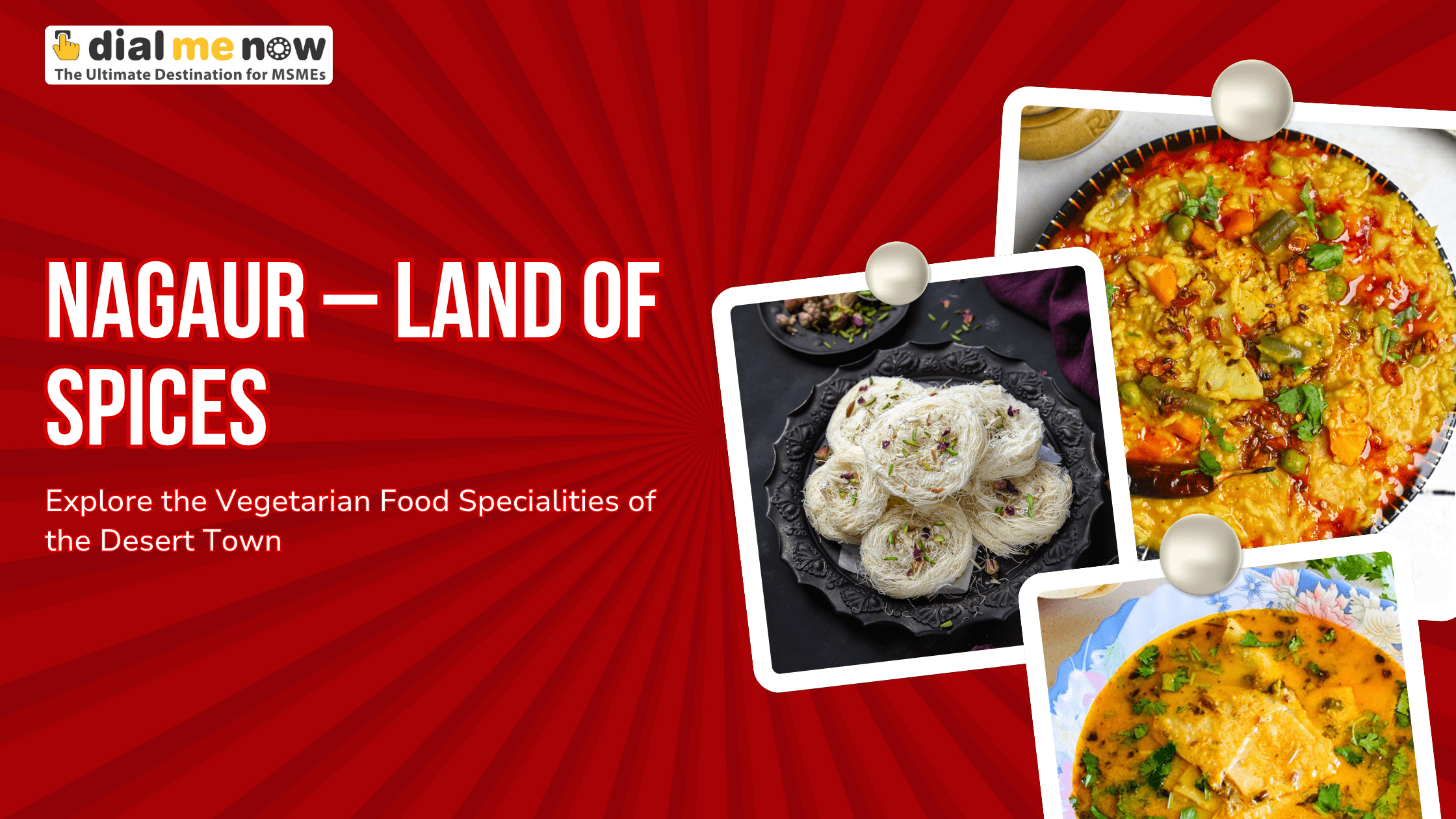
Nagaur – Land of Spices: Explore the Vegetarian Food Specialities of the Desert Town
Nestled almost midway between the desert towns of Jodhpur and Bikaner lies Nagaur, a lesser-known but culturally rich city in Rajasthan. Besides its historical fort and dusty dunes, Nagaur is celebrated for its distinct vegetarian culinary traditions—where the arid land’s resourcefulness and royal heritage combine to produce vibrant flavours. In this blog we’ll journey through Nagaur’s food lanes, focusing especially on three vegetarian specialties: masala khichdi, papad ki sabzi, and sutarfeni. We’ll also highlight where to find them—specifically around Nagaur main market and near Nagaur Fort — and explore how they reflect the region’s spice-laden identity.
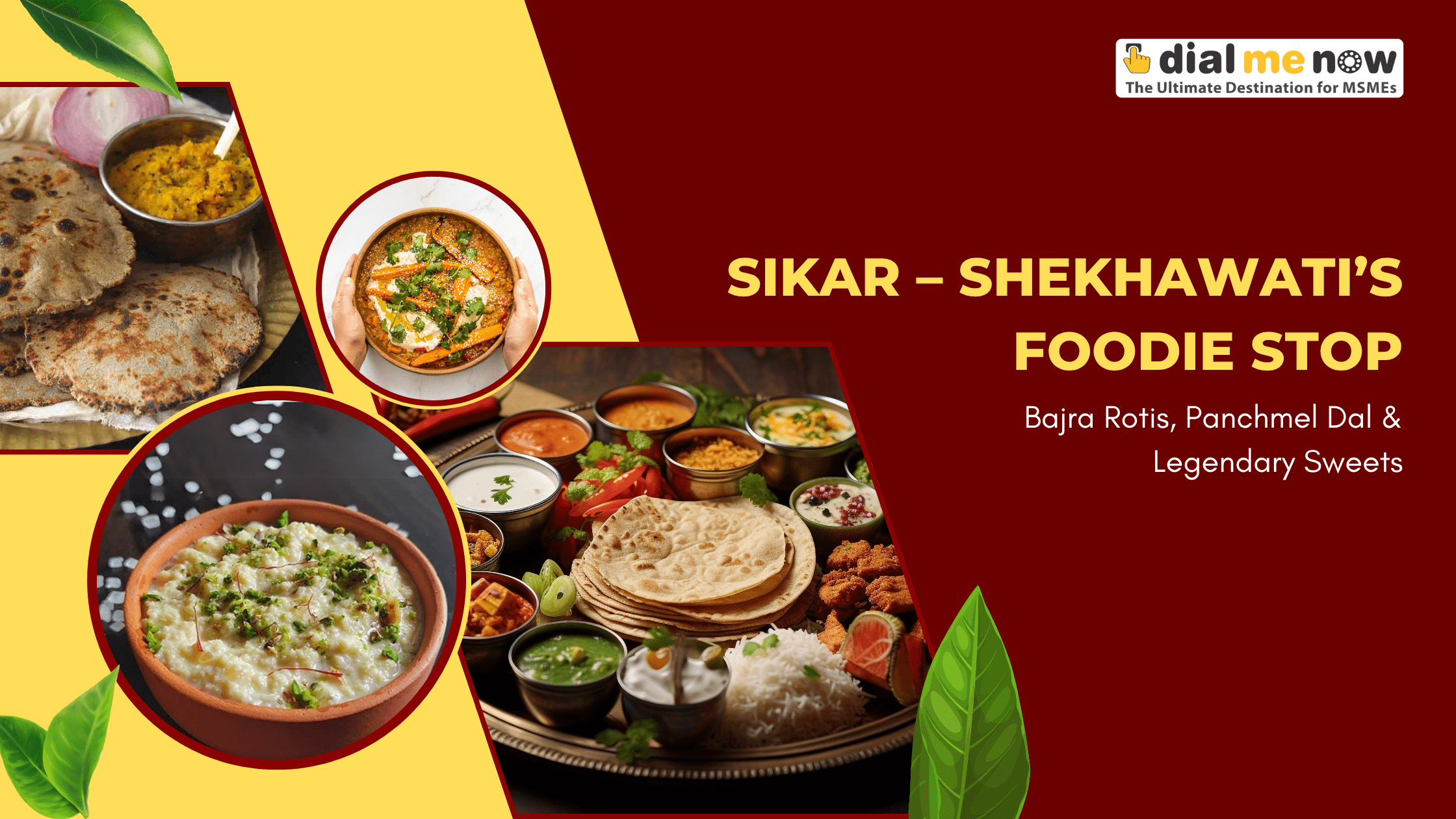
Sikar – Shekhawati’s Foodie Stop: Bajra Rotis, Panchmel Dal & Legendary Sweets
Sikar sits in the heart of Shekhawati—the fresco-filled cultural region comprising Sikar, Jhunjhunu, and Churu—and is an easy, rewarding halt on any Jaipur–Bikaner (or Jaipur–Mandawa–Fatehpur) itinerary. The region’s arid climate shaped a frugal yet ingenious vegetarian cuisine: millet-based breads (especially bajra), robust lentil dishes like panchmel dal, and a mithai culture powered by milk, ghee, and sugarcraft.
Beyond the thalis, Sikar’s main bazaar is dotted with sweet shops selling year-round favorites—kalakand, peda, besan barfi/chakki, laddoos—and seasonal icons like ghevar. Local directories and listings reveal the sheer density of mithai outlets in Sikar city and nearby towns, underscoring its reputation as a sweets hub in Shekhawati.
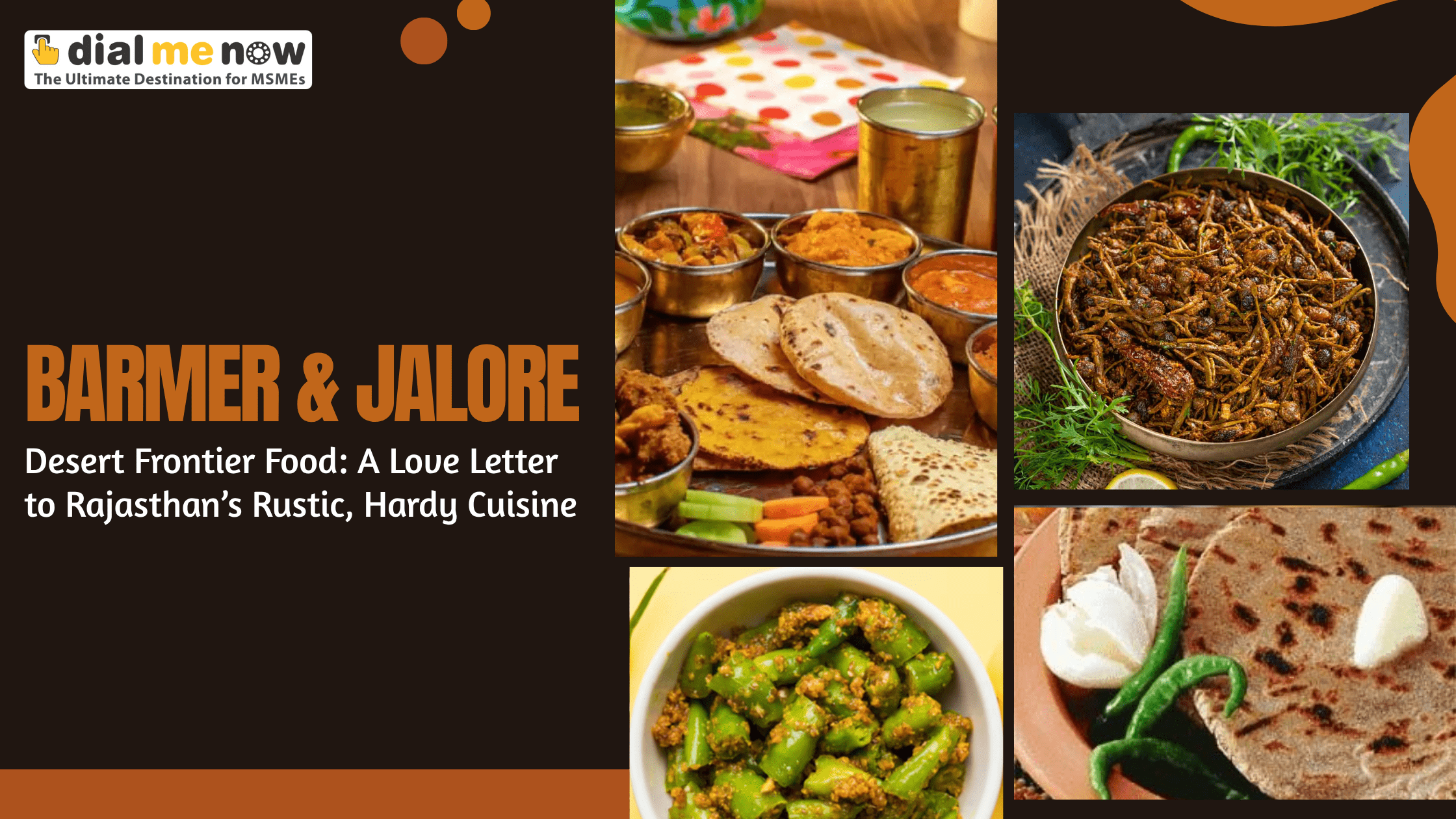
Barmer & Jalore – Desert Frontier Food: A Love Letter to Rajasthan’s Rustic, Hardy Cuisine
Rajasthan’s Thar is a masterclass in doing more with less. In Barmer and Jalore, kitchens evolved under sun-tough skies, lean rainfall, and soils that reward patience. The result is desert frontier food that is at once rustic, hardy, and intensely flavorful—a cuisine shaped by millets (bajra), foraged desert berries (ker, kumat, pilu), dried beans (sangri), ghee, chilli heat, and time-honored preservation.
There’s a quiet heroism to this food: rotis that can hold a day’s journey, sabzis made from sun-dried pods that wait out the monsoon, and pickles that bottle courage with every spoon. When you eat in Barmer or Jalore—often at highway dhabas or village-style eateries—you taste ingenuity as much as ingredients.
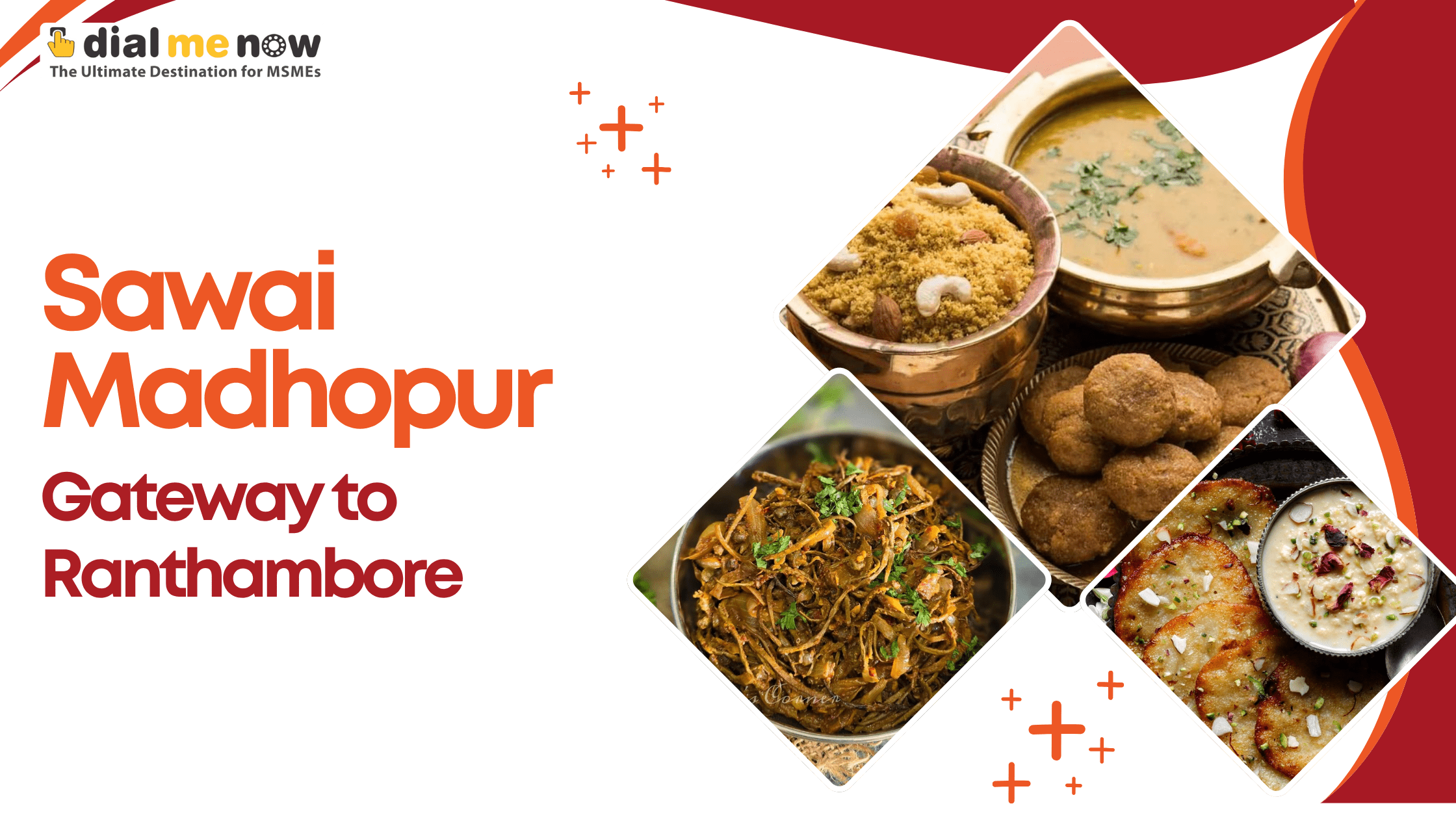
Sawai Madhopur Gateway to Ranthambore: Best Vegetarian Food & Local Delicacies
Nestled in southeastern Rajasthan, Sawai Madhopur is best known as the entry point to the majestic Ranthambore National Park, a top wildlife safari destination. But beyond the roar of Bengal tigers, the region also whispers with aromatic flavors, rustic traditions, and the culinary heritage of Sherpur, Meena hills, and local Rajasthani kitchens.
For travelers seeking vegetarian food near Ranthambore, Sawai Madhopur offers hidden gems — from simple highway dhabas to upscale resorts — serving Rajasthani thalis, Ker Sangri, Gatte ki Sabzi, Rabdi Malpua, and more. In this blog, we’ll explore the local cuisine, where to eat along the Ranthambore road, tips, FAQs, and SEO-savvy sections so your post ranks strongly under “Sawai Madhopur best food” and “vegetarian food near Ranthambore.”
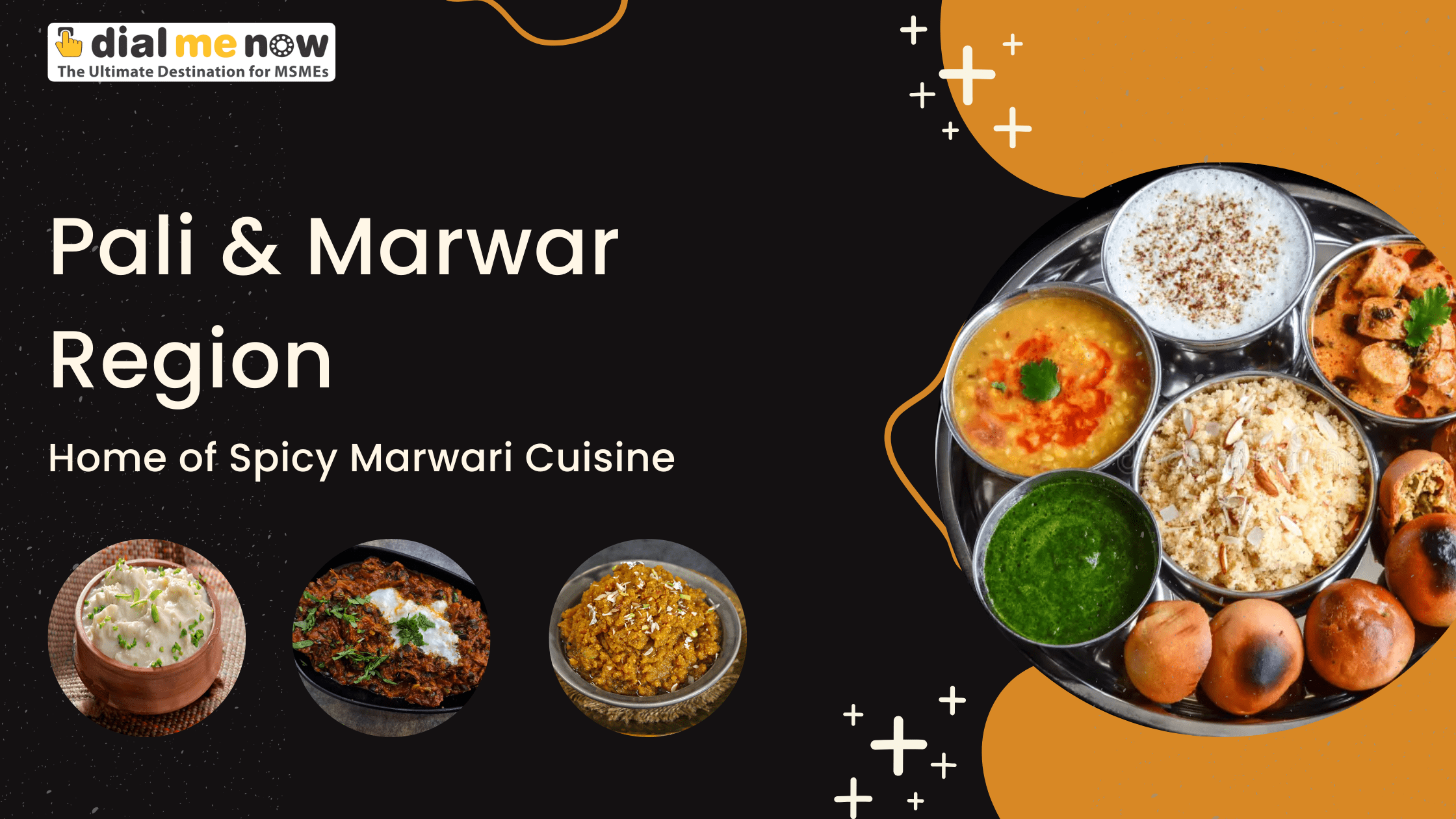
Pali & Marwar Region: Home of Spicy Marwari Cuisine — Pali Famous Veg Food & Marwari Dishes Pali
Nestled in the heart of Marwar, the town of Pali in Rajasthan is not just known for its industrial heritage and historical forts, but also for being a vibrant hub of spicy, robust, and deeply rooted Marwari cuisine. In this region, vegetarian food is not just a necessity — it’s a celebration of resourcefulness, tradition, and flavor resilience in an arid land.
When one thinks of “Pali famous veg food” or searches for “Marwari dishes Pali,” they’ll find a tapestry of dishes — from fermented millet drinks to sun-dried desert greens — that embody the land, climate, and soul of Marwar.
In this blog, we’ll take you through the region’s culinary ethos, key dishes (with recipes), famous eating spots, cultural notes, and practical tips for travelers and food lovers.
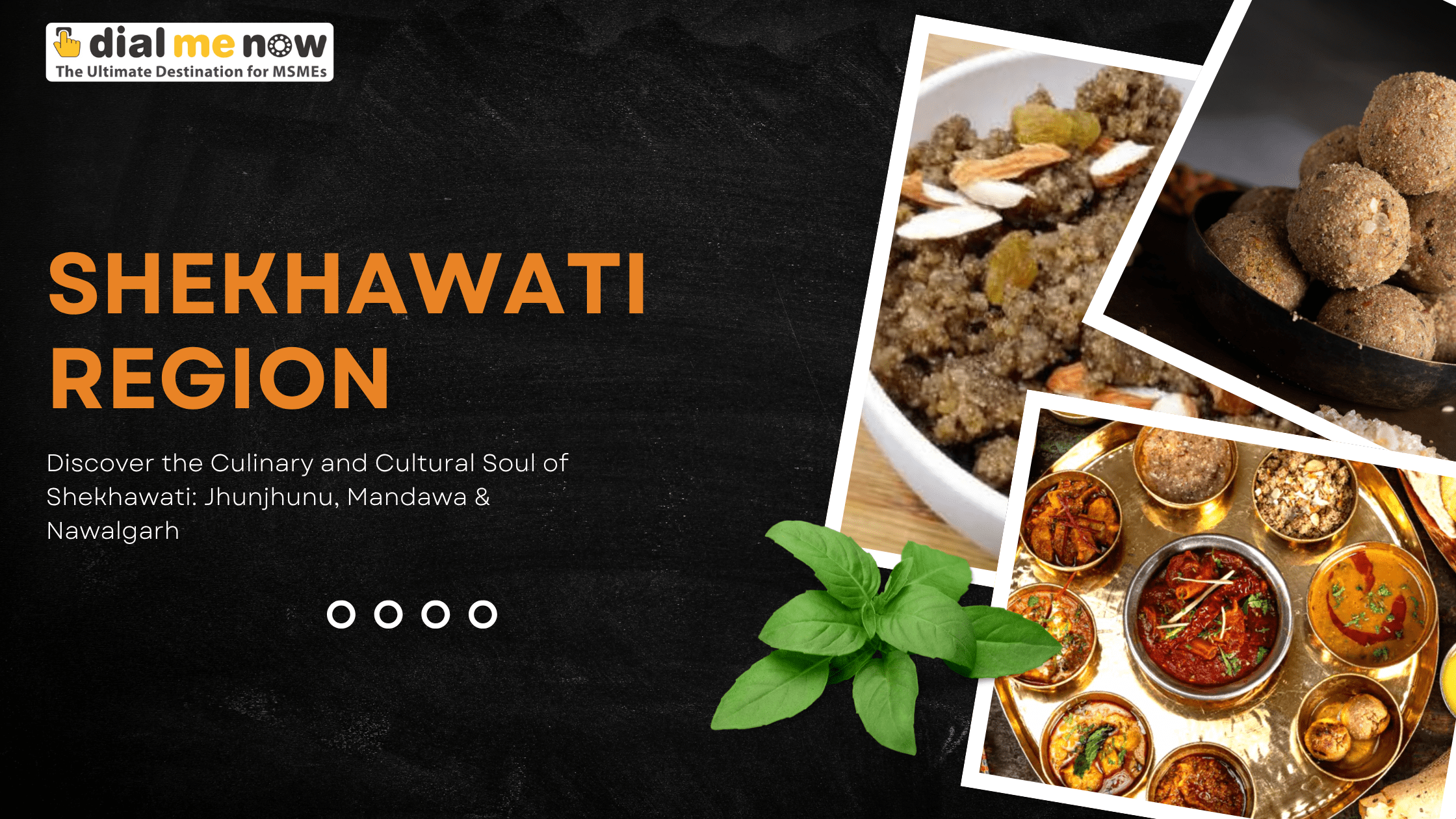
Discover the Culinary and Cultural Soul of Shekhawati: Jhunjhunu, Mandawa & Nawalgarh
Nestled in the semi-arid expanse of northeastern Rajasthan, the Shekhawati region is a living museum of art, culture, and cuisine. Known for its ornate havelis, colorful frescoes, and warm Marwari hospitality, Shekhawati spans major towns like Jhunjhunu, Mandawa, and Nawalgarh.
While most travelers are captivated by the grandeur of Shekhawati’s architecture, there’s another equally enchanting element waiting to be discovered — its cuisine.
Here, food isn’t just a daily ritual; it’s a celebration of tradition, passed down through generations of Marwari households. The simplicity of ingredients like bajra (pearl millet), besan (gram flour), and ghee (clarified butter) transforms into soulful, wholesome dishes that tell stories of Rajasthan’s heartland.
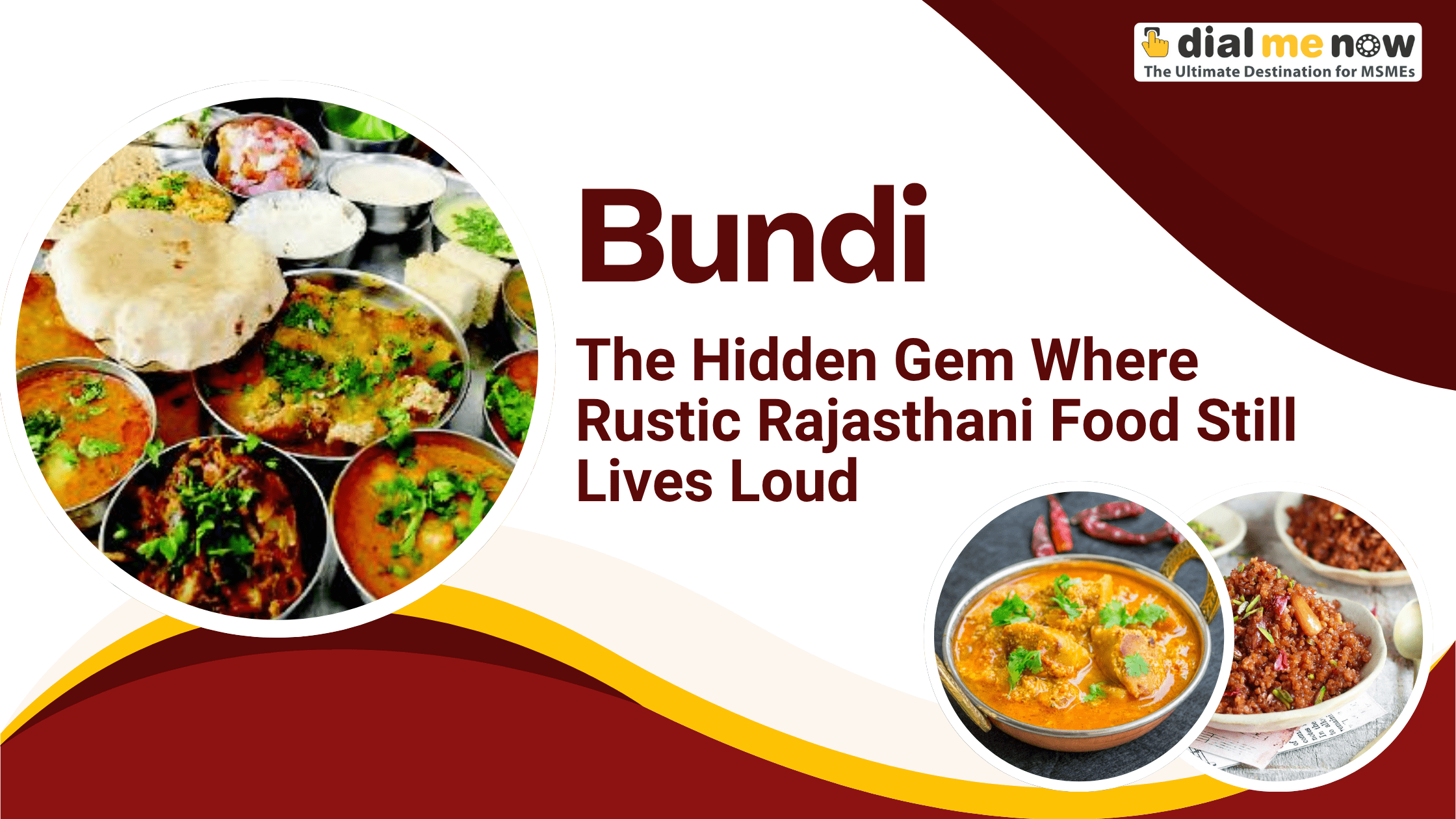
Bundi – The Hidden Gem Where Rustic Rajasthani Food Still Lives Loud
Bundi is small enough to feel intimate, historic enough to feel enchanted—its baoris (stepwells), slender lanes, and fort walls are a backdrop to a cuisine shaped by scarcity and sunshine: millet, gram flour, yogurt, and sun-dried essentials power much of the local table. Even today, Raniji ki Baori (Queen’s Stepwell) is the symbol of how the town survived arid years—built in 1699 by Rani Nathavati Ji Solanki, it’s one of Bundi’s most noted stepwells and a reminder of the area’s ingenious water culture.
The skyline is crowned by Taragarh Fort, a 14th-century hill fort whose ramparts and old water systems tell their own story of resilience. Timings commonly fall in the 8–5:30 (or 9–5) window, making it perfect to plan a food walk before or after your visit.