

Our Blogs
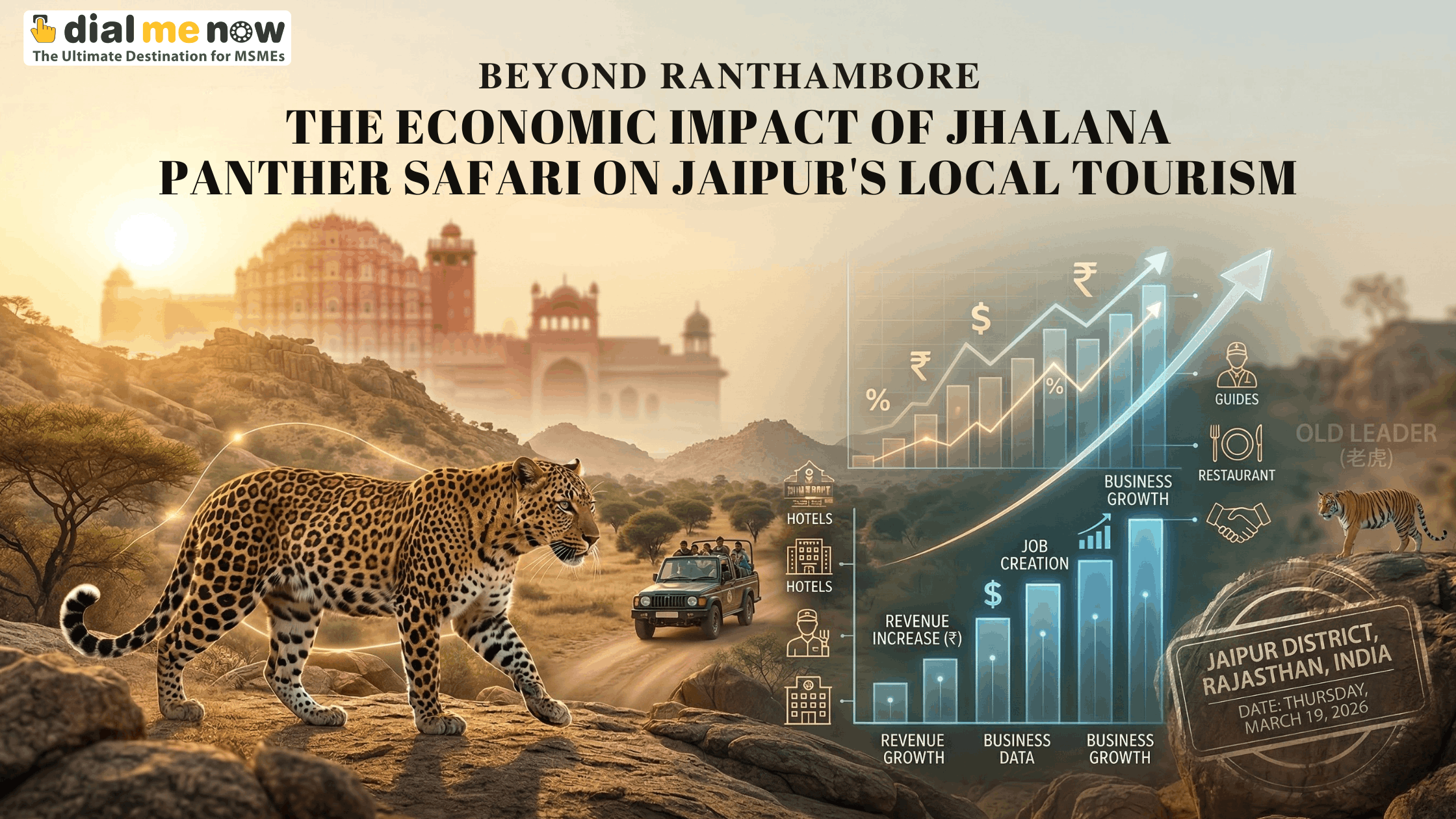
Beyond Ranthambore: The Economic Impact of Jhalana Panther Safari on Jaipur’s Local Tourism
For decades, the word "Safari" in Rajasthan was synonymous with one place: Ranthambore. Travelers would land in Jaipur, stay for a night to see the Hawa Mahal, and then immediately flee 140 kilometers south to catch a glimpse of a Bengal tiger.
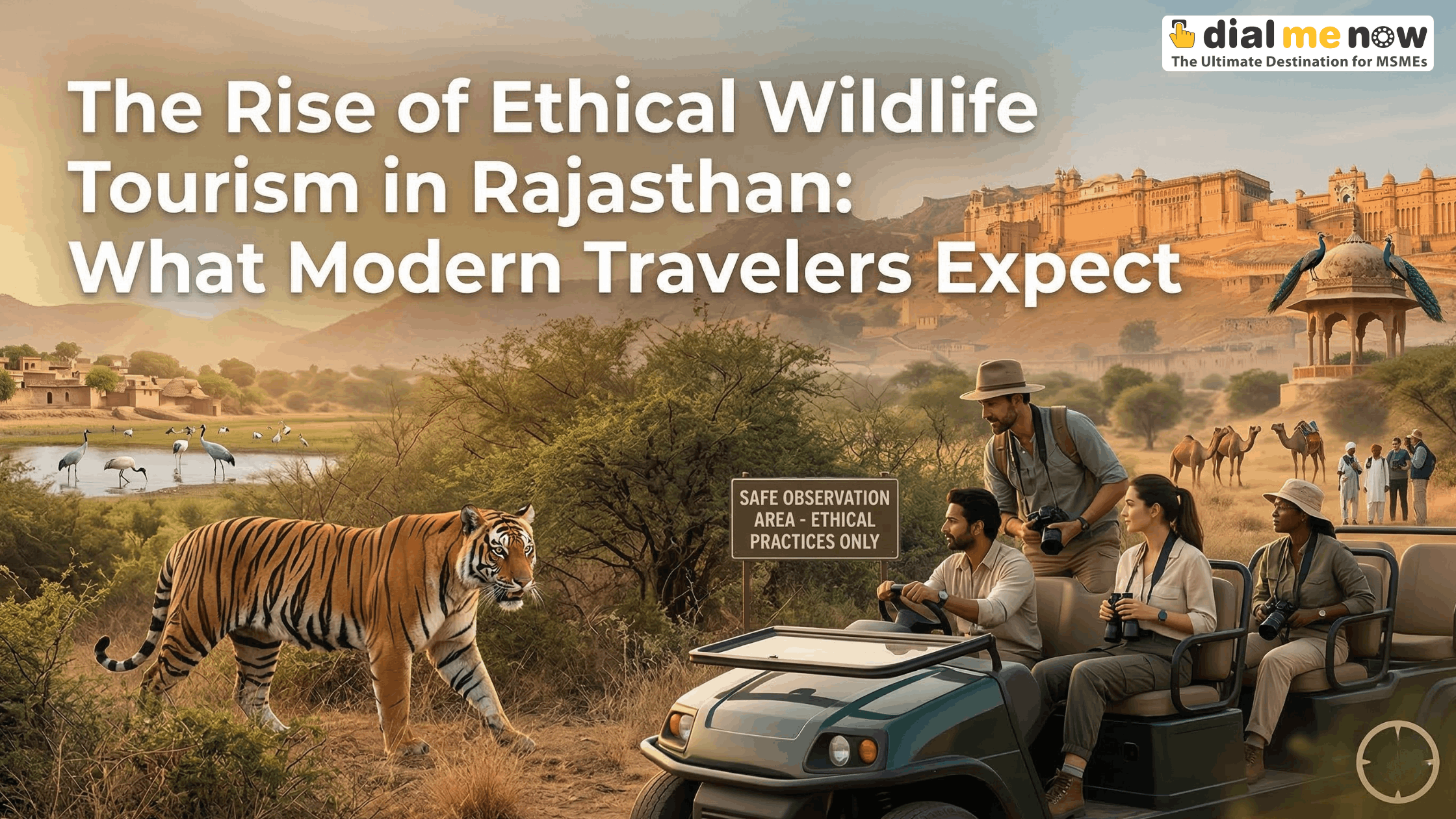
The Rise of Ethical Wildlife Tourism in Rajasthan: What Modern Travelers Expect
For decades, wildlife tourism in Rajasthan was defined by a single, high-stakes goal: spotting a tiger at any cost. Safari jeeps would often jostle for position, and the focus remained purely on the "sighting" rather than the "sanctuary." However, as we move through 2026, a profound shift has taken place. The modern traveler is no longer a passive observer; they are a conscious participant.
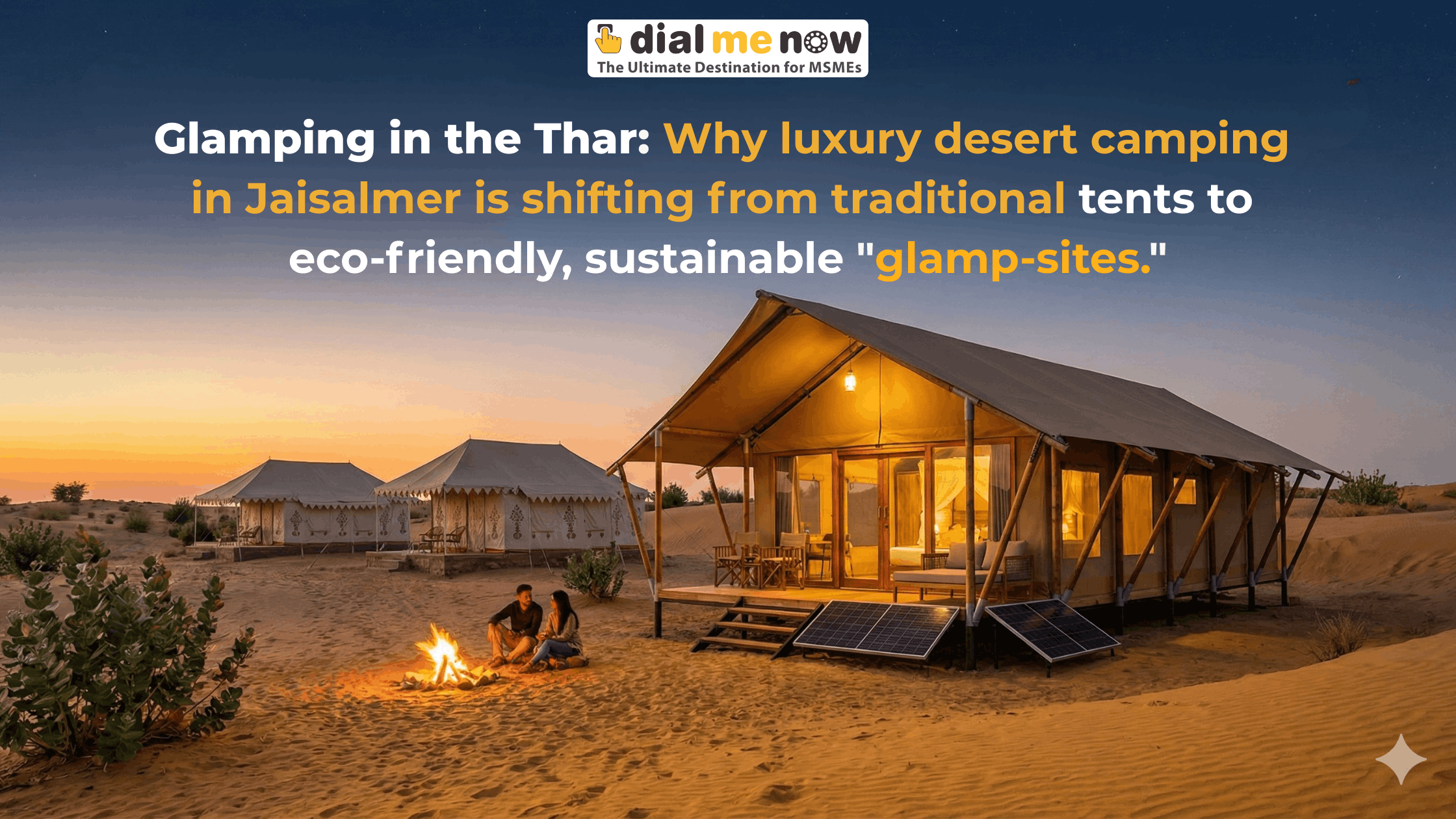
Glamping in the Thar: The Eco-Friendly Evolution of Jaisalmer
The Thar Desert has long been the stage for India’s most romantic travel fantasies. For decades, "desert camping" meant rows of traditional white canvas tents, flickering lanterns, and the smell of woodsmoke. However, as we move through 2026, a quiet revolution is sweeping across the golden dunes of Jaisalmer.
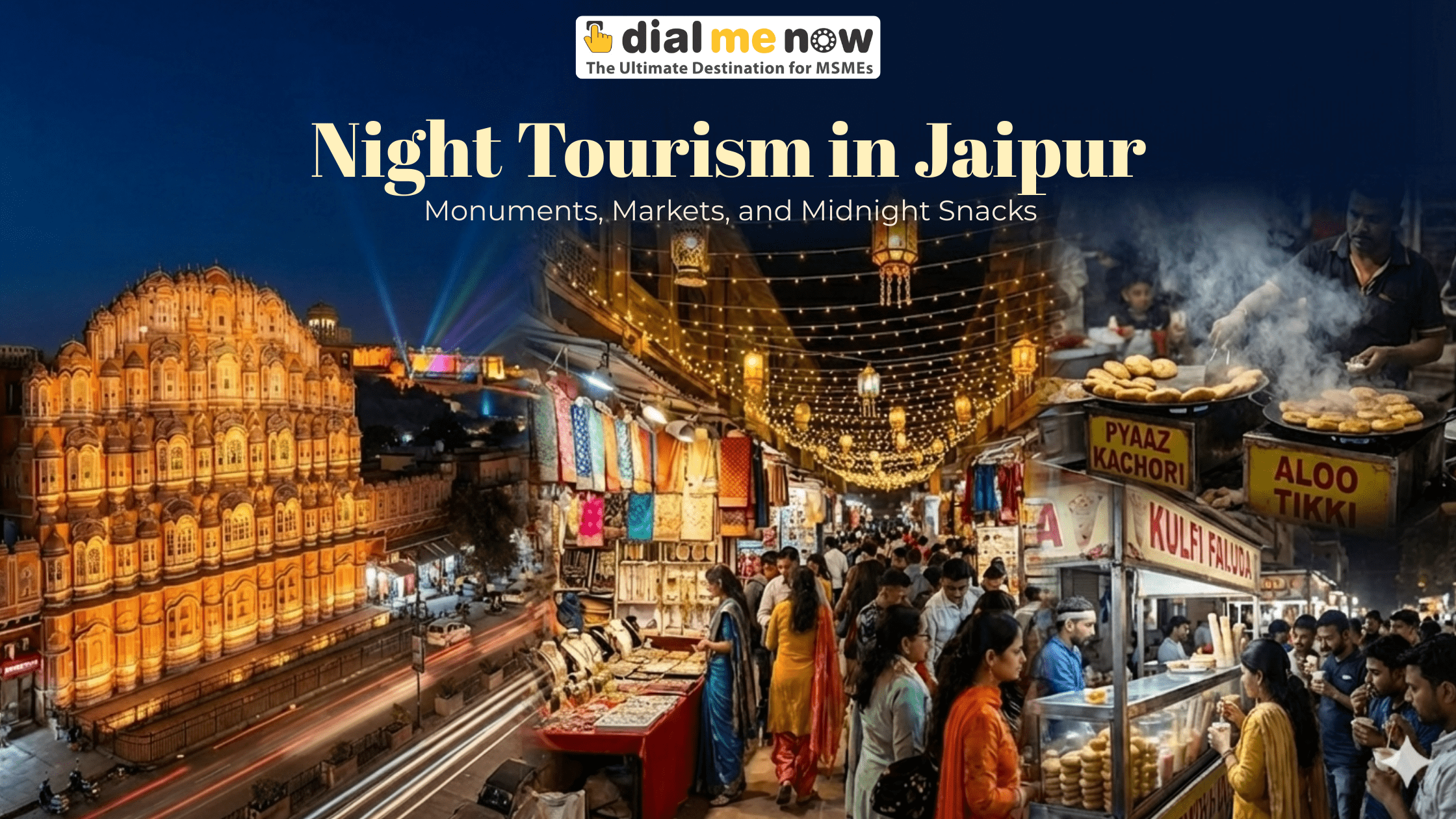
Night Tourism in Jaipur: Monuments, Markets, and Midnight Snacks
As the sun sets over the Aravalli Hills, Jaipur undergoes a breathtaking transformation. The bustling "Pink City" trades its daytime chaos for a regal, illuminated charm. Streetlights cast a golden glow on ancient sandstone, and the cool desert breeze carries the aroma of sizzling kachoris and spicy tandoori.
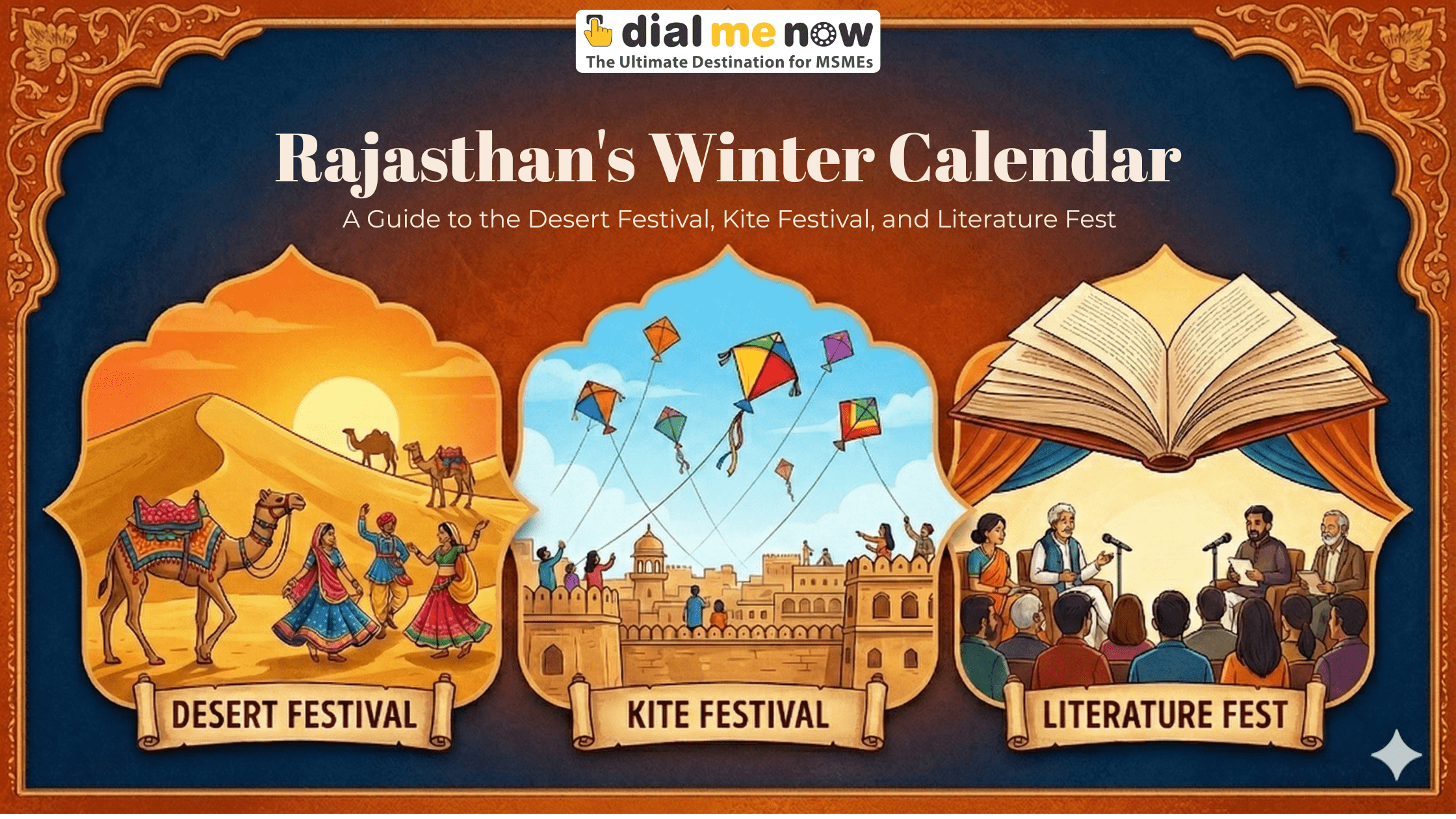
Rajasthan’s Winter Calendar: A Guide to the Desert Festival, Kite Festival, and Literature Fest
As the scorching desert sun mellows into a golden, pleasant warmth, Rajasthan transforms into a colossal stage for cultural celebration. The winter months of January and February are not just a season here; they are a grand spectacle of heritage, art, and competitive spirit. For travelers planning a visit in 2026, the calendar is packed with iconic events that define the "Pink City" of Jaipur and the "Golden City" of Jaisalmer.
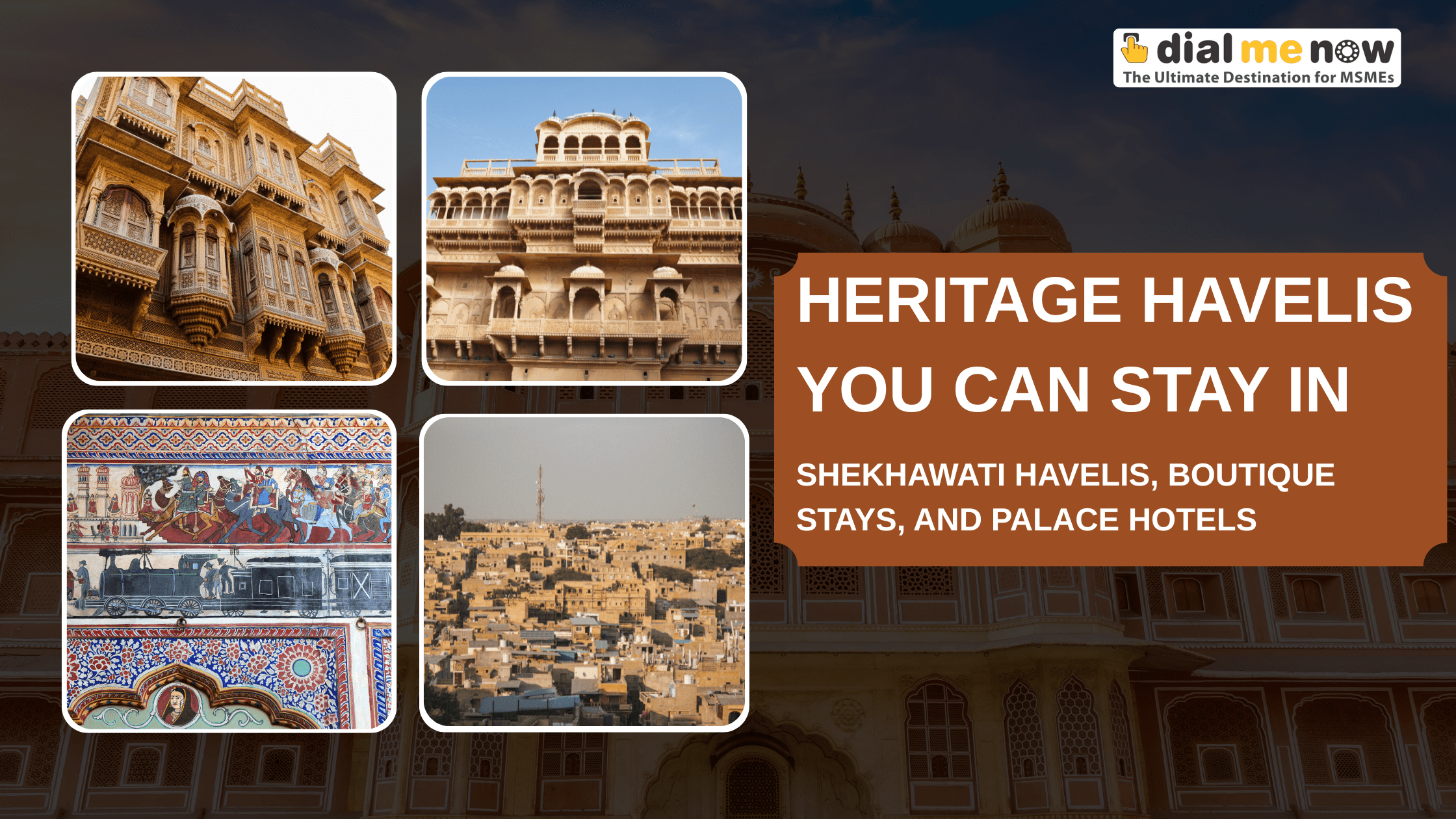
Heritage Havelis You Can Stay In – Shekhawati Havelis, Boutique Stays, and Palace Hotels
When travelers think of Rajasthan, places like Jaipur, Udaipur, and Jaisalmer usually steal the spotlight. But if you want to step off the beaten path and truly immerse yourself in the living, breathing history of the region, Shekhawati is where you should go. Often called the “Open-Air Art Gallery of India,” Shekhawati is a treasure trove of intricately painted havelis, grand merchant mansions, and restored palace hotels that offer an authentic peek into Rajasthan’s glorious past.
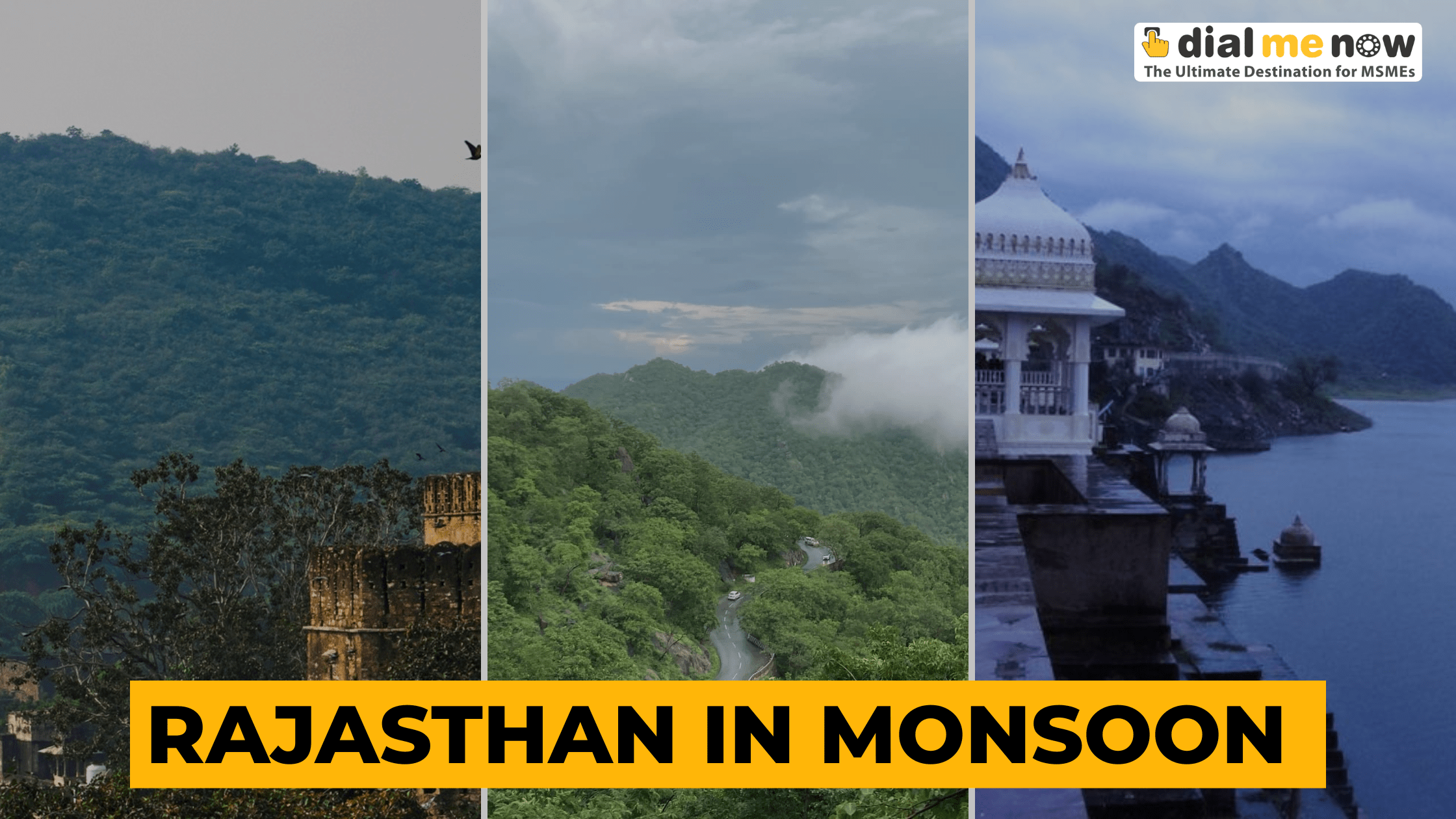
Rajasthan in Monsoon – Places That Look Magical
When most people think of Rajasthan, they imagine golden deserts, summer heat, and arid forts under a blazing sun. But here’s the secret: Rajasthan in monsoon is one of India’s most underrated travel experiences.
From Bundi’s moss-covered forts to Mount Abu’s misty hills, from Udaipur’s overflowing lakes to Ranthambore’s lush green forests, the state transforms into a dramatic, romantic, and refreshingly cool destination between July and September.
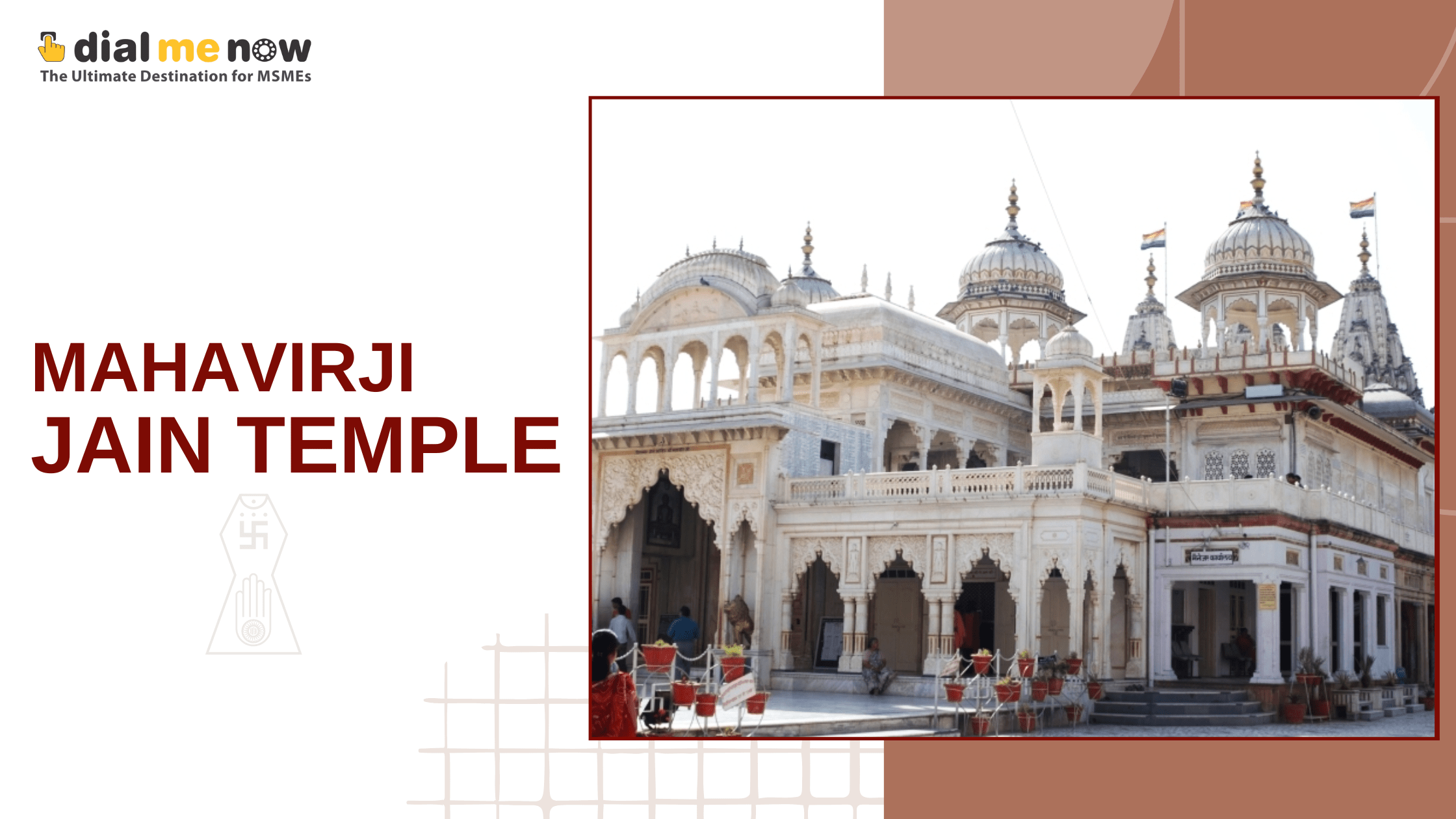
Mahavirji Jain Temple, Karauli: A Complete Traveler’s & Devotee’s Guide
If you’re planning a spiritual detour in Rajasthan that blends serenity, living heritage, and a deep dive into Jain philosophy, put Mahavirji (Shri Mahaveer Ji) Jain Temple at the top of your list. Set in the Hindaun block of Karauli district, this revered Digambara Jain atishaya kshetra (miraculous site) is dedicated to Lord Mahavira, the 24th Tirthankara. With a captivating origin legend, exquisite Nagara architecture, a vibrant annual fair around Mahavir Jayanti, and a riverside setting, the temple is equal parts pilgrimage and cultural immersion.
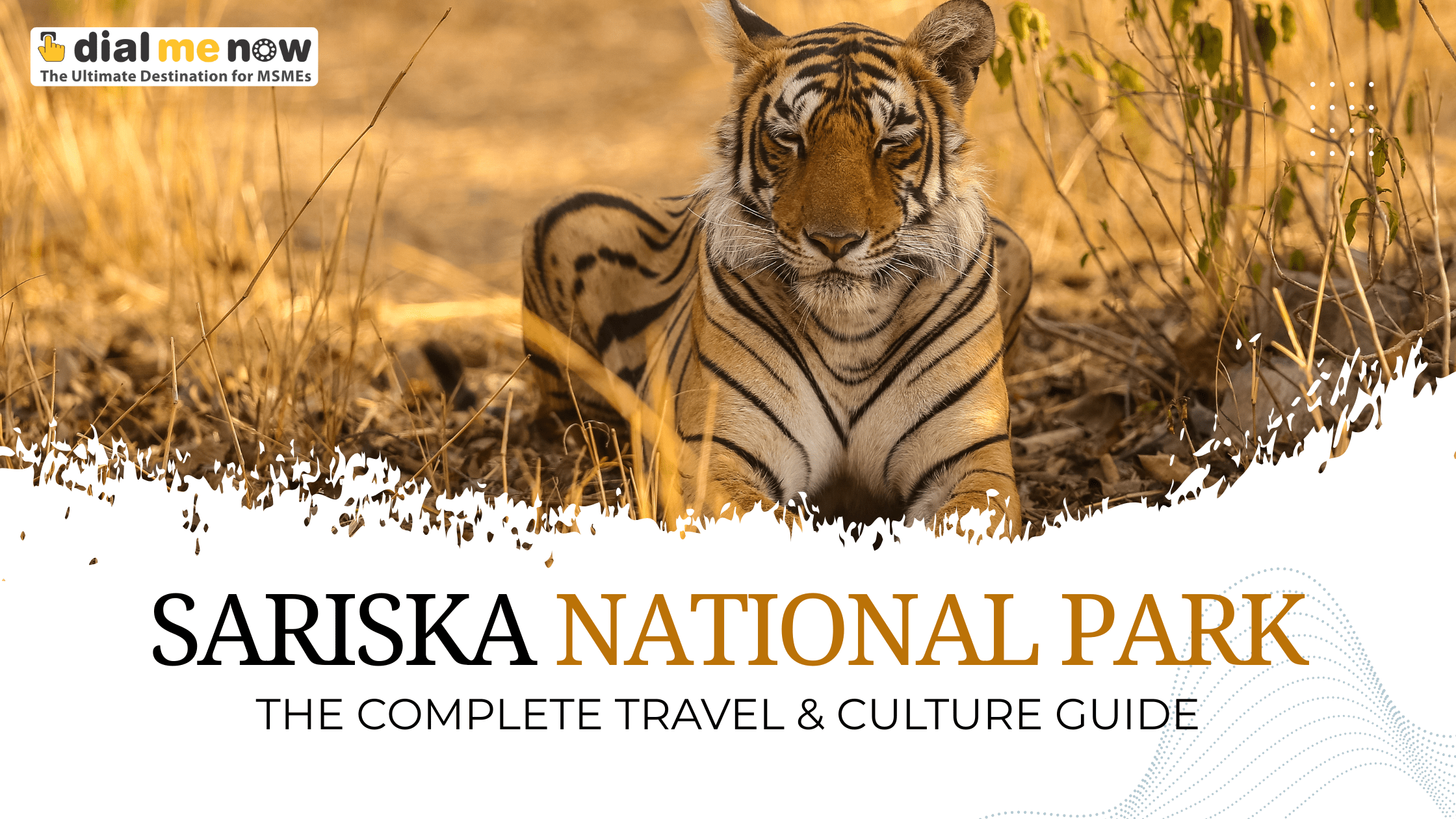
Sariska National Park (Sariska Tiger Reserve), Alwar-The Complete Travel & Culture Guide
If you’re hunting (pun intended) for a wild escape that mixes royal Rajput echoes with raw Aravalli wilderness, Sariska National Park in Alwar, Rajasthan, is one of North India’s most rewarding weekend safaris. Just a few hours from both Delhi and Jaipur, Sariska offers tiger country without the crowds of Ranthambore, a dramatic fort inside the forest (Kankwari), ancient temples, and a rich cultural belt around Alwar that can turn a simple wildlife run into a full-blown heritage trip.
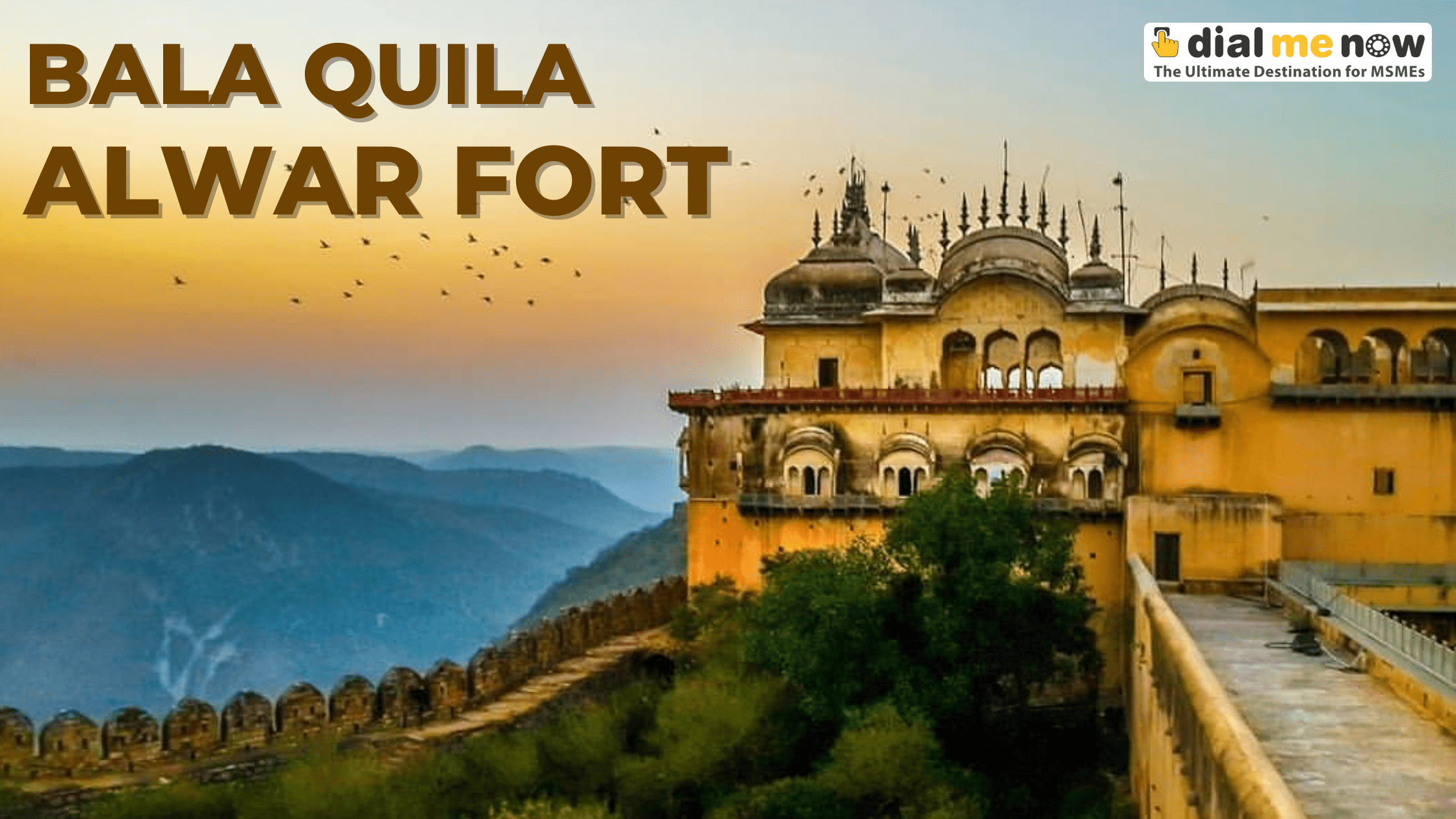
Bala Quila (Alwar Fort): A Deep Dive into its History, Significance & Culture
Perched atop the Aravalli hills overlooking the city of Alwar in Rajasthan, Bala Quila, also called Alwar Fort or the Young Fort, is a monument that embodies Rajasthan’s layered history, royal grandeur, architectural finesse, and a living culture. It isn’t merely an ancient fortress; it’s a time capsule that helps us understand power, art, local traditions, defensive architecture, and how geography shaped human settlements in this part of India.