

Bala Quila (Alwar Fort): A Deep Dive into its History, Significance & Culture
9/12/2025
1. Introduction
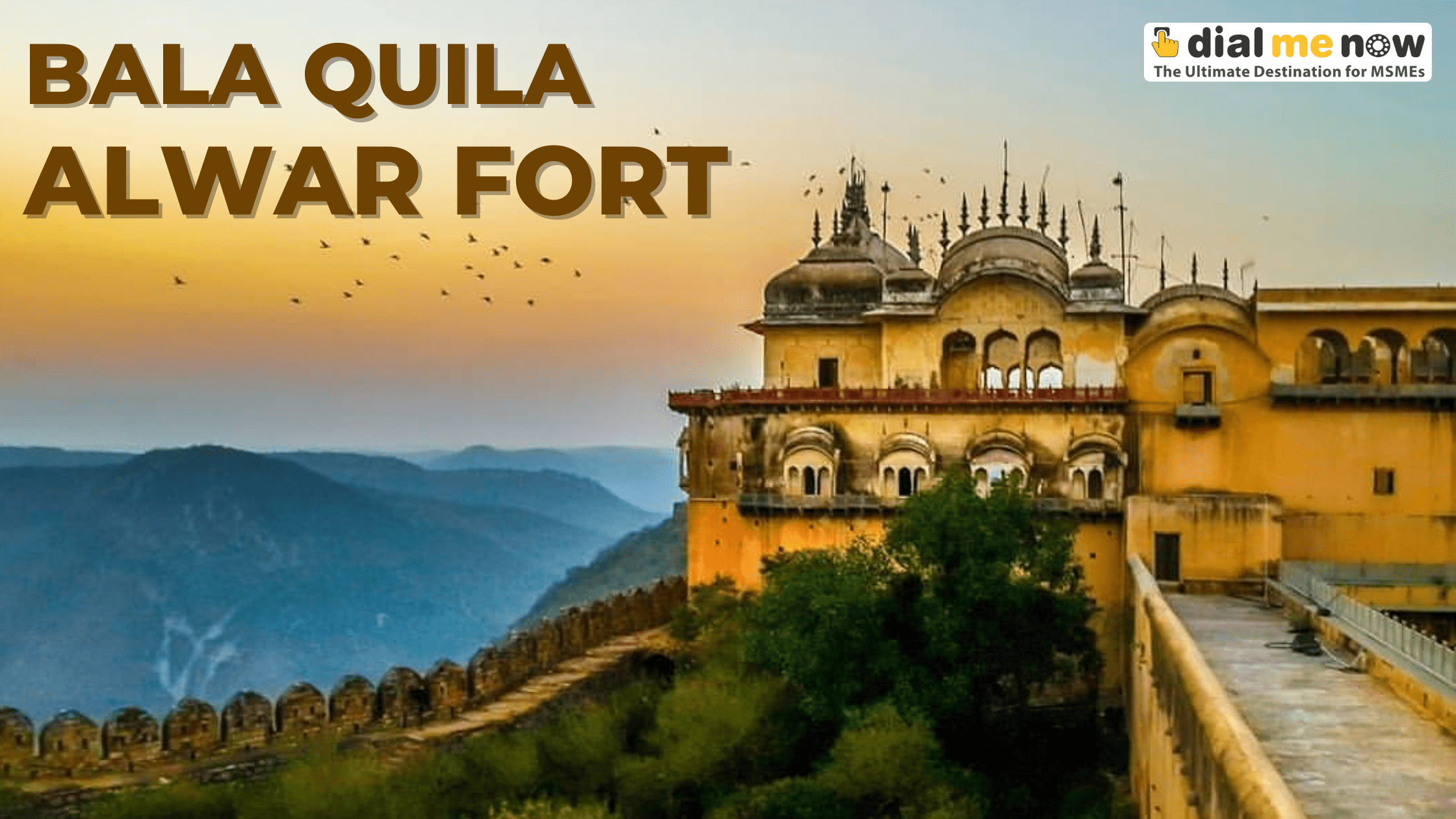
Perched atop the Aravalli hills overlooking the city of Alwar in Rajasthan, Bala Quila, also called Alwar Fort or the Young Fort, is a monument that embodies Rajasthan’s layered history, royal grandeur, architectural finesse, and a living culture. It isn’t merely an ancient fortress; it’s a time capsule that helps us understand power, art, local traditions, defensive architecture, and how geography shaped human settlements in this part of India.
In this post, we explore its origin, its rulers, its architecture, what makes it significant, how to plan a visit, and what cultural experiences await. By the end, you’ll have a comprehensive guide to understanding Bala Quila—not just as a tourist spot, but as a heritage landmark deeply woven into local life and history.
2. Historical Origins
- Early foundations: The site where Bala Quila now stands had earlier fortifications, possibly mud forts, dating back many centuries. While some sources mention an earlier 10th-century mud fort, much of the standing structure was built or substantially reconstructed later.
- Name and meaning: The name Bala Quila or Bala Qila essentially means “Young Fort” in Hindi/Urdu (“Bala” = young, “Quila/Qila” = fort). It distinguishes this stronghold for its relatively later construction compared to even older forts in the region.
- Builder & early rulers: The present fort’s major structure is attributed to Hasan Khan Mewati, a ruler of the Mewat region, who fortified the fort around the 15th–16th century.
- Earlier occupants: Before Hasan Khan’s fortification, the Nikumbh Rajputs are said to have occupied the older fortifications. Their influence persists in the stories around Bala Quila.
3. Dynasties That Ruled Bala Quila
Through its history, Bala Quila witnessed multiple shifts in control, each leaving marks—architectural, cultural, administrative—on the fort.
| Dynasty / Ruler | Approximate Time | Contributions / Changes |
| Nikumbh Rajputs | Before 15th century | Original fort/mud fort, early local rule. |
| Hasan Khan Mewati | ~15th–16th century | Major fortification & expansion of the fort to what you largely see today. |
| Mughals | 16th–17th centuries | Control passed under Mughal sphere; changes or modifications under their rule. |
| Marathas | 18th century (partly) | At one point under Maratha influence/control. |
| Rajput rulers (Kachwaha / Naruka) | Late 18th century onward | Alwar State established by Raja Pratap Singh (“Naruka clan”) – used the fort, maintained it, integrated into the princely state culture. |
4. Architecture & Layout
Part of Bala Quila’s allure is its massive scale and its complex structure. Some of its key features:
- Size: About 5 km long and 1.5 km wide.
- Elevation: Situated on a hill in the Aravalli Range, about 300-340 meters above the city, giving commanding views.
- Towers, bastions & loopholes: It has 15 large towers and 51 small towers, along with 446 loopholes (for muskets or guns), and 8 large bastions for defense.
- Gates (pols): There are six major gates: Suraj Pol, Chand Pol, Laxman Pol, Krishna Pol, Andheri Gate, and possibly more depending on sources. Each gate has its own story or strategic importance.
- Palaces, ponds, temples & other structures: Inside you’ll find the Nikumbha Mahal, Jal Mahal (water palace / reservoir), Suraj Kud, and other smaller palaces and temples. There are ancient reservoirs/water tanks indicative of how water was stored for fort survival.
5. Strategic Importance & Cultural Purpose
Strategic Importance
- Defensive stronghold: Its elevated position in the Aravallis makes it naturally defensible. Combined with its fortified walls, gates, bastions, and loopholes, the fort was well-suited to repel invasions.
- Control over region: Because Alwar lies on routes connecting Delhi, Rajasthan, and Mewat, having this fort was key to controlling trade routes, military movements, and local governance.
- Symbol of power: Just being able to hold such a fort was a signal of strength among the rulers (Rajputs, Mughals, etc.).
Cultural & Administrative Purposes
- Residence and Court: Forts were often living quarters for rulers & their families, administration offices, courtyards for royal ceremonies. Bala Quila had palaces and halls for royal functions.
- Religious aspects: Temples inside and around the fort reflect the spiritual life of the rulers and people. Also, small shrines or places for worship within fort walls.
- Water management & sustainability: Reservoirs and ponds meant for storing water during sieges or dry seasons.
- Cultural hub: Forts often doubled as hubs of patronage—of arts, crafts, music, painting. The rulers of Alwar historically patronized arts (miniature paintings, manuscripts) and crafts, and Bala Quila would have been one focal point.
6. What to See & Do There
If you visit Bala Quila, here are the things to include on your itinerary and experiences you shouldn’t miss:
- Gates & Ramparts: Walk through the various gates (Suraj Pol, Chand Pol, etc.), see their carvings, the stonework, defensive architecture.
- Towers & Bastions: Climb up to vantage points. The views from bastions are spectacular—over Alwar city, over Aravalli hills, especially at dawn or dusk.
- Palatial areas: Nikumbha Mahal and other palaces to see how royals lived, their layout, ornamentation.
- Water features: In forts in India, water is crucial. Spot the Jal Mahal/reservoirs, storage tanks, water channels if preserved.
- Temples / Shrines: Depending on access, small temples are often tucked away inside. They contain local deities, sometimes frescoes or carvings that tell stories.
- Photography: For views, architecture, interplay of light and shadow, etc. Sunrise or sunset is magical.
- Local guide stories: Engage with guides or locals for stories, legends, anecdotes—about rulers, battles, the architecture. These personal touches bring the fort to life.
7. How to Reach & Visit Tips
Location
- Bala Quila is located in Alwar city, Rajasthan. The fort is visible from various parts of the city, being on a hill.
Nearest Transport Links
- By Air: The nearest major airport is Jaipur International Airport (~150-160 km). Another option is Delhi (Indira Gandhi International) for international or long-haul flights.
- By Train: Alwar Junction is the nearest station. From there, local transport (auto-rickshaw, taxi) to the fort.
- By Road: Well connected by road to Delhi, Jaipur, other nearby cities. Within Alwar, you can hire local transport to take you up toward the hill. The final ascent might involve steep/stone paths.
Hours & Entry
- Opening times generally from early morning till late afternoon (e.g., 8:00 AM-4:00 PM per some sources).
- Entry fee: Some sources say there is no or nominal fee. Always confirm locally, as fees sometimes change.
What to Carry
- Comfortable walking shoes (terrain can be uneven)
- Water, some snacks (not much available up on the fort)
- Sun protection (hat, sunscreen) especially if visiting midday
- Camera or phone for photos; possibly binoculars for scenic views
Safety & Restrictions
- High walls and towers—careful near edges.
- Some areas might be restricted for safety or conservation.
- Check permissions if you want to use drones or other special devices.
8. Best Time to Visit
- October to March: Weather is pleasant (cooler mornings, evenings), clearer skies for views.
- Avoid very hot summer months (April-June) when midday heat can be intense.
- Monsoon (July-August): roads may become slippery, though greenery may enhance the views—if you don’t mind rain and potential travel disruptions.
9. Culture & Living Traditions Around the Fort
Understanding Bala Quila isn’t just about stones and rulers; it’s also about people, traditions, and how a heritage monument interacts with local society:
- Local communities & markets: Alwar city has vibrant markets, local artisans, craftspeople whose work may have historic roots—pottery, textiles, miniature painting. Visiting local bazaars gives sense of living heritage.
- Festivals & events: During local festivals (Diwali, Holi, Rajasthan’s own cultural festivals), spaces around the fort may host cultural programmes—folk music, dance, fairs. The fort itself sometimes features (or could feature) events.
- Cuisine: Alwar has its own local flavors—traditional Rajasthani food, street food, sweets. Trying local food adds cultural richness to the visit.
- Language & stories: Speaking with locals in Rajasthani, hearing folk tales about the rulers, battles, ghosts, etc., adds personal texture.
- Art & craft legacy: The patronage by Alwar rulers in miniature paintings, manuscripts, swords & arms, etc., echo through local craftsmen and museum collections. The Government Museum in Alwar is rich in this cultural heritage.
10. Preservation, Challenges & Recent Changes
- Preservation efforts: Some parts of the fort have been renovated/restored; the Archaeological Survey / local heritage authorities have interests in maintaining it. However, many structures show wear from weather, lack of funds.
- Tourism impact: Foot traffic, often unregulated, can cause wear. Also, issues such as littering, environmental degradation can worsen with more visitors.
- Urban encroachment: Expansion of Alwar city may put pressure on surroundings—roads, pollution, traffic.
- Access & safety: Some parts may be structurally weak, gates or towers may be unsafe. Visitors should follow signage and guidance.
- Cultural awareness & education: Ensuring that visitors understand the historical significance helps in conservation; local involvement is key.
11. FAQs
Q1: Is there an admission fee for Bala Quila?
A: Many sources state that entry is free or with a very nominal fee. However, these can change, so it’s best to check locally just before visiting.
Q2: Are there guided tours available?
A: Yes—local guides in Alwar often provide guided tours of the fort. Hiring a guide is helpful to understand architectural details, history, and local legends that aren’t in guidebooks.
Q3: How long does a visit usually take?
A: Depending on your interest level: to just walk the ramparts and take in views—1 to 2 hours. To explore palatial areas, visit inside gates, view museums, etc.—3 to 4 hours or more.
Q4: Can I visit Bala Quila at sunrise or sunset?
A: Sunrise or sunset offer beautiful light and views. However, check local opening hours—forts may not open very early or stay open very late. Also, safety should be considered: paths may be slippery in early morning or after rains.
Q5: Is photography/drone permitted?
A: Regular photography is usually allowed. Drone usage may require special permissions from authorities. Always check the current rules.
Q6: Is the fort accessible for elderly or differently-abled people?
A: Portions of the fort involve steep climbs, uneven stone steps, narrow passages. Access to all areas may be difficult for people with mobility issues. It would be wise to assess which parts you want to see and whether assistance or planning is needed.
12. Disclaimer
The information in this blog post is based on currently available sources and research at the time of writing. Details such as opening hours, entry fees, access rules, and preservation status may change over time. Visitors are advised to verify with local tourist authorities or official sources before their trip. The author is not responsible for any inaccuracy or change in circumstances that occur after publication. Always adhere to local guidelines, conservation rules, and respect the site as a heritage monument.