

Rajasthan in Monsoon – Places That Look Magical
9/20/2025
Introduction: Why Rajasthan in Monsoon Is a Hidden Gem
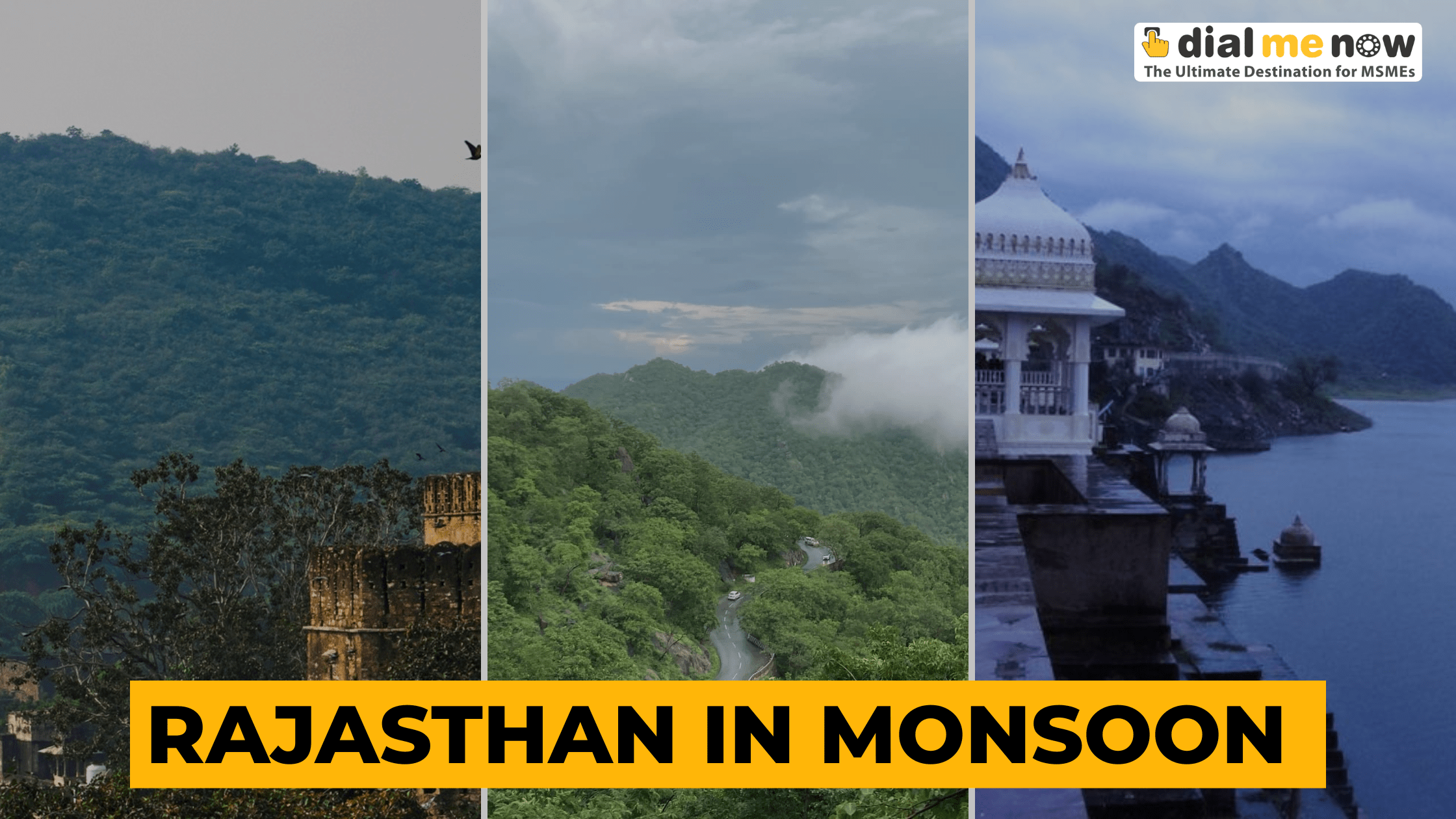
When most people think of Rajasthan, they imagine golden deserts, summer heat, and arid forts under a blazing sun. But here’s the secret: Rajasthan in monsoon is one of India’s most underrated travel experiences.
From Bundi’s moss-covered forts to Mount Abu’s misty hills, from Udaipur’s overflowing lakes to Ranthambore’s lush green forests, the state transforms into a dramatic, romantic, and refreshingly cool destination between July and September.
If you’ve been waiting to explore Rajasthan but feared the heat, monsoon is your season — fewer crowds, lower hotel rates, and an entirely new visual palette.
Section 1: Rajasthan’s Monsoon Mood
Rajasthan receives its main rainfall from July to September, and though it doesn’t rain every day, the landscape comes alive after each shower.
- Temperature Range: 25°C – 32°C (much cooler than the 40°C+ summer).
- Skies: Often dramatic, with rolling clouds perfect for photography.
- Smell of Petrichor: The desert soil’s first rain smell is unforgettable.
- Flora: Hills turn green, lakes fill up, and wildlife becomes more active.
For travelers who enjoy nature, photography, heritage walks, and wildlife, monsoon season adds a new dimension to Rajasthan’s charm.
Section 2: Bundi Fort – Moss-Covered History in the Clouds
Bundi, often called the “Chhoti Kashi” or “The City of Stepwells”, is a treasure trove of medieval architecture — and in monsoon, its palaces, stepwells, and Taragarh Fort seem to emerge from a green dream.
Why Visit Bundi in Monsoon:
- Taragarh Fort looks mystical with clouds floating around its ramparts.
- Nawal Sagar Lake brims with water, reflecting the fort and palace complex.
- Stepwells (Baoris) like Raniji Ki Baori are filled with rainwater, making them photogenic and functional.
- The surrounding Aravalli hills turn lush, perfect for short hikes and photography.
Travel Tips:
- Carry good walking shoes — fort steps can be slippery.
- Early mornings are magical for foggy views.
- Hire a local guide to learn about Bundi’s murals and stepwell engineering.
Section 3: Mount Abu – Rajasthan’s Misty Hill Station
Mount Abu is Rajasthan’s only hill station, and in monsoon it becomes a cozy, mist-wrapped retreat.
Highlights:
- Nakki Lake overflows with rainwater, and boating is at its most scenic.
- Guru Shikhar, the highest point of Aravallis, offers panoramic views — when the clouds part!
- Honeymoon Point and Sunset Point turn misty, creating perfect photo opportunities.
- Lush greenery attracts nature lovers and trekkers.
Why It’s Special in Monsoon:
- Cooler temperatures (20°C–25°C).
- Less tourist rush compared to winter.
- Rare wildflowers bloom in the hills.
Travel Tips:
- Pack a light jacket — evenings get chilly.
- Book a lake-view room for romantic monsoon vibes.
- Explore on foot — the misty lanes are charming.
Section 4: Udaipur – City of Lakes Overflowing
Udaipur, already one of India’s most picturesque cities, becomes breathtaking in monsoon as its lakes fill up and palaces glisten in fresh rain.
What to See:
- Lake Pichola & Fateh Sagar Lake at their fullest — boat rides are a must.
- Monsoon Palace (Sajjangarh Palace) — built precisely to watch the monsoon clouds and sunsets.
- City Palace complex reflecting in the water — great for photographers.
- Saheliyon Ki Bari (Garden of the Maidens) — lush and blooming.
Monsoon Experience:
- Romantic boat rides under cloudy skies.
- Evening tea at a rooftop café watching rain over Lake Pichola.
- Festival season — Teej and Raksha Bandhan often fall in monsoon, adding cultural flavor.
Travel Tips:
- Keep a day flexible for boating — sometimes lakes are closed during heavy rain.
- Carry a raincoat or umbrella for palace tours.
- Book hotels early — monsoon weddings & events can fill rooms.
Section 5: Ranthambore – Jungle in Emerald Green
Ranthambore is one of India’s most famous tiger reserves — and monsoon transforms it into a verdant paradise.
Why Monsoon is Unique:
- Forest looks like a scene from The Jungle Book.
- Animal activity increases — though core zones are closed for safaris from July–September for breeding season, buffer zones (Zones 6-10) remain open.
- Birdwatching is excellent — migratory birds arrive early.
- Ranthambore Fort (UNESCO site) becomes dramatic against the green backdrop.
What You Can Do:
- Take a buffer zone safari — sightings of leopards, hyenas, and sloth bears are common.
- Visit Ranthambore Fort and enjoy monsoon views from the top.
- Photograph the monsoon clouds over Padam Talao lake.
Travel Tips:
- Book safaris in advance — limited permits in monsoon.
- Wear waterproof shoes and carry binoculars for birding.
- Carry a plastic cover for your camera gear.
Section 6: Practical Travel Tips for Rajasthan in Monsoon
- Carry Rain Gear: Lightweight raincoat, umbrella, and waterproof footwear.
- Health Precautions: Mosquito repellent and basic meds.
- Plan Buffer Days: Rains may delay travel, especially on rural roads.
- Camera Protection: Use rain sleeves or zip-lock covers for photography gear.
- Flexible Itinerary: Some outdoor attractions may close temporarily in heavy rain.
Section 7: Best Time to Visit & Duration
- Ideal Months: Late July to early September — greenery is at its peak but rains are not too heavy.
- Trip Duration:
- Bundi: 2 Days
- Mount Abu: 2-3 Days
- Udaipur: 3 Days
- Ranthambore: 2 Days
- Combine them into a 7–8 day itinerary for a perfect monsoon circuit.
Section 8: Why Monsoon Rajasthan Is Great for Travelers
- Lower Hotel Rates: Off-season deals make luxury stays affordable.
- Photographer’s Paradise: Clear skies after rain + reflections in lakes.
- Cultural Experiences: Monsoon festivals like Teej, Hariyali Amavasya bring vibrant processions.
- Peace & Quiet: Fewer tourists = more intimate experiences at monuments.
Section 9: Suggested Itinerary
Day 1-2: Arrive Udaipur → Lake Pichola sunset boat ride → City Palace tour → Sajjangarh Monsoon Palace evening.
Day 3: Drive to Mount Abu → Guru Shikhar trek → Nakki Lake boating → sunset point.
Day 4-5: Travel to Bundi → Taragarh Fort hike → Stepwells photo tour → explore old city murals.
Day 6-7: Head to Ranthambore → Buffer zone safari → Ranthambore Fort exploration → birding and photography.
Disclaimer
Monsoon travel in Rajasthan can be unpredictable. While the greenery and reduced heat make it a great experience, travelers should check weather conditions before visiting forts, hiking trails, or booking safaris. Some safaris, boat rides, or outdoor activities may be canceled due to safety reasons. Always prioritize safety and follow local advisories.
FAQs: Rajasthan in Monsoon
Q1) Is Rajasthan safe to travel in monsoon?
Yes! Roads are generally good, but keep buffer time for rural routes that may get waterlogged.
Q2) Which is the most beautiful city in Rajasthan during monsoon?
Udaipur is the most romantic, but Bundi is the most photogenic due to greenery around the fort.
Q3) Are Ranthambore safaris open in monsoon?
Yes, buffer zones (6–10) remain open, but core zones close for breeding season.
Q4) Can I see tigers during monsoon?
It is possible but harder due to tall grass. Birdwatching and other wildlife sightings are excellent.
Q5) Does it rain every day?
No, it usually rains in short, refreshing bursts — perfect for sightseeing between showers.
Q6) What clothes should I carry?
Light cottons, quick-dry trousers, a rain jacket, and sturdy waterproof footwear.
Q7) Is Mount Abu crowded in monsoon?
Less crowded than winter, but weekends attract local tourists from Gujarat.
Q8) What are the best monsoon festivals in Rajasthan?
Teej (Jaipur), Hariyali Amavasya (Udaipur), Raksha Bandhan fairs in rural areas.
Q9) Can I do boating in Udaipur during rains?
Yes, but check with local authorities — it may close during storms or very heavy rains.
Q10) Are hotels cheaper during monsoon?
Yes, you can get up to 30–40% off on heritage stays and lake-view hotels.
Conclusion: Experience Rajasthan’s Secret Season
Rajasthan’s monsoon isn’t just a season — it’s a transformative experience. From Bundi’s fairy-tale forts to Udaipur’s sparkling lakes, from misty Mount Abu to emerald Ranthambore, every corner looks like a painting.
If you’ve only seen Rajasthan in winter, monsoon will surprise you with color, fragrance, and tranquility. Pack your rain gear, bring your camera, and discover the magical side of Rajasthan that few tourists ever see.