

Glamping in the Thar: The Eco-Friendly Evolution of Jaisalmer
2/5/2026
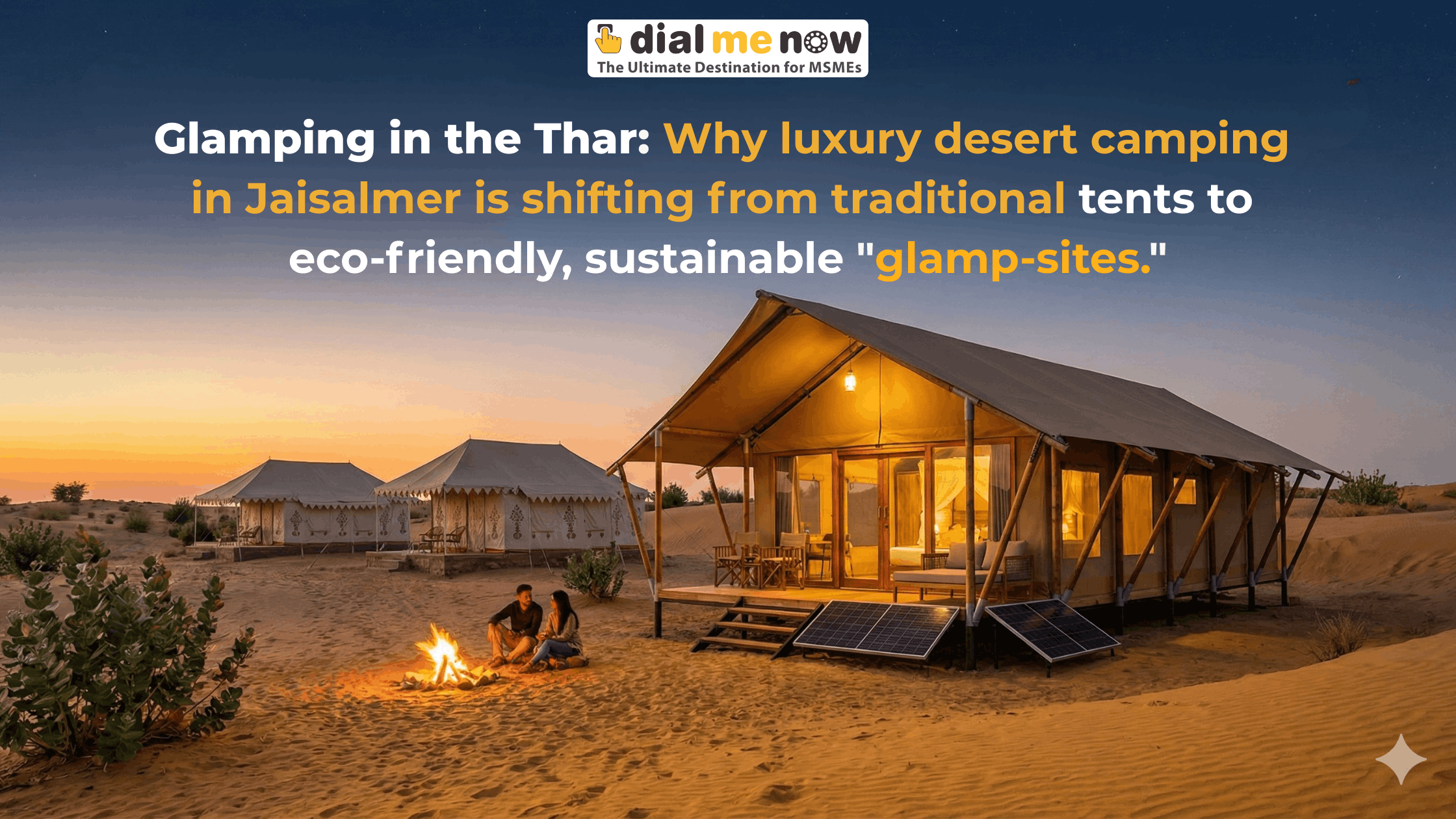
The Thar Desert has long been the stage for India’s most romantic travel fantasies. For decades, “desert camping” meant rows of traditional white canvas tents, flickering lanterns, and the smell of woodsmoke. However, as we move through 2026, a quiet revolution is sweeping across the golden dunes of Jaisalmer.
Travelers are no longer just looking for luxury; they are seeking responsible indulgence. The shift from traditional “Swiss tents” to sustainable, architecturally innovative “Glamp-sites” is redefining what it means to stay in the desert. This guide explores why the new era of glamping in Jaisalmer is better for the planet—and better for your soul.
The Sustainable Shift: From Tents to Eco-Structures
Traditional desert camps, while beautiful, often placed a hidden strain on the fragile Thar ecosystem through high water consumption and waste generation. The new generation of eco-friendly glamp-sites is changing the blueprint.
- Eco-Forward Design: Instead of temporary plastic-lined tents, 2026’s top sites use locally sourced sandstone, lime-plaster, and recycled wood. These materials offer natural thermal insulation—keeping you cool during the blistering desert day and warm during the chilly night without over-relying on heavy air conditioning.
- Solar-Powered Serenity: The hum of diesel generators is being replaced by the silence of the sun. Leading camps now run entirely on off-grid solar arrays, powering everything from your bedside USB ports to the elegant evening path-lighting.
- Zero-Waste Philosophy: Single-use plastic is the “outcast” of the desert. Modern glamp-sites prioritize glass bottling plants, composting systems for organic kitchen waste, and biodegradable toiletries that don’t contaminate the desert soil.
What Does “Modern Glamping” Look Like in 2026?
Glamping (Glamorous Camping) in Jaisalmer has evolved into a bespoke architectural experience. You aren’t just staying in a room; you are staying in a piece of art.
The “Desert Dome” Experience
Many sustainable sites have introduced geodesic domes. These structures use minimal material for maximum space and feature massive transparent panels, allowing you to stargaze from your bed while remaining in a climate-controlled environment.
Biophilic Living
The new glamp-sites focus on “Biophilic design”—the idea of connecting occupants to nature.
- Open-air en-suite bathrooms with water-saving rainfall showers.
- Private sit-outs made of mud-mirrors (lipan kaam) that reflect the golden hour.
- In-tent vegetation using native desert succulents that require minimal water but provide fresh oxygen.
Farm-to-Dune: The Culinary Revolution
The shift to sustainability has also transformed the dining table.
- Locally Sourced Ingredients: The “Buffet” culture is shifting toward Curated Farm-to-Table menus. Ingredients like Ker Sangri (desert beans and berries), bajra (pearl millet), and organic dairy are sourced directly from nearby Bishnoi or Meghwal villages.
- Minimal Food Miles: By reducing the distance food travels, these camps lower their carbon footprint while ensuring guests taste the most authentic, nutrient-rich Rajasthani flavors.
- Solar Cooking: Some high-end eco-camps are even experimenting with solar ovens to bake fresh bread and slow-cook traditional meats, utilizing the desert’s most abundant resource.
Comparison: Traditional Tents vs. Sustainable Glamp-sites
| Feature | Traditional Desert Tents | Sustainable Eco-Glamping (2026) |
| Power Source | Diesel Generators | Solar/Renewable Energy |
| Water Usage | High (Standard fixtures) | Low (Water-saving & Greywater recycling) |
| Materials | Synthetic Canvas/PVC | Sandstone, Lime, Recycled Wood |
| Cooling | Energy-intensive AC units | Natural Insulation + Solar AC |
| Experience | Standardized Tourist Setup | Bespoke, Immersive, Private |
| Local Impact | Commercial focus | Community-led & Heritage-conscious |
Why Eco-Glamping Enhances the Experience
Choosing a sustainable site isn’t just a moral choice; it actually improves the quality of your vacation.
- Reduced Noise Pollution: Without the roar of generators, the silence of the desert is profound. You can actually hear the wind whistling through the dunes and the distant call of a desert fox.
- Star-Gazing Clarity: Sustainable camps minimize “Light Pollution.” By using low-intensity, downward-facing warm lights, the night sky becomes a crystal-clear canvas where the Milky Way is visible to the naked eye.
- Deeper Cultural Connection: Many eco-camps are run in partnership with local communities. Your stay directly supports local artisans, musicians, and camel herders, providing a more “real” and less “rehearsed” cultural exchange.
❓ Frequently Asked Questions (FAQ)
Q1: Is eco-friendly glamping less comfortable than traditional luxury camps?
A: Quite the opposite! Sustainable glamp-sites often offer more comfort because they use superior natural insulation, higher-quality organic linens, and personalized, less-crowded service.
Q2: When is the best time for glamping in Jaisalmer?
A: The peak window is October to March. While the days are sunny and perfect for safaris, the nights are cool and ideal for bonfires.
Q3: Do sustainable camps have modern bathrooms?
A: Yes. You will find high-end en-suite bathrooms with hot water (solar-heated), modern plumbing, and organic, biodegradable toiletries.
Q4: Are these camps safe for solo female travelers?
A: Absolutely. Sustainable camps often focus on high-touch, personalized service and have 24/7 security and a community-centric atmosphere.
Q5: What should I pack for a sustainable desert stay?
A: Bring a reusable water bottle, biodegradable sunscreen, and layers of clothing (warm for night, breathable for day). Avoid bringing extra plastic packaging.
Q6: Are mobile networks available at these remote sites?
A: Most sites offer Wi-Fi in common areas, but many guests choose these “sustainable” spots specifically for a “Digital Detox.”
Q7: Can I visit the Desert National Park from these camps?
A: Yes! Many eco-camps are located on the periphery of the park and offer guided walks to see the endangered Great Indian Bustard.
Q8: How does solar power handle the cold desert nights?
A: Modern glamp-sites use high-capacity battery storage (Lithium-ion) to ensure that solar energy collected during the day powers your lights and heating all through the night.
Disclaimer
Wildlife sightings and weather conditions in the Thar Desert are natural phenomena and cannot be guaranteed. To ensure the highest level of service and verified sustainable practices, we recommend booking through our official portal. All safari activities are subject to government regulations and environmental safety protocols.
Conclusion
Jaisalmer is no longer just a place to see; it is a place to protect. By choosing a sustainable glamp-site, you are participating in a global movement toward Eco-Luxury. You get to wake up to the silence of the dunes, eat the fruits of the desert, and sleep under a sky unpolluted by the modern world—all while knowing your footprint is as light as the sand itself.