

Mahavirji Jain Temple, Karauli: A Complete Traveler’s & Devotee’s Guide
9/16/2025
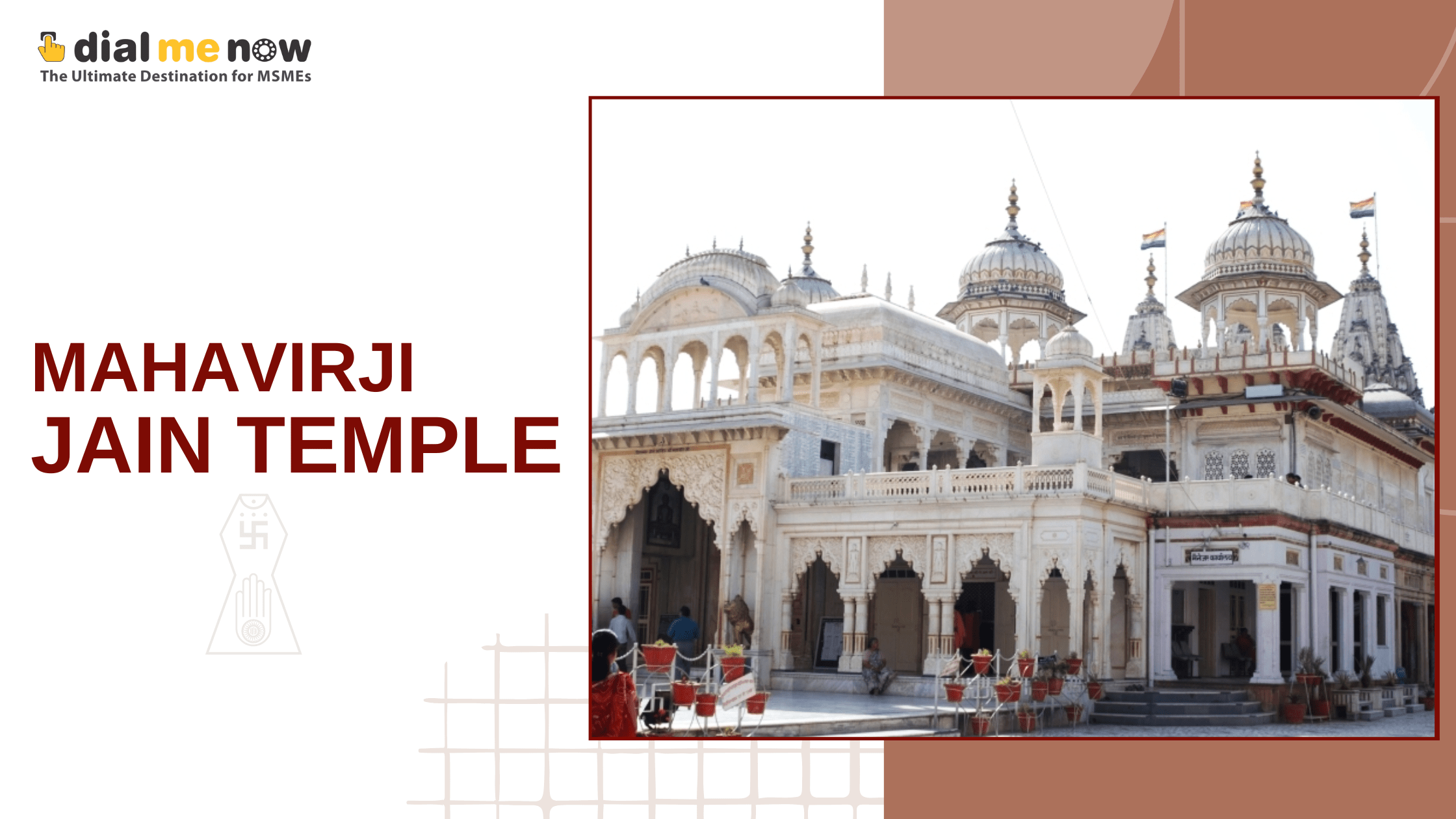
If you’re planning a spiritual detour in Rajasthan that blends serenity, living heritage, and a deep dive into Jain philosophy, put Mahavirji (Shri Mahaveer Ji) Jain Temple at the top of your list. Set in the Hindaun block of Karauli district, this revered Digambara Jain atishaya kshetra (miraculous site) is dedicated to Lord Mahavira, the 24th Tirthankara. With a captivating origin legend, exquisite Nagara architecture, a vibrant annual fair around Mahavir Jayanti, and a riverside setting, the temple is equal parts pilgrimage and cultural immersion.
Below is a comprehensive, practical guide—history, architecture, rituals, what to see, local culture, how to reach, when to visit, where to stay, etiquettes, nearby attractions, sample itinerary, FAQs, and a short disclaimer—so you can plan confidently and respectfully.
Where is Mahavirji and why it matters
Location: Shri Mahaveer Ji town (formerly Chandanpur), Hindaun block, Karauli district, Rajasthan. It stands by the Gambhir River, enhancing the ambience with its tranquil ghats. The site’s importance is such that the Indian Railways created a dedicated Shri Mahaveerji (SMVJ) railway station, with local transport connecting the station and temple.
Why it matters: Mahavirji is among the most prominent Digambara Jain tirthas. It draws Jain and Hindu devotees in large numbers year-round, and its temple trust runs charitable initiatives: a dispensary/pharmacy, schools, library, scholarships, research in Prakrit, and even a naturopathy & yoga centre—speaking to the Jain ethos of compassion (ahimsa) and community upliftment.
The origin story: faith, discovery, and a cow
Local tradition holds that Mahavirji’s sanctity was revealed when an ancient idol of Lord Mahavira was discovered from the earth centuries ago. One popular telling credits a cow that repeatedly shed milk over a mound, prompting villagers to dig—revealing the idol. The present complex grew around this miracle, and a marble umbrella (chhatri) marking the “charan” (sacred footprints) site commemorates the find. The main icon (mulnayak) of Mahavira—about 78 cm, sandstone, in padmasana—is famed for its grace and spiritual presence. The temple, as we see today, took shape in the 17th century under Shri Amar Chand Bilala, a Digambara Jain merchant-patron.
Architecture & layout: Nagara elegance and a soaring manastambha
Mahavirji offers a study in Rajasthani Nagara temple design with ornate shikharas, carved pillars, and golden mural work depicting episodes from Mahavira and Parshvanatha. At the entrance stands a striking marble manastambha (victory/ego-less pillar), about 52 feet high, crowned with Tirthankara icons facing four directions—an invitation to shed pride before entering the sanctum.
The complex houses multiple shrines, often referenced as five (or more with associated chaityalayas), including:
- Main Mahavira Temple (mulnayak in padmasana, flanked by Pushpadanta and Adinatha icons in the garbhagriha).
- Shantinath Jinalaya (known for a monumental icon of Shantinath).
- Kanch Mandir / Parshvanath Chaityalaya (the “glass temple,” with reflective inlay and a serene Parshvanath idol).
As you wander the marble courtyards, look for mythological friezes carved around the exterior. The white-and-ochre palette, domed pavilions, and chhatris combine for a photogenic composition—especially at dawn or dusk.
Culture in practice: daily worship, values, and the living tradition
Mahavirji is not a monument frozen in time; it is a living shrine where worship rhythms shape the day. While exact darshan timings may vary by season and festival, the complex typically opens from early morning until evening—and auxiliary chaityalayas like the Kanch Mandir also keep extended hours. Always check the onsite notice boards upon arrival.
What you’ll experience
- Aarti and Abhishek: Mornings often begin with abhishek (ritual bathing of the deity) followed by prayers.
- Quiet meditation: Visitors sit silently in front of the sanctum, reflecting on the vows of ahimsa (non-violence), satya (truth), asteya (non-stealing), brahmacharya (chastity/discipline), and aparigraha (non-possessiveness) central to Jain dharma.
- Community spaces: Dharamshala courtyards, libraries, and trust-run facilities radiate the social-service spirit associated with Jain institutions.
The Mahavirji Fair (Mahavir Jayanti Utsav)
The annual fair is the best window into Mahavirji’s festive soul. Timed around Mahavir Jayanti (usually March–April), celebrations typically span five days, featuring discourses by Jain monks, devotional music, and a colourful Rath Yatra where a chariot procession—traditionally with bullock carts—moves through the town amid chants and community participation (including local Meena and Gujjar communities). Offerings often include misri (crystal sugar), chandan (sandalwood), kesar (saffron), white flowers, and camphor. Expect very large crowds, heightened security, and a jubilant atmosphere.
In 2022, Mahavirji also hosted a Mahamastakabhisheka—a grand anointment ceremony—along with the installation of a 24-ft statue of Lord Mahavira, drawing devotees from across India.
How to reach Mahavirji
By Train (Most convenient):
Alight at Shri Mahaveerji (SMVJ) on the Delhi–Mumbai route (West Central Railway, Kota Division). The temple lies roughly 7–10 minutes by local transport from the station, and temple-run shuttle/bus services are often available. Trains are frequent, and the station typically sees 25–30+ halts daily.
By Air:
Jaipur International Airport is the nearest major airport, about 150–160 km away. From Jaipur, hire a taxi or take a train/bus to SMVJ. (New Delhi is a secondary option ~250 km away.)
By Road:
Karauli district has road links to Jaipur, Agra, Alwar, Sawai Madhopur, and Bharatpur. From Karauli/ Hindaun, local buses and autos connect to Shri Mahaveer Ji town.
Distances & transfers (indicative):
- SMVJ station → Temple: ~7 km / ~10–15 mins by shared tempo or bus; autos/taxis also available.
- SMVJ station → Karauli town: ~26 km / ~25 mins by taxi.
Best time to visit
- October to March offers the most pleasant weather for darshan and heritage walks.
- Mahavir Jayanti (Mar–Apr): Come if you love festivals and don’t mind crowds. Book accommodation well in advance.
What to see inside the complex
- Main Mahavira Temple (Mulnayak): The coral-hued sandstone icon of Lord Mahavira seated in padmasana, flanked by Pushpadanta (right) and Adinatha/Rishabhanatha (left), in a sanctum embellished with golden paintings and narrative panels.
- Manastambha (Marble Pillar): A 52-ft symbol of humility with Tirthankaras facing four directions—iconic for photographs and sunrise/sunset silhouettes.
- Shantinath Jinalaya: Look for the towering icon within—a quiet place for extended meditation.
- Kanch Mandir (Parshvanath Chaityalaya): A jewel-box sub-shrine where glass inlay mirrors and mosaic panels reflect the seated Parshvanath—a favourite with art lovers and photographers.
- Charan Chhatri (Excavation spot): The footprint memorial marking the miraculous discovery site—key to the temple’s origin story.
Etiquette & practical tips (Jain temples)
- Dress modestly (shoulders/legs covered).
- Footwear: Remove shoes/sandals before entering shrine areas.
- Dietary respect: Strictly vegetarian; avoid carrying leather items inside sanctums where possible (belts/wallets are usually acceptable outside the garbhagriha—follow posted rules).
- Silence & photography: Maintain quiet during aarti/abhishek. Photography is generally allowed in courtyards but may be restricted inside sanctums—ask permission and follow signage.
- Offerings: Flowers, saffron, sandal paste, and misri are traditional; avoid anything that violates Jain dietary principles (e.g., root vegetables might be discouraged in some contexts).
- Monk/nun etiquette: If you encounter sadhus/sadhvis, greet respectfully; do not touch them; keep appropriate distance.
Accommodation & amenities
Mahavirji has dharamshalas and lodging managed or coordinated via the temple trust, plus simple eateries and amenities (including charitable and educational facilities). The trust’s information channels often list accommodation options; availability tightens during the fair—book early.
Nearby hubs with broader hotel choices include Karauli town, Hindaun, Sawai Madhopur (if combining with Ranthambhore), and Bharatpur.
Nearby attractions (great add-ons)
- Karauli City Palace (Rawal Palace): A richly painted 14th–19th century complex with stone carvings, frescoes, and living royal heritage. Lovely for a half-day architecture walk.
- Kaila Devi Temple & Sanctuary: A famed Shakti peeth near Karauli; combine spiritual visits with nature detours.
- Madan Mohanji Temple & Gomti Dham (Nakkash Ki Devi): Important local devotional sites that give a broader sense of Karauli’s sacred geography.
Sample 1.5-day itinerary
Day 1
- Arrive SMVJ by late morning → check into dharamshala/hotel.
- Temple orientation walk: Start at the manastambha, enter the main sanctum for darshan, then visit Shantinath Jinalaya.
- Evening: Spend quiet time at the Gambhir riverfront, return for aarti (respecting rules on photography).
Day 2 (half day)
- Early abhishek/darshan if available.
- Visit Kanch Mandir (Parshvanath Chaityalaya) for art & interiors.
- Post-breakfast transfer to Karauli City Palace before onward travel.
Understanding the purpose & philosophy
Mahavirji is a gateway to Jain ethics and spiritual practice lived daily by householders and ascetics. A visit makes tangible the core ideals:
- Ahimsa: Non-violence beyond the physical—kindness in thought, word, deed; reflected in pure vegetarian food and care for animals.
- Aparigraha: Non-attachment—exhibited in simple living and charity initiatives run by the temple trust.
- Self-discipline & meditation: Quiet time in the mandapam brings home Jainism’s inward focus on conquering passions (kashayas) and attaining equanimity.
Even if you’re not Jain, the atmosphere of order, cleanliness, and compassion is infectious—and a meaningful cultural experience of North India.
Travel logistics at a glance
- Nearest Station: Shri Mahaveerji (SMVJ); frequent halts; quick transfers to temple; station–temple shuttles often arranged.
- Nearest Airport: Jaipur (JAI) ~150–160 km.
- Fair Time: Chaitra Shukla Ekadashi to Vaisakh Krishna Dwitiya (around Mahavir Jayanti); Rath Yatra is the visual highlight.
- Season: Oct–Mar best; Apr–Jun is hotter; Jul–Sep monsoonal charm but humidity.
Responsible travel & accessibility
- Hydration & sun care: Rajasthan sun is sharp—carry water (bottles can be refilled where permitted), hat/umbrella.
- Footcare: Lots of marble—non-slip socks help in winter.
- Mobility: Courtyards are spacious; some inner thresholds and steps exist; ask staff for assistance.
- Waste & noise: Keep the complex clean; avoid loud conversations and phone use near sanctums.
Quick FAQ
1) What are the temple hours?
Hours can vary; the complex generally opens early morning to evening; auxiliary shrines like Kanch Mandir often run ~6 AM–9 PM. Confirm onsite during your visit, especially in festival periods.
2) Is there a dress code?
Modest clothing is expected (shoulders and knees covered). Remove footwear before entering shrine areas.
3) Can non-Jains enter?
Yes. All respectful visitors are welcome. Follow etiquette, observe silence, and ask if unsure about ritual protocols.
4) Is photography allowed?
Generally allowed in open courtyards; often restricted inside sanctums. Follow signage and staff instructions.
5) How do I get there by train?
Disembark at Shri Mahaveerji (SMVJ); the temple is ~7–10 minutes away by local transport, with temple shuttles often available.
6) What’s special about the Mahavirji fair?
A five-day celebration around Mahavir Jayanti, with discourses, processions, and a Rath Yatra; offerings include misri, sandalwood, saffron, white flowers, and camphor. Expect big crowds; pre-book stays.
7) Where can I stay?
Temple-linked dharamshalas and simple lodgings are available near the complex, plus options in Karauli, Hindaun, and further afield (Sawai Madhopur/Bharatpur). The temple trust often lists accommodation information.
8) What else can I see nearby?
Karauli City Palace, Kaila Devi Temple & Sanctuary, Madan Mohanji Temple, and Gomti Dham are solid add-ons.
9) Any special ceremonies recently?
In 2022, Mahavirji hosted Mahamastakabhisheka and installed a 24-ft Mahavira statue—a major event in the shrine’s recent history.
10) Is there an official source for updates?
Refer to Rajasthan Tourism and the temple trust information channels for current events and logistics.
Disclaimer
Religious sites may update timings, access rules, photography policies, and festival schedules without notice. Travel conditions, local transport, and accommodation availability can also change seasonally or during events. Always verify on arrival or through official/local channels before planning rituals or time-sensitive activities. The cultural notes here aim to enhance respectful travel.