

Sariska National Park (Sariska Tiger Reserve), Alwar-The Complete Travel & Culture Guide
9/15/2025
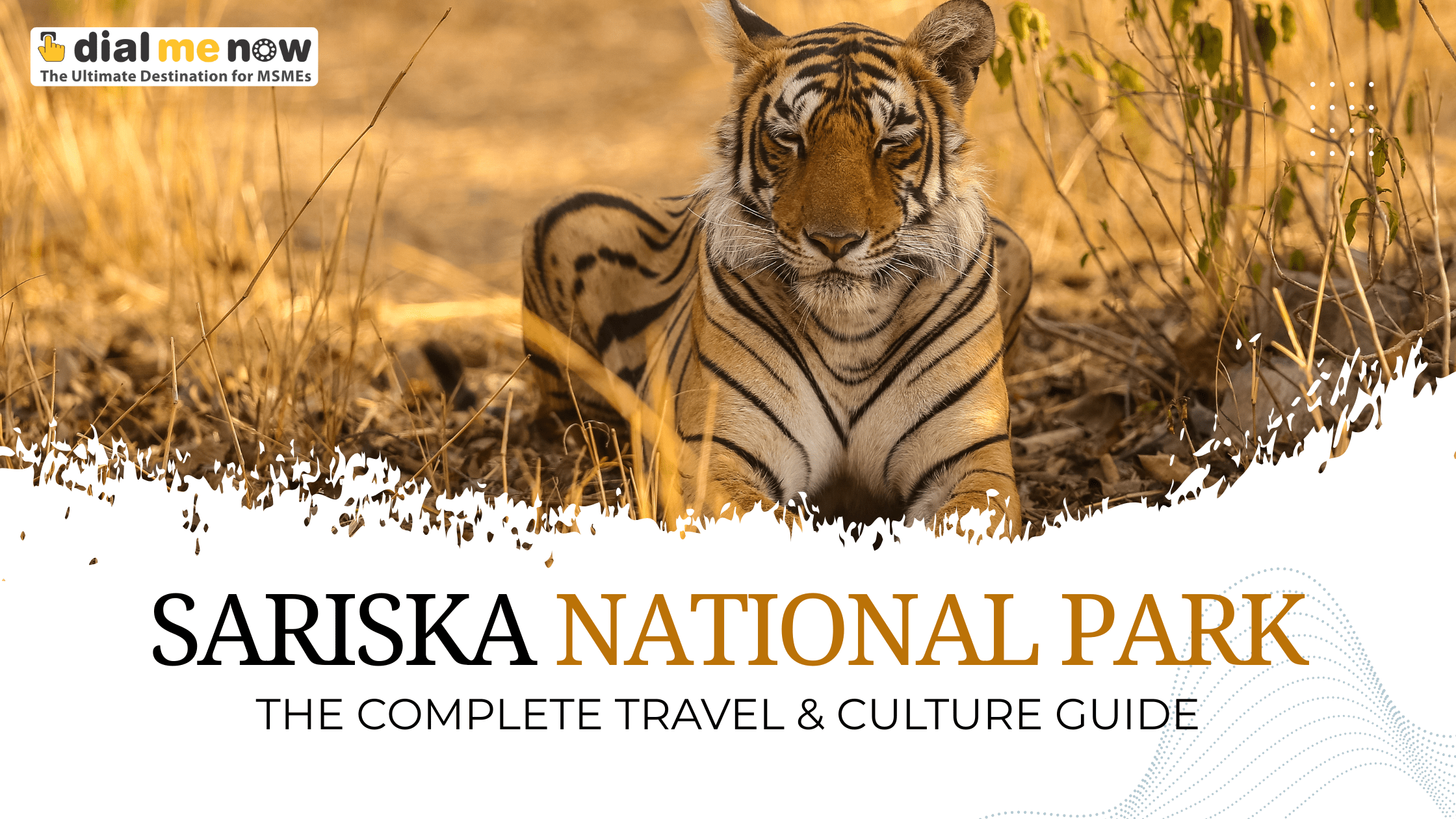
If you’re hunting (pun intended) for a wild escape that mixes royal Rajput echoes with raw Aravalli wilderness, Sariska National Park in Alwar, Rajasthan, is one of North India’s most rewarding weekend safaris. Just a few hours from both Delhi and Jaipur, Sariska offers tiger country without the crowds of Ranthambore, a dramatic fort inside the forest (Kankwari), ancient temples, and a rich cultural belt around Alwar that can turn a simple wildlife run into a full-blown heritage trip.
This guide covers everything you need: how to plan a safari, the best time to visit, where to stay, what you’ll see (beyond tigers), route options from Delhi/Jaipur, cultural layers and local etiquette, nearby sights (like Siliserh Lake and Bhangarh Fort), sample itineraries, photography tips, FAQs, and an honest disclaimer about fast-changing rules and fees.
Why Sariska?
A big-cat landscape close to NCR: Sariska is the only tiger habitat in the wider National Capital Region—part of the northern Aravalli corridor—and among the first reserves in the world to have successfully relocated tigers after local extinction in the mid-2000s. Today it spans dry deciduous forest, scrub-thorn woodlands, grasslands, and rocky hills across more than 1,200 km² when you include its buffer—classic Aravalli scenery with dhok trees dominating the canopy.
Wildlife variety beyond stripes: Expect leopards, hyenas, jungle cats, jackals, sambar, chital, nilgai, wild boar, four-horned antelope, langur, and peafowl along with raptors gliding over cliffs. Birders love winter here for eagles, owls, partridges and more. (You won’t see everything in one drive; two to four safaris increase your odds.)
A fort inside the forest: The 17th-century Kankwari Fort sits atop a hill with sweeping views of the park—a surreal blend of stone ramparts and wild grass. It’s famously linked to Mughal-era intrigue and is one of the most atmospheric add-ons to a Sariska trip.
Temple heritage & local culture: Within or near the reserve lie Pandupol Hanuman (a pilgrimage point with a waterfall in the rains) and clusters of medieval temple ruins around Neelkanth—plus Alwar’s living culture, from vegetarian Rajasthani thalis to milk sweets like kalakand. These layers make Sariska feel more like a landscape you travel through—not just a checklist park.
Where Exactly Is It? How Far From Delhi & Jaipur?
Sariska sits in Alwar district, Rajasthan. By road, plan roughly ~195–200 km from Delhi (via NH48/Alwar) and ~110–115 km from Jaipur (via Jaipur–Alwar highway) to the main Sariska gate. From Alwar city, Sariska gate is roughly 35–36 km. Drive times vary with traffic; expect ~2–4 hours depending on start point.
A (Very) Brief History & Purpose
Once the hunting preserve of the princely state of Alwar, the forests were notified as a wildlife reserve in the 1950s, a sanctuary soon after, and then brought under Project Tiger in the late 1970s; the sanctuary area was later declared a national park. Conservation here isn’t only about tigers—it’s about securing a north Aravalli wildlife corridor and a dry-forest ecosystem under pressure from mining, traffic, and human use.
Today, active measures include habitat restoration, village relocation from the core, and evolving regulations on vehicle movement (e.g., piloting e-buses to pilgrimage spots inside the reserve, with discussions on restricting private vehicles). Policies are live topics—great for the forest, but it means visitor protocols can change.
What You’ll See: Habitats & Wildlife
Landscapes: Rolling Aravalli hills, rocky outcrops, narrow valleys, sparse to semi-dense dhok woods, interspersed grasslands, and seasonal water bodies. Early mornings can glow amber; summers feel stark and cinematic around the few remaining waterholes.
Mammals (spotting odds vary):
- Tiger (iconic but elusive—sightings come in bursts)
- Leopard (prefers rocky terrain)
- Hyena, jackal, jungle cat
- Sambar, chital (spotted deer), nilgai, wild boar, four-horned antelope
- Rhesus macaque, langur
Birds: Peafowl are everywhere, but look for crested serpent eagle, Indian eagle-owl, partridges, sandgrouse, treepies and winter migrants. Carry binoculars in every season.
Safari Basics: Gates, Vehicles, Timings & How Booking Works
Entry Gates (core):
- Sariska / Sadar Gate (closer to Alwar–Jaipur highway)
- Tehla Gate (southern side; long internal distance between the two gates)
These gates lead to designated tourism routes (zones/blocks may be assigned by the forest department when you check in). Driving between gates through the forest isn’t generally allowed; plan your accommodation accordingly.
Vehicles:
- Gypsy (open jeep, up to 6 visitors) — the most flexible for photography.
- Canter (open bus, ~20 visitors) — economical for groups.
Safari Slots: Typically morning and afternoon safaris, with exact entry/exit windows changing by season (earlier in winter, later in summer). Always verify timing at the time of booking as they vary with sunrise/sunset.
Booking & Indicative Costs: Multiple licensed operators and portals facilitate online booking. Prices vary by vehicle type, day, nationality, and season; expect different rates for “sharing” vs. “full vehicle” bookings. Treat any figures you see online as indicative only and confirm official rates when you book—tariffs and rules change.
Pro tip: Carry the original ID used during online booking for all listed guests; without it, your entry can be denied.
Best Time To Visit & How Many Safaris To Plan
- October–March (Winter): Pleasant weather, great for birding and landscapes. Tigers are active but not always near open water.
- April–June (Summer): Hot, but higher big-cat odds around shrinking water sources. Wear light, full-sleeve cottons; cover skin, hydrate like a pro.
- Monsoon Closure: Core zones usually close during the monsoon (roughly July–September), though dates can vary by year and policy.
To meaningfully experience Sariska, plan 2–4 safaris over 1.5–2.5 days. If you’re adding Kankwari Fort or Pandupol, pad in extra time.
How To Reach (From Delhi, Jaipur, Alwar)
- From Delhi (≈195–200 km): NH48 → Bhiwadi → Alwar → Sariska (frequent private taxis; self-drive works well).
- From Jaipur (≈110–115 km): Jaipur → Shahpura → Alwar highway → Sariska.
- Public Transport: Trains and buses connect Delhi/Jaipur ↔ Alwar; from Alwar, hire a cab to Sariska gate (~35–36 km). Travel aggregators estimate ~2–4 hours end-to-end depending on connections and traffic.
Where To Stay
You’ll find forest-style lodges, homestays, heritage hotels, and resorts spread between Sariska gate road, Tehla side, and Siliserh Lake area. Pick the side that matches your entry gate to avoid long commutes before a dawn safari. For a heritage vibe, some travelers base themselves near Siliserh Lake Palace (views are a win, and it’s convenient for Alwar sightseeing).
Itineraries You Can Steal
-
Quick NCR Getaway (1 night / 2 safaris)
- Day 1: Early morning drive from Delhi → Lunch near Sariska → Afternoon safari
- Evening: Lodge time; starry skies in winter are surprisingly good.
- Day 2: Morning safari → late breakfast → head back to Delhi/Jaipur.
-
Wildlife + Heritage (2 nights / 3–4 safaris)
- Day 1: Arrive by lunch → Afternoon safari
- Day 2: Morning safari,
midday visit Kankwari Fort (if open as per park rules) or Siliserh Lake,
Afternoon safari - Day 3: Morning safari → brunch → depart.
-
Family & Culture Blend (2 nights)
- Split one safari for the kids, a relaxed Siliserh Lake sunset session, and a half-day Alwar city loop (City Palace, local sweets). Add Pandupol Hanuman if you’re visiting on designated days for vehicles (policies may change—see Responsible Travel below).
Culture & Etiquette: Traveling Thoughtfully in Sariska
- Temple days & traffic: The road to Pandupol Hanuman temple runs ~22 km inside the reserve. Authorities have been working on policies to reduce private vehicle traffic (including proposed e-bus systems) because noise and congestion affect wildlife. If/when e-buses operate, use them; otherwise, follow the day-wise vehicle rules strictly. Avoid honking, music, and litter anywhere inside the reserve.
- Village relocation is ongoing: Parts of the core have long-term plans to relocate villages consensually to improve habitat connectivity. Be respectful if you encounter community movement or officials at work; do not photograph people without permission.
- Dress & behavior: Modest, neutral-colored clothing, especially at temples and in villages. Remove shoes at shrines, avoid drones anywhere near the park or heritage sites unless you have permits.
- Local food: In Alwar, try Rajasthani thali staples (dal-baati-churma, ker-sangri) and kalakand. Tip fairly; tourism is a key income source beyond agriculture.
Responsible Safari Guidelines (That Actually Help)
- Book legally via recognized operators; under-the-table rides hurt conservation.
- Stick to routes—off-roading crushes seedlings and damages habitat.
- No plastic: carry a refillable bottle; most quality lodges offer filtered water.
- Silence is a superpower: you hear alarm calls better, and sightings last longer.
- Keep distance from wildlife—especially big cats and elephants (if any stray).
- Zero feeding of monkeys or deer (creates dependency and aggression).
- Photography ethics: No flash on wildlife at dawn/dusk; no baiting; keep geotags generic for sensitive species.
Kankwari Fort, Siliserh Lake & Other Nearby Sights
- Kankwari Fort: A hilltop fort inside Sariska, accessible on designated days with forest permissions and subject to park rules. Views across the dry forests are spectacular; combine with a safari or do it midday.
- Siliserh Lake & Palace: A serene reservoir ~15–25 km from Alwar, framed by low Aravalli hills. Seasonal boating and excellent sunsets; good for birding in winter.
- Bhangarh Fort: India’s famously “haunted” ruin near the Sariska–Alwar belt. Visit in daylight only (as per ASI rules); go for the architecture and surrounding hills.
- Neelkanth temples & Pandupol Hanuman: Ancient temple clusters and a popular shrine within/around the forested landscape; plan routes with a local driver who knows current access rules.
Practical Planning Cheat Sheet
Permits & IDs: Names on booking must match original government-issued photo IDs you carry. Foreign nationals should carry passports.
What to pack: Neutral layers, hat/cap, sunglasses, SPF, scarf/buff (dust), sturdy shoes, binoculars, power bank, and a soft dry bag for gear. Winters need fleece + windcheater for open jeeps.
Mobile & payments: Signal is patchy near the gate and inside the park; cash for tips and small purchases is handy, though most lodges accept cards/UPI.
Health & safety:
- Dust + winter wind → carry a light mask or buff.
- Heat stress in April–June is real: electrolyte sachets help.
- Keep distance from macaques around temples/lake areas (don’t carry open food).
With kids: Book the front bench of a canter or a full gypsy so they can sit safely in the center, away from rails; carry ear covers and a warm layer for winter mornings.
Photography Tips (By Light & Habitat)
- Golden hours (first 60–90 minutes): silhouettes on ridges, backlit dust trails, and raptors.
- Midday fort run: Kankwari’s ramparts + long lenses for vultures/eagles.
- Summer waterholes: Stake out (as assigned by your guide); patience beats chasing “calls.”
- Lenses: 300–600mm for mammals; 70–200mm for habitat portraits; a wide (24–35mm) for fort and lake vistas.
- Settings: Prioritize shutter speed (1/800–1/1600 for moving mammals), Auto-ISO with a cap, and exposure compensation for bright sand/rock backgrounds.
Sample Budget (Indicative Only)
- Gypsy sharing vs. full vehicle pricing differs for Indians/foreigners; expect premium on weekends and holidays. Canter is typically cheaper. Rates vary by season and policy; always verify at booking since multiple portals list different tariffs and the department updates rules.
- Stay: Mid-range resorts cluster between Alwar and the Sariska gate; boutique eco-lodges near Tehla appeal to photographers.
- Other costs: Driver/guide tips, camera lens fees (if any), parking, fort/temple add-ons, lake activities.
The Conservation Story: How Your Visit Helps
- Local jobs: Guides, drivers, hotel staff, and naturalists benefit directly.
- Fees fund protection: Entry and vehicle fees help maintain anti-poaching, fire-line work, waterhole management, and research.
- Behavior matters: Following rules reduces stress on wildlife, helps tiger movement, and supports the north Aravalli corridor, one of India’s crucial (and fragile) connectivity links.
Frequently Asked Questions (FAQs)
1) Is Sariska good for first-time safari-goers?
Yes. It’s close to Delhi/Jaipur, with easy logistics and diverse landscapes. Tiger sightings are possible but never guaranteed—come for the forest, stay for the surprises.
2) How many safaris should I book?
Two is the bare minimum; three to four markedly improve your odds across different routes and times.
3) When’s the best time to see tigers?
April–June has better waterhole action but is hot; Oct–March has gentle weather and better birding.
4) Which gate should I use?
Choose Sariska (Sadar) gate if you’re staying on the Alwar–Jaipur side; Tehla if your lodge is south. There’s a long distance between gates—don’t plan to switch last minute.
5) Can I visit Kankwari Fort easily?
Access depends on park rules, route assignments, and safety conditions. Check with your lodge/guide a day prior and factor in extra time.
6) Are private vehicles allowed inside the park?
For safaris, you must use authorized park vehicles. Separate policies sometimes apply on specific temple days for certain internal roads; authorities have considered e-bus systems to reduce traffic. Confirm the current rule on your dates.
7) How far is Sariska from Alwar/Jaipur/Delhi?
Approx. 35–36 km from Alwar, ~110–115 km from Jaipur, ~195–200 km from Delhi to Sariska gate (route-dependent).
8) Are there good birding spots?
Yes—Siliserh Lake area and open grasslands are reliable; winters are best.
9) Is Sariska safe for families?
Yes, with standard precautions. Use registered guides/vehicles, keep children seated, and avoid feeding animals.
10) What should I wear?
Neutral colors (olive, beige), layers in winter, breathable long sleeves in summer. A scarf/buff keeps dust off.
11) Can I drive through the park to Pandupol temple?
Rules change; on permitted days/routes, follow department instructions or use designated transport (e.g., e-buses if operational). Check locally just before your visit.
12) Are drones allowed?
No, not in the park. Assume no-drone unless you have explicit written permission.
Disclaimer
Sariska is an active conservation landscape with evolving policies. Safari timings, tariffs, gate rules, access to Kankwari/Pandupol, and traffic restrictions may change with little notice due to wildlife movement, weather, or court/department orders. Treat all prices, timings, and access notes here as indicative. Always reconfirm with the forest department/official booking portal or your lodge a day or two before your visit. Recent developments include ongoing discussions about boundary notifications, village relocation, and vehicle regulations designed to reduce disturbance and improve habitat connectivity; these policy spaces are live and may impact visitor movement.