

Pali & Marwar Region: Home of Spicy Marwari Cuisine — Pali Famous Veg Food & Marwari Dishes Pali
10/15/2025
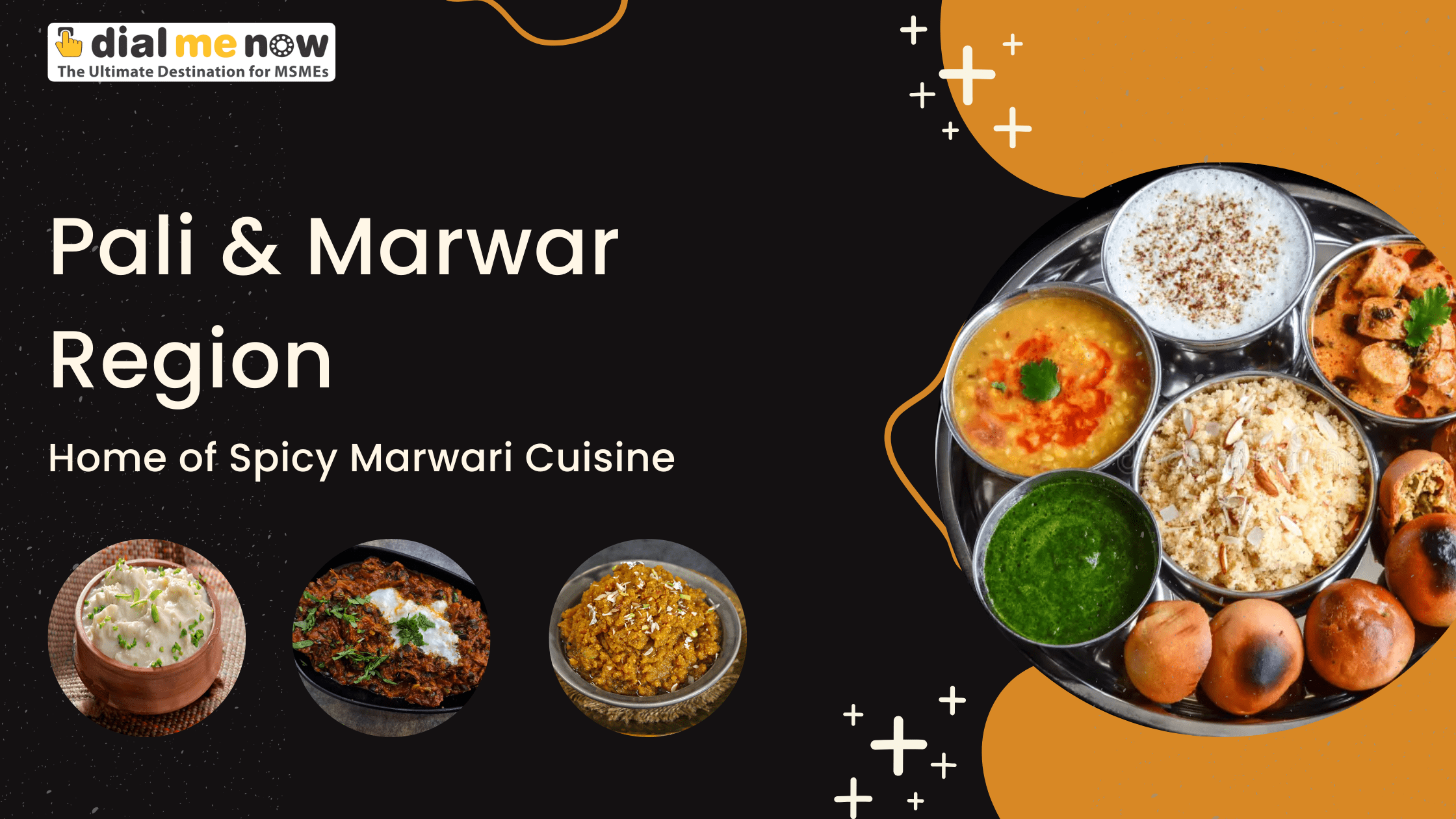
Introduction
Nestled in the heart of Marwar, the town of Pali in Rajasthan is not just known for its industrial heritage and historical forts, but also for being a vibrant hub of spicy, robust, and deeply rooted Marwari cuisine. In this region, vegetarian food is not just a necessity — it’s a celebration of resourcefulness, tradition, and flavor resilience in an arid land.
When one thinks of “Pali famous veg food” or searches for “Marwari dishes Pali,” they’ll find a tapestry of dishes — from fermented millet drinks to sun-dried desert greens — that embody the land, climate, and soul of Marwar.
In this blog, we’ll take you through the region’s culinary ethos, key dishes (with recipes), famous eating spots, cultural notes, and practical tips for travelers and food lovers.
Marwar Region & Culinary Context
Before diving into dishes, it helps to understand why Marwari cuisine is as it is.
Geography, Climate & Ingredients
- The Marwar / western Rajasthan region is arid, with limited water and harsh desert conditions.
- Fresh green vegetables are seasonal; preservation and use of dried, sun-dried, or wild plants became critical.
- Dairy (milk, curd, ghee), millets (bajra, jowar), legumes, pulses, and sun-dried items are staples.
- Methods that allow long shelf life (fermentation, drying, use of minimal water) are common.
- Spices, raw mango, dry mango powder (amchur), kokum, and tangy elements are used to enliven otherwise simple ingredients.
Rajasthani cuisine in general favors foods that last, foods that travel well, and foods that pack punch.
Key Dishes of Pali & Marwari Cuisine
Below are some emblematic dishes that you will find (or should look for) in Pali and the broader Marwar area. I include name, description, cultural notes, and a sketch of preparation (if relevant).
1. Raabdi (Fermented Millet Drink / Bajra Raab)
What it is:
A traditional fermented or cooked millet / bajra-based drink or porridge, often slightly soured or tangy, taken especially during winters or for nutrition. Sometimes “raab” or “raabdi” (in local pronunciation) refers to this. Rajasthani cuisine references raab as a millet cooked in buttermilk style.
Why it matters in Pali/Marwar:
- It’s filling, warming, and ideal for the climate.
- It connects to the agrarian millet tradition.
- It’s also nutritious in lean times.
Basic idea of preparation:
- Millet (bajra) is ground or lightly roasted and cooked in water or buttermilk.
- It may be fermented slightly (naturally) or just simmered to a porridge consistency.
- Spices like cumin, green chili, salt can be added; sometimes sweetened versions exist.
Serving / Pairing:
- Usually part of breakfast or mid-day drink.
- May accompany some dry sabzi or be consumed alone.
If you like, I can dig up an exact Pali-style raabdi recipe/I can help you code a recipe card component.
2. Ker Sangri
One of the signature Marwari / desert vegetable dishes and perhaps the most iconic when talking about “Marwari dishes Pali.”
What is it:
A dry (or semi-dry) sabzi made from ker berries (small wild desert berries) and sangri beans (dried bean pods) — both collected from desert vegetation, sun-dried, soaked, then cooked with spices.
It is sometimes part of panchkuta (a five-dry-ingredient desert mix) by adding kumatiya, gunda, kachri, etc.
Flavor / Texture:
Tangy, slightly sour, earthy, spicy, with chewy bits from the sangri. It contrasts beautifully with ghee and millets or rotis.
Cultural note:
It is said that ker sangri retains well, making it suitable for long storage in desert households. On festivals like Sheetala Ashtami, cold ker sangri is sometimes offered as a dish that “survives” days without spoiling.
It’s also transported by Marwari traders to cities where it becomes a luxury “desert vegetable” in urban markets.
Recipe Sketch:
- Soaking / Pre-treatment:
- Wash ker & sangri thoroughly (multiple rinses).
- Soak overnight or several hours to soften.
- Some cooks boil them lightly.
- Tempering & Spices:
- Heat mustard oil or typical oil.
- Add cumin seeds, asafoetida, red chilies, hing, coriander, turmeric, chili powder.
- Add raw mango or amchur for tang.
- Optionally add raisins or jaggery to balance.
- Combine & Finish:
- Drain soaked ker & sangri, add them in, sauté well.
- Cook on low flame till done, adjusting salt, tanginess.
- Garnish with coriander.
You’ll find variations across households.
As eaten in Pali / Marwar:
- Served with bajra roti, millet roti, or even plain wheat rotis.
- Sometimes part of a thali in Rajasthani restaurants in Pali.
- Often among the “dry vegetable / desert vegetable” offerings.
3. Moong Dal Halwa
While many associate halwas with sweets, moong dal halwa is a prized sweet in Rajasthani culture, especially in winter.
What is it:
A rich, slow-cooked dessert made with split moong dal (moong lentils), ghee, sugar, milk, and dry fruits.
Why it features here:
- It shows the Marwari affinity for sweets made from pulses and dairy.
- In Pali and Marwar, during festivals or in winter, it’s a staple.
- It balances the spiciness of everyday fare.
Brief method:
- Soak moong dal, grind or partially grind.
- Sauté it in generous ghee until golden and aromatic.
- Add milk, sugar, cardamom, dry fruits.
- Simmer slowly till it thickens and ghee separates.
Serving tip:
Hot, often garnished with nuts or saffron.
4. Other Accompaniments & Street Snacks
Pali, being a town with a mix of rural and urban features, also has a lively street food / snack culture. Some names:
- Pyaz Kachori — onion-filled savory deep-fried pastries.
- Mirchi Vada, Samosa, Bikaneri Bhujia — these snacks are common in Pali’s streets.
- Dal Bati Churma — Though more associated with Rajasthan broadly, you’ll find local versions in Pali restaurants.
- Makhania Lassi — rich lassi topped with cream or malai.
In Justdial listings for Pali pure veg restaurants, you find dal bati churma, ker sangri, gatte ki sabji among the regular menu offerings.
Small chaat stalls also serve pani puri, papdi chaat, bhel puri in Pali’s street food scene.
Where to Eat in Pali (Notable Restaurants & Food Joints)
If you’re physically in Pali or planning a food tour, here are a few places to check out (as of latest data):
- Raaga Thali & Pure Veg Restaurant — known for a hearty veg thali in Pali Marwar.
- Pure veg restaurants in Pali list ker sangri and gatte ki sabji on their menus.
- Rajasthani restaurants in Pali (Zomato listings): Fresh Bite, Pet Pooja Cafe & Restaurant, Kheteshwar Bhojnalay, Bajrang Dal Bati etc.
- Street food joints: deena chaat bhandar, shyamji chole bhature are among famous stalls.
- Thali / Rajasthani Thali spots listed on Justdial: places serving Rajasthani thali in Pali Marwar.
- Also, in the “Pure Veg Thali Restaurants in Pali Marwar” listings one can find local thali spots.
One caveat: many traditional / rural places won’t be well listed online, so exploring local markets, food lanes, and talking to locals yields the best hidden gems.
Cultural & Social Significance
Cuisine as Identity
In Marwar, vegetarianism is a strong cultural trait, especially among communities like Jains, Vaishnavas, Marwaris etc. The idea of Marwari Bhojnalaya (vegetarian restaurants serving Marwari food) has spread across India.
The cuisine also signals resilience — using desert plants, preserving food, cooking in limited water, using ghee and dairy. Food becomes an act of adaptation.
Festivals, Rituals & Food
- Certain dishes like ker sangri are tied to festivals or offerings (e.g. cold food on Sheetala Ashtami).
- Sweet dishes like moong dal halwa, panjeeri, laddus etc. accompany religious occasions.
- The act of serving food to guests (at homes or dharamshalas) is important; thalis are meant to be generous and symbolic.
- The food itself tells stories — of trade (Marwari merchants carrying ker/sangri to cities), desert botanical knowledge, local ecology.
Sample Day of Eating (in Pali)
Here’s how a day in Pali might unfold from a food-lens point of view:
- Early Morning / Breakfast: Bajra raab (or raabdi), served hot, perhaps with a spoon of ghee.
- Mid-morning Snack: Pyaz kachori or samosa at a local stall.
- Lunch: A veg thali at a pure-veg / Rajasthani restaurant — daal, roti (or millet roti), ker sangri, gatte ki sabji, some sort of raita or kadhi, papad, salad.
- Afternoon: Makhania lassi or cooling buttermilk.
- Evening Snack / Street Food: Chaat — pani puri, papdi chaat, or bhel puri — in the market lanes.
- Dinner: Similar to lunch — home or restaurant thali, or dal bati churma (if available).
- Dessert: Moong dal halwa or local sweet treat.
Why “Pali Famous Veg Food” & “Marwari Dishes Pali” Matter for SEO / Readers
- For travelers, food is a gateway to culture. A blog optimized with these keywords helps them discover local vegetarian specialties.
- Many people search for “Pali famous veg food” when planning visits; listing real dishes + restaurants helps SEO and utility.
- Local businesses (restaurants) benefit when mentioned in a content piece with those keywords.
- Combining narrative + recipes + place names increases dwell time, shareability, and organic reach.
FAQ (Frequently Asked Questions)
Q1. Are these Marwari dishes always vegetarian?
A: Yes — the dishes discussed here are all vegetarian. Marwari / Rajasthani cuisine has both vegetarian and non-vegetarian traditions, but in many communities (especially Vaishnava, Jain, merchant classes), vegetarian dishes thrive.
Q2. Is ker sangri difficult to find / costly?
A: Because ker and sangri are wild / seasonal / sun-dried, their fresh form can be rare in non-desert areas. When shipped to cities, prices are higher (sometimes compared even to dry fruits).
Q3. Can someone with no experience cook these dishes at home?
A: Yes — recipes are accessible. The trickiest part is handling dried desert ingredients (soaking, washing, balancing tang/spice). I’d recommend starting with small quantities.
Q4. What’s the best time of year to visit Pali for food exploration?
A: Winter and cooler months are ideal — local ingredients, produce, and comfort foods like halwas shine in cold. Monsoon may bring greener produce but also some limitations in desert-plant availability.
Q5. Are there pure-veg Marwari restaurants in Pali?
A: Yes — various listings (Justdial) show pure veg restaurants offering Rajasthani specialities like ker sangri, dal bati churma, gatte ki sabji.
Tips & Travel Advice for Food Lovers to Pali
- Walk the local markets / lanes — many hidden food stalls don’t show online.
- Ask locals / shopkeepers — they often point to age-old family-run eateries.
- Go slow with spices — local food tends to be hotter; ask for “mild” if you’re not used to very spicy fare.
- Pair wisely — many dry items (like ker sangri) pair best with ghee, roti, curd.
- Eat seasonal — some dishes (e.g. fruits, desert greens) appear only in certain months.
- Capture and tag local restaurants — helps your blog + helps them.
Disclaimer
This blog is intended for informational, cultural, and travel / culinary interest purposes. Recipes, descriptions, restaurant listings, and cultural interpretations are based on secondary sources and may vary by household, cook, or locality. Always verify restaurant status, menu items, and local availability in Pali before visiting. Use your discretion for dietary restrictions, spice tolerance, or allergies.