

Discover the Culinary and Cultural Soul of Shekhawati: Jhunjhunu, Mandawa & Nawalgarh
10/14/2025
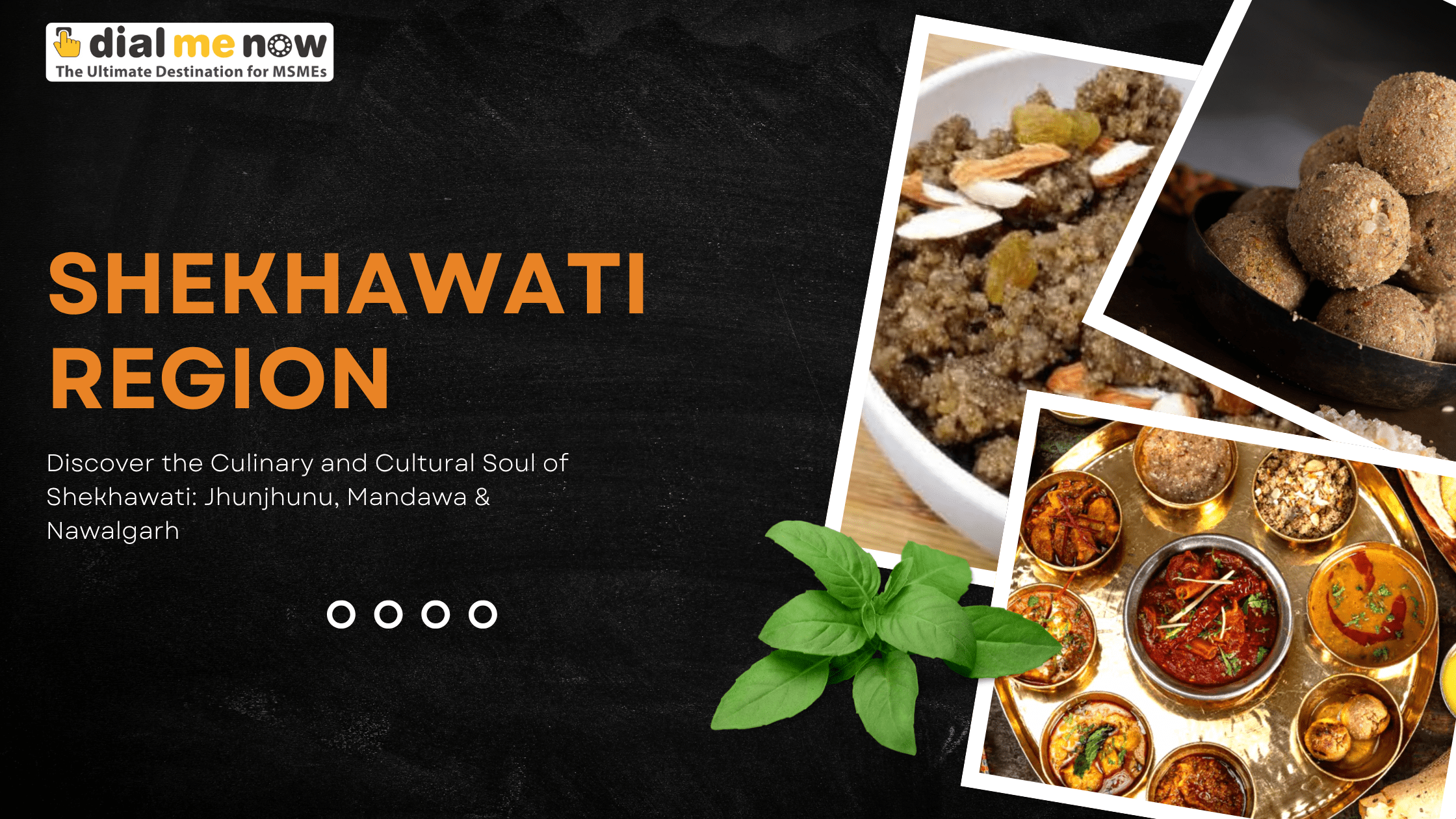
🌾 Introduction: The Artistic & Culinary Land of Shekhawati
Nestled in the semi-arid expanse of northeastern Rajasthan, the Shekhawati region is a living museum of art, culture, and cuisine. Known for its ornate havelis, colorful frescoes, and warm Marwari hospitality, Shekhawati spans major towns like Jhunjhunu, Mandawa, and Nawalgarh.
While most travelers are captivated by the grandeur of Shekhawati’s architecture, there’s another equally enchanting element waiting to be discovered — its cuisine.
Here, food isn’t just a daily ritual; it’s a celebration of tradition, passed down through generations of Marwari households. The simplicity of ingredients like bajra (pearl millet), besan (gram flour), and ghee (clarified butter) transforms into soulful, wholesome dishes that tell stories of Rajasthan’s heartland.
🕌 The Heritage of Shekhawati
🏠 Havelis: Living Museums of Marwari Grandeur
Shekhawati is famously known as the “Open-Air Art Gallery of Rajasthan.” Every street in Jhunjhunu, Mandawa, and Nawalgarh showcases centuries-old havelis adorned with intricate frescoes depicting mythological tales, royal processions, and colonial influences.
Some must-visit havelis include:
- Mandawa Haveli (Mandawa): Now a boutique heritage stay, this haveli features exquisite murals and antique interiors.
- Podar Haveli Museum (Nawalgarh): A well-preserved museum that gives you a glimpse of Marwari lifestyle and artistry.
- Khetri Mahal (Jhunjhunu): Known as the “Wind Palace of Shekhawati,” it reflects Indo-Islamic architecture and offers breathtaking views.
Many of these havelis have been converted into heritage hotels, offering travelers an authentic experience — where one can dine on traditional Marwari thalis in royal courtyards and wake up to the aroma of desi ghee and bajra rotis sizzling on clay stoves.
🍽️ The Heart of Shekhawati: Vegetarian Marwari Cuisine
The Marwari community, known for its business acumen and deep-rooted traditions, has given Shekhawati its signature vegetarian cuisine. Due to the region’s scarcity of water and vegetables, the locals mastered the art of making delicious dishes with minimal ingredients.
Below are the culinary treasures of Shekhawati that every food lover must savor.
🫓 1. Bajra Roti with Churma
At the core of every Shekhawati meal lies the humble Bajra Roti — made from pearl millet flour. It’s hearty, nutritious, and pairs perfectly with ghee and jaggery.
How it’s served:
- Hot bajra rotis are smeared with ghee.
- Crushed into coarse pieces to make Churma, a sweet mix prepared with jaggery, cardamom, and dry fruits.
- Often accompanied by spicy ker sangri (a desert bean delicacy).
👉 This combination represents Rajasthani comfort food at its best — a balanced mix of sweetness, spice, and earthiness.
🧈 2. Besan Ki Roti with Ghee
Besan ki roti, another rustic specialty, is a gram flour-based flatbread rich in protein and flavor. When cooked on a hot griddle and topped with a generous layer of ghee, it emits an irresistible aroma that embodies Marwari kitchens.
Best enjoyed with:
- Garlic chutney (Lehsun ki chutney)
- Fresh buttermilk (chaas)
- Pickles made from raw mango or green chili
This dish is not just a meal but a symbol of sustenance and simplicity. It’s often eaten during long travel days or festive mornings in rural Shekhawati homes.
🍬 3. Gond Ke Ladoo
No Shekhawati feast is complete without sweets, and Gond ke Ladoo is the crown jewel. Made using edible gum (gond), whole wheat flour, dry fruits, and ghee, these ladoos are both nutrient-dense and indulgent.
Fun Fact: Gond ke Ladoo are traditionally prepared in winter months to provide warmth and strength — particularly beneficial in Shekhawati’s cold desert nights.
🍛 The Traditional Marwari Thali of Shekhawati
A Shekhawati-style Marwari Thali is a delightful platter of flavors, colors, and textures — representing the diversity of Rajasthani vegetarian cooking.
Typical components include:
- Bajra Roti / Missi Roti
- Panchmel Dal (five-lentil curry)
- Gatte ki Sabzi (gram flour dumplings in yogurt gravy)
- Ker Sangri (desert bean & berry curry)
- Papad ki Sabzi
- Rajasthani Kadhi
- Churma (sweet crushed roti with ghee and jaggery)
- Buttermilk (chaas)
- Pickles & chutneys
Each element is crafted with locally available ingredients — ensuring minimal waste and maximum flavor. The result is a meal that’s balanced, nutritious, and deeply satisfying.
🧑🍳 Cooking Techniques & Ingredients
What sets Shekhawati cuisine apart is its ingenious use of dry ingredients and traditional methods:
- Sun-drying & preservation: Ingredients like ker, sangri, and dried lentils ensure availability throughout the year.
- Use of ghee: Every dish uses pure cow ghee — enhancing taste and aiding digestion.
- Spice harmony: Unlike heavily spiced dishes, Shekhawati food focuses on aromatic balance using asafoetida (hing), cumin, and turmeric.
- Clay cooking: Many homes still cook on earthen stoves (chulha) — lending a smoky, earthy flavor to the dishes.
🏡 Where to Experience Authentic Shekhawati Cuisine
If you’re visiting Jhunjhunu, Mandawa, or Nawalgarh, here are a few recommended places to try traditional food:
🍴 Heritage Stays & Restaurants
- Mandawa Haveli (Mandawa): Offers authentic Marwari thalis served in antique brass utensils.
- Roop Niwas Kothi (Nawalgarh): Known for its home-style Rajasthani meals and heritage ambiance.
- Piramal Haveli (Jhunjhunu): Managed by Neemrana Hotels, it serves farm-fresh local vegetarian dishes.
- Narayan Niwas Castle (Fatehpur): A royal experience with slow-cooked curries and desserts.
These locations not only offer food but also immersive cultural experiences — folk music, camel rides, and evening chai under frescoed courtyards.
🌿 The Cultural Essence of Marwari Hospitality
Food in Shekhawati is more than just nourishment — it’s an expression of respect and love. A guest is treated as “Atithi Devo Bhava” (Guest is God), and no meal begins without offering the first bite to Lord Ganesha.
Every Marwari household takes pride in feeding guests till their hearts (and stomachs) are full. From the matriarchs kneading dough at dawn to the men serving food with silver ladles, the experience is heartwarming and soulful.
🌸 Travel Tips for Food Lovers
- Visit during winter (October–March) for the best weather and festive feasts.
- Carry cash, as many rural eateries don’t accept cards.
- Respect local customs — remove footwear before entering dining areas in traditional homes.
- Avoid packaged food; try local dhabas or haveli kitchens for authenticity.
- Stay hydrated — desert climate can be dehydrating, even in winter.
📸 Experience Beyond Food
While cuisine is central to Shekhawati’s charm, the region offers much more to explore:
- Mandawa Fort – A regal architectural gem.
- Nawalgarh’s Murarka Haveli – Renowned for fresco artistry.
- Jhunjhunu’s Rani Sati Temple – A major spiritual center.
- Local Bazaars – Famous for silver jewelry, tie-dye fabrics, and handcrafted pottery.
Combine these experiences with your culinary explorations for a complete Shekhawati experience.
❓ Frequently Asked Questions (FAQ)
1. What is Shekhawati most famous for?
Shekhawati is known for its ornate havelis, fresco paintings, and traditional Marwari cuisine. It’s often referred to as the “Open-Air Art Gallery of Rajasthan.”
2. Is Shekhawati cuisine vegetarian?
Yes, Shekhawati cuisine is predominantly vegetarian due to the Marwari community’s cultural and religious beliefs.
3. What dishes should I try in Shekhawati?
Must-try dishes include Bajra Roti with Churma, Besan ki Roti with Ghee, Ker Sangri, and Gond ke Ladoo.
4. Can I find authentic Shekhawati food outside Rajasthan?
Yes, in Marwari restaurants across India and abroad, though the most authentic experience is in the region itself — especially at heritage havelis.
5. What makes Marwari thali unique?
It emphasizes simplicity, nutrition, and balance, using local ingredients and minimal wastage while maintaining a rich taste with ghee and spices.
⚠️ Disclaimer
This article is meant for informational and travel inspiration purposes. The food experiences and restaurant listings are based on publicly available information and traveler recommendations. Menu items or availability may vary by season. Always confirm with local establishments before visiting.
🧭 Final Thoughts
The Shekhawati region of Rajasthan beautifully blends heritage, hospitality, and hearty vegetarian cuisine. Whether you’re wandering through Mandawa’s frescoed havelis or enjoying bajra rotis by a traditional chulha in Jhunjhunu, every corner tells a story — one that tastes as rich as it looks.