

Bundi – The Hidden Gem Where Rustic Rajasthani Food Still Lives Loud
10/10/2025
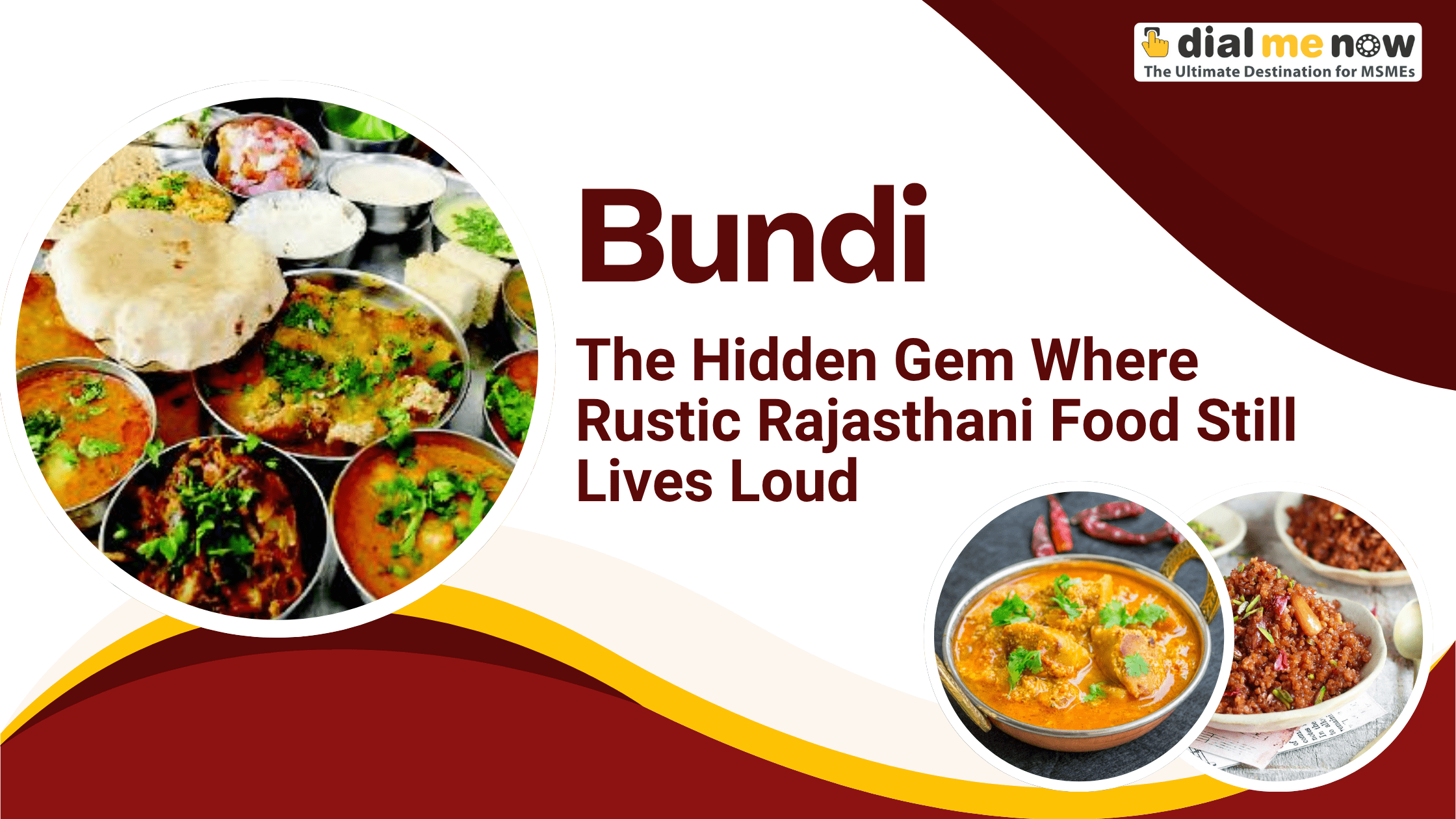
If Rajasthan is a tapestry of palaces and spices, Bundi is the quiet stitch that holds it together. Tucked in the Hadoti region, this little town hasn’t traded its soul for neon boards and fusion menus. Around Taragarh Fort and the main bazaar, food is still cooked like it’s meant to be—slow, earthy, generous with ghee, and proudly vegetarian. This guide is your deep dive into Bundi traditional food—with special love for Laapsi, Besan Gatta Curry, and Bajre ki Khichdi—plus where and how to eat it like a local near the fort and in the bustling market lanes.
1) Why Bundi is a food lover’s “quiet” paradise
Bundi is small enough to feel intimate, historic enough to feel enchanted—its baoris (stepwells), slender lanes, and fort walls are a backdrop to a cuisine shaped by scarcity and sunshine: millet, gram flour, yogurt, and sun-dried essentials power much of the local table. Even today, Raniji ki Baori (Queen’s Stepwell) is the symbol of how the town survived arid years—built in 1699 by Rani Nathavati Ji Solanki, it’s one of Bundi’s most noted stepwells and a reminder of the area’s ingenious water culture.
The skyline is crowned by Taragarh Fort, a 14th-century hill fort whose ramparts and old water systems tell their own story of resilience. Timings commonly fall in the 8–5:30 (or 9–5) window, making it perfect to plan a food walk before or after your visit.
2) Where to eat: near Taragarh Fort & the main bazaar
- Near Taragarh Fort: At the base and along the winding ascent you’ll find modest eateries and dhabas serving hot rotis (often bajra during winter), curd-based curries, and seasonal sabzis. Post-fort descent, look for simple thali joints that advertise “veg thali” with a chalkboard—menus are short and hearty.
- Main bazaar area: This is your best bet for variety without sacrificing authenticity. Expect counters steaming with khichdi, kadhi, and the day’s gatta; sweet shops carry laapsi in the morning/evening or make it to order during festivals.
Pro tip: Ask for “bajre ki roti with chaach (buttermilk)” if you don’t spot khichdi on the day’s spread.
3) The trinity of rustic comfort
Laapsi (sweet dish)
A celebratory dessert from Rajasthan, Laapsi is made from broken wheat (dalia/bulgur) slowly roasted in ghee, then simmered with jaggery (or sugar) and perfumed with cardamom. It’s grainy, glossy, and somehow both homely and festive in one spoonful. In Bundi, you’ll see it appear around pujas, weddings, and winter evenings; many sweet shops in the main bazaar will oblige if you ask. Recipes traditionally center on just a handful of ingredients—dalia, ghee, jaggery, water—proof that comfort doesn’t need complexity.
How to order it locally:
Ask, “Laapsi milegi?” (Can I get laapsi?) and specify gur (jaggery) if you prefer that caramel depth over sugar.
Pairing: A small bowl after a salty thali, or with warm milk if you want a late-evening treat.
Besan Gatta Curry (Gatte ki Sabzi)
Gatta are gram-flour (besan) dumplings—steamed or poached, sliced, then simmered in a tangy yogurt-based gravy tempered with spices. It’s the desert’s genius: a hearty curry without relying on fresh vegetables. In Bundi, gatta often shares thali space with kadhi, dal, and millet roti. The yogurt keeps it light yet deeply satisfying.
How to order it locally:
Look for “gatta” or “gatte ki sabzi” on the thali board. If they ask for spice levels, medium is a safe start.
Pairing: Bajra roti in winter; phulka or jeera rice in summer.
Bajre ki Khichdi
Millet isn’t a trend here—it’s a climate companion. Bajre ki Khichdi blends pearl millet (bajra) with lentils to make a toasty, cozy bowl that locals swear by in winter. It’s comfort food with a nutritional backbone—rich in fiber and minerals. Some places finish it with ghee; others serve it with chaach to keep things light. The dish is widely recognized across Rajasthan and neighboring states as a staple.
How to order it locally:
Ask if they have “bajre ki khichdi today.” If not, request bajra roti with dal to stay in the same rustic lane.
Pairing: A dollop of white butter or spoon of ghee, plus tangy pickle.
4) What a Bundi veg thali typically includes
While every joint has its own rhythm, a Bundi veg thali commonly features:
- One grain (bajra roti/chapati; sometimes rice)
- One lentil (dal or panchmel dal)
- One curd-based curry (kadhi or gatta)
- One seasonal sabzi (could be aloo, beans, ridge gourd; sometimes regional stars like ker-sangri in season)
- Accompaniments: salad, papad, pickle, and sometimes a small dessert like laapsi or halwa
Across Rajasthan, thalis underscore resourcefulness—besan, curd, sun-dried elements, and millet show up again and again, born of the desert’s constraints and now loved for their flavor.
5) Sample one-day food trail in Bundi
Morning (near main bazaar):
Start with poha or kadhi-kachori (if available), then ask a sweet shop for laapsi. It’s often fresh in the mornings on auspicious days; otherwise, they may warm up a batch for you.
Late morning: Taragarh Fort visit
Hydrate with chaach before climbing. The fort’s water systems, old gates, and outlooks make for an atmospheric walk. Plan 1–2 hours.
Lunch (bazaar-side thali joint):
Order a veg thali with gatte ki sabzi and bajra roti. Ask for less oil if you prefer; most places are happy to adapt.
Evening walk (stepwell hop):
Peek into Raniji ki Baori and, if time allows, other baoris—Bundi is stepwell country.
Dinner (simple dhaba near the fort road):
If you spot bajre ki khichdi on the board, that’s your closer. Otherwise, kadhi-khichdi or dal-roti keeps it classic.
6) Practical tips for eating local
- Spice & ghee control: Politely ask for kam teekha (less spicy) or kam ghee (less ghee).
- Freshness window: Laapsi and khichdi are best early or at peak meal times.
- Water: Opt for sealed water bottles.
- Cash-friendly: Small eateries may prefer cash or UPI; carry small change.
- Seasonality: Bajra peaks in winter; in hotter months you’ll see more phulkas and chaach.
7) Frequently Asked Questions (FAQ)
Q1. What are the must-try dishes for a first-timer in Bundi?
Laapsi, Besan Gatta Curry, and Bajre ki Khichdi are the perfect trio to understand Bundi’s soul—grain-forward, nourishing, and full of flavor.
Q2. Where should I go for authentic vegetarian thalis?
Head to the main bazaar area for variety and consistency, or try the fort-road dhabas after visiting Taragarh Fort. Look for chalkboard menus advertising “veg thali.”
Q3. Is Bundi good for vegetarians?
Absolutely. Much of the local menu is vegetarian by tradition—millets, besan, lentils, and curd lead the way.
Q4. What time should I visit Taragarh Fort to pair sightseeing with lunch?
Mornings are ideal—fort timings generally fall around 8/9 AM to 5/5:30 PM, so a mid-day thali in the bazaar post-visit works well.
Q5. Is Laapsi always available?
It’s common during festivals and winter. Ask sweet shops in the main bazaar; many will make a small batch on request. Ingredients are simple—dalia, ghee, jaggery/sugar.
Q6. What’s special about Bundi’s stepwells?
Raniji ki Baori is a multi-storey stepwell (built 1699) and a local icon; Bundi has several stepwells that highlight the town’s water wisdom and community life.
Q7. I don’t like spicy food—what should I order?
Ask for mild gatta, plain dal, bajra roti, and chaach. Most places will tone down the heat on request.
Q8. Any dessert besides laapsi to try?
Look for moong dal halwa in winter, or rabri on festival days—both pop up in bazaar sweet shops.
9) Disclaimer
Local menus, availability (especially laapsi and bajre ki khichdi), and Taragarh Fort timings/fees can change due to season, festival days, or administration updates. Verify details on the spot and follow local guidelines. Facts on Raniji ki Baori, Taragarh Fort, and dish backgrounds reference reputable travel and cuisine sources for context.
Quick Reference (Citations)
- Laapsi basics: traditional dessert with dalia, ghee, jaggery.
- Bajre ki Khichdi: millet-lentil staple across Rajasthan/North India.
- Gatta curry: besan dumplings in yogurt-spice gravy; Rajasthani origin.
- Raniji ki Baori: Bundi stepwell built in 1699 by Rani Nathavati Ji Solanki; multi-storey structure.
- Stepwells in Rajasthan (including Bundi highlights): context and significance.
- Taragarh Fort: 14th-century hill fort; typical visiting hours and fees vary by source.
Final Take
Bundi isn’t a checklist destination; it’s a pace. Let the fort climb earn your appetite. Let a bazaar thali mend your hunger. Finish with a warm spoon of laapsi. And let the old stepwells remind you why this cuisine is the way it is—born of ingenuity, carried by time, and still deliciously alive.