

Sikar – Shekhawati’s Foodie Stop: Bajra Rotis, Panchmel Dal & Legendary Sweets
10/28/2025
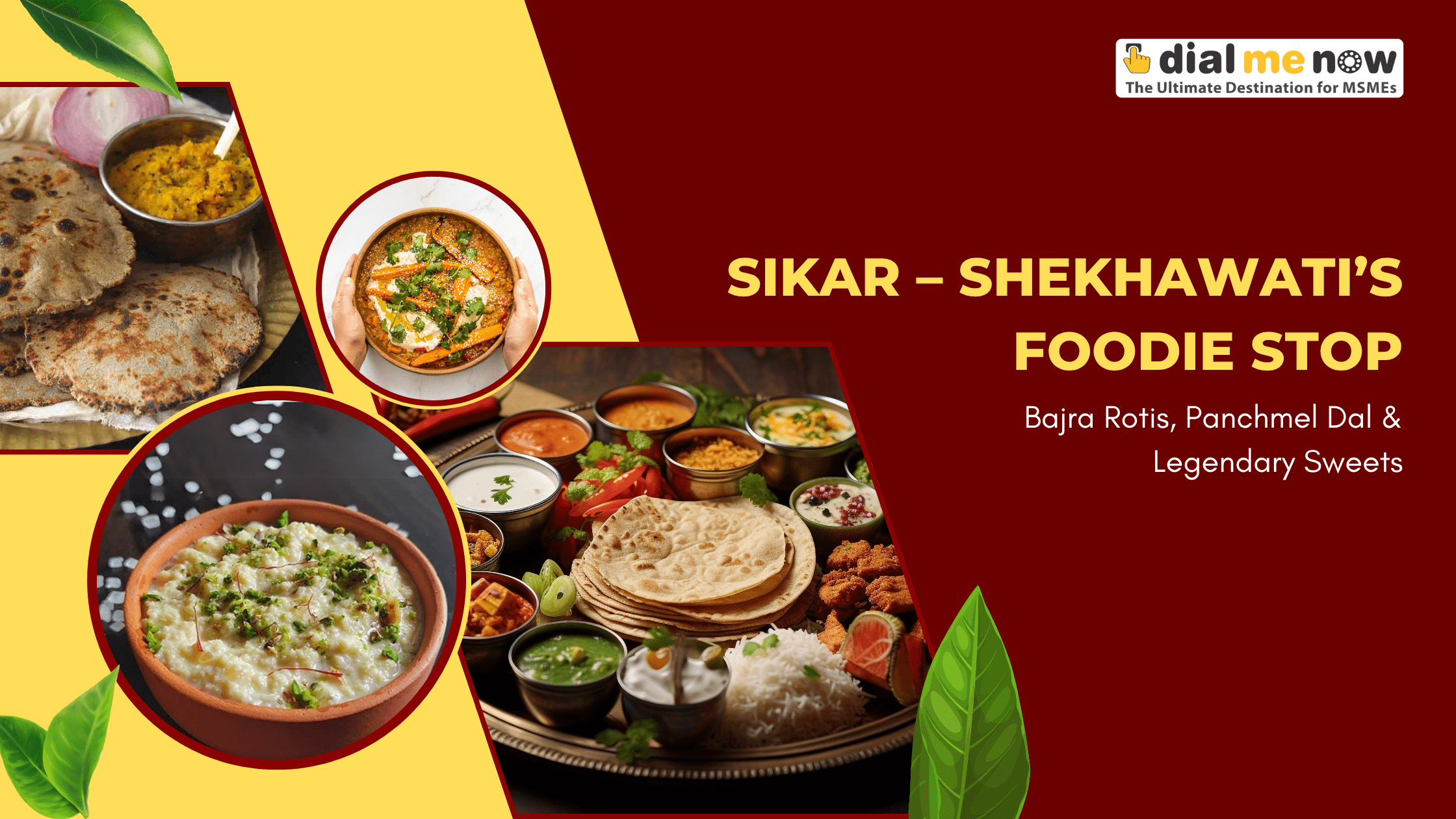
Why Sikar is the Shekhawati Foodie Stop You Shouldn’t Skip
Sikar sits in the heart of Shekhawati—the fresco-filled cultural region comprising Sikar, Jhunjhunu, and Churu—and is an easy, rewarding halt on any Jaipur–Bikaner (or Jaipur–Mandawa–Fatehpur) itinerary. The region’s arid climate shaped a frugal yet ingenious vegetarian cuisine: millet-based breads (especially bajra), robust lentil dishes like panchmel dal, and a mithai culture powered by milk, ghee, and sugarcraft.
Beyond the thalis, Sikar’s main bazaar is dotted with sweet shops selling year-round favorites—kalakand, peda, besan barfi/chakki, laddoos—and seasonal icons like ghevar. Local directories and listings reveal the sheer density of mithai outlets in Sikar city and nearby towns, underscoring its reputation as a sweets hub in Shekhawati.
The Core Plate: What to Eat in Sikar
1) Bajra Roti + Village Sides
If Shekhawati had a signature carb, it’s bajra roti (pearl-millet flatbread). Expect a hearty, slightly nutty bread, traditionally cooked on a hot griddle or over embers and finished with a dab of ghee. Bajra, long adapted to Rajasthan’s climate, is celebrated across the state and is commonly paired with lahsun (garlic) chutney, buttermilk, curd, or rustic sabzis like ker-sangri.
How to enjoy:
- Tear a piece, add a small dollop of ghee, and chase it with a bite of ker-sangri or aloo-pyaaz.
- If you like heat, a lick of garlic chutney gives a smoky punch that bajra loves.
- In winter, bajra feels extra comforting; in summer, pair with chaas for balance.
2) Panchmel (Panchratna) Dal
Panchmel dal is Rajasthan’s protein powerhouse—five lentils simmered to a velvet finish, tempered with cumin, chilies, and ghee. It’s royal enough for a festive table yet practical for daily eating, delivering breadth of flavor without fuss. Many sources also call it panchratna dal and highlight its nutrition and balance.
How to enjoy:
- With bajra or wheat rotis, plus a simple seasonal sabzi.
- Ask for a thali version—bajra roti, panchmel dal, one sabzi, papad, and chaas.
3) Besan Ki Roti / Missi Roti
Besan ki roti (often called missi roti) is a chickpea-flour–forward flatbread, sometimes mixed with whole-wheat flour, onions, green chilies, carom seeds, and coriander. It’s robust, earthy, and typical of North Indian desert and semi-arid traditions where besan is a star.
How to enjoy:
- Pair with a tangy kadhi, a dollop of white butter, or baingan bharta.
- If you like spice, ask for extra ajwain and green chilies in the dough.
Sikar’s Sweet Tooth: What to Try (and Why)
Sikar’s sweet shops reflect the milk-rich traditions of Shekhawati. In addition to classics like laddoos, kaju katli, rasgulla, milk cake, peda, jalebi, and barfi, the region takes pride in mawa/khoya-based sweets that travel well and suit festive gifting.
1) Mawa Mishri (Mishri Mawa)
A traditional Rajasthani (often identified as Jaipuri) specialty, mawa mishri combines reduced milk solids (mawa/khoya) with mishri (crystallized sugar), yielding a rich, grainy-melt texture. It’s popular across Jaipur & Shekhawati hotels and sweet counters, and recipes from Rajasthan-based cooks and food writers keep its legacy alive.
Spot & buy: You’ll frequently see mawa/khoya sweets on Sikar menus and e-shops (from kalakand and mawa barfi to mishri mawa where available). Browse main bazaar counters and local bakeries; variety is the point.
2) Kalakand, Milk Cake & Pedas
With abundant dairying around Shekhawati, kalakand and milk-based barfis are omnipresent. You’ll also see peda variants—plain, kesar, Mathura-style, or “Chirawa peda” inspired by nearby towns—at most counters. Local listings and menus give you a quick sense of what’s trending.
3) Ghevar (Monsoon Favorite)
Although most associated with Jaipur and Teej, ghevar is a pan-Rajasthani icon that you’ll spot in Sikar during festive seasons. Think honeycomb-like fried disc soaked in syrup, topped with mawa and nuts—irresistible when fresh.
4) Besan Chakki (Besan Barfi)
Besan is central to Rajasthani kitchens—savory and sweet. Besan chakki (aka besan barfi) has a loyal following in Shekhawati: slowly roasted gram flour married to ghee and sugar, cut into dense, nutty squares.
Where to Look: Sikar Main Bazaar & Sweet Shop Cluster
If you have limited time, start at Sikar’s main bazaar—a compact walking circuit of mithai counters and snacks. Even a short stroll throws up a dozen names. Local directories highlight many outlets (old and new) within the city and its satellite towns (Ringas, Fatehpur Shekhawati, Khatushyamji, Lachhmangarh, etc.). Use them to triangulate open hours and signature items on the day you visit.
Tip: In festival weeks (Teej, Raksha Bandhan, Diwali), supply sells out quickly. Visit early mornings or pre-book boxes if your hotel or driver has a trusted shop.
Build Your Sikar Vegetarian Thali (DIY)
Here’s a curated vegetarian thali you can assemble from most local eateries:
- Breads: Bajra roti (primary), besan/missi roti (secondary)
- Dal: Panchmel (panchratna) dal
- Sabzi options: Ker-sangri, gatte ki sabzi, aloo-pyaaz, pitod ki sabzi (seasonal availability varies)
- Accompaniments: Papad, garlic chutney (lahsun), curd/chaas
- Sweet finish: Mawa mishri/kalakand/besan chakki with a cup of hot chai
One Day in Sikar: Food Trail Itinerary
08:00 – Breakfast (Old City):
- Bajra roti hot off the tawa with white butter and lahsun chutney; add a light kadhi if available.
11:00 – Sweet Shop Recon (Main Bazaar):
- Sample kalakand slivers; pick up a mixed box (barfi, peda, laddoo). Use local listings to check which counters open early and carry fresh stock mid-week.
13:30 – Thali Lunch:
- Panchmel dal + missi roti + gatte ki sabzi + papad.
16:30 – Tea Break:
- Try besan chakki or milk cake with chai.
19:30 – Early Dinner:
- Bajra roti round two, or a seasonal ker-sangri platter, and finish with mishri mawa if you didn’t earlier.
Seasonal & Climate Notes (Useful for Foodies)
Shekhawati’s climate swings from very hot summers to cool, often breezy winters, with monsoon bringing short bursts of rain. Sikar’s seasonal temperature pattern (hot semi-arid) influences when mithai is made and how it’s stored; in hotter months, shops pivot to sweets with better keeping quality and advise quicker consumption or refrigeration.
Recent regional weather updates often flag quick transitions—sudden cold snaps in winter weeks or heavy monsoon squalls. If you’re planning a bazaar walk, check same-day conditions so you can time indoor/outdoor stops smartly.
Quick Buyer’s Guide: Choosing Good Mithai
- Ask what’s fresh today. Sikar’s volume is high; shops usually have a “made this morning” lineup.
- Prefer seasonal: In monsoon/late summer, ghevar peaks; winter loves mawa-rich sweets.
- Texture check: Kalakand should be moist but not wet; besan chakki should be firm with a clean bite, not greasy.
- Travel tip: For road trips, pick barfis/chakkis/pedas over rasgulla/rasmalai (which need careful cooling).
Responsible & Respectful Eating
- Hydration & moderation: Desert cuisine is rich—ghee and sugar feature liberally. Pace yourself, especially in summer.
- Local livelihoods: Buying mithai from family-run shops supports local economies; many counters employ generations-old halwais.
- Waste mindfully: Ask for half portions or assorted mini-pieces so you can taste more without food waste.
Frequently Asked Questions (FAQ)
1) What is Sikar most famous for in sweets?
Sikar’s milk-based sweets are widely loved—kalakand, mawa barfi, pedas, and during festive windows, ghevar. Many shops also carry mishri mawa (mawa mishri) or variants of it; it’s a classic Rajasthani/Jaipuri preparation you’ll often encounter across Shekhawati counters.
2) Where should I go for sweets in Sikar?
Start at the main bazaar—it concentrates multiple mithai counters in a walkable stretch. Local listings (Justdial, portals dedicated to Sikar) show dozens of options across the city and feeder towns—handy for timings, phone numbers, and popular items.
3) What’s unique about Shekhawati vegetarian food?
It evolved in an arid climate, leaning on millets (bajra), besan, dried beans, curd, and ghee to create filling, flavorful dishes that travel and store well—bajra roti, panchmel dal, gatte/pitod ki sabzi, ker-sangri, and papad-based curries are the stars.
4) Is panchmel dal the same as panchratna dal?
Yes—both names are used for the five-lentil preparation. It’s nutritious, balanced, and pairs beautifully with bajra or missi rotis.
5) What exactly is besan ki roti?
A chickpea-flour roti (often with some whole-wheat flour) kneaded with spices and herbs—earthy, protein-rich, and a classic companion to kadhi or smoky sabzis. You’ll also hear “missi roti” for similar preparations.
6) When is the best time to do a sweet-shop hop?
Morning for freshest trays; festival evenings if you love crowds and variety. In peak heat, check shop timings to avoid mid-day closures and keep your purchases cool.
7) Can I find ghevar in Sikar outside monsoon?
Some shops keep it frozen or make it to order, but monsoon/late summer is prime time. Ask counters about availability that day.
8) Are there good vegetarian restaurants for thalis?
Yes—Sikar is strongly vegetarian. You’ll find Rajasthani thali outlets near transport hubs and bazaars. Check listings and recent menus for the dishes you care about (bajra, panchmel, missi).
9) Do shops pack for travel and out-of-state gifting?
Most do. Even online portals ship barfis, pedas, kaju sweets to/from Sikar. Always ask about shelf life and storage, especially in summer.
10) What if I’m visiting in winter or the monsoon?
Winter mornings are lovely for bazaar walks and hot rotis; monsoon brings ghevar and lush fields but occasional waterlogging—plan your sweet runs around the forecast.
Practical Tips for Your Food Trail
- Cash + UPI: Most counters accept UPI; still keep some cash for legacy outlets.
- Small plates strategy: Buy quarter-boxes or singles to taste more varieties.
- Carry a cooler bag in summer if you’re road-tripping.
- Be early on festival days: Pre-orders help.
- Respect the queue: Bazaar rushes get real—be patient with staff.
Disclaimer
Menu items, prices, and availability change seasonally. Always confirm open hours, fresh stock, and specialties at the shop. If you have dietary restrictions (nuts, ghee, gluten), ask before ordering. Weather can affect bazaar conditions—check local forecasts during monsoon or heatwaves.
Pocket Summary (If You’re Skimming)
- Eat: Bajra roti, panchmel dal, besan (missi) roti
- Sweet Icons: Mawa mishri, kalakand, ghevar, besan chakki
- Where: Sikar main bazaar (dense cluster of mithai counters; check directories for exact locations and timings)
- When: Morning rounds for fresh trays; monsoon for ghevar; winters for bajra feasts.
Call to Action
Planning a Shekhawati circuit? Make Sikar your foodie base. Start with bajra or missi roti and panchmel dal, then walk the main bazaar to build your mithai box—mawa mishri, kalakand, besan chakki, and, in season, ghevar. If you’re booking a custom Sikar food walk or need a curated sweet-shop map, reach out—we’ll tailor it to vegetarian preferences, festival dates, and climate so you taste the best, at the right time.