

Umaid Bhawan Palace: The Majestic Heritage of Jodhpur
7/25/2025
Introduction
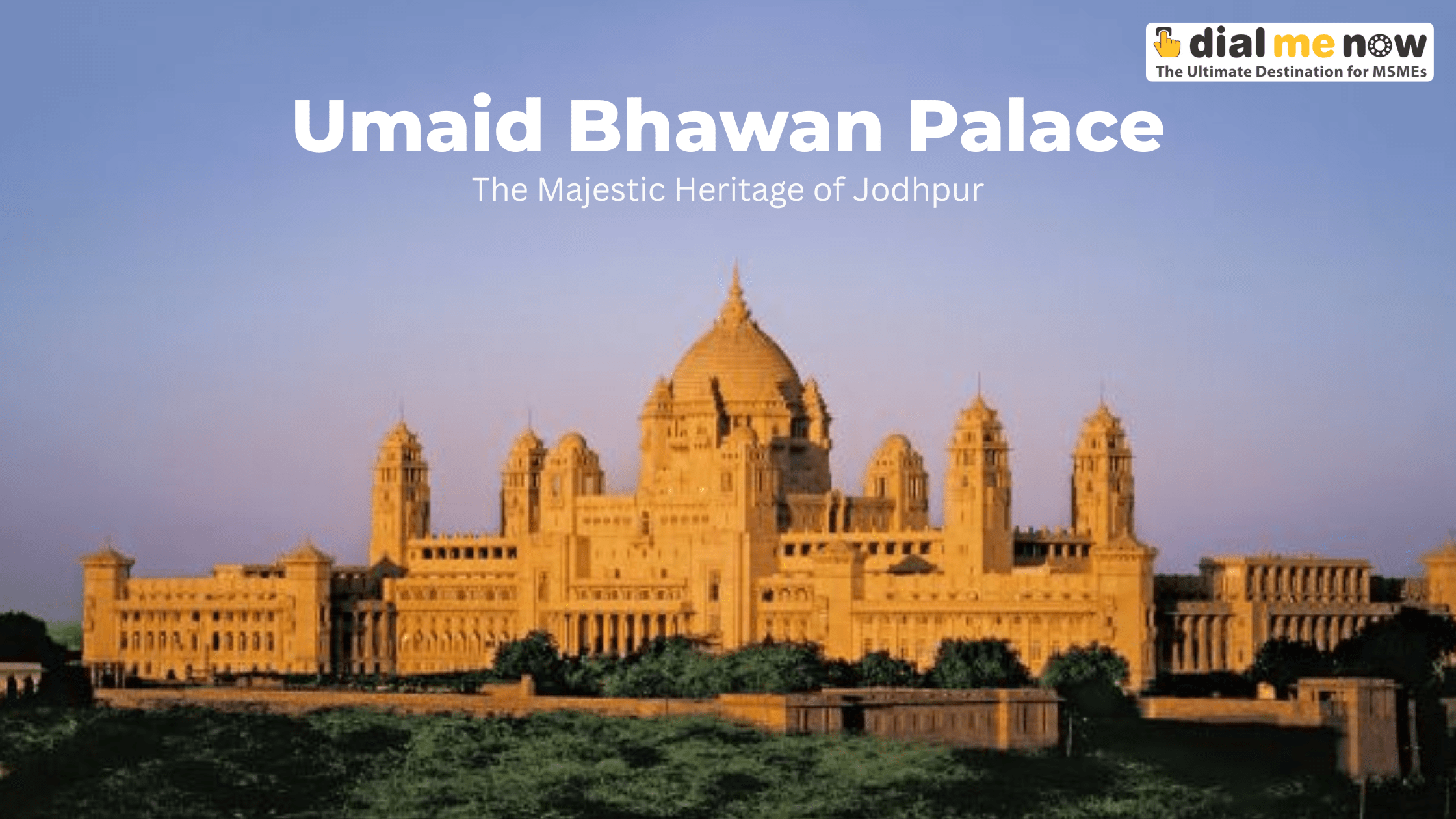
Jodhpur, the Sun City of Rajasthan, is an intoxicating blend of grand palaces, arid landscapes, vibrant bazaars, and tales of royal valor. Amid this regal tapestry lies the crown jewel — Umaid Bhawan Palace. Perched atop the Chittar Hill, this magnificent structure is one of the last major palaces built in the golden age of Indian royalty. Not only is it the private residence of the erstwhile royal family of Jodhpur, it also houses a five-star hotel, a museum, and panoramic views that capture the essence of Rajasthan’s grandeur.
In this blog, we delve deep into the palace’s historic significance, its architecture, cultural richness, visitor guidance, and much more. From its inception born out of a vision to provide employment during a prolonged famine, to its celebration in modern luxuries—it’s a tale as grand as its façade. Let’s journey through stone corridors, timeless galleries, and winding terraces to understand why Umaid Bhawan is more than a monument—it’s a living heritage.
1. Origins & Construction
In the late 1920s, Jodhpur faced a devastating drought and famine. Maharaja Umaid Singh made a humanitarian decision: to build a palace that would provide employment for thousands. Groundbreaking began in 1929, under architect Henry Vaughan Lanchester, who blended Eastern and Western architectural styles.
- Objectives:
- Provide relief employment during famine
- Build a lasting monument reflecting the grandeur of the Maharaja’s reign
- Symbolize modernization and prosperity
After 14 years of painstaking labor, the palace was completed in 1943—just before India’s independence. More than 3,000 laborers and artisans contributed, carving out a structure spread over 26 acres at the hilltop of Chittar. Moreover, its location atop the hill ensured a commanding view of the Blue City below.
2. Architectural Brilliance
2.1 Style & Design
Umaid Bhawan Palace is an exemplary fusion of Art Deco and Rajput architecture—a rare dialogue between East and West. Its brown-chonk (a local sandstone) exteriors shimmer in the sun, set against soaring domes, slender columns, and intricate Jaipur-influenced latticework.
2.2 Structure & Layout
- Ground floor: Serves formal duties—reception, auditorium, dining hall
- First floor: Private royal apartments adorned with satinwood
- Second floor: Smaller rooms for guests or staff
2.3 Important Features
- Triple-arched entrance porch with stained-glass windowpanes
- Ballroom and banquet hall with Art Deco chandeliers
- Grand rotunda illuminated by central skylight
- Courtyard fountains blending Rajasthani and European aesthetics
2.4 Interiors & Furnishings
The palace interiors are adorned with mahogany paneled walls, handcrafted ceilings, and mosaiced marble floors. Many of the furnishings have been imported from England or crafted by local artisans—exuding an aura of timeless elegance.
3. Historical Significance
3.1 A Symbol of Social Responsibility
Built to provide employment, Umaid Bhawan became a model of royal philanthropy in action. Thousands regained livelihoods during one of Jodhpur’s bleakest periods.
3.2 Thewaning of Royal Premises
Post-independence, legal land reform shrank royal privileges across India. The Jodhpur royal family adapted by converting the palace into a heritage hotel, thereby preserving legacy and finances.
3.3 Cultural Resonance & Cinematic Fame
Having hosted British Viceroys, visiting dignitaries, and celebrities, the palace has also appeared in films like The Dark Knight Rises, elevating its popularity globally.
4. The Royal Connection
Even today, Maharaja Gaj Singh II, his wife Maharani Hemlata Rajye, and their family maintain residency in one wing of the palace. Guests stay in the other wing, enjoying royal hospitality. The Maharaja is often present during guest functions and offers personalized insights into the palace’s history, customs, and royal etiquette.
5. Museums & Artefacts
5.1 Umaid Heritage Museum
Open to public daily, the museum holds a carefully curated collection:
- Vintage cars (from Rolls-Royce to Cadillac) – prized possession of the Maharaja
- Portraits and photographs tracing the lineage of Jodhpur’s rulers
- Royal artifacts – personal jewelry, weapons, and ceremonial gifts
- Silver trophies and sporting memorabilia, especially polo trophies
5.2 Highlights
- 1929 Rolls-Royce Phantom I—a museum centerpiece
- Original hunting rifles used by the royal family during safaris
- Handwritten royal correspondence embossed in gold leaf
6. Palace Hotel Experience
6.1 Accommodation
The luxury wing has 64 rooms and suites, each uniquely decorated in themes like Rajasthani art, Art Deco, or Colonial style.
- Garden Suites: Double storey, private lawns
- Heritage Suites: Featuring original 1940s furniture
- Royal Suites: Panoramic views, private butler service
6.2 Dining
- The Pillars Restaurant: Multi-cuisine, breakfast to dinner
- Open-Air Terrace Restaurant: Panoramic views with local Rajasthani fare
- The Verandah Café: Light snacks, teas, and afternoon high teas
6.3 Spa & Wellness
The award‑winning Taj Spa offers Ayurveda, aromatherapy, and deep tissue massages. Additionally, there’s a fitness center, yoga deck, and temperature-controlled pool.
6.4 Services & Amenities
- In-room butler & 24-hour concierge
- Chauffeur‑driven vintage car tour of Jodhpur
- Cultural performances & cooking classes on demand
7. Gardens, Sanctuaries & Cultural Spaces
7.1 Palace Gardens
Set on all sides of the palace, the manicured lawns with fountains offer a sanctuary against the sun-baked city surroundings. Highlights include the Dome Garden and a Rose Terrace.
7.2 Cultural Spaces & Events
- The Auditorium: Seating 200, used for lectures and musical evenings
- Open‑air Amphitheater: Showcasing folk dances and puppet shows
- Guided heritage walks around Chittar Hill and adjacent camel safaris
8. Visitor Guide
8.1 Best Time to Visit
- November to February: Cool days (15–25 °C); ideal for sightseeing
- March to June: Rising heat; but lesser-crowded palace experience
8.2 Getting There
- By air: Jodhpur Airport (15 km away) connects with Delhi, Mumbai
- By train: Jodhpur Junction on broad-gauge lines
- By car: Well-paved roads; ample parking
8.3 Tickets & Timings
- Museum entry: 9 AM – 5 PM (Entrance fee: ₹200 for adults; ₹100 for children)
- Guided tours: ₹500 per person, including vintage car transfer
- Hotel booking: Taj Umaid Bhawan Palace; recommend bookings 4‑6 months ahead
8.4 What to Bring
- Sunscreen, hat, sunglasses (especially March–June)
- Light layers in cooler months
- Camera with zoom (for hilltop view of Jodhpur)
8.5 Things to Do Nearby
- Mehrangarh Fort: 4 km away, one of India’s grandest forts
- Old City & Clock Tower: Handmade crafts, spices, sweets
- Mandore Gardens: Cenotaphs of Jodhpur’s former rulers
9. Local Culture & Surroundings
9.1 Royal Rajasthani Heritage
Jodhpur life is an immersive heritage experience—folk melodies, vibrant turbans, rosy churidar patterns, and flavorful thelas (street vendors). The palace reflects all of this in curated cultural programs.
9.2 Food Culture
Savory local fare includes dal-bati-churma, makhaniya lassi, and sweet pyaz ki kachori. The palace restaurants offer gourmet versions of these while encouraging guests to savor them from street stalls.
9.3 Art & Craft
Nearby bazaars—Sardar, Nai Sarak—buzz with tie‑dye textiles, silver jewelry, leather goods. Traditional block printing studios provide artisan insights and workshops to visitors.
10. Festivals & Events
- Winter Festival (January): Folk musicians, turbans-tying contests, polo
- Kala Utsav: Held at the palace auditorium—folk painting, dance & crafts
- Royal Weddings & Private Soirees: Occasionally the palace hosts lavish events—worth checking for public tickets or packages
11. Conservation & Heritage Efforts
Preservation endeavors include:
- Structural maintenance of sandstone facades
- Restoration of original Art Deco interiors
- Environment-friendly upgrades: Solar panels, LED lighting
- Community employment: Staff mostly from nearby villages, paying homage to the palace’s founding mission
- Collaborations: With INTACH and ASI for documentation and periodic conservation audits
12. Disclaimer
This blog is intended solely for general informational and educational purposes. All details are believed accurate as of July 2025, but may be subject to change. Readers should verify prices, schedules, and availability via official Umaid Bhawan or Taj Umaid Bhawan Palace websites before planning a visit.
13. Frequently Asked Questions (FAQs)
Q1: Is the palace open to day visitors?
Yes. The museum and grounds are open daily from 9 AM–5 PM. Entry doesn’t include the hotel areas or private royal quarters.
Q2: Do we need guided tours?
While self-tour is possible, paying for a guided tour (₹500) includes detailed insights and vintage car access to palace grounds.
Q3: Is photography allowed?
Photography is allowed in museum and gardens, but restricted within hotel accommodation areas and private royal quarters.
Q4: Are children allowed?
Absolutely. Children under 10 enter the museum free of cost.
Q5: What is the best time to experience cultural shows?
Shows are usually scheduled in the evenings (6–8 PM); best time is November to February.