

Mount Abu – Hill Station Flavors (With a Gujarati Twist)
10/8/2025
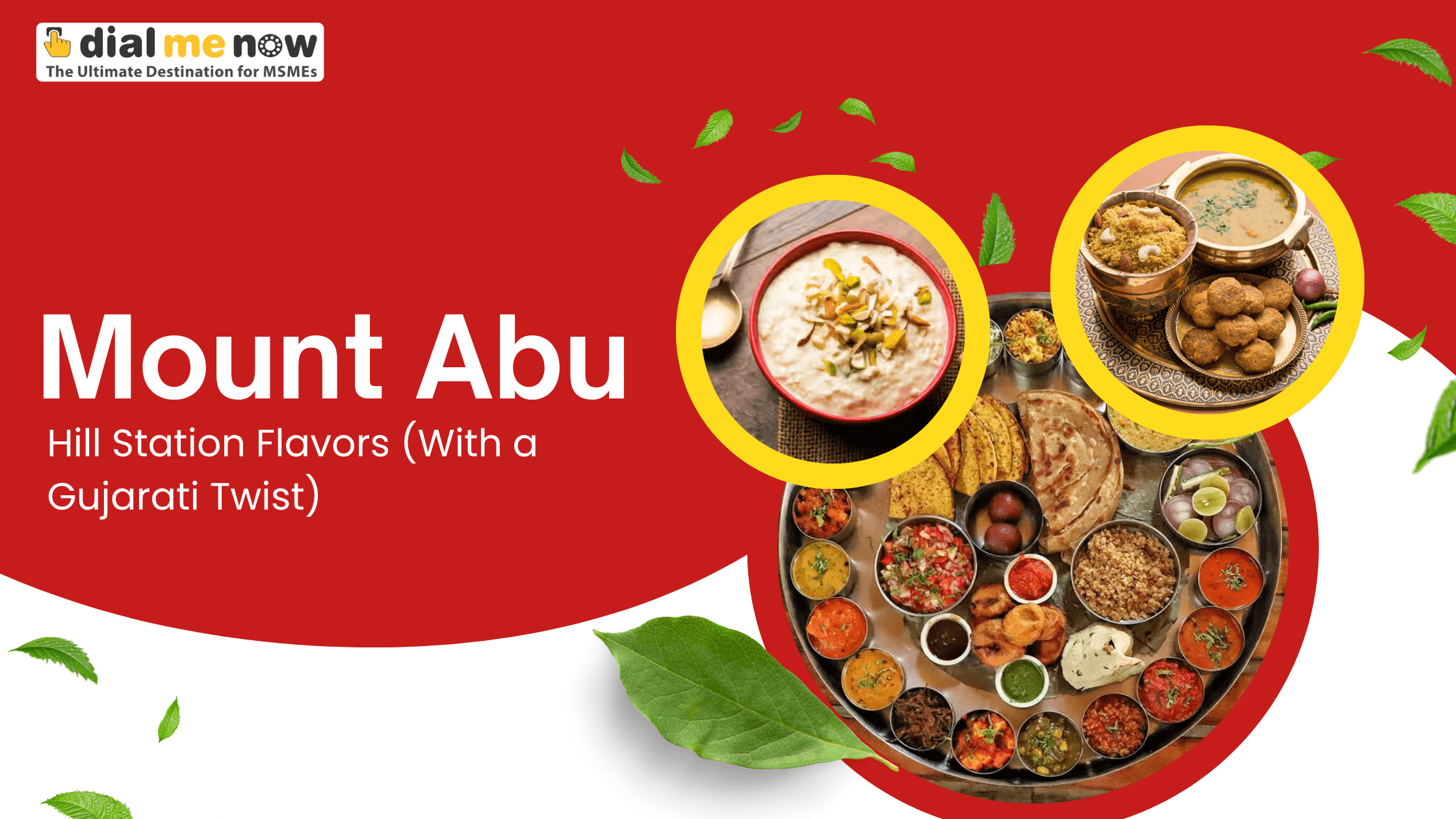
If you think “Rajasthan = desert food,” Mount Abu flips that script. Rajasthan’s only hill station has its own cozy, misty vibe, and its food scene reflects a delicious meeting point: classic Rajasthani staples side-by-side with Gujarati comfort food. Add the laid-back lakeside strolls around Nakki Lake, cool evenings perfect for street snacks, and a rabdi that’s the stuff of travel legend—and you’ve got a veg-lover’s paradise.
1) What Makes Mount Abu’s Food Scene Unique
- Gujarati influence in a Rajasthani hill town: Thanks to proximity to Gujarat, you’ll see thalis blending both cuisines—Rajasthani dal, gatte, ker sangri sitting next to Gujarati kadhi, khichdi, farsan.
- Cool weather, warm carbs: Evenings around the lake invite hot snacks, spicy chaats, and steaming tea.
- Street-side charm near nature: The Nakki Lake loop concentrates stalls, carts, and small cafés—easy to sample a lot in an hour.
- Veg-first ecosystem: While non-veg exists in pockets, Mount Abu is largely vegetarian-forward, with many Jain-friendly kitchens.
2) Key Foods You Shouldn’t Miss
Rabdi (Nakki Lake Stalls)
Ask anyone “where to eat near Nakki Lake” and rabdi pops up instinctively. It’s slow-reduced milk—thick, creamy, lightly sweet—with strands of malai.
How to try it best:
- Go for plain rabdi first to savor the texture.
- Then try rabdi with jalebi or rabdi falooda if you want a crunchy/chewy contrast.
- Ideal time: post-sunset when the air crisps up and the rabdi feels extra indulgent.
Indicative price: ₹70–₹150 per portion depending on thickness, add-ons, and serving size.
Gujarati & Rajasthani Mixed Thali
This is Mount Abu’s edible handshake between neighbors. Expect:
- Rajasthani: dal, baati (sometimes), churma, gatte ki sabzi, ker-sangri, missi roti, papad, laal maas substitutes with veg gravies, chaach.
- Gujarati: sweet-tinged dal or kadhi, undhiyu (seasonal), shaak (sabzi), farsan like dhokla/khandvi, rotli, khichdi, pickle, papad, and a small sweet.
What to look for: - Rotis and khichdi fresh-off-the-tawa, ghee on request, and refill culture (ask politely).
Indicative price: Budget thalis ₹180–₹250; fuller festival thalis ₹300–₹450.
Ice Cream & Street Snacks in Cool Evenings
The hill breeze makes cold desserts surprisingly appealing.
- Ice Cream & Kulfi: Saffron-pista kulfi, mango in season, classic vanilla scoops with hot chocolate sauce.
- Snacks:
- Chaat (aloo tikki, dahi puri, sev puri)
- Bhutta (charred corn with lemon-chilli-salt)
- Farsan crossover: khaman, dabeli, vada pav (Gujarati street vendors commonly make all three)
- Maggi & Sandwich stalls popular with backpackers
Indicative price: Snacks ₹40–₹120; kulfi/ice cream ₹60–₹160.
3) Best Places & Pockets to Explore
Nakki Lake Market (Core Food Loop)
- What you’ll find: Rabdi counters, chaat trolleys, sandwich & Maggi stalls, kulfi pushcarts, and compact cafés.
- How to navigate: Start from the boating area and slowly circle the promenade. It’s flat, walkable, and curated for grazing.
- Pro tip: Crowds surge on weekends and holidays—earlier evenings (around sunset) or late nights (post 9 pm) are more relaxed.
Abu Road Dhabas (Gateway’s Belly)
Abu Road is your foothill highway stopover and a goldmine for value thalis and no-nonsense vegetarian meals.
- What you’ll find: Big-plate thalis, tawa rotis, dal-fry, jeera rice, and kadhi. Farsan and sweets often stocked fresh.
- Why go: If you’re arriving late/early by train or bus, the 24×7 or late-open dhabas keep your options open.
- Jain-friendly note: Many kitchens are happy to cook without onion-garlic on request (Jain preps). Ask early.
4) A One-Day Food Trail (Perfect for Weekends)
Morning (8:30–10:00 am):
- Start light with khaman or poha near the market, plus a masala chai.
- If you’re a sweet-breakfast person, a hot jalebi with plain curd hits the spot.
Late Morning (11:30 am):
- Walk the lake path; save space for lunch. Maybe share a kulfi if it’s sunny.
Lunch (1:00–2:30 pm):
- Go for the Gujarati & Rajasthani Mixed Thali. Ask what’s hot-off-the-tawa: rotis, baati (if being served), and khichdi. Request ghee on the side so you can control richness.
- Hydrate with chaach (buttermilk) or jaljeera.
Sunset (5:45–6:45 pm):
- Park yourself by Nakki Lake. As the temperature dips, try rabdi from a busy stall (faster turnover = fresher).
- If you want a texture duet: share a rabdi-jalebi plate.
Evening Snack Crawl (7:30–9:00 pm):
- Hop between chaat and dabeli/vada pav counters.
- If you want heat in the cold: paneer tikka or piping hot Maggi.
Late Night (Optional, 9:30–10:30 pm):
- Cap it with a second dessert: kulfi falooda or a minimalist pista ice cream.
- Or warm up with adrak-elaichi chai before calling it a day.
5) Prices, Timings & Practical Tips
- Typical budgets (per person):
- Street snacks: ₹120–₹250 for a varied crawl
- Thali lunch/dinner: ₹200–₹450 depending on spread and refills
- Rabdi dessert: ₹70–₹150
- Drinks (chai/chaach): ₹20–₹60
- Timings:
- Nakki Lake stalls ramp up late afternoon → late evening.
- Thali joints: lunch (12–3 pm), dinner (7–10:30 pm).
- Abu Road dhabas often run late; some are near-24×7.
- Hygiene: Choose busy stalls (high turnover), watch water source, prefer sealed bottles.
- Payments: UPI widely accepted, but keep small cash for carts.
- Weekends/holidays: Crowds swell; eat early or be ready to queue.
- Weather: Even in summer, evenings can be breezy. Carry a light layer if you’re staying out late.
6) Vegetarian & Jain Options
- Vegetarian by default: Mount Abu is highly veg-friendly, with plenty of eggless and pure veg kitchens.
- Jain requests: Many cooks accommodate no onion/garlic—ask at order time.
- Low-spice choices: Khichdi-kadhi, moong dal, plain parathas, curd rice (at some places), and simple sabzis are common.
- Gluten notes: Rotis are wheat-based; you can ask for plain rice or khichdi instead. Baati contains wheat—skip if avoiding gluten.
7) Sustainable & Sensible Eating in a Hill Station
- Carry-back culture: Bring a small tote. Reduce single-use plastic cutlery/plates.
- Waste smart: Use dustbins near the promenade; don’t litter the lakeside.
- Respect stall etiquette: Order, step aside, let the next person in—these are tight spaces.
- Wildlife awareness: Avoid feeding animals; it harms them and the ecosystem.
- Local economy: Try at least one meal at a family-run joint—it keeps the craft alive.
8) FAQs
Q1. Is Mount Abu good for vegetarians?
Absolutely. It’s one of the most veg-forward hill destinations in India, with many pure veg and Jain-friendly kitchens.
Q2. Where to eat near Nakki Lake for a quick bite?
Walk the Nakki Lake market loop—you’ll find rabdi stalls, chaat carts, kulfi/ice-cream pushcarts, and small cafés in a tight radius.
Q3. What’s the must-try dessert?
Rabdi at the lakeside. Try plain rabdi first; then upgrade to rabdi-jalebi or rabdi falooda if you like texture contrasts.
Q4. What does a Gujarati & Rajasthani mixed thali include?
Expect Gujarati kadhi/dal, khichdi/rotli, farsan, and Rajasthani dal, gatte, ker-sangri, missi roti, sometimes baati-churma—plus pickles, papad, and a small sweet.
Q5. Are there Jain options?
Yes. Many kitchens prepare no onion/garlic variants on request. Inform them before they start cooking.
Q6. What’s a realistic food budget per day?
₹400–₹900 per person covers a street-snack crawl, a hearty thali, and desserts/tea.
Q7. Are Abu Road dhabas worth stopping for?
Yes—especially if you arrive late/early. They’re reliable for value thalis, fresh rotis, dal-fry, and kadhi.
Q8. Best time to do a food walk?
Sunset to late evening around Nakki Lake for the ambience, cool breeze, and the widest variety of street snacks & desserts.
10) Disclaimer
Food availability, pricing, and timings can change seasonally or due to local events. Street food involves inherent hygiene variations—choose busy stalls, watch water sources, and use your discretion. If you have dietary allergies or restrictions (gluten, nuts, lactose), confirm ingredients with the vendor before ordering.