

Kumbhalgarh Fort: Exploring the Great Wall of India Near Udaipur
7/7/2025
Introduction
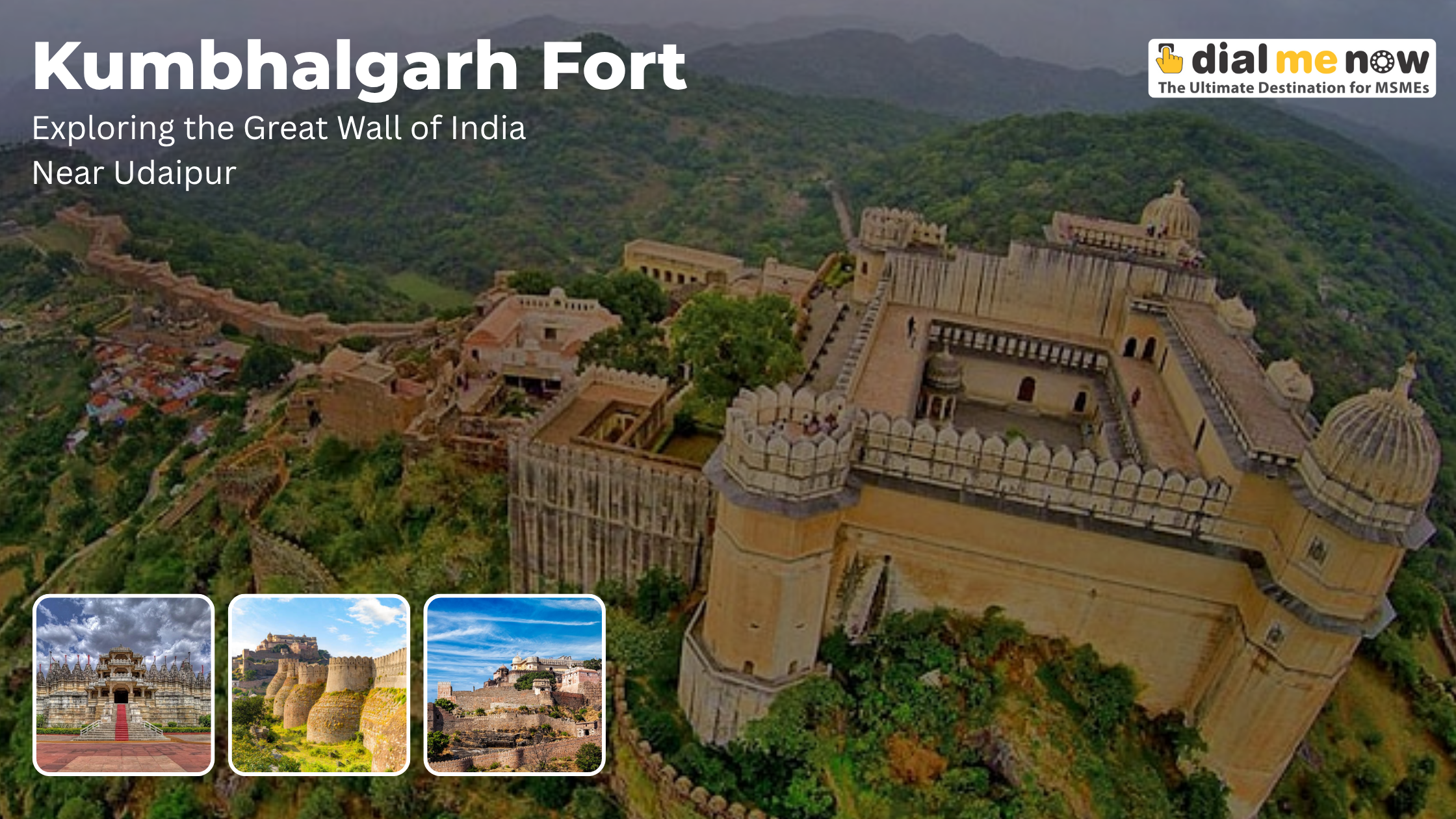
Just 85 kilometers from Udaipur lies one of India’s most formidable and awe-inspiring fortresses—Kumbhalgarh Fort, a UNESCO World Heritage Site and the birthplace of Mewar’s legendary warrior king, Maharana Pratap. Perched atop the Aravalli hills at 3,600 feet above sea level, this 15th-century fort is renowned not only for its strategic significance but also for encasing the second-longest continuous wall in the world, stretching over 36 kilometers—earning it the moniker, “The Great Wall of India.”
Built by Rana Kumbha, Kumbhalgarh Fort served as a military stronghold and safe haven for rulers and their kin during sieges. Today, it stands as a symbol of Rajput pride, architectural brilliance, and unmatched defense engineering.
1) Historical Background
A. Rana Kumbha’s Vision
Commissioned in the 15th century by Maharana Kumbha of Mewar, the fort was designed to be an impregnable military bastion amidst the dense forests of the Aravallis. It is said that it took over a decade to construct and that the original blueprint incorporated Hindu, Jain, and Rajputana influences.
The fort was so well-defended that it fell only once in its entire history—and that too, not by brute force, but due to deception and poisoning of the water supply.
B. Birthplace of Maharana Pratap
Kumbhalgarh holds profound emotional and historical significance as the birthplace of Maharana Pratap, the valiant Mewar king celebrated for his resistance against Mughal expansion and for his victory at the Battle of Haldighati.
2) Architectural Marvel
A. The Wall: India’s Hidden Wonder
The 36-kilometer-long wall, second only to the Great Wall of China, is built with massive stone bricks and stretches across mountain ridges and valleys. It is wide enough for eight horses to ride abreast and features strategically placed watchtowers and hidden passages.
B. Fort Layout
The fort complex comprises seven massive gates and over 360 temples, palaces, step wells, and residential quarters. The design is such that it blends seamlessly with the surrounding landscape, offering excellent vantage points for defense and surveillance.
Key Structures Within the Fort
- Kumbha Palace: A three-story structure built with stone and lime mortar, once the royal residence of Rana Kumbha.
- Badal Mahal (Palace of Clouds): Situated at the highest point in the fort, this palace offers breathtaking panoramic views and features painted chambers with pastel-colored murals.
- Neelkanth Mahadev Temple: A 600-year-old temple dedicated to Lord Shiva, with a massive black stone Shivling.
- Jain Temples: Over 70 temples dedicated to Jain Tirthankaras showcase the religious harmony of the region.
- Baoris and Stepwells: Ingenious water storage systems designed for both monsoon and drought seasons.
3) Strategic Importance
Surrounded by thick forests and built on the edge of the Aravalli range, Kumbhalgarh was the ultimate military refuge. Its inaccessibility, massive wall, and supply of fresh water made it one of the most secure forts of its time.
It served as a safe shelter for Mewar rulers during enemy invasions. Historical records suggest that even the mighty Mughal emperor Akbar could not capture Kumbhalgarh through conventional warfare.
4) Cultural Significance and Recognition
Kumbhalgarh is a revered icon of Rajputana courage and resistance. In 2013, it was recognized as part of the UNESCO World Heritage Site under the “Hill Forts of Rajasthan.” It also serves as a backdrop for cultural festivals, historical plays, and patriotic documentaries.
Each year, the Rajasthan Tourism Department hosts the Kumbhalgarh Festival, a three-day cultural celebration of music, dance, and history that draws artists and tourists from across the country.
5) Best Time to Visit
- October to March: Ideal climate for hiking and exploration
- Monsoon (July–September): Lush green surroundings and dramatic landscapes, but slippery paths
- Festival Season (December): Visit during the Kumbhalgarh Festival for cultural performances and traditional Rajasthani food
6) Entry Timings & Ticket Info
- Timings: 9:00 AM – 6:00 PM daily
- Entry Fees:
- Indian Nationals: INR 40
- Foreign Nationals: INR 600
- Camera Charges: INR 25 for still, INR 200 for video
- Local guides available: INR 300–500 (highly recommended)
7) How to Reach
- From Udaipur: 85 km by road, approx. 2.5 to 3 hours
- By Cab/Taxi: Available from Udaipur for a day trip
- By Bus: Government buses operate up to Kelwara village; from there, local jeeps are available
- By Tour Packages: Several travel companies offer guided day tours
8) Nearby Attractions
- Haldighati: Historic battlefield and Maharana Pratap memorial site, around 50 km en route from Udaipur
- Ranakpur Jain Temple: Architectural marvel located around 50 km from Kumbhalgarh
- Wildlife Sanctuary: Surrounds the fort and is home to leopards, wolves, antelope, and birds—ideal for eco-tourists
- Ghanerao Village: Known for its rural charm, heritage homes, and local crafts
9) Tips for Visitors
- Wear Comfortable Shoes: The fort requires a fair bit of walking and climbing
- Carry Water and Snacks: Limited availability inside
- Start Early: Especially if doing a day trip from Udaipur
- Sunset Point: Badal Mahal is perfect for photography in the golden hour
- Avoid Monsoon Rains: Some paths can get slippery and unsafe
10) Folklore and Legends
A chilling legend speaks of how the fort’s construction initially faced repeated failures until a saint advised that a voluntary human sacrifice be made. A pilgrim offered his life, and the main gate (Hanuman Pol) was built where he was beheaded, while the fort’s entrance marks where his body fell. A shrine stands at both sites even today.
There are also tales of hidden treasures buried beneath certain temples and secret escape tunnels leading out of the fort.
Ideal For
- History Buffs
- Photographers and Architecture Enthusiasts
- Hikers and Adventure Travelers
- Cultural Explorers
Conclusion
Kumbhalgarh Fort is not just a historical monument—it is a timeless fortress echoing with stories of valor, sacrifice, and indomitable spirit. With its massive stone walls, sprawling architecture, sacred temples, and unyielding legacy, it is a must-visit destination for anyone eager to understand the soul of Rajasthan.
Whether you come for the views, the history, or the legends, Kumbhalgarh promises a journey into one of the most epic chapters of India’s past.
✅ FAQs About Kumbhalgarh Fort
Q1. Why is Kumbhalgarh Fort called the “Great Wall of India”?
A: Kumbhalgarh Fort is home to the second-longest continuous wall in the world, stretching over 36 km. This massive structure earned it the nickname “The Great Wall of India” due to its scale and defense capabilities.
Q2. Who built Kumbhalgarh Fort and when?
A: The fort was commissioned in the 15th century by Maharana Kumbha of Mewar. Its construction is credited to architect Mandan and took over a decade to complete.
Q3. What is the historical significance of Kumbhalgarh Fort?
A: It served as a strategic military refuge for Mewar rulers and is the birthplace of the iconic Rajput king, Maharana Pratap. It was known for being nearly impossible to conquer.
Q4. Can visitors explore the entire wall of the fort?
A: While the full 36 km stretch of the wall exists, only select accessible portions can be explored by foot. Some parts go through rugged terrain and are not safe for tourists.
Q5. What are the must-see structures inside Kumbhalgarh Fort?
A: Top attractions include Kumbha Palace, Badal Mahal, Neelkanth Mahadev Temple, several Jain temples, stepwells, and the towering fort walls themselves.
Q6. Is there any entry fee to visit Kumbhalgarh Fort?
A: Yes. Indian nationals pay INR 40, while foreign nationals pay INR 600. Camera charges apply separately. Hiring a local guide (INR 300–500) is recommended.
Q7. How can I reach Kumbhalgarh from Udaipur?
A: It’s about 85 km by road. You can take a taxi, bus (up to Kelwara village), or book a guided tour package for a day trip from Udaipur.
Q8. When is the best time to visit Kumbhalgarh Fort?
A: October to March is ideal for pleasant weather. December is particularly vibrant due to the Kumbhalgarh Festival. Avoid heavy rains during monsoon for safety.
Q9. Is Kumbhalgarh Fort suitable for family visits?
A: Yes. Families, history enthusiasts, photographers, and children with a curiosity for heritage will all find something memorable at the fort.
Q10. Are there any local legends or stories associated with the fort?
A: Yes. A legend speaks of a human sacrifice that was necessary to stabilize the fort’s construction. Shrines mark the places where the head and body of the volunteer pilgrim are believed to rest.