

Exploring Jaswant Thada: The Marble Beauty of Jodhpur
7/21/2025
Introduction
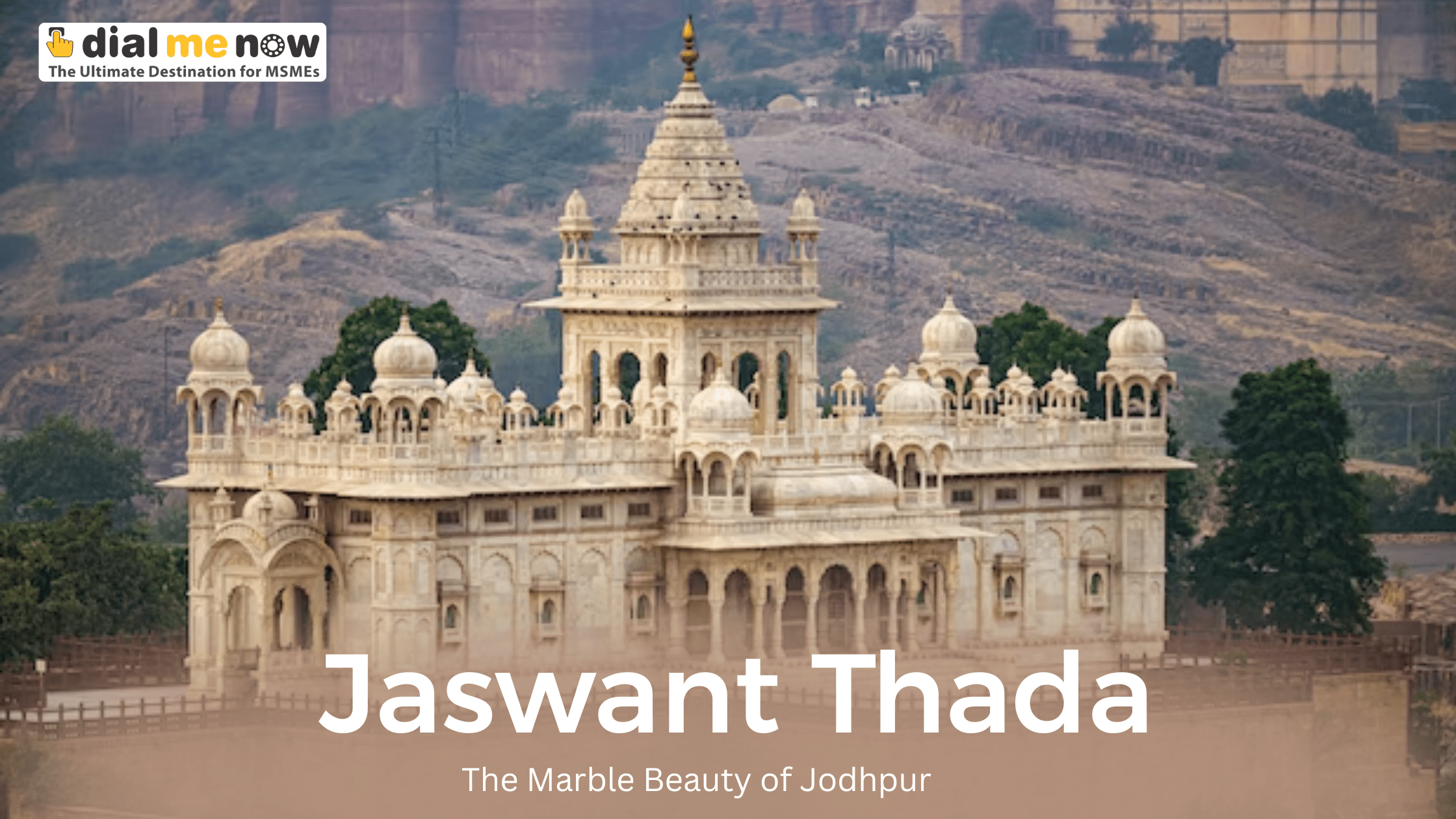
In the vibrant realm of Rajasthan’s majestic palaces, towering forts, and colorful bazaars, Jaswant Thada emerges as a serene marble marvel, often overshadowed by the magnificence of Mehrangarh Fort yet unmatched in its elegance. Built as a cenotaph or “tomb” in 1899 by Maharaja Sardar Singh, this royal memorial honors his father, Maharaja Jaswant Singh II—a ruler celebrated for diplomatic foresight, administrative reforms, and architectural genius.
Nestled mere minutes away from Mehrangarh, Jaswant Thada serves as a symbol of love, remembrance, and architectural finesse. Carved primarily from Makrana marble, its radiant facade glows at dawn and dusk, while tranquil gardens, a reflecting pond, and intricately etched portraits created in marble sheets make it a quiet sanctuary amid Jodhpur’s bustling energy.
This blog dives deep into the historical significance, architectural brilliance, cultural resonance, proper visitor guidance, and local context of Jaswant Thada. Whether you’re planning a trip to Jodhpur or simply curious about regal Indian heritage, join me on this journey through time, art, and devotion that has shaped Rajasthan’s cultural tapestry. By the end, you’ll appreciate why Jaswant Thada is much more than a memorial—it’s a masterpiece echoing royal lineage, artistic legacy, and spiritual calm.
1. Origins & Historical Significance
1.1 Conception & Construction
Commissioned in 1899 as a tribute to Maharaja Jaswant Singh II (1858–1895), who ruled Jodhpur for 40 years, Jaswant Thada exemplifies royal reverence and high craftsmanship. Maharaja Sardar Singh sought a permanent and majestic structure for remembrance, resulting in a stunning white-marble pavilion that blends Indo-Saracenic influences with regional finesse.
1.2 Political & Social Context
Jaswant Singh II was instrumental in modernizing Jodhpur—introducing irrigation systems, public schools, judicial reforms, and administrative reorganization. With his passing in 1895, the very essence of Jodhpur’s golden era seemed to conclude. The cenotaph acted not only as an eternal tribute, but also as a political statement, reinforcing the continuity of the Rathore dynasty through architectural grandeur.
1.3 Contemporary Significance
Over the decades, Jaswant Thada evolved into a symbol of Jodhpur’s regal heritage and cultural identity. Rich in architectural detail, spiritual significance, and scenic beauty, it remains a top attraction for both history enthusiasts and art lovers.
2. Maharaja Jaswant Singh II — Legacy & Reign
2.1 Early Life & Education
Born in 1858, Jaswant Singh II inherited the throne at the tender age of 17. He benefited from British-influenced education and advisors, enabling him to navigate colonial politics while advancing native reforms.
2.2 Administrative & Economic Initiatives
- Irrigation projects converted arid zones into fertile land
- Public education expanded, including schools for girls
- Judiciary was streamlined for impartial justice
- Infrastructure modernization included canals, roads, and rail linkups with Jodhpur State Railway
2.3 Diplomatic Engagement & Honours
He maintained a balanced relationship with the British Raj, earning accolades such as GCIE (Knight Grand Commander of the Indian Empire) and GCSI (Knight Grand Commander of the Star of India), aligning Jodhpur with modern Indian states while preserving sovereign dignity.
3. Architecture & Design
3.1 Materials & Evolution
Primarily constructed from Makrana marble—reputed for its purity and translucent beauty—Jaswant Thada reflects a shimmering glow, especially in morning and evening light. The architects adeptly mixed features of Rajput, Mughal, and Indo-Saracenic architecture to create a harmonious design.
3.2 Layout & Cultural Principles
- Main cenotaph/memorial hall: Elevated marble pavilion with intricate jali screens
- Exterior façade: Ornate domes, arches, and chajjas (overhanging eaves)
- Interior chambers: Sculpted marble portraits of past rulers, semicircular colonnades
3.3 Decorative Elements
- Carved jali screens offer light, ventilation, and visual poetry
- Multi-domed chattris create a sense of rhythm and symmetry
- Marble panels engraved with royal family portraits through delicate chiseling
3.4 Symbolism & Architectural Intent
The Radial symmetry and open pavilions echo Buddhism and Hindu notions of the afterlife and spiritual ascent. The reflecting pool replicates the structure in water, symbolizing the eternal echo of royal memory.
4. Artistic Highlights & Sculptures
4.1 Marble Portraits
Lined along walls, these 11 marble portraits offer an artistic record of Jodhpur’s Rathore lineage, from Rao Siha to Jaswant Singh II, each rendered with realistic depth and regal demeanor.
4.2 Sculpture & Engravings
Delicate floral patterns, classical lotus mandalas, and lotus petals carved into columns and arches demonstrate an exquisite synergy of form and function—beauty infused with spiritual harmony.
4.3 Iconography
Symbols like the sun, lotus, and elephants represent royal authority, purity, and power—further invoking mythological richness aligned with the Rathore dynasty’s identity.
5. Gardens, Reflections & Sacred Pond
5.1 Landscape Design
The structure is center-aligned in a terraced garden, with manicured lawns, rose bushes, and ginkgo trees, creating a meditative ambiance and balanced spatial progression.
5.2 Reflecting Pond
A square marble-framed pond rests in front of the cenotaph, reflecting the structure’s arches and domes—heightening serenity and a mystical sense of doubled reality.
5.3 Pathways & Focal Vantage
Marble steps climb the terraces, leading to higher vantage points offering sweeping views of Mehrangarh Fort and the Blue City—a visual interplay of white and celeste blue.
6. Cultural & Spiritual Role
6.1 Royal Mausoleum Context
In Rajasthan, cenotaphs (chhatris) have been used for centuries to commemorate departed monarchs. Jaswant Thada reinvents the form with full-scale pavilion architecture, elevating its civic and cultural relevance.
6.2 Pilgrimage & Rituals
Though not a temple, the cenotaph attracts daily visitors who offer prayers and incense. On memorial anniversaries, modest ceremonies are held by the royal family.
6.3 Festivals & Artistic Gatherings
Occasional classical music recitals or poetry readings utilize the serene backdrop of the white marble pavilion, creating an ethereal ambiance.
7. Visitor Guide
7.1 Best Time to Visit
- Early Morning (9–10 AM): Soft light enhances marble translucency
- Late Afternoon (4–6 PM): Golden hues bring the structure to life
- India’s winter (November–February): Ideal for exploring nearby Mehrangarh, Jaswant Thada, and surrounding gardens
7.2 Getting There
- By road: Located 1.5 km from Mehrangarh Fort; accessible via tuk-tuk, rickshaw, or taxi
- Entry fee: ₹50 per adult, ₹25 per child (subject to change at state government rates)
- Timings: 9 AM–5 PM daily (confirm current schedule online)
7.3 Accessibility & Amenities
- Stairs: Terraced steps may require moderate effort; wear good footwear
- Facilities: Basic restrooms and drinking water kiosk available at the entrance
- Guides: Local guides (available at ticket booth) offer insightful tours (~₹300–₹500)
7.4 Photography Tips
- Capture reflections in the pond
- Use golden hour lighting to highlight marble glow
- Wide-angle lens for the cenotaph with Mehrangarh in the background
7.5 Nearby Essentials
- Water & snacks: Carry bottled water; light refreshments available outside
- Dress code: Respectful clothing suggested; sleeveless tops may be restricted
- Combine visits: Mehrangarh, Chamunda Mata Temple, and Balsamand Lake make an enriching half-day circuit
8. Proximity & Nearby Attractions
- Mehrangarh Fort (1.5 km away): Majestic citadel with museum, galleries, views
- Chamunda Mata Temple: Purana Mandir atop nearby hill, cool breeze & historic vibes
- Balsamand Lake & Garden: Peaceful waterbody linked to Jaswant Thada walk
- Old City: Blue-painted houses, spice markets, crafts shops, and traditional eateries
9. Events, Rituals & Performances
- Memorial Anniversary (Barsi): Family-led tribute, remembrance rituals
- Cultural Evenings: Occasional classical performances—check local listings
- Photography Walks: Held by tourism boards—capture the cenotaph at dawn
- School Field Visits: Educational guided tours for local students, fostering heritage awareness
10. Conservation & Protective Measures
- Structural Maintenance: Regular marble cleaning to counter pollution-induced yellowing
- Drinking Pond Water Monitoring: Ensures algae-free and bacteria-free environment
- Controlled Visitor Flow: Prevents overcrowding, requests no shoes in interior
- Grounds Management: Garden pruning, pathways upkeep
- Historic Documentation: Archives maintained for marble engravings, with collaboration from ASI
11. Disclaimer
This guide is for general informational and educational purposes. Content is accurate as of July 14, 2025, but fees, timings, and local restrictions may change. Please verify current details via official Jodhpur tourism portals or on-site notices before planning your visit.
12. Conclusion
Jaswant Thada stands as a serene testament to royal remembrance, cultural finesse, and architectural brilliance. Nestled below the fort ramparts of Mehrangarh, this white-marble pavilion offers a peaceful departure from Jodhpur’s vibrant chaos. Through lush terraces, sparkling reflection pools, and exquisitely carved portraits, the cenotaph immortalizes Maharaja Jaswant Singh II’s legacy of reform, diplomacy, and visionary leadership.
More than a monument, it is a confluence of art, spirituality, and history—a fitting symbol of how dynasties honor their past, educate the present, and inspire the future. Whether you’re drawn to photography, art history, royal narratives, or simply seeking a moment of calm in Rajasthan’s colorful world, Jaswant Thada is an essential stop on your journey through Jodhpur’s soul.
13. Frequently Asked Questions (FAQs)
Is Jaswant Thada free to visit?
Entry fee is minimal (~₹50 adult; ₹25 child), collected by state authorities—staff tours cost extra.
Q1. How much time should I spend there?
45 minutes to 1 hour suffices to explore pavilions, gardens, and views; pair with Mehrangarh for half day.
Q2. Is it wheelchair/stroller-friendly?
Terraced stairs limit full accessibility; wheelchair access only up to ticket office—but still worth a visit for views.
Q3. Are cameras allowed?
Yes, you can photograph freely (no tripods). Avoid touching fragile carvings.
Q4. Are there audio guides?
Not official, but local guides offer detailed storytelling; inquire at ticket counter.
Q5. When are cultural events scheduled?
Performances happen during tourist season (Nov–Feb); check with Jodhpur tourism or hotel concierge.