

Chittorgarh Fort: Rajasthan’s Historic Fortress of Heroism
9/5/2025
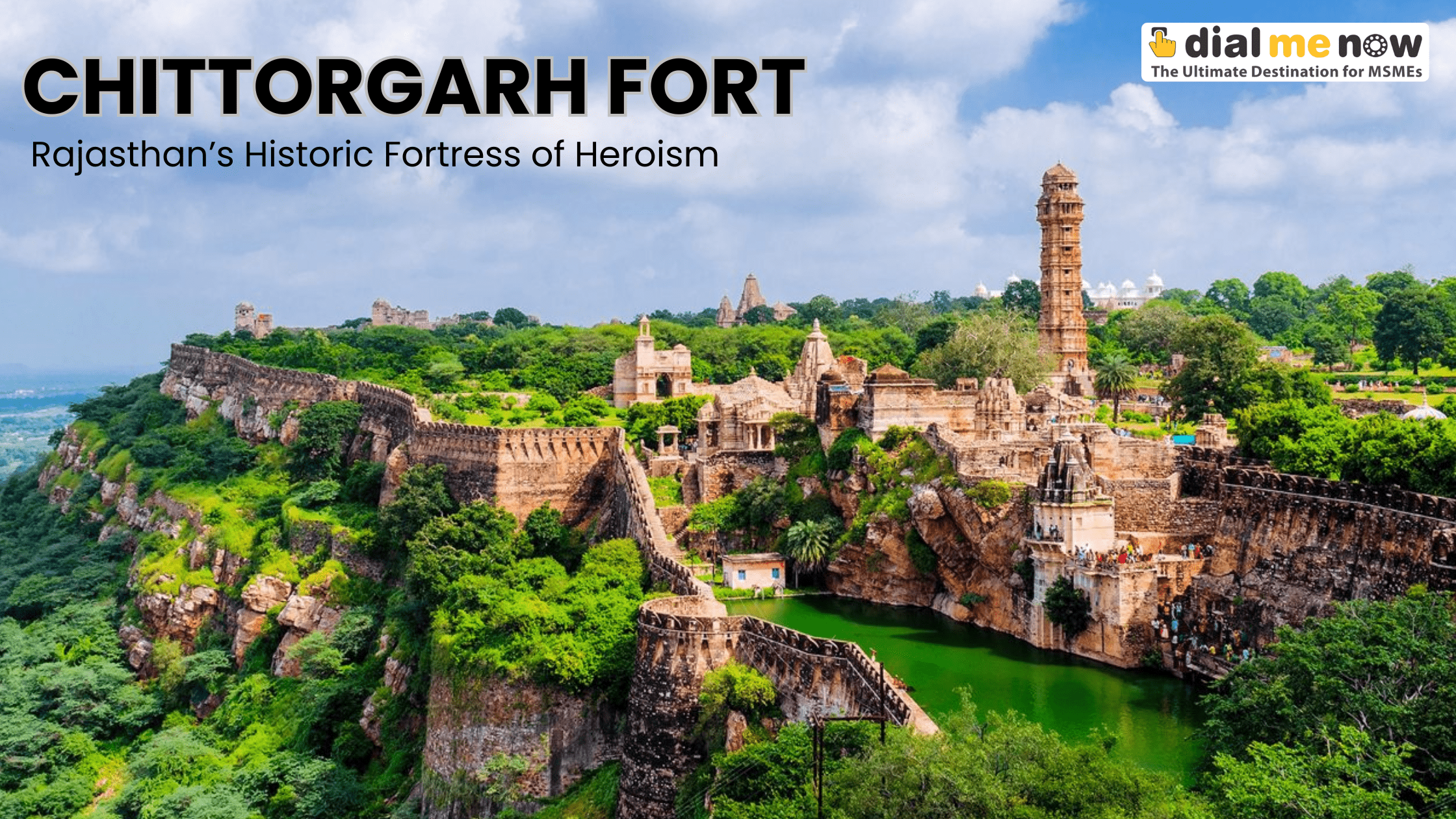
Chittorgarh Fort isn’t just a place you visit—it’s a living chronicle of courage. Spread across a vast hilltop, punctuated by gleaming victory towers and mirror-still reservoirs, it’s where epics of resistance, sacrifice, poetry, and faith are etched into stone. This guide blends history with on-the-ground travel tips so you understand not just what to see, but why it matters—and how to experience it well.
Why Chittorgarh Matters
- A symbol of Rajput valor: Chittorgarh—the former capital of Mewar—has withstood multiple sieges and become synonymous with the ideals of honor and defiance. The fort’s legends (and documented battles) have shaped collective memory across Rajasthan and India.
- A UNESCO World Heritage Site: Recognized within the Hill Forts of Rajasthan serial inscription for its outstanding defensive architecture, water systems, and cultural landscape.
- A city-sized fortress: The complex sprawls over roughly 700 acres atop a ~180 m high hill—more a fortified town than a single monument, with palaces, temples, stepwells, and gates (pols).
A Short, Clear History (with Dates That Matter)
Chittorgarh’s saga is heroic—and often harrowing. Three pivotal sieges define its story:
- 1303 – Alauddin Khalji’s siege: Associated in popular tradition with Rani Padmini and the first jauhar (mass self-immolation) at Chittor; the historicity of Padmini herself is debated in scholarship, but the siege and its catastrophic outcome are well attested.
- 1535 – Bahadur Shah of Gujarat: During the regency of Rani Karnavati, Chittor faced another siege; sources describe a second jauhar on 8 March 1535 as defeat loomed.
- 1567–1568 – Akbar’s four-month siege: The Mughals finally took the fort after heavy losses; chronicles describe large-scale slaughter and a third jauhar. Names like Jaimal and Patta—chieftains who led the defense—still resonate across Mewar.
Chittorgarh remained an emblem of Mewar’s identity even after power shifted to Udaipur in the 16th century. Its ruins aren’t markers of collapse; they’re monuments to an idea: that sovereignty and self-respect were worth defending at any cost.
Navigating the Fort: Gates, Circuits, and Orientation
The ascent into Chittorgarh is itself an experience. You pass a sequence of seven fortified gates (pols) designed to slow invaders and create kill-zones:
Padan Pol → Bhairon Pol → Hanuman Pol → Ganesh Pol → Jodla (Jorla) Pol → Lakshman Pol → Ram Pol (main gate).
Each gate has stone bastions and iron spikes to blunt war elephants; a circular internal road links major monuments.
Suggested visiting circuit (half-day by taxi/auto or a full, slower day on foot):
- Ram Pol arrival → brief stop for views and bearings.
- Rana Kumbha Palace (ruins; associated with Panna Dai saving infant Udai Singh) → Vijay Stambha nearby.
- Samadhishvara Temple and Gaumukh Reservoir (sacred water tank fed by a spring through a cow’s mouth spout).
- Kirti Stambha (Jain tower of fame).
- Padmini Palace (lakeside pavilion associated with the mirror-legend; presented on-site as legend rather than verified history).
- Fateh Prakash Palace Museum (for sculpture, arms, inscriptions; check hours).
If time’s tight, prioritize: Vijay Stambha, Rana Kumbha Palace, Gaumukh, Padmini Palace.
Essential Highlights You Shouldn’t Miss
Vijay Stambha (Tower of Victory)
Commissioned by Rana Kumbha in the 15th century after defeating Malwa and Gujarat, this ~37 m nine-storey tower is thick with inscriptions—genealogies of rulers, donor records, and the architect Jaita’s credit. Climb the interior stairs for commanding views.
Kirti Stambha (Tower of Fame)
Older and slimmer than Vijay Stambha, Kirti Stambha (~22 m) celebrates Jain heritage at Chittor, with intricate carvings and iconography; it’s a superb study in 12th-century stone craft.
Rana Kumbha Palace
Now a poetic ruin near the towers, this palace is tied to Mewar’s crucial legends and episodes—Maharana Udai Singh’s birth and Panna Dai’s fateful sacrifice are part of its lore. Stables, courtyards, and shrines still outline its original plan.
Gaumukh Reservoir & Samadhishvara Temple
A spring pours from a cow-mouth spout into a deep tank that sustained the fort during sieges; the adjacent 11th-century Samadhishvara Temple (to Shiva) shows layers of restorations and eclectic sculptures. Feed the fish at Gaumukh if you like—many visitors do.
Padmini Palace (Legend Site)
This water-ringed palace is tied to the mirror-glimpse story of Padmini and Alauddin Khalji; the Archaeological Survey of India has treated it as legend, and interpretation panels have evolved accordingly. Visit for the setting and to understand how memory and myth shape heritage.
Devotional Legacy: Meera & Kumbha Shyam
Chittorgarh’s Meera Bai associations are palpable. The Kumbha Shyam precinct is linked to the poet-saint’s Krishna devotion and makes a meaningful cultural stop amid the fort’s martial themes.
Culture & Continuity: Festivals and Memory
- Jauhar in memory and ritual: Chittorgarh’s three jauhars (1303, 1535, 1568) remain central to local memory; contemporary retellings and observances around Holi and annual Jauhar Mela events keep that memory alive, though schedules and emphases vary year to year.
- Maharana Pratap Jayanti: Commemorations often include processions and cultural programs in Udaipur–Chittorgarh region; exact Gregorian dates vary by the lunar calendar.
Tip: If you plan your trip around a festival, confirm dates locally since they follow lunar tithis and can shift.
Practical Visitor Guide
How to Reach
- By Air: Fly to Udaipur (Maharana Pratap Airport), then road/rail to Chittorgarh.
- By Train: Chittorgarh Jn is about 6–7 km from the fort and well connected across Rajasthan and major Indian cities.
- From Udaipur: Frequent trains and buses; driving time ~2 hours depending on traffic.
Timings, Tickets & Light-and-Sound
- Fort entry & museum hours vary by season and authority updates. Multiple travel portals advertise 9:00/9:45 AM–5:30/6:00 PM ranges; museum hours typically ~9:30–5:30 PM. Always check locally the week you go.
- Light & Sound Show (RTDC): Indicative tariffs (subject to GST & change): ₹150 (Indian adult), ₹75 (Indian student/child), ₹300 (foreign adult), ₹150 (foreign student/child). Timings are typically evening; confirm at the fort gate or RTDC.
- Entry Fee (indicative): Third-party sites list varying figures (₹30–₹50 for Indians; ₹200–₹600 for foreigners). Because rates change and different sub-sites (fort vs. museum vs. show) have separate tickets, use the official ASI e-ticketing link to verify on your date.
Smart move: Book official ASI entry online (if available for your date) to skip queues—especially on weekends and holidays.
On-Site Logistics
- Getting around inside: The fort is large; hire a local autorickshaw/taxi at the base or main gate for a 2–3 hour circuit with stops. Walking is rewarding, but distances add up in the heat.
- Best time to visit: October–March for pleasant weather. Even in winter, carry water and sun protection. (Summer afternoons can be punishing.)
- Guides: Choose licensed guides near Ram Pol or the ticket area; agree on duration, language, and inclusions beforehand.
Photography & Etiquette
- Drones are generally not permitted without prior authorization; tripods may be restricted in some areas. Respect temple spaces—remove footwear where required and dress modestly.
- Early morning/late afternoon light flatters the Vijay Stambha and Padmini Palace water vistas.
Understanding the Architecture
Defensive Design
The seven-gate climb, switchbacks, parapets with notches for archers, and iron-spiked doors show how Rajput fort design used terrain and engineered choke points to neutralize siege elephants and artillery. A ring road atop the plateau ties palaces, temples, tanks, and towers into a single defensive organism.
Water Intelligence
Dozens of baoris, kunds, and tanks underpinned long sieges; the most iconic is Gaumukh, a perennial spring. This hydrology is one reason UNESCO recognized Chittorgarh.
Sacred & Secular Blend
From the Samadhishvara Shiva temple to Jain shrines (e.g., near Kirti Stambha) and the Kumbha Shyam/Meera precinct, sacred spaces coexist with palaces and assembly halls—reminding you this was a lived-in city, not a barren keep.
A Respectful Take on Jauhar & Legend
Chittorgarh’s fame is inseparable from jauhar and figures like Rani Padmini. Modern historians caution against blurring lore and verifiable events; yet for local communities, these stories are vessels of memory and identity. When you stand at the towers or peer into Gaumukh’s green waters, hold both truths: the discipline of history and the power of tradition.
Sample Half-Day Itinerary (4–5 hours)
- Enter via Ram Pol. Pause for orientation and a panoramic photo.
- Rana Kumbha Palace. Explore the courtyards; your guide can narrate Panna Dai’s story.
- Vijay Stambha. Climb if open; inspect the inscriptions.
- Samadhishvara Temple & Gaumukh. Quiet 15–20 minutes here; it’s atmospheric and cool.
- Padmini Palace. Understand the mirror-legend in context; enjoy the water views.
- Kirti Stambha. Study its carvings; compare with Vijay Stambha.
- Fateh Prakash Museum. Finish with artifacts and period arms (check hours).
Optional Evening: Light & Sound show for a narrative overview (Hindi/English schedules vary).
Responsible Travel Tips
- Hydrate and pace yourself. The plateau is exposed; shade is limited.
- Footwear: Wear sturdy shoes—stone steps can be uneven.
- Respect living heritage: The fort encloses active shrines and local communities. Ask before photographing people.
- Zero litter tolerance: Carry back bottles and wrappers; use designated bins.
- Wildlife & water: Do not enter tanks; feeding fish at Gaumukh is customary but avoid plastics.
Nearby Pairings (If You Have Another Day)
- Kumbhalgarh Fort: Another Mewar stronghold with the famed 36-km wall; a contrasting but complementary experience. (Light & Sound here too.)
- Udaipur: City Palace, Jagdish Temple, and lakes—also tied deeply to Mewar history.
Quick Answers: FAQs
Q1) How long do I need at Chittorgarh Fort?
A: Minimum 3–4 hours for the key circuit; a full day lets you linger at temples and towers (plus the museum). Many visitors hire an auto/taxi inside for efficiency.
Q2) What’s the best season to visit?
A: October–March. Winter light is beautiful; summers are hot and dehydrating.
Q3) Is the Light & Sound show worth it?
A: Yes, especially if you like a narrative sweep before or after sightseeing. Check language, timings, and tariffs the day you arrive.
Q4) Are drones allowed?
A: Generally no without special permits. Always ask at the gate. (Security rules are enforced.)
Q5) How accurate are the Padmini stories?
A: They’re foundational to local lore and identity, but historians treat them as legendary. On-site interpretation now acknowledges this nuance.
Q6) Can I climb the towers?
A: Vijay Stambha access depends on maintenance and crowding; follow staff instructions. Kirti Stambha is usually viewed from outside.
Q7) What are the official tickets and timings?
A: They change from time to time and differ for the fort, museum, and the show. Verify on the ASI e-ticketing page for Chittorgarh Fort and with RTDC for show details.
Q8) Is there a dress code?
A: No formal code, but modest attire is respectful in temples; carry a scarf for head/shoulders if desired.
Q9) Can I do Chittorgarh as a day trip from Udaipur?
A: Absolutely. Trains and buses are frequent; travel time ~1.5–2.5 hours each way depending on mode.
Q10) Which gates will I pass?
A: Expect the classic sequence: Padan, Bhairon, Hanuman, Ganesh, Jodla/Jorla, Lakshman, Ram—a masterclass in layered defense.
Disclaimer
Historical narratives at Chittorgarh blend documented events with oral traditions and later literary works. Where possible, this guide cites primary or official sources for dates and facts (e.g., sieges, UNESCO status, hydrology). Ticket prices, opening hours, and show schedules change—always confirm via ASI’s official e-ticketing and RTDC for the Light & Sound show on your specific date.