

Wild Encounters: Spotlight on Rajasthan’s Wildlife Sanctuaries
5/28/2025
Discovering Rajasthan’s Untamed Heart
When most travelers think of Rajasthan, grand palaces and sun-baked forts come to mind. Yet beyond the pink city of Jaipur and the blue lanes of Jodhpur lies a mosaic of protected parks, reserves, and wetlands where tigers prowl, leopards lurk, and flocks of migratory birds blanket the skies. The term Rajasthan Wildlife Sanctuaries captures this thrilling network of ecosystems—from the dense teak forests of the Ranthambore plateau to the shimmering lakes of Bharatpur. Whether you’re a keen wildlife photographer chasing a tiger’s golden gaze, a birder counting painted storks at dawn, or a family seeking an adventurous yet educational escape, Rajasthan’s wild side offers experiences as varied as its colorful heritage.
Over the last decade, Rajasthan Tourism has invested heavily in conservation and community engagement, transforming scattered reserves into world-class wildlife destinations. With curated safari packages, you can delve into these sanctuaries with expert naturalists, private jeep safaris, and comfortable eco-lodges—ensuring that every roar, rustle, and sunrise is nothing short of unforgettable.
1. Ranthambore National Park: Where Tigers Reign
A Tiger’s Realm
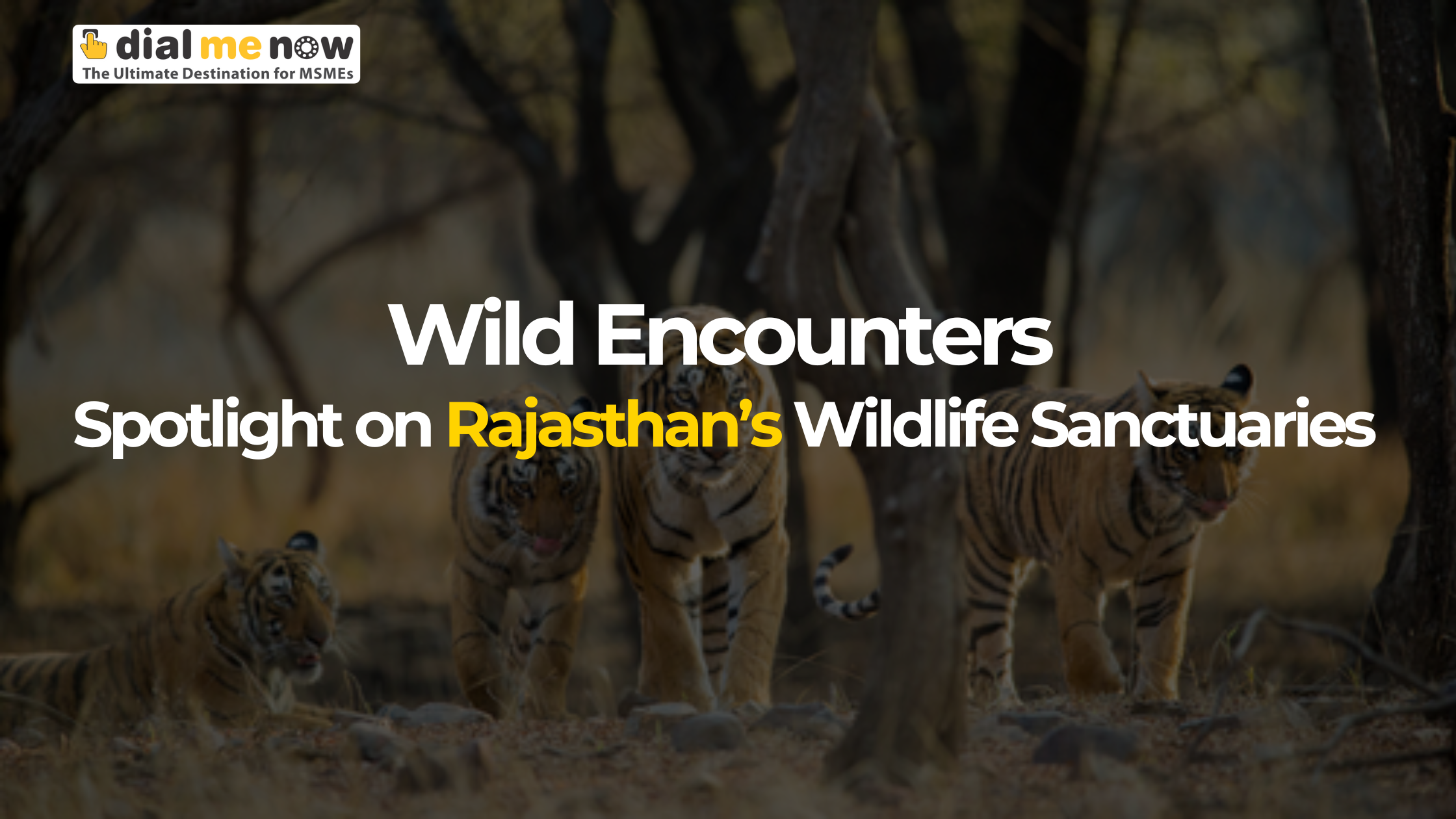
Once the hunting grounds of the Maharajas of Jaipur, Ranthambore National Park (approx. 392 km²) now offers one of the highest-density tiger populations in India. Dawn safaris along dusty tracks winding beneath ancient banyan trees reliably bring sightings of – if you’re lucky – a majesty-on-the-move. Apart from Bengal tigers, Ranthambore supports leopards, striped hyenas, sambar deer, sloth bears, and marsh crocodiles along its Tan -– and Chambal-fed waterbodies.
Safari Logistics
- Best Time to Visit: October to March, when waterholes shrink and wildlife congregates. April–June (pre-monsoon) can be extremely hot, though early-morning drives remain feasible.
- Safari Modes: Open 20-seater “canters” are ideal for groups and birding, while 6-seater jeeps offer intimacy and maneuverability for photography.
- Permit Booking: Advance permits are essential—book through the Forest Department portal at least 4–6 weeks ahead.
- Zones: Six zones (1–6) rotate daily; Zones 1 and 2 usually yield the best tiger activity. Your guide’s local knowledge is invaluable here.
Accommodation & Experience
Ranthambore boasts everything from forest rest houses nestled at the park edge to upscale tented camps like Tigergarh and Sher Bagh. Imagine drifting off to sleep to the distant call of barasingha and waking for a pre-dawn game drive that ends with chai and biscuits by a misty waterhole.
2. Sariska Tiger Reserve: A Royal Resurgence
A Tale of Revival
Sariska Tiger Reserve (approx. 881 km²) occupies the rugged Aravalli hills near Alwar. In 2005, poaching led to a catastrophic local extinction of tigers. Thanks to Project Tiger’s translocation and rigorous anti-poaching patrols, Sariska now sustains a small but growing population of tigers, alongside chital, nilgai, wild boar, and the endemic caracal (Indian desert cat).
Safari Highlights
- Best Time: November to February for pleasant drives; monsoon months (July–September) reveal cascading waterfalls but can restrict access to certain zones.
- Safari Zones: Seven ‘circuits’ carved into Sariska’s rugged terrain. Guides in Gypsy-style jeeps can navigate steep tracks beneath the Sariska Fort ruins (an Old Rajput stronghold).
- Wildlife Spotting: Keep an eye out for leopard pugmarks on dirt roads, and listen for hornbill calls echoing through the ghats.
Beyond the Big Cats
- Kankwadi Fort: Half-submerged when the Kaithal reservoir rises—offers dramatic photo ops and glimpses into local tribal villages.
- Community Interaction: The Meena tribespeople host village walks and pottery demos in nearby Dhwaja, generating income and preserving ancestral crafts.
Sariska packages combine guided safaris with heritage visits to Alwar’s Bala Qila and City Palace, making for a well-rounded Aravalli escape.
3. Keoladeo Ghana (Bharatpur Bird Sanctuary): A Migratory Marvel
Wetland Wonderland
Once the private duck-hunting grounds of Maharaja Suraj Mal, Keoladeo Ghana National Park (approx. 29 km²) is one of Asia’s most important bird reserves. Over 370 species—including painted storks, spot-billed pelicans, and (until recently) Siberian cranes—migrate here each winter. The park’s ingenious canal and sluice system transforms fields into shallow wetlands, creating a living tapestry of islands that teem with waders, waterfowl, and raptors.
Birding & Boat Safaris
- Best Time: November through February, when migratory flocks peak.
- Safari Formats:
- Electric Rickshaws & Cycles: Silent, eco-friendly, perfect for avoiding bird disturbance.
- Boat Safari: A sunrise trip along narrow canals brings you within feet of dabchicks and purple herons.
- Highlights: Watch great thick-knees skulk among water hyacinths, and scan the sky for steppe eagles and black-winged stilts.
Conservation Story
Declared a UNESCO World Heritage Site in 1985, Keoladeo has faced challenges—siltation, water shortages, and the Siberian crane’s local disappearance in 2006. Community-led desiltation drives, rebuilt bunds, and sustainable water-sharing agreements between Rajasthan and neighboring Uttar Pradesh have revived habitat health, drawing flocks of bar-headed geese and tufted ducks each winter.
Stay in heritage homestays within Bharatpur’s old city walls or riverside eco-lodges outside the sanctuary. Birding experts can pre-arrange binoculars, checklists, and bilingual guides to help beginners spot that elusive kingfisher.
4. Desert National Park: Where Sand and Salt Meet
A Unique Ecosystem
Straddling the arid expanse near Jaisalmer, Desert National Park (approx. 3,162 km²) encompasses shifting dunes, saline lakes, and thorn scrub. It shelters the near-threatened Great Indian Bustard, chinkara (Indian gazelle), desert fox, and a host of desert-adapted reptiles.
Safari & Birding
- Best Time: November to February, when days are cool and migratory species like Demoiselle cranes visit the salt pans.
- Exploration Modes:
- Jeep Safaris: Specialized 4×4 vehicles handle soft sand.
- Guided Nature Walks: Led by village trackers who know animal trails carved over generations.
- Key Sights: Khichan village (known for wintering Demoiselle cranes), Sam Sand Dunes (for dune safaris), and Kheechan salt lakes.
Conservation & Community
Villagers and park authorities co-manage grazing rights, ensuring chinkara herds aren’t overhunted. Bustard conservation centers raise awareness, and educational programs in local schools foster pride in preserving this flagship species.
Combine your Desert National Park visit with a camel safari out of Khuri or Pokaran, and end the day with a Manganiyar folk concert under the stars, expertly coordinated.
5. Jawai Leopard Reserve: A Photographer’s Dream
Granite Hills and Big Cats
In the hills north of Udaipur, Jawai Leopard Reserve is renowned for its unusually dense leopard population. Granite tors and riverine woodlands create perfect vantage points for spotting patterned cats lounging on boulders or returning to hunt near cattle enclosures.
Safari Experience
- Best Time: October to March. Evenings and early mornings reveal leopards along the Jawai Riverbank.
- Safari Styles:
- Open Jeeps: Maneuverable and intimate.
- Night Safaris: With local trackers and thermal scopes (where permitted), for after-dusk sightings.
- Complementary Wildlife: Spotted deer, langurs, hyenas, and over 100 bird species including falcons and vultures.
Community & Conservation
The Rabari shepherd community coexists peacefully with predators, offering ironclad testimonials of human–animal harmony. Various packages that include village homestays where you can join in morning milking and hear stories of cohabitation passed through generations.
6. Mukundra Hills Tiger Reserve & Kumbhalgarh Wildlife Sanctuary
Mukundra Hills: A New Chapter
Rajasthan’s youngest tiger reserve, Mukundra Hills (approx. 759 km²), reintroduced tigers from Ranthambore in 2020. Rolling hills, dry deciduous forests, and reservoirs now echo with tiger roars once silent for decades.
- Safari Zones: Two core zones—Darrah and Chhan—to rotate safari entries and minimize disturbance.
- Wildlife: Along with tigers, keep an eye out for Indian wolves, chowsingha (four-horned antelope), and marsh crocodiles.
- Infrastructure: Basic forest lodges offer rustic charm; can also consider upgrading to riverside camps with gourmet Rajasthani catering.
Kumbhalgarh Sanctuary: More Than Forts
Encircling the famed Kumbhalgarh Fort, Kumbhalgarh Wildlife Sanctuary spans nearly 1,000 km² of Aravalli ridges. Jaguars aren’t found here, but you can spot leopard pugmarks, wolves, and the graceful nilgai among its 220+ bird species.
- Trails & Treks: Guided treks to Neemach Mata Temple provide a mix of wildlife and legend.
- Conservation: Community patrols safeguard critically endangered species like the Indian pangolin.
Planning Your Wild Escape: Practical Tips
- When to Go: October through March offers the best weather and wildlife visibility across all sanctuaries. Monsoons (July–September) transform forests but can limit vehicle access.
- Booking & Permits: Advance booking (6–8 weeks ahead in peak season) is crucial. Try to handles forest department permits, safari slots, and inter-park transfers in advance.
- Safari Choices: Decide between group canters (more social, ideal for families) and private jeeps (better for photographers). Night safaris are terrific in reserves that permit them—ask your agent.
- Accommodation Spectrum: From Forest Rest Houses (basic but atmospheric) to luxury tented camps offering plunge pools and spa services. Mix and match to balance budget and comfort.
- Gear & Health:
- Binoculars, DSLR with telephoto lens, and spare memory cards
- Headlamp for evening camps
- Hat, sunscreen, insect repellent, and reusable water bottle
- Responsible Travel:
- Maintain distance—never chase or feed animals.
- Avoid loud music and honking.
- Support local guides and community enterprises to ensure tourism benefits reach village economies.
Conservation & Community: Leaving a Positive Pawprint
Rajasthan’s success in reviving tigers and restoring wetlands hinges on people’s participation. With NGOs and local tribes to:
- Fund anti-poaching squads and training for forest staff
- Support school-driving programs that educate children about local wildlife
- Facilitate eco-tourism ventures—homestays, craft workshops, and forest walks—that provide alternative livelihoods to former poaching communities
By choosing a socially responsible safari, you contribute directly to safeguarding India’s natural heritage for generations to come.
Conclusion: Venture Beyond the Expected
From the regal tigers of Ranthambore to the quiet reedbeds of Bharatpur, Rajasthan Wildlife Sanctuaries offer a tapestry of wild encounters that rival its storied forts and palaces. Each park tells a unique story: of extinction and resurgence, of human–animal coexistence, and of landscapes sculpted by wind, water, and time. Whether you arrive with a camera primed for that perfect tiger portrait or with a spirit yearning for communion with nature, a journey through Rajasthan’s sanctuaries will leave you humbled, inspired, and forever changed.
Let’s craft a bespoke wildlife voyage—complete with expert naturalists, seamless logistics, and responsible tourism practices—so you can focus on this extraordinary encounter with India’s wild heart.
Disclaimer
All content on this blog is provided solely for general informational purposes—while we strive for accuracy, no warranties (express or implied) are made regarding its completeness, reliability, or suitability, and nothing herein constitutes professional advice (you should consult qualified experts before acting); any brand, product, service, company, or trademark names mentioned are the property of their respective owners and are used only for identification without implying endorsement, sponsorship, or affiliation; in no event shall the blog owner, authors, or affiliates be liable for any damages arising from your use of or reliance on this blog.