

Water Heritage & Innovation: From Ancient Baoris to Modern Rain-Harvesting
5/25/2025
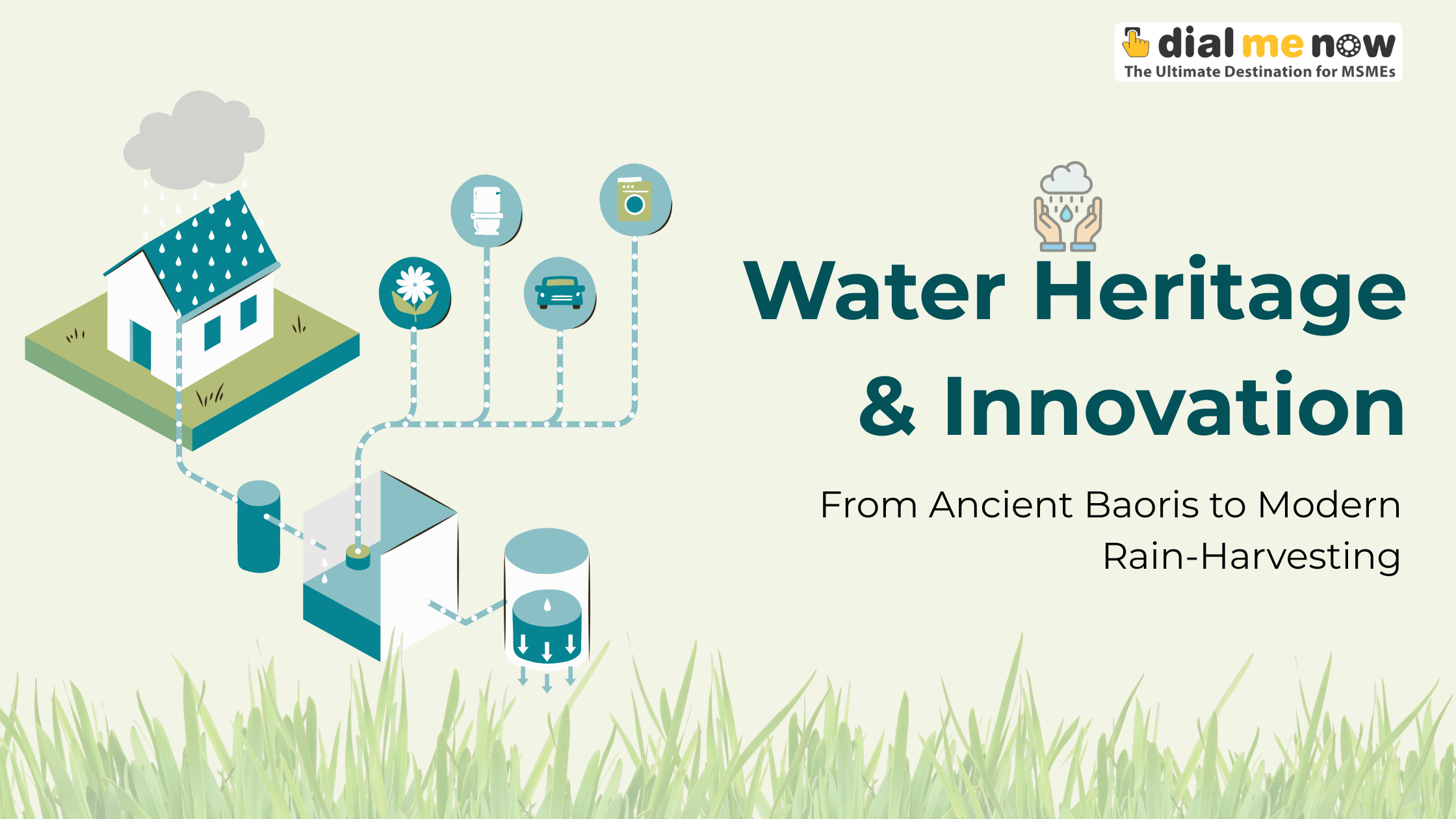
Rajasthan’s arid landscape has long been a canvas for human ingenuity in water management. From the cool, shadowed depths of ancient baoris (stepwells) to the sleek, rooftop rain-harvesting systems of today, the region’s water heritage and innovation reveal a continuous thread of adaptation and community resilience. Whether you’re a heritage enthusiast, sustainability advocate, or simply curious about how desert societies thrive, this guide will immerse you in the engineering marvels of the past and the cutting-edge solutions shaping Rajasthan’s water future—all discoverable through curated experiences.
Unearthing the Past: Ancient Baoris and Stepwells
Long before modern pumps and pipelines, Rajasthan’s rulers and villagers turned to gravity—and geometry—to capture, store, and cool life-giving water. The baori, or stepwell, is much more than a utilitarian reservoir; it’s a social hub, a cooling retreat, and an architectural marvel carved deep into the earth.
-
Design & Functionality
Stepwells like Chand Baori in Abhaneri plunge some 13 stories (over 100 feet) below ground, with symmetrical steps that allow access to water as levels fluctuate. The wide, descending terraces serve a dual purpose: they stabilize the earthen walls against collapse and create shaded landings where travelers, pilgrims, and villagers can rest during the scorching heat.
-
Materials & Craftsmanship
Constructed primarily from locally quarried sandstone, baoris feature intricately carved pillars, niches, and ornate pavilions—testaments to the skill of medieval mason-sculptors. In many, relief sculptures depict deities, local flora, and geometric patterns that also function as vents, regulating air circulation down the shaft to keep temperatures remarkably cool.
-
Cultural Significance
Beyond water access, baoris were centers of community life. Festivals, religious ceremonies, and markets often clustered around these wells. In villages where cattle and humans shared the same source, these communal spaces reinforced social bonds and local governance of water rights.
By visiting restored stepwells through heritage tours, you not only witness impressive feats of engineering—you also step into the rhythms of desert life that revolved around every precious drop.
Community Systems: Johads, Taankas, and Kunds
While baoris captured water deep underground, Rajasthan’s rural communities developed a network of smaller-scale systems to harvest monsoon rains and surface runoff—each tuned to local topography and social structures.
-
Johads:
Earthen check-dams built across seasonal streams, johads slow runoff, allowing water to percolate and recharge aquifers. In Alwar district, the late water conservationist Rajendra Singh revived thousands of johads, transforming degraded lands into flourishing farmland and replenishing wells for hundreds of villages.
-
Taankas:
Lined underground cisterns that store rainwater collected from rooftops or courtyard channels. With capacities ranging from 10,000 to 50,000 liters, taankas ensure year-round household supply. Their subterranean design minimizes evaporation—a critical feature in the Thar’s relentless sun.
-
Kunds:
Sunken, circular ponds carved out of rocky terrain—kunds capture direct rainfall and runoff. Often surrounded by stone steps for easy access, these ponds serve both drinking and ritual water needs, with some linked to nearby temples or shrines.
These community-managed systems underscore a core principle: decentralized, local stewardship of water resources. By collaborating on construction, maintenance, and equitable sharing, villagers forged resilient networks that sustained livestock, crops, and human health even in multi-year droughts.
From Tradition to Technology: Modern Rain-Harvesting Innovations
As pressure on groundwater mounts—driven by agriculture, urbanization, and climate change—Rajasthan has embraced modern rainwater harvesting to augment its centuries-old practices. Today’s systems blend traditional wisdom with engineering advances to maximize capture, storage, and reuse.
-
Rooftop Harvesting & Recharge Wells
Municipal regulations in Jaipur and Udaipur now require new buildings to install rain-gutters, first-flush diverters, and recharge pits. Collected water percolates into deep recharge wells, replenishing aquifers that feed residential borewells and urban lakes.
-
Percolation Ponds & Contour Trenches
On hilly outskirts, contour trenches cut across slopes to slow stormwater, directing it into percolation pits. This reduces soil erosion and ensures hillside recharge—a technique pioneered in parts of Sirohi and Pali districts.
-
Smart Monitoring & IoT Integration
Some forward-thinking communities deploy IoT-enabled sensors in recharge structures and storage tanks. Real-time data on water levels, inflows, and quality help local panchayats schedule maintenance and detect leaks before resources are lost.
-
Policy & Public-Private Partnerships
Under the Jal Jeevan Mission and Atal Bhujal Yojana, state and central governments fund 50–70% of rainwater-harvesting project costs, incentivizing both rural panchayats and urban municipalities. Private enterprises—hotels, schools, and factories—often co-fund larger recharge schemes to offset their groundwater usage.
Water innovation tour, you can visit model sites—such as Jaipur’s Eco Park recharge garden or Udaipur’s rooftop-harvested lakes—and learn first-hand from engineers and local leaders.
Case Studies: Revival in Action
Alwar District’s Johad Renaissance
In the 1980s, Alwar’s famine-stricken villages faced vanishing wells. Spearheaded by Tarun Bharat Sangh, villagers rebuilt over 6,000 johads across hill slopes. As water tables rose by up to 30 feet, agriculture rebounded, and surrounding forests regenerated, supporting wildlife corridors for leopards and native birds.
Jaipur’s Ram Niwas Lake Rejuvenation
Once a drained ornamental pond, Ram Niwas Lake was restored through a combination of silt-removal, peripheral rainwater-harvesting trenches, and bio-filtration wetlands. Today it supplies groundwater recharge for adjacent neighborhoods and hosts migratory bird species—integrating heritage conservation with urban ecology.
Udaipur’s Heritage Lake Series
Udaipur’s iconic lakes—Pichola, Fateh Sagar, and Swaroop Sagar—date back centuries but suffered pollution and drop in levels by the early 2000s. A multi-stakeholder program installed rainwater-capture channels on palace roofs, introduced aeration fountains powered by solar panels, and rebuilt submerged medieval weirs. As a result, water clarity improved by 60%, and tourism numbers have rebounded.
Visiting these sites via tailored itineraries offers insights into both the technical solutions and the human stories driving Rajasthan’s water resurgence.
Implementing Your Own Rain-Harvesting Project
Whether you manage a heritage hotel, run an NGO, or simply own a home in Jaipur or beyond, you can draw on Rajasthan’s proven techniques:
-
Site Assessment:
Engage a hydrogeologist or qualified engineer to map your property’s soil permeability, slope, and runoff patterns. This informs the optimal placement of recharge wells, trenches, or percolation tanks.
-
Scaled Design:
Start small with rooftop-harvesting modules and a recharge pit. Monitor recharge rates and water-level recovery before scaling up to larger community pits or surface ponds.
-
Material Selection:
Use locally sourced stone and sand for percolation structures—both cost-effective and hydrologically compatible with surrounding soils. Incorporate first-flush diverters made from recycled plastic drums to prevent debris from entering recharge systems.
-
Community Engagement:
Involve neighbors or fellow residents’ welfare associations (RWAs) from the outset. Shared responsibility for cleaning, maintenance, and minor repairs ensures long-term viability.
-
Funding & Incentives:
Apply for state grants under the Jal Jeevan Mission, or partner with CSR arms of local corporates seeking to offset environmental footprints. Many banks offer green loans at preferential rates for rain-harvesting infrastructure.
By framing your project as both an environmental benefit and a community asset, you tap into Rajasthan’s legacy of collective water stewardship.
Preserving Heritage While Innovating for Tomorrow
Rajasthan’s water story is one of continuity as much as change. Ancient baoris remind us that ingenuity can flourish amid scarcity, while today’s rainwater-harvesting breakthroughs prove that modern science can amplify traditional methods. As you explore these themes—whether through heritage-site tours, technical workshops, or stay-and-learn packages—you’ll gain not only practical knowledge but also a deeper appreciation for communities that have turned desert survival into an art form.
By bridging past and present, we ensure that every drop is cherished, every innovation is sustainable, and every visitor becomes an advocate for water resilience.
Disclaimer
All content on this blog is provided solely for general informational purposes—while we strive for accuracy, no warranties (express or implied) are made regarding its completeness, reliability, or suitability, and nothing herein constitutes professional advice (you should consult qualified experts before acting); any brand, product, service, company, or trademark names mentioned are the property of their respective owners and are used only for identification without implying endorsement, sponsorship, or affiliation; in no event shall the blog owner, authors, or affiliates be liable for any damages arising from your use of or reliance on this blog.