

Visiting Ajmer Sharif: Spiritual Significance, History, and a Practical Travel Guide
8/25/2025
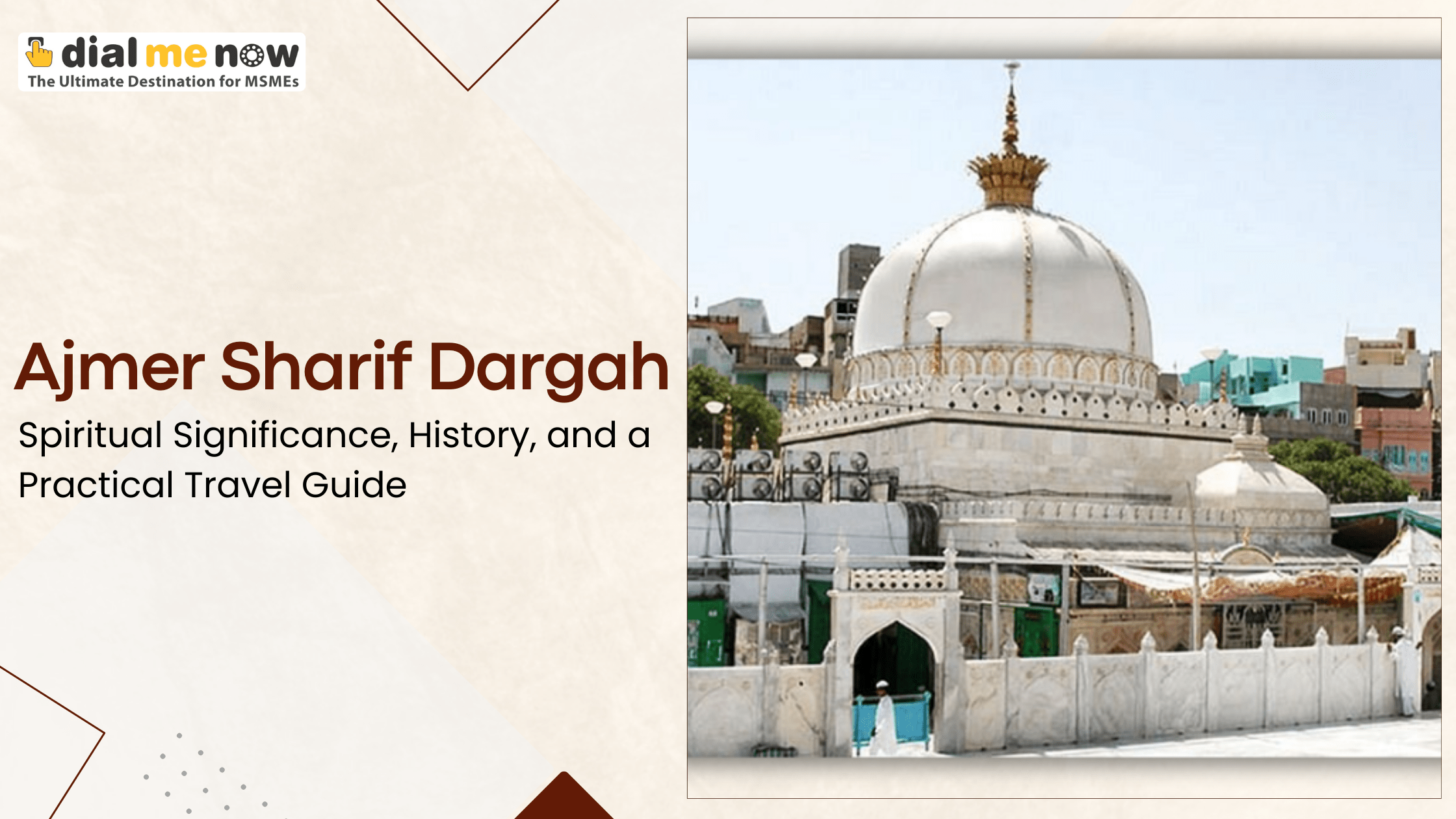
If India has crossroads where devotion, history, music, and everyday life meet in one place, Ajmer Sharif Dargah is one of them. Tucked at the base of Taragarh hill in Rajasthan, the shrine of Khwāja Moinuddīn Chishtī—revered as Gharib Nawaz, “Benefactor of the Poor”—draws seekers across faiths who come to offer a chadar, listen to soul-stirring qawwali, and sit quietly beneath a shining white dome that has watched over pilgrims for centuries.
Below is a complete, visitor-friendly guide that blends the dargah’s spiritual heart with its architectural and historical significance, plus practical tips so your visit is smooth, respectful, and memorable.
Why Ajmer Sharif Matters: The Spiritual Core
Khwāja Moinuddīn Chishtī (c. 1141–1236 CE) is the saint who introduced and established the Chishtiyya Sufi order in the Indian subcontinent, a path known for love, service, humility, and openness. His message radiated care for the marginalized—hence “Gharib Nawaz.” That ethos still shapes the dargah’s daily rhythm: community kitchens (langar), open courtyards, and the easy mingling of people from many backgrounds.
Sufism’s Chishti tradition became one of the most influential in South Asia, emphasizing devotion and closeness to the Divine through music, remembrance, and service. Visiting the dargah is not just sightseeing; it’s stepping into a living tradition that has drawn rulers, poets, and common people for 800 years.
A Short History of the Shrine
After settling in Ajmer in the late 12th/early 13th century, Khwāja Moinuddīn taught and served here until his passing in 1236. His tomb quickly became a center of veneration. In the centuries that followed, Delhi Sultans and Mughal emperors visited, endowed, and expanded the complex. Akbar—who famously walked to Ajmer to pray for an heir—visited repeatedly and made major donations, including one of the colossal degh (cauldrons) still associated with the dargah’s langar. His successors, including Jahangir and Shah Jahan, added mosques and embellishments that give the complex its Mughal splendor.
Today, the dargah is administered by a statutory Dargah Committee created under the Dargah Khwaja Saheb Act (1955) and overseen by India’s Ministry of Minority Affairs—one reason the site’s religious, charitable, and infrastructural functions run at scale for millions of visitors.
The Complex, Gate by Gate (and What Not to Miss)
The White Marble Dome (1532): The sanctum’s dome—white marble capped by a lotus and gilded finial—dates to 1532 and anchors the spiritual heart of the complex. Inside lies the saint’s tomb (ziyarat), approached with deep reverence. Look up at delicate gilding and carved work; outside, you’ll often hear the strains of qawwali in the evening.
Nizam Gate (1911): The striking main gateway with green-and-cream arches was a donation from Mir Osman Ali Khan, the 7th Nizam of Hyderabad, in 1911; it’s the grand entry most pilgrims use today.
Shahjahani Gate & Buland Darwaza: The Shahjahani gate marks Mughal-era expansion, while the older Buland Darwaza—traced to Sultan Mahmud Khalji—stands as a stately sentinel from an earlier period.
Mosques and Halls:
- Akbari Masjid (red sandstone, attributed to Akbar).
- Jami Masjid (1637, Shah Jahan; luminous white marble).
- Sandali Masjid (associated with Aurangzeb).
- Mehfil Khana (assembly hall for qawwals, opened during the Urs).
- Langar Khana (community kitchen).
- Jhalara (a natural water tank used by pilgrims).
Keep an eye out for the Sahn Chirag chandelier and the Begumi Dalaan and Begumi Chabutra linked with Jahanara Begum.
The Legendary Deghs (Cauldrons): Akbar’s massive cauldron—crafted from a seven-metal alloy and transported in parts by elephant—has become the stuff of lore; Jahangir later added a second, smaller one. During special occasions, these vessels symbolize the dargah’s commitment to feeding all.
Living Culture: Rituals, Qawwali, and Urs
Daily life at the dargah centers on prayer, service, and song. At sunset, you may witness Dua-e-Roshni, when caretakers (khadims) carry large candles in a luminous procession. After night prayers, qawwals perform devotional music that feels equal parts concert and communal prayer. Chadar offerings—flower-laden sheets placed at the tomb—are a classic act of devotion.
The most important annual event is the Urs—the saint’s death anniversary—observed in the Islamic month of Rajab (dates vary each year). The Jannati (Bihishti) Darwaza opens only on select days during the Urs, and crowds swell dramatically, with pilgrims of many faiths visiting. If you plan to attend, book early and be prepared for dense foot traffic around the lanes.
Who Visits? (Short Answer: Everyone)
Ajmer Sharif has long attracted Muslims and Hindus alike, and today welcomes people across faiths and nationalities. Mughal emperors, sultans, poets, and modern public figures have all paid respects here. The welcoming ethos—langar for all, open courtyards, no entry fee—keeps the spirit of service very much alive.
Practical How-To: When to Go, What to Wear, What to Expect
Timings & Best Time to Visit
- Daily timings: The dargah typically opens very early (around 4–5 am) and closes by night (~9–10 pm), with short midday closure for khidmat (internal service). Timings vary by season, festival, and internal schedules. Arrive at dawn or after sunset for a cooler, more contemplative experience.
- Best time overall: Year-round is fine, but the Urs in Rajab has special significance (also the largest crowds). Winters (Nov–Feb) are pleasant; summers are hot—pace your visit accordingly.
Dress Code & Etiquette
- Head covering is expected for all—carry a scarf/handkerchief; modest clothing is the norm. Shoulders and knees should be covered. Remove footwear where required.
- Photography: Policies have tightened over time—no cameras inside the sanctum, and restrictions may apply within the complex. Even if phones are allowed, be mindful and avoid photographing the inner tomb or other worshippers.
- Bags & security: Expect checks at gates. Large bags are discouraged; there’s a cloakroom near the entrance (nominal fee). Keep valuables minimal; the lanes get very crowded.
- Offerings: A chadar and flowers are traditional; buy from reputable stalls. If you’re unfamiliar with rituals, a licensed khadim can guide you—politely decline unsolicited “services.”
Getting There (Air, Rail, Road)
- Nearest airport: Kishangarh (KQH), roughly ~30–36 km from Ajmer; it drastically shortens the trip compared with Jaipur. Jaipur International Airport is about ~130 km away.
- By train: Ajmer Junction is a busy node with wide connectivity across India; the dargah is about 2 km from the station—take an auto-rickshaw or on-foot if you travel light.
- By road: Ajmer sits on key Rajasthan corridors; buses and cabs are easily available from Jaipur, Udaipur, Jodhpur, Delhi, and Agra.
Local tip: From Kishangarh airport or Ajmer station, use prepaid taxis/official counters where possible to avoid haggling.
A Half-Day Heritage Walk (Add a Day Trip to Pushkar)
- Dawn at the Dargah: Arrive early to beat heat and crowds. Offer a simple chadar and spend time in quiet remembrance.
- Adhai Din Ka Jhonpra: A short hop away, this early structure—long associated with a former Sanskrit learning site—shows layered stonework and history.
- Ana Sagar Lake Promenade: Clear your head with a lakeside stroll and tea.
- Taragarh Fort (Afternoon): Ride or hike up for sweeping views of Ajmer and the Aravallis; the hill fort’s Chauhan-era origins and later Mughal history make a great counterpoint to the Sufi core you started with.
- Evening Qawwali Back at the Dargah: Return for Dua-e-Roshni and music.
Bonus day: Pushkar—the holy lake and Brahma Temple—lies ~15 km away by road; combine Ajmer’s Sufi vibe with Pushkar’s distinct devotional mood.
Food & Bazaars
The lane leading to the dargah is famous for street food, craft stalls, and gota work. Snack light before entering; after your visit, circle back for Rajasthani sweets, savory kachoris, and a chaska of spiced tea. As always where crowds gather, keep an eye on your pockets and choose clean, popular stalls.
Architecture Nerd-Out (You’ll Notice These Details)
- Indo-Islamic blend: Look for Persianate arches beside local stonework and Rajasthani flourishes in jalis and floral motifs.
- Marble & silver: Shah Jahan’s touch is evident in the Jami Masjid’s white marble and the mother-of-pearl and silver elements around the cenotaph canopy.
- Gate sequence: From the Buland Darwaza (Khalji-era) to the Shahjahani and Nizam gates (1911), you literally walk through centuries as you approach the sanctum.
Responsible, Safe, and Respectful Travel Tips
- Hydration & sun: Rajasthan sun is real—carry water, a cap (for outside), and a light scarf (for inside).
- Follow on-site instructions: Marshals and signage manage flow, especially during the Urs. Stay patient.
- Stay updated: As with any centuries-old monument, occasional maintenance or safety advisories may affect access—glance at local news or official notices before you go.
FAQs
1) Is there an entry fee?
No. Entry is free, donations are voluntary.
2) What are the dargah timings?
Plan for early-morning opening (around 4–5 am) and evening closing (~9–10 pm), with a brief khidmat closure midday. Timings can shift by season and festival—check locally on the day you visit.
3) Do I need to cover my head?
Yes—out of respect, both men and women should cover their heads inside the complex. Modest clothing is expected.
4) Are women allowed inside?
Yes. Women can enter the dargah and offer prayers; modest dress and head covering apply.
5) Can I take photos?
Not inside the sanctum. Policies vary elsewhere in the complex; when in doubt, ask a caretaker and avoid photographing worshippers.
6) What is the Urs and when does it happen?
Urs is the saint’s death anniversary, observed during Rajab (Islamic lunar calendar). Dates change annually; the Jannati (Bihishti) Darwaza opens on specific days during the Urs.
7) How do I get there fastest?
Fly to Kishangarh Airport (KQH) (about 30–36 km from Ajmer), or to Jaipur (about 130 km) and continue by road/rail. Ajmer Junction has excellent rail links.
8) What about bags and lockers?
Use the cloakroom at the entrance for larger items (small fee); avoid bringing valuables into the lanes.
9) Can non-Muslims enter?
Yes. The dargah welcomes people of all faiths who come respectfully.
10) What else can I see nearby?
Adhai Din Ka Jhonpra, Ana Sagar Lake, Taragarh Fort, and the holy town of Pushkar (about 15 km).
Quick Orientation for First-Timers (Step-by-Step)
- Approach: Enter via Nizam Gate; follow crowd flow and signage.
- Shoes & headgear: Deposit footwear where instructed; cover your head.
- Offering: A simple chadar or flowers is customary. If you accept assistance from a khadim, agree on a modest offering upfront; avoid pressure tactics.
- Sanctum: Maintain silence; phones/cameras away.
- Sit a while: Let the atmosphere work on you; if you’re there at sunset, stay for Dua-e-Roshni and the qawwali.
One Last Word on Governance & Care
The shrine’s scale means complex logistics—sanitation, safety, crowd control, and restoration. A government-constituted Dargah Committee administers the site, and local news occasionally notes maintenance advisories. Checking for updates before you go is smart, especially during monsoons and the Urs.
Disclaimer
Religious protocols, entry/photography rules, and timings at Ajmer Sharif can change without prior notice—especially around the Urs, VIP visits, or maintenance. Treat all rituals and spaces with respect; always follow on-site directions from officials and shrine caretakers. Distances, travel times, and access details in this guide are approximate and may vary due to traffic, weather, or local regulations