

Udaipur – The City of Lakes & Lakeside Cafes
9/26/2025
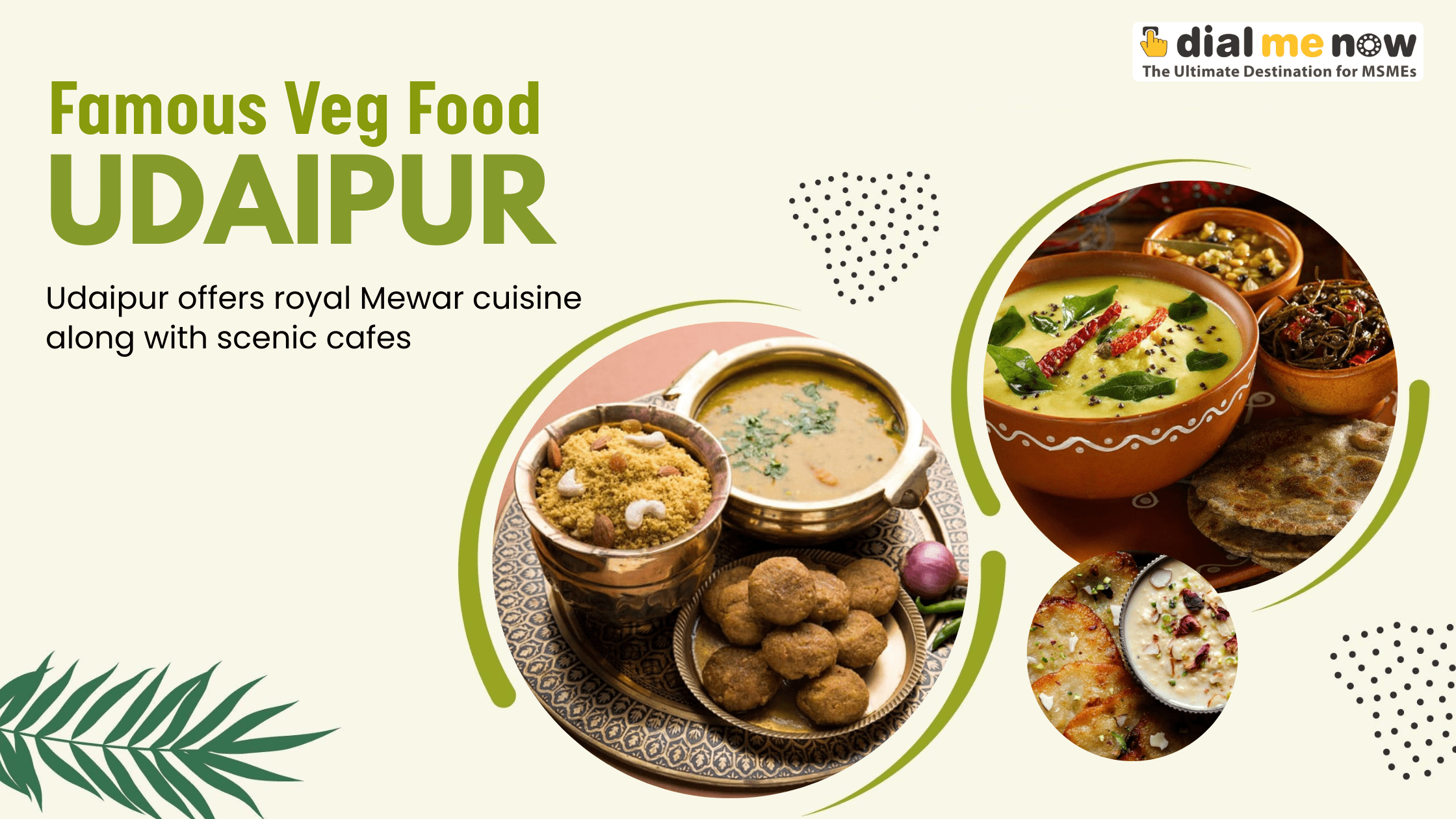
Udaipur wins hearts at first sight—gleaming lakes, palaces that catch the sun just so, and narrow lanes that open into courtyards full of stories. But what truly completes the experience is the food. The city’s plate is a celebration of Mewar’s resilient, royal culinary tradition—flavors crafted for arid landscapes, ingredients that travel well, and techniques perfected in palace kitchens and home hearths alike. Pair that with breezy lakeside cafés—especially around Lake Pichola—and you get a destination where every meal becomes a memory.
Whether you’re here to indulge in a traditional thali at Natraj Dining Hall, chase sunset with coffee by Lake Pichola, or snack-hop along City Palace Road, this guide covers the essentials: what to eat, where to linger, how to plan your food trail, and smart tips that keep it delicious from breakfast to dessert.
Why Udaipur’s Food Scene Feels Special
Udaipur sits at the crossroad of royal heritage and everyday comfort food. Mewar cuisine was shaped by terrain and tradition: limited water, hardy grains, and a preference for bold, long-keeping flavors. You see this in dishes like Dal Baati Churma, Gatte ki Sabzi, and Kadhi Pakora—all staples that pack nutrition and character. At the same time, the city’s café culture—especially around Lake Pichola—caters to a modern traveler’s love for slow mornings, craft coffee, and terrace views. The result is a city that does both: time-honored feasts and scenic sips.
The Must-Eats (and Where to Find Them)
1) Dal Baati Churma (Traditional Thali at Natraj Dining Hall)
If Udaipur had a single signature, it would be this triumphant trio:
- Dal: Typically a mix of lentils, tempered with ghee, cumin, and garlic.
- Baati: Whole-wheat, oven-roasted dough balls—firm outside, fluffy inside—cracked open and drenched with ghee.
- Churma: Crushed baati sweetened with sugar or jaggery, often perfumed with cardamom and garnished with nuts.
Where: The experience is especially beloved at Natraj Dining Hall, where the traditional thali arrives generous and unfussy. Expect refills and a spirited pace—this is a place where families come hungry and leave happy.
How to enjoy it like a local: Break the baati, let ghee melt into the crumb, pour dal over generously, take a bite, then alternate spoonfuls of churma for that sweet-salty rhythm. Don’t rush—this is a meal that asks you to lean back between refills.
2) Gatte ki Sabzi
“Gatte” are gram flour (besan) dumplings, simmered in a yogurt-based gravy spiced with mustard seeds, asafoetida, and aromatics. The texture swings from tender to pleasantly toothsome, and the gravy’s tang balances the earthy dumplings.
Why it’s so “Mewar”: Besan travels well and doesn’t demand much water—a hallmark of desert-region kitchens. You’ll find gatte on thalis, at small family-run eateries, and occasionally reimagined in contemporary cafés.
3) Kadhi Pakora
This comfort classic marries a tart, turmeric-yellow yogurt base with crisp gram-flour fritters (pakoras). It’s the bowl you crave on a rainy day or after a long walk through the City Palace. When done right, the kadhi has a gentle sourness that brightens the pakoras rather than drowning them.
Best with: Steamed rice or jeera rice, though some places will serve it with rotis in a thali combo.
4) Malpua & Rabdi (from local halwais)
Dessert in Udaipur often means Malpua—a lacy, ghee-fried pancake that’s soaked in sugar syrup—and Rabdi, a slow-reduced, cardamom-scented milk pudding. The contrast is irresistible: crisp edges, syrupy centers, and rabdi so thick it clings to the spoon.
Pro tip: Ask for malpua fresh off the tawa and rabdi that’s been reduced low and slow. A sprinkle of pistachio is a plus.
5) Aamras (in Summer)
When mango season hits, Rajasthan turns celebratory. Aamras—a silky mango purée, sometimes tempered with a whisper of saffron or a splash of milk—is devoured alongside pooris or sipped cold. If you’re visiting in peak summer, this is non-negotiable.
Timing: Late spring to mid-summer is your best bet. Outside the season, you might find versions, but the magic lies in fresh mangoes.
Where to Eat: Neighborhood Notes
City Palace Road Eateries
City Palace Road is where sightseeing meets snacking. You’ll find thali joints with fast turnover and consistent flavors, sweet shops frying malpuas in plain sight, and compact eateries offering kadhi, gatte, and rotis hot off the griddle. It’s the kind of street where lunch can become a progressive meal—dal baati here, sweets across the lane, and chai to close.
What to expect:
- Speedy service, local pricing, and menu boards heavy on Rajasthani staples.
- Peak hours just before and after palace visiting times.
- Excellent people-watching—tour groups, photographers, and families all drifting through.
Lake Pichola–Side Cafés
If you came for the views, this is your stage. Rooftop terraces overlook the lake, ghats ring with temple bells, and boats sketch slow arcs at golden hour. The menus here often blend comfort Indian plates with global café favorites—think masala omelettes, pancakes, sandwiches, wood-fired pizzas, and well-pulled cappuccinos.
Best moments:
- Early mornings for quiet coffee and mirror-still water.
- Sunset for tea, snacks, or dessert; the sky does half the plating for you.
- Late dinners when the air cools and the city lights start to glitter.
Order ideas: Pair a traditional snack (like kadhi-chawal or gatte with rotis) with a café classic (garlic bread or a simple salad). Save space for malpua & rabdi afterwards at a nearby halwai.
A One-Day Food Trail (Sample Itinerary)
8:00 AM – Lake Pichola Sunrise & Coffee
Start at a lakeside café. Order a simple breakfast—masala omelette or poha—and a strong coffee or chai. Linger; it’s the most peaceful hour.
10:30 AM – City Palace & Quick Snack
After exploring the City Palace, duck onto City Palace Road. Grab a small plate of kachori or a lassi to keep you walking happy.
1:30 PM – Thali Time at Natraj Dining Hall
Arrive hungry. Go for the Dal Baati Churma thali. Say yes to refills. Pace yourself—there’s dessert later.
4:00 PM – Sweet Break
Find a local halwai (sweet shop) for Malpua & Rabdi. If it’s summer, try a small serving of Aamras too. Share portions if you’re still full.
6:15 PM – Sunset at Lake Pichola
Pick a rooftop café, choose a spot with a clear line to the water, and order light—maybe kadhi pakora with steamed rice to share, or gatte with rotis.
9:00 PM – Stroll & Nightcap
Wind down with a walk along the ghats. If you’re up for it, end with kulhad chai.
How to Order Like a Pro (Tips & Etiquette)
- Ask for ghee preferences: With dal baati, you’ll often be offered extra ghee. If you prefer lighter, say so.
- Spice calibration: Kadhi and gatte gravies vary in heat. Ask for “medium” if you’re unsure.
- Share thalis at peak hours: In busy dining halls, sharing one thali + extras can help you taste widely without wasting food.
- Freshness first: For malpua, ask if a fresh batch is on the way. Warm malpua + cool rabdi = bliss.
- Cash vs. UPI: Most places accept digital payments, but small halwais may prefer cash for tiny buys.
When to Visit (for Food)
- Winter (Oct–Feb): Pleasant weather, hearty thalis feel extra comforting.
- Summer (Mar–Jun): Hot, but Aamras season! Plan lakeside cafés early/late in the day.
- Monsoon (Jul–Sep): Kadhi pakora and chai with rain—pure romance. Some rooftop seating may be covered or limited.
Budgeting & Hygiene
- Thalis: Generally very good value—expect generous servings at reasonable prices.
- Cafés by the lake: You’re paying for the view—slightly higher prices than inner streets.
- Water & ice: Ask for packaged water; avoid ice unless you’re sure of the source.
- Peak times: Lunch at popular halls can mean short waits—worth it for freshness and quick turnover.
Quick Order Cheat Sheet
- Traditional meal: Dal Baati Churma thali at Natraj Dining Hall.
- Vegetarian staple: Gatte ki Sabzi with tandoori roti.
- Comfort bowl: Kadhi Pakora with steamed rice.
- Dessert: Malpua & Rabdi from a local halwai.
- Seasonal treat (summer): Aamras—try with pooris or solo, chilled.
Frequently Asked Questions (FAQ)
Q1: Is Dal Baati Churma too heavy for lunch?
A: It’s rich, yes—thanks to ghee and the generous portions. If you’re sensitive, ask for lighter ghee and split a thali. Plan a walk or a light snack for dinner.
Q2: I’m gluten-free. What can I try?
A: Kadhi Pakora (if pakoras are made purely with besan), plain dal with rice, and some yoghurt-based dishes may work—but always confirm ingredients. Baati and most rotis use wheat.
Q3: Are lakeside cafés vegetarian-only?
A: Many offer predominantly vegetarian menus, but you’ll find mixed menus too. Expect a blend of Indian and global café fare.
Q4: What’s the best time to eat at Natraj Dining Hall?
A: Aim for slightly off-peak—around 1:00–1:30 PM or early dinner. Turnover is high (a good sign for freshness), but you may avoid lines at shoulder times.
Q5: Can I find Aamras outside summer?
A: You might, but it’s not the same. For peak flavor, visit in late spring or early summer when mangoes are in season.
Q6: Are reservations needed for Lake Pichola cafés?
A: For sunset seats, it helps to arrive early. Some places take reservations; others are first-come, first-served. If you’re short on time, go a bit before sunset to secure a good table.
Q7: What sweets besides Malpua & Rabdi are popular?
A: Look for ghevar (especially around festivals), mawa kachori, and traditional barfis. But for this trip, malpua with rabdi is the headliner.
Q8: Is street food safe?
A: Choose high-turnover stalls, watch the frying oil, and look for places where ingredients are covered. When in doubt, pick busy shops along City Palace Road.
Responsible Travel & Food Choices
- Carry a reusable bottle (refill at safe points).
- Respect local pace: Dining halls are efficient; cafés are laid-back—embrace both.
- Dress & decorum near ghats/temples: Cover shoulders/knees where required and keep noise low in sacred areas.
- Support small vendors: Buy your sweets and snacks from local halwais—they keep the city’s culinary memory alive.
Disclaimer
Restaurant hours, menus, and prices can change without notice. Seasonal items like Aamras depend on fresh produce and may not be available year-round. If you have dietary restrictions (gluten intolerance, dairy allergies, vegan preferences), always confirm ingredients and preparation methods on-site. This guide aims to help you plan memorable meals; your final choices should factor in your health, comfort, and current availability on the ground.