

Our Blogs
The Bazaars of Bikaner: Spices, Sweets & Surprises
5/29/2025
Introduction
- Walking through Bikaner’s bazaars is like stepping into a living tapestry of color, aroma, and sound, where each lane tells a story of centuries-old trade and local craftsmanship.
- From sunrise to sunset, vendors arrange vibrant displays of chilies, turmeric, and other spices in open sacks, inviting you to inhale their potent fragrances and learn about their origins.
- Sweet shops fill the air with the scent of ghee-fried malpuas and sesame brittle, while artisans carve camel leather, block-print textiles, and jewelry that showcase Rajasthan’s artistic traditions.
- Whether you’re hunting for rare saffron or simply savoring a hot rasmalai, Bikaner’s markets promise surprises that appeal to every traveler’s palette and sense of adventure.
A Glimpse into Bikaner’s Marketplace History
- Founded in 1488 by Rao Bika, Bikaner emerged as a strategic fortress-town on caravan routes linking Gujarat, Sindh, and Central Asia, laying the groundwork for its bustling bazaars.
- Camel caravans carried precious silk, spices, and gemstones across the Thar Desert, and the city’s merchants developed a reputation for high-quality goods that blended Persian and Indian techniques.
- Many shops you visit today are run by families who have traded in the same lanes for generations, preserving recipes for spice blends and sweets that date back to the Mughal era.
- Junagarh Fort’s proximity fostered trade under royal patronage, encouraging the growth of specialized artisan quarters where leatherworkers, block printers, and metal smiths clustered.
- Modern Bikaner still honors these roots: you’ll find hand-mill (chakki) spice grinders and stone-press sugarcane crushers alongside digital scales and packaged snacks, a seamless fusion of past and present.
Top Bazaars to Explore
Kote Gate Bazaar
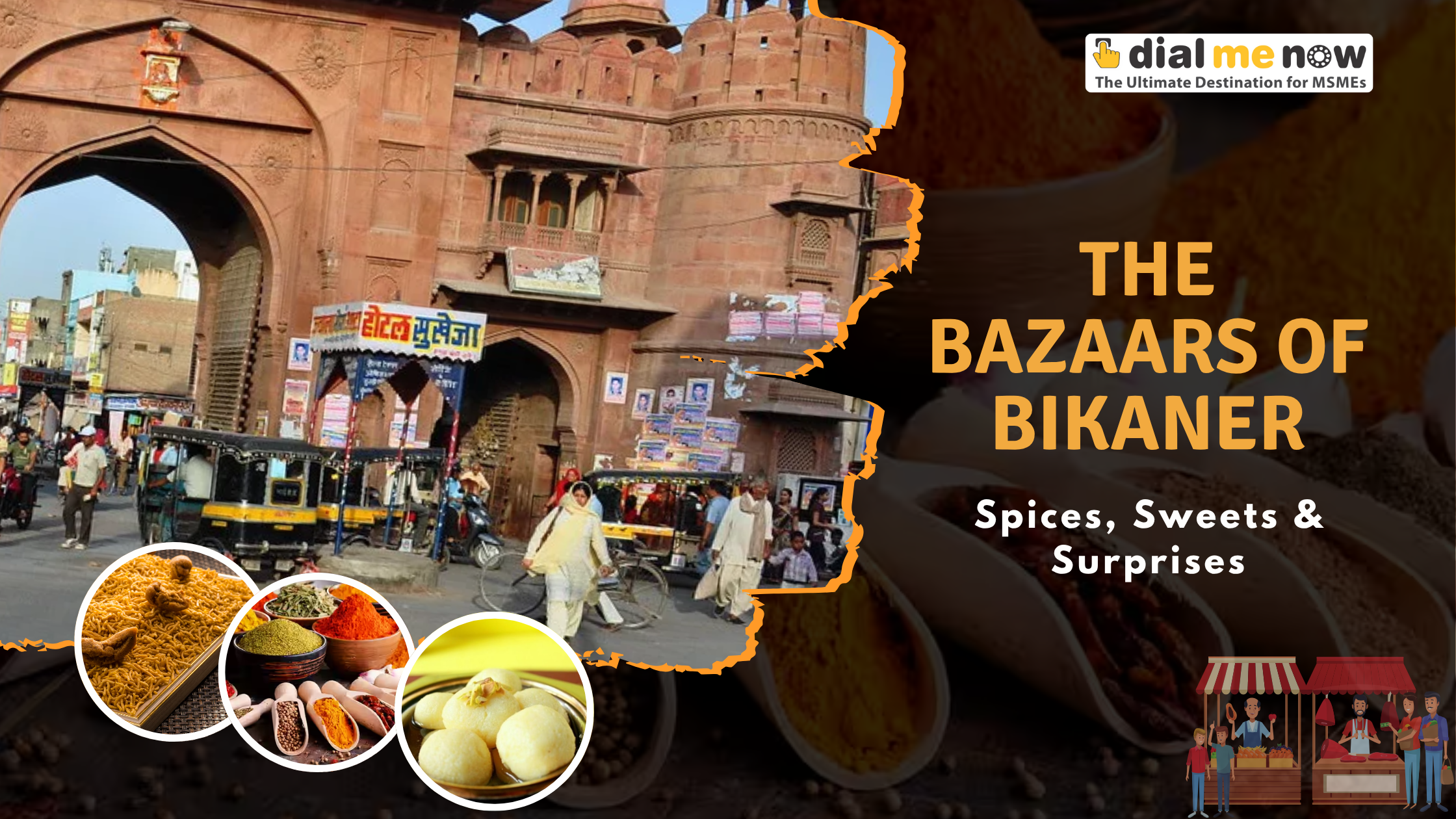
- Located just south of the majestic Junagarh Fort, Kote Gate Bazaar greets visitors with its towering sandstone arch and narrow lanes lined with over 200 shops.
- Spices & Masalas: Sample “Bikaneri Lal Mirch” for its deep red hue and smoky flavor, or pick up a jar of house-blend garam masala scented with cardamom, cinnamon, and cloves.
- Leather Goods: Browse rows of camel leather bags, belts, and mojari (traditional shoes), each piece handcrafted and embossed with floral motifs.
- Textiles & Dupattas: Vibrant block-printed scarves in indigo, marigold, and crimson hang from rafters, showcasing techniques passed down by artisan families.
- Bargaining Culture: Friendly haggling is expected—start at half the asking price and settle around 60–70%, enjoying a lively exchange that’s part of the experience.
Shri Karni Mata Road Bazaar
- Winding toward the famous Karni Mata Temple (the “Rat Temple”), this bazaar blends religious paraphernalia with culinary delights.
- Sweet Shops: Early morning malpua vendors fill the air with the scent of saffron and cardamom, while glass jars overflow with gajak (sesame brittle) and rewri (sesame-jaggery balls).
- Temple Offerings: Brass idols, incense sticks, and silver-plated puja thalis (prayer trays) sit alongside strings of marigold garlands, perfect for devotional purchases or souvenirs.
- Local Eateries: Small stalls sell kachori-chole and kele ki sabzi (banana curry), offering a savory counterpoint to the surrounding sweets.
- Photography Spots: Vibrant signboards in Rajasthani scripts, donkey-drawn carts, and temple idols create memorable backdrops—always ask before photographing devotees.
Old City (Junagarh) Bazaar
- Nestled around the historic Junagarh Fort, this maze of alleys feels less touristy and more authentic, with artisans practicing age-old crafts behind wooden shop fronts.
- Miniature Paintings: Finely detailed scrolls depict desert life, royal processions, and folk tales, painted with natural pigments and gold leaf.
- Bikaneri Bhujia: Crisp, savory snack made from moth beans and besan (gram flour), available in plain, masala, and cheese-flavored variations—always freshly fried.
- Hand-Mill Spice Stalls: Vendors still grind spices on-site; watch the stone chakki turn vibrant powders before your eyes, ensuring maximum aroma and potency.
- Custom Orders: Many shops welcome requests for personalized spice blends or custom lengths of fabric, often delivered to your hotel by evening.
Spice Trails: Aromas, Flavors & Tips
-
Signature Spice Blends:
- Bikaneri Garam Masala: Smoky, warm, and robust, blending cinnamon, cloves, black cardamom, and bay leaf for curries and stews.
- Desert Chat Masala: Tangy mix with amchur (dry mango), black salt, cumin, and chili, ideal for chaats, popcorn, and roasted nuts.
- Makhana Masala: Roasted lotus seeds (makhana) tossed in spiced gram flour mix—light, crunchy, and perfect for guilt-free snacking.
-
Buying & Storage Tips:
- Always smell before you buy—fresh spices have a sharp, vivid aroma.
- Inspect color and texture—look for bright hues and uniform granularity, avoiding clumps that indicate moisture.
- Use airtight tins or zip-lock bags (available at local stationery shops) to preserve freshness for up to six months.
- Label each container with the purchase date; ground spices lose potency faster than whole seeds and should be used within three months.
-
Health & Culinary Benefits:
- Turmeric: Anti-inflammatory properties, bright golden color, and earthy flavor enhance curries and smoothies.
- Fennel Seeds (Saunf): Aid digestion after meals, with a sweet, licorice-like finish—often chewed as mouth fresheners.
- Cumin Seeds (Jeera): Boost metabolism and add nutty warmth to dals, rice, and vegetable dishes.
Sweet Secrets: Confections of Bikaner
-
Seasonal Delights:
- Gajak: Sesame seeds and jaggery pressed into brittle slabs—traditionally winter fare but now available year-round in most shops.
- Mohanthal: Rich gram-flour fudge scented with saffron, cardamom, and garnished with crushed pistachios.
- Malpua: Fluffy pancakes soaked in saffron syrup, garnished with slivers of almonds and rose petals.
-
Iconic Sweet Shops:
- Laxmi Sweet House: Established in 1956, renowned for soft gulab jamuns and melt-in-mouth rasgullas made fresh daily.
- Shiv Sweets: Family-run since the 1920s, offering over 50 varieties of namkeens and sweets, including experimental flavors like chocolate mohanthal.
- Navkar Sweets: Boutique shop focusing on artisanal presentation, with sweets packaged in decorative boxes ideal for gifts.
-
Buying & Sampling:
- Visit early mornings to enjoy sweets at peak freshness, when ghee is warm and textures are at their best.
- Taste before you buy—most shops allow small samples; compare sweetness levels and textures across vendors.
- Transport tips: Wrap sweets in parchment paper and carry them upright; refrigerate upon arrival to maintain shape and flavor.
-
Cultural Context:
- Sweets are integral to festivals like Diwali and Teej; local families stock up months in advance, so shops often display large decorative platters during these seasons.
- Sweet shops often double as community hubs, where neighbors gather to chat over chai and sample the latest festival special.
Beyond Spices & Sweets: Hidden Treasures
-
Handicrafts & Textiles:
- Block-Printed Fabrics: Locally made in Bagru and Sanganer styles, featuring natural dyes and intricate floral or paisley motifs.
- Camel Leather Crafts: Hand-tooled wallets, belts, and purses crafted by Jat artisan families, combining durability with ornate embossing.
-
Jewelry & Accessories:
- Silver Jhumkas & Kundan Sets: Traditional earrings and necklaces featuring polki uncut diamonds and colorful glass stones set in silver.
- Contemporary Fusion Designs: Young designers blend local motifs with minimalist styles, creating pieces suited for both ethnic wear and Western outfits.
-
Home Décor & Souvenirs:
- Miniature Paintings on Camel Bone: Unique artwork painted on thin bone slices, depicting local legends and desert landscapes.
- Brass Utensils & Decor: Hand-hammered plates, bowls, and lamps (diyas) that add a rustic Rajasthani touch to modern homes.
Practical Tips for Bazaar Shopping
-
Best Time to Visit:
- Shop between 9 AM–12 PM or 4 PM–7 PM to avoid midday heat, especially from April to June when temperatures can exceed 45 °C.
-
What to Wear:
- Lightweight, breathable fabrics in light colors; comfortable closed-toe shoes for uneven lanes.
- A scarf or shawl can protect from dust and sun, and is useful for visiting temples or mosques where modest dress is required.
-
Money & Bargaining:
- Carry small notes (₹10, ₹20, ₹50) and coins for small purchases; vendors may not have change for large denominations.
- Begin bargaining at 40–50% of the sticker price and expect to settle at 60–70%, depending on the item and shop.
-
Staying Hydrated & Safe:
- Bring a reusable water bottle—many shops offer refills, and filtered water stations are becoming common.
- Keep valuables in a money belt or inside zip-pered pockets; pickpocketing is rare but crowded alleys can be tight.
-
Offline Navigation:
- Download detailed maps of Bikaner’s old city before your trip or pick up a paper map at the tourist office; GPS signals can falter inside narrow stone lanes.
-
Health Precautions:
- Sample street snacks from busy stalls with high turnover to ensure freshness.
- Carry hand sanitizer or wet wipes, especially after sampling spices or sweets.
Responsible & Sustainable Shopping
-
Support Local Artisans:
- Ask about craftsmanship and origin—buy directly from makers when possible to ensure fair prices reach artisan families.
-
Eco-Friendly Packaging:
- Bring reusable cloth bags or pouches; decline plastic bags in favor of biodegradable paper options offered by many shops.
-
Cultural Respect:
- Learn a few Hindi or Marwari phrases (“Dhanyavaad” for thank you, “Kitna hai?” for how much) to connect with vendors and show appreciation.
-
Minimal Waste:
- Purchase in quantities you can use; spices and sweets can spoil if stored too long, so plan purchases according to your itinerary and return trip.
Sample Two-Day Bazaar Itinerary
-
Day 1 – Spice & Textile Trail:
- 9 AM: Start at Kote Gate Bazaar; sample chilies and masalas, buy block-printed dupattas.
- 11 AM: Visit a local spice grinder to watch the traditional chakki in action.
- 1 PM: Lunch on kachori‐chole at a roadside stall on Shri Karni Mata Road.
- 3 PM: Afternoon tea with gajak at Shiv Sweets.
- 5 PM: Explore nearby leather shops for belts and mojari.
-
Day 2 – Sweets & Souvenirs:
- 8 AM: Early visit to Laxmi Sweet House for fresh malpua and rasmalai.
- 10 AM: Wander Old City alleys for miniature paintings and camel bone art.
- 12 PM: Light lunch of local thali with bajra roti at a family-run eatery.
- 2 PM: Shop for brassware and silver jewelry around Junagarh Fort.
- 4 PM: Final sweet tasting and packing for journey home.
FAQs
- What is the best season to experience Bikaner’s bazaars?
The ideal time is October to March, when daytime temperatures range from 10 °C to 25 °C. Cooler mornings and evenings make wandering open-air markets comfortable, and festival seasons like Diwali add extra color and energy. - Can I ship spices and sweets internationally from Bikaner?
Yes. Many shops offer export-grade vacuum-sealed packaging and courier services. Always check your country’s customs regulations for spices and dairy products before purchase to avoid confiscation at the border. - How much should I budget for a day of bazaar shopping?
A moderate budget of ₹1,500–₹2,000 per person can cover spices, sweets, small souvenirs, and street food. Adjust upward if you plan to buy leather goods, jewelry, or custom textiles. - Are the bazaars safe for solo female travelers?
Generally, yes—Bikaner is considered safe and welcoming. Dressing modestly and avoiding deserted alleys after dark are sensible precautions. Engaging respectfully with vendors and other shoppers usually prevents unwanted attention. - What local dishes should I try alongside bazaar snacks?
Look for bajra khichdi (pearl millet porridge), ker sangri (local berry and bean curry), and chhaach (buttermilk). Street stalls near the bazaars often serve these traditional Rajasthani dishes alongside snacks like kachori and samosa.
Discovering the bazaars of Bikaner is a journey through time and taste. Each spice, sweet, and handcrafted treasure connects you to the city’s rich heritage and vibrant community. Armed with these tips, an open mind, and a willingness to bargain, you’re ready to unlock surprises at every turn. Pack your bags, embrace the flavors, and let Bikaner’s markets leave a lasting impression on your traveler’s soul.