

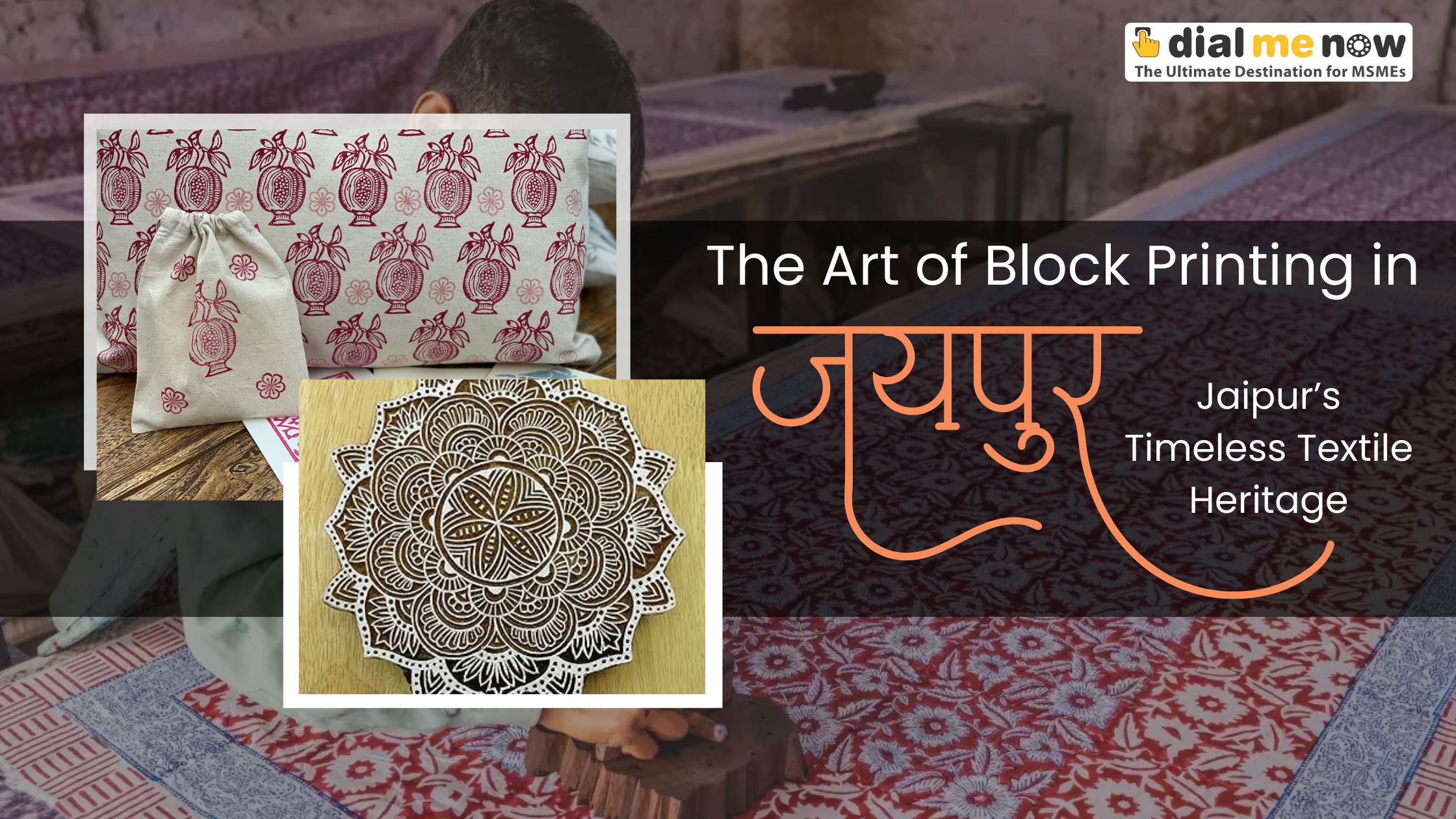
The Art of Block Printing in Jaipur: Jaipur’s Timeless Textile Heritage
5/18/2025
Introduction
Few art forms capture the soul of Rajasthan quite like Jaipur Block Printing. For centuries, the vibrant prints created by skilled artisans in this desert city have defined India’s textile heritage—and today they continue to enchant designers, travelers, and fashion aficionados worldwide. From the sun-drenched alleys of Johari Bazaar to the hushed workshops on the city’s outskirts, block printing remains a living tradition. In this guide, we’ll delve into the history, techniques, motifs, and modern innovations that make Jaipur block prints an enduring symbol of craftsmanship. Whether you’re planning a creative shopping spree or simply curious about the craft, this post—optimized for dialmenow.in—will enrich your appreciation of Jaipur’s handprinted textiles.
Historical Roots and Cultural Significance
Block printing in Jaipur traces its lineage back to the 16th century, when Mughal emperors patronized skilled artisans who migrated from Persia and Gujarat. Over time, local communities such as the Chippa and Sanganeri families refined these techniques, adapting patterns and colors to Rajasthan’s unique cultural tapestry.
- Sanganeri Tradition: Originating in the village of Sanganer, just 16 km from Jaipur, these prints are known for delicate, floral motifs in shades of indigo, madder red, and leaf green on a chalky white ground.
- Bagru Style: From the town of Bagru, south of Jaipur, this variant emphasizes bold geometric patterns and natural dyes—like turmeric yellows and pomegranate maroons—imparting a warm, rustic charm.
These regional styles did more than decorate cloth—they told stories of royal courts, rural life, and the rhythms of the seasons. Even today, block-printed textiles serve as cultural ambassadors, featured in international exhibitions and sought after by top fashion houses for their authenticity and rich heritage.
Traditional Techniques: From Hand-Carved Blocks to Natural Dyes
At the heart of Jaipur block printing lies a deceptively simple yet painstakingly precise process:
- Block Carving
Master carvers hand-chisel designs into neem or sheesham wood blocks. A single motif can require up to a week of fine-tooth work to ensure each line and curve prints sharply. - Preparation of Fabric
Cotton or silk is washed and bleached to remove starch and natural oils, creating an even surface that readily absorbs dye. - Dyeing
Artisans traditionally use plant-based dyes: indigo from the Indigofera plant, madder root for red, and pomegranate skins for yellow. Each dye bath is carefully monitored to achieve consistent hue depth. - Printing
The block is pressed into the dye paste, then stamped firmly onto the fabric. Skilled printers maintain perfect alignment (registration) so that multi-color patterns layer seamlessly. - Fixing & Washing
After printing, the cloth is sun-dried, then steamed or dipped in a mordant solution (often alum) to fix the colors. Finally, it undergoes a gentle wash to remove excess pigment, revealing the final vibrant print.
This centuries-old workflow thrives in small family-run workshops, where expertise is passed from one generation to the next. While mechanized processes exist, purists insist that only hand-stamped prints possess the subtle irregularities that lend each piece its unique character.
Iconic Motifs and Patterns
Jaipur block printing boasts a rich visual vocabulary, with motifs that range from botanical to geometric:
- Floral Sprays & Vines: Inspired by Mughal garden layouts, these delicate patterns often feature stylized lotus, jasmine, and paisley elements.
- Animal Figures: Elephants, peacocks, and camels—symbols of royalty and desert life—appear in repetitive friezes and medallions.
- Geometric Grids: Lattice structures, checkerboards, and concentric circles lend a modernist edge to traditional cloth.
- Folk Scenes: Rare but highly prized, these prints depict village rituals, folk dancers, and pastoral landscapes, each telling a small story across the fabric.
Designers today blend these classic motifs with contemporary silhouettes—think block-printed dresses, scarves, upholstery, and even wallpaper—demonstrating Jaipur’s ability to adapt while honoring tradition.
The Artisans Behind the Prints
Walk into any block-printing workshop on Jaipur’s periphery, and you’ll meet families whose lives revolve around wood blocks and dye vats:
“My grandfather learned carving when Jaipur still had horse-carriage streets. Each block is part of our family story,” says Mohan Lal, a third-generation block carver in Bagru.
Women in these communities often shoulder the labor of dye preparation and fabric washing, while men handle carving and printing. Despite long hours and modest earnings, many artisans take immense pride in their work, viewing each printed bolt as a canvas reflecting their cultural identity.
Efforts by social enterprises and platforms like dialmenow.in have begun to connect these artisans with international markets, ensuring fair wages and fostering sustainable growth. When you purchase a block-printed textile, look for authentic “hand stamped” labels and ask about the workshop’s ethical practices.
Contemporary Innovations and Sustainability
While tradition remains sacred, Jaipur’s block-printing sector is embracing innovation:
- Eco-Friendly Dyes: To address environmental concerns, many workshops now use azo-free, low-impact dyes certified by GOTS (Global Organic Textile Standard).
- Digital-Block Hybrids: Some designers combine hand-stamped accents with digital printing backgrounds, allowing for greater design complexity without sacrificing authenticity.
- Block-Print Revivals: Collaborations between local artisans and fashion institutes—such as the National Institute of Fashion Technology (NIFT) in Jaipur—have spawned fresh motifs inspired by urban street art and global trends.
- Women-Led Collectives: Initiatives led by women entrepreneurs offer training in design innovation and business management, empowering a new generation of block printers.
These developments not only safeguard traditional skills but also position Jaipur on the map of ethical, sustainable fashion—a narrative that resonates strongly with conscious consumers today.
Experiencing Block Printing: Workshops and Shopping in Jaipur
If you’re visiting Jaipur, here are some must-do experiences:
-
Hands-On Workshops
- Anokhi Museum & Studio: Learn basics of block alignment and color blending in a heritage-style studio.
- Johri Bazaar Workshops: Small cooperative-run studios offer half-day demo sessions, complete with takeaway samples.
-
Shopping Districts
- Tripolia Bazaar: Renowned for home textiles—bedspreads, table runners, and cushion covers in classic Sanganeri prints.
- Chandpole & Nehru Bazaar: A vibrant maze where you can haggle for apparel and handicrafts.
-
Village Tours
- Bagru & Sanganer Day Trips: See the entire process—from dye vats to printing tables—on guided tours that support community tourism.
For curated itineraries, pricing details, and verified operator reviews, head over to dialmenow.in’s Jaipur Crafts section.
Care and Preservation of Block-Printed Textiles
Hand-printed textiles are durable but require gentle care to maintain their vibrancy:
- First Wash: Always wash separately in cold water with a mild, pH-neutral detergent to remove excess dye.
- Regular Laundering: Opt for gentle hand-washing or delicate machine cycles. Avoid harsh bleach or strong spin cycles.
- Drying: Shade-dry flat or hang indoors. Direct sunlight can fade natural dyes over time.
- Storage: Keep folded in breathable cotton bags. Avoid plastic covers, which trap moisture and risk mildew.
Proper maintenance not only extends the life of your textiles but also honors the craftsmanship that went into each piece.
Conclusion
Jaipur’s block-printing legacy is a testament to human creativity, resilience, and cultural continuity. Every stamp, every hue, and every carve tells a story of generations who have transformed simple cloth into living works of art. By supporting authentic artisans—whether through mindful purchases or hands-on workshops—you become part of that story. To explore more about Jaipur Block Printing, discover artisan directories, and plan your own creative journey, visit dialmenow.in and celebrate the timeless craft of Rajasthan’s pink city.
Disclaimer
All content on this blog is provided solely for general informational purposes—while we strive for accuracy, no warranties (express or implied) are made regarding its completeness, reliability, or suitability, and nothing herein constitutes professional advice (you should consult qualified experts before acting); any brand, product, service, company, or trademark names mentioned are the property of their respective owners and are used only for identification without implying endorsement, sponsorship, or affiliation; in no event shall the blog owner, authors, or affiliates be liable for any damages arising from your use of or reliance on this blog.