

Spiritual Importance of Moti Dungri Ganesh Temple in Jaipur
6/21/2025
1. Introduction
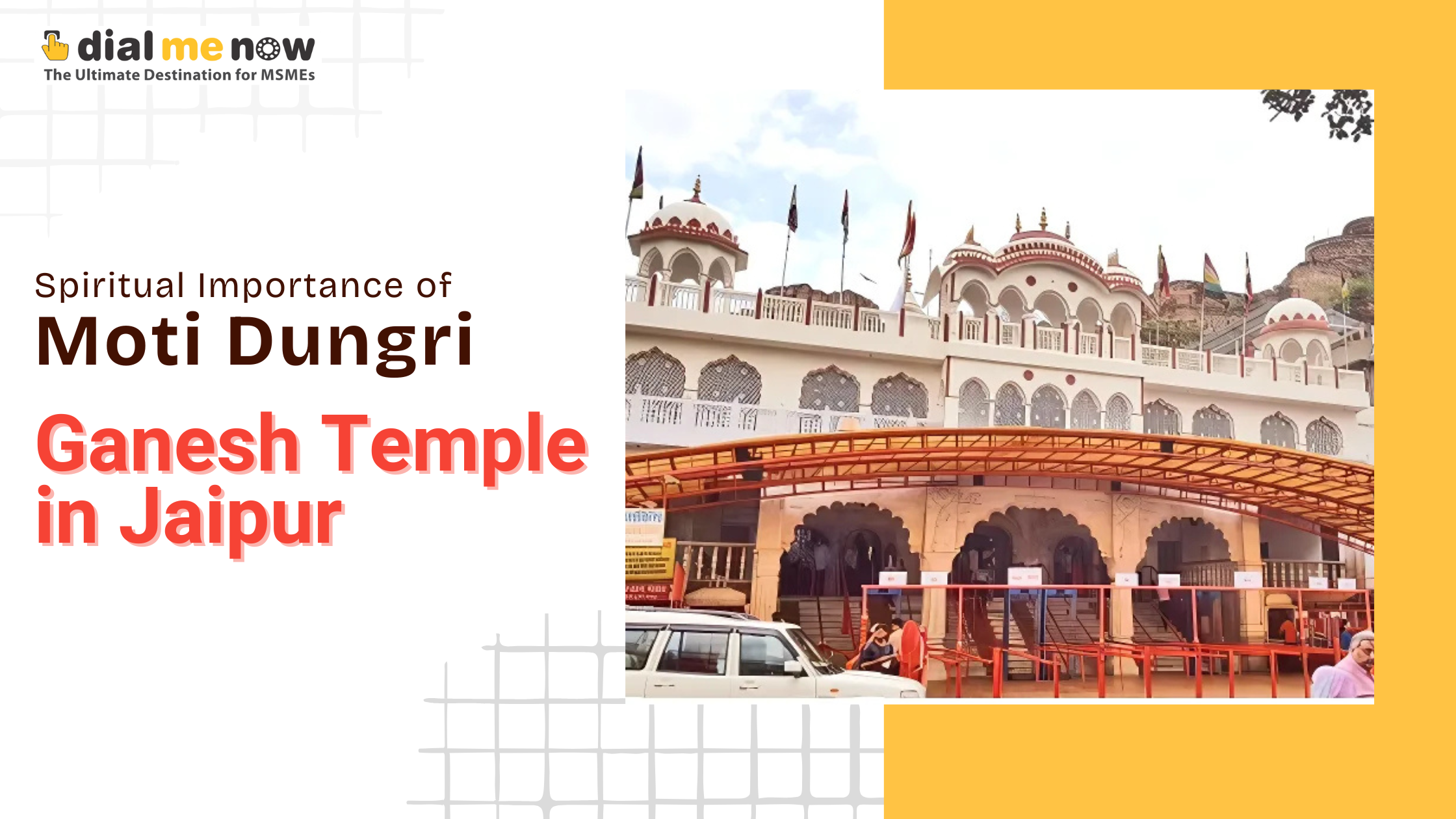
Nestled atop the scenic Moti Dungri Hill—a small elevation near Jawahar Circle—the Moti Dungri Ganesh Temple stands as a spiritual beacon in Jaipur. For centuries, this place of worship and devotion has inspired countless individuals, traversing Jaipur’s social and religious landscape.
Dedicated to Lord Ganesha, the remover of obstacles and harbinger of wisdom and fortune, Moti Dungri draws daily crowds seeking blessings for success, safety, fertility, business, health, and life’s unfolding journey. Whether you’re a devout pilgrim, spiritual seeker, curious tourist, or family on a cultural outing, the temple weaves accessibility, heartfelt rituals, and profound symbolism seamlessly.
In this blog, we’ll explore:
- How the temple came to be and its historical roots
- The powerful spiritual symbolism of Lord Ganesha and why this site matters
- Architectural and cultural features that make this hilltop mandir unique
- Festivals like Ganesh Chaturthi, daily aartis, and special rituals
- The integral role the temple plays in community life and devotion
- Practical visitor guidance—when, where, and how to experience it
- Nearby attractions you can combine for a full spiritual and cultural journey
- Charitable functions and conservation efforts
- FAQs, recommended tags, and a heartfelt conclusion
Join me on a journey into the soul of Moti Dungri—where pink-hued hills meet timeless faith.
2. Historical Background & Origins
Origins and Vision
Constructed in 1761–62 AD by Seth Jai Ram Paliwal, a prominent Marwari merchant from Udaipur, the Moti Dungri Ganesh Temple symbolized his gratitude for blessings received. Nestled on a mound that once formed part of a guava orchard, the temple was constructed during the reign of Maharaja Sawai Madho Singh I, a time when Jaipur’s cultural and architectural landscape was flourishing.
Udaipuri Idol
The idol itself was carved in the traditional Gujarati style, brought from Udaipur. With its fine craftsmanship, rounded limbs, elephantine features, and expressive visage, the statue anticipates devotion and conveys a sense of divine warmth from the very first glance.
Royal Patronage
While established independently, the temple gained significant imperial support. Maharaja Sawai Madho Singh II is said to have funded improvements and sanctified the temple. Developments like the courtyard and ancillary shrines were later added by the Temple Trust operating under royal and civic guidance.
Why on a Hill?
“Moti Dungri” translates to “Pearl Hill.” Hills have always held spiritual significance in Hindu tradition—closer to the cosmos, denser with life, and offering peace above the bustle of the city. By placing Ganesha atop this elevation, the founder created a structure where devotees feel uplifted both physically and emotionally.
Legends & Oral Lore
- Protection from Plague: According to oral tradition, during a plague outbreak in the late 18th century, locals saw divine intervention in the form of miraculous vaccinations and then-unknown medicinal remedies guided in dreams from Lord Ganesha.
- Commerce and Risk: Merchants reported sudden recoveries from losses, attributing it to Ganesha’s presence—reinforcing the deity’s reputation as harbinger of good fortune and wealth.
- Blind Devotees: Miraculous stories circulate of people regaining sight or overcoming ophthalmic ailments after darshan at the temple—prompting donations of silver and bells as offerings of thanksgiving.
These stories, though carried by word-of-mouth, enrich the temple’s aura with faith, wonder, and communal memory.
3. Spiritual Significance & Symbolism
Lord Ganesha: Remover of Obstacles
Ganesha is perhaps the most widely beloved deity in Hindu worship. Known as Vighnaharta (remover of obstacles) and Pratham Puja (first worship), he’s called upon at the beginning of all auspicious acts—birthdays, ceremonies, business ventures, journeys, and marriages. His elephant head symbolizes wisdom, patience, and proximity to the divine.
The Hilltop Connection
In Hindu theology, mountains and hills symbolize spiritual elevation. Moti Dungri therefore becomes a temple of dual ascent—physical and metaphorical—where every step is a spiritual preparation toward divinity.
The Udaipur Idol & Local Interpretation
The Gujarati-styled lord at Moti Dungri sports a potbelly (prasadam brings prosperity), four arms (ultimate power), an elephant head (supremacy of mind), anklets and necklace (prosperity), and remains redolent with mantra vibrations chanted daily by priests.
Specific Symbolic Attributes
- Third Eye: Moon, inner brilliance
- Modak in Palm: Rewards for spiritual practice
- Broken Tusk: Sacrifice for writing verses; mastery of art
- Mouse Vahana: Across boundaries, no size barrier—he transcends
- Trunk Curvature: Right-turned trunk evokes rigid ritual precision, left-turned invokes personal devotion—Moti Dungri uses a right-turn trunk, making it famous among traditionalists
Cultural Beliefs Connected to Site
- Ladoo Belief: Devotees believe the temple’s laddoos never expire. Many take several kilos home as prasadam.
- “Khajoori” Ritual: There’s a custom of families offering 21 dates (khajoor) for fertility and health blessings.
- Ekadashi Ganesha Mantra: Reciting “Om Shri Ganeshaya Namah” on Ganesha Chaturthi, Shukravar (Friday), and Budhwar (Wednesday) is said to bring accelerated alignment and blessings thanks to the deity’s presence.
Contemporary Relevance
With hundreds of devotees lining early mornings and weekends, the temple cultivates an atmosphere of hope and devotion. Schools and families arrange trips to seek his blessings for exams, new jobs, health crises, or simply spiritual upliftment. International visitors report the “charge of devotion” is palpable—like stepping into a timeless rhythm of faith.
4. Architecture & Cultural Features
Architectural Style
Blending Rajput traditions with Gujarati temple motifs, the structure is modest, dignified, and enduring. Its red sandstone walls reflect Jaipur’s iconic palette, and the temple exudes warmth and solidity.
Layout & Design
- Single-room sanctuary housing the primary idol
- White marble floor in a contrast to pink-hued walls
- Perimeter corridor for pradakshina (ritual circular circumambulation)
The temple complex includes a mandap (pavilion) in front for sitar recital, bhajan singing, or aarti rituals—its red pillars subtly carved with elephant motifs.
Decorative Elements
- Silver bells and red threads tied to walls by devotees
- Silver coins affixed to wood columns—silent prayers captured in metal
- Oil lamps never extinguish, symbolizing eternal presence
- Offerings table piled with modaks, silver wares, and red-yellow offerings
Embellishments & Inscriptions
In deeper corridors, you’ll notice wall inscriptions in Devanagari and Marwari, dated from 1800s–1900s, documenting donor generosity, villager gratitude, and priest lineage. A beautiful floral mandala pattern of diya lamps is painted above the entrance.
Lighting & Ambience
Four brass chandeliers and lanterns line the hall, lit during evening aarti—casting soft shadows on red-hued inner walls. These lights conjure an atmosphere of tranquil meditation.
Cultural Fusion
Murals and painted frames near the sanctum depict Ganesha in varied roles—formal Rajput wedding processions, Gujarati festivals, and even Marwari mandap rituals. They reflect cross-regional artistic heritage.
5. Festivals, Rituals & Practices
Daily Rituals & Aartis
- Mangala Aarti (6:00 AM): the sunrise ritual, early chanting of mantras
- Midday Aarti (12:00 PM): midday blessings and flower offerings
- Sandhya Aarti (7:00 PM): temple lighting ceremony, deepasha songs
Between these worship cycles, priests conduct bhajans and chanting sessions.
Weekly & Monthly Observances
- Shukravar (Friday) Special: Devotees believe Ganesha amplifies ease and financial healing—oil lamps, coconut, and silver bracelets are offered
- Budhwar (Wednesday) Mantra Event: Ganesha of intellect invoked—students and writers often attend
Major Festivals
- Ganesh Chaturthi (August–September): The temple becomes a hub of 7-day festivities with vibrant processions, singing, culturally choreographed dances, and thousands of offerings
- Diwali: As Ganesha is worshipped along with Lakshmi, the temple is lit brilliantly
- Dhanteras/Varalakshmi Vrat: Married women offer silver coins and rice lamps
Solemn Ceremonies
- Khajoor Offering: Couples seeking fertility offer 21 dates
- Modak Prasadam: 21,000 modaks are prepared and served to all
- Mahon Agni Ritual: Oil-lamp submerged into sacred flame—foundation ritual for new business/planning
Ornamentation & Cultural Adaptations
Temple musicians play tabla and sitar. Strings of lights and marigold flowers decorate gates during festivals. Traditional adornments like rangolis and textiles brighten the center mandapa.
6. Role in Jaipur Community
Seedbed for Spiritual Unity
Despite social and economic diversity, the temple acts as an egalitarian space where royal families, traders, students, tourists, and laborers stand shoulder to shoulder in devotion.
Social Functions
Annual temple-sponsored weddings trace back to donated plots from early 20th-century benefactors. Now around 30 marriages occur yearly in the temple premise each Shukravar during auspicious hours.
Charity & Social Welfare
The Temple Trust runs a large feeding program that provides vegetarian meals to devotees and the homeless weekly. Many donations are earmarked for community healthcare camps, eye tests, and cataract surgery aid.
Educational Outreach
Through schools, the temple organizes spiritual-experience walks for students, introducing them to rituals and community harmony. They also host spiritual children’s storytelling sessions.
Economic Activity
Around the temple circle, various devout eateries, laddu shops, and prasad stalls thrive—supporting dozens of local families. Red threads and coin‑fastening stalls also generate livelihood for artisans.
Harmonizing Change
As Jaipur modernized, Moti Dungri has remained a bastion of ritual continuity, spiritual grace, and municipal integration—a testament to cultural resilience.
7. Visitor’s Guide & Tips
Location & Access
- Address: Moti Dungri Hill, Jawahar Circle, Jaipur 302004
- By Road: Auto, bike, taxi, or e-rickshaw available near Jawahar Circle
- By Foot/Bike: The hill is accessible via smooth gradient paths; many locals walk early morning for exercise and prayer
Opening Hours
- Open daily: 5:00 AM–1:00 PM, 3:00 PM–9:00 PM (closing only during midday aarti)
- No entry fee; expecting minimal donation (₹20–50) helps maintain temple kits
Dress Code & Decorum
- No restrictive dress code, though modest attire (knee-length) is recommended
- Remove footwear at the entrance—transparent bags provided for ₹5
- Queuing order: Priority to women and elderly; line-based darshan system applies
Best Times for Visit
- Sunrise (5:30–6:30 AM): Quiet blessings, great morning light
- Friday Evening: Pattern peak—flowers, chants, devotional songs
- Festival Days: Bright, exuberant crowd—Ganesh Chaturthi draws possibly 50K+ devotees
Photography Guidelines
- Still cameras permitted outside the sanctum
- No photography inside or during rituals; ask for permission
- Drone usage prohibited—obtain municipal permit if needed
- Evening light: red-pink walls illuminate beautifully with lamps
Security & Practical Tips
- Light frisk checks at the entrance for bags
- Storage area available for cameras
- Keep purses, phones, and devotion kits secure; avoid peak morning crowd crush
- Water bottle, lightweight shawl, or umbrella advised during summer
8. Nearby Attractions & Spiritual Trails
Sankat Mochan Temple
A Hanuman shrine located a short walk away, believed to alleviate struggles through Hanuman’s intervention. Often paired with a Moti Dungri visit.
Birla Mandir
Located at the base of the Moti Dungri hill, dedicated to Lakshmi and Narayana—offering insight into Jaipur’s Vaishnavite devotion.
Jawahar Circle Garden
A scenic park surrounding the hill—ideal for meditative walks before or after temple visits.
Upward to Nahargarh and Jaigarh
These hill forts—north of the temple—extend the spiritual and historical journey: from elevation of the soul to fortification of heritage.
Anokhi Museum of Hand Printing
A short tuk-tuk drive away—delves into craft heritage connecting Jaipur’s cultural roots with artisanal devotion.
Culinary Connections
Nearby eateries include local Rajasthani thali and laddu prasad outlets. Small cafés around Jawahar Circle provide heritage dining with temple views.
9. Temple Management, Charity & Preservation
Temple Trust & Management
The Moti Dungri Temple Trust comprises descendants of Seth Paliwal and veteran Jaipur philanthropists. Offers transparency with an annual audited finances.
Charitable Work
- Prasad Distribution: Daily thalis, festival laddus, free meals to travelers/homeless
- Medical Camps: Periodic free screenings for eyesight, general health
- Income Streams: Donations, prasad percussion, Bhiksha boxes
- Infrastructure: Funds upgrades like drinking water unit, seating, security lighting
Preservation & Heritage Initiatives
- Internal restoration of marble flooring
- Red-sandstone polishing and brass chandelier torque
- Installation of language signage (Hindi + English + Marwari), including deity’s story
- Efforts underway to digitize donations and enable online seva booking
Future Vision
Plans include:
- Soundproofing for bhajans and aartis
- Electric darshan for remote access
- Workshops for youth on cultural rituals
- Solar lighting to reduce energy footprint
These initiatives underscore the temple’s shift toward sustainable spiritual infrastructure.
10. Disclaimer
This blog is provided for informational purposes only. While every effort has been made to ensure accuracy, timings, rituals, practices, fees, and rules may change. Check official sources or the Temple Trust before visiting. We do not take responsibility for changes or visitor experiences based on this content.
11. Frequently Asked Questions (FAQs)
Q1: Do I need to pay to enter the temple?
No formal entry fee. A small voluntary donation (₹20–50) supports maintenance.
Q2: What are the best times for darshan?
Early morning (5:30–7 AM) for peaceful darshan; Fridays for festival experience; Ganesh Chaturthi for vibrant celebrations.
Q3: Can non-Hindus enter?
Yes. The temple is open to all faiths and tourists.
Q4: Are there dress codes or footwear rules?
Modest attire preferred. Remove shoes at entrance; storage bags provided.
Q5: Is photography allowed?
Still photography allowed outside. Inside, during rituals, or with idols—no photography. Drone use prohibited without permit.
Q6: Is the temple accessible for elderly or disabled?
Yes—gentle incline. Help available. Ramps and railings are present for support.
Q7: Can one attend bhajans & aartis?
Yes—for early morning and evening aartis. Regular bhajan events take place.
Q8: Are there food stalls or restaurants nearby?
Yes—laddu stalls, thali vendors, and cafés around Jawahar Circle.
12. Conclusion
Moti Dungri Ganesh Temple stands as a timeless symbol—where divine devotion intersects civic legacy and vibrant heritage. From its 18th-century founding on Pearl Hill to its modern-day role as Jaipur’s spiritual heartbeat, the temple continues to uplift hearts and unify communities.
Whether you come seeking success, wisdom, recovery, or calm, these sacred steps offer an encounter far richer than the city’s Instagram scenes. Here, every bell echo, diya flame, verse recitation, and offering of laddu carries centuries of collective devotion—with echoes of Mughal patrons, Marwari benefactors, and everyday worshippers.
For visitors, temple is accessible, respectful, and culturally open. By following a few decorum tips, dressing modestly, and stepping into the light of the aarti, you partake in a living spiritual tradition—rooted in memory, shaped by devotion, and illuminated by hope.
Plan your visit mindfully. Attend an evening aarti, savor booking seva (service), or quietly sit and soak in smoky lamp ambience. When your journey ends, the message lingers: “Where faith ascends, obstacles dissolve.”