

Significance of Chamunda Mata Temple at Mehrangarh Fort, Jodhpur
7/23/2025
Introduction
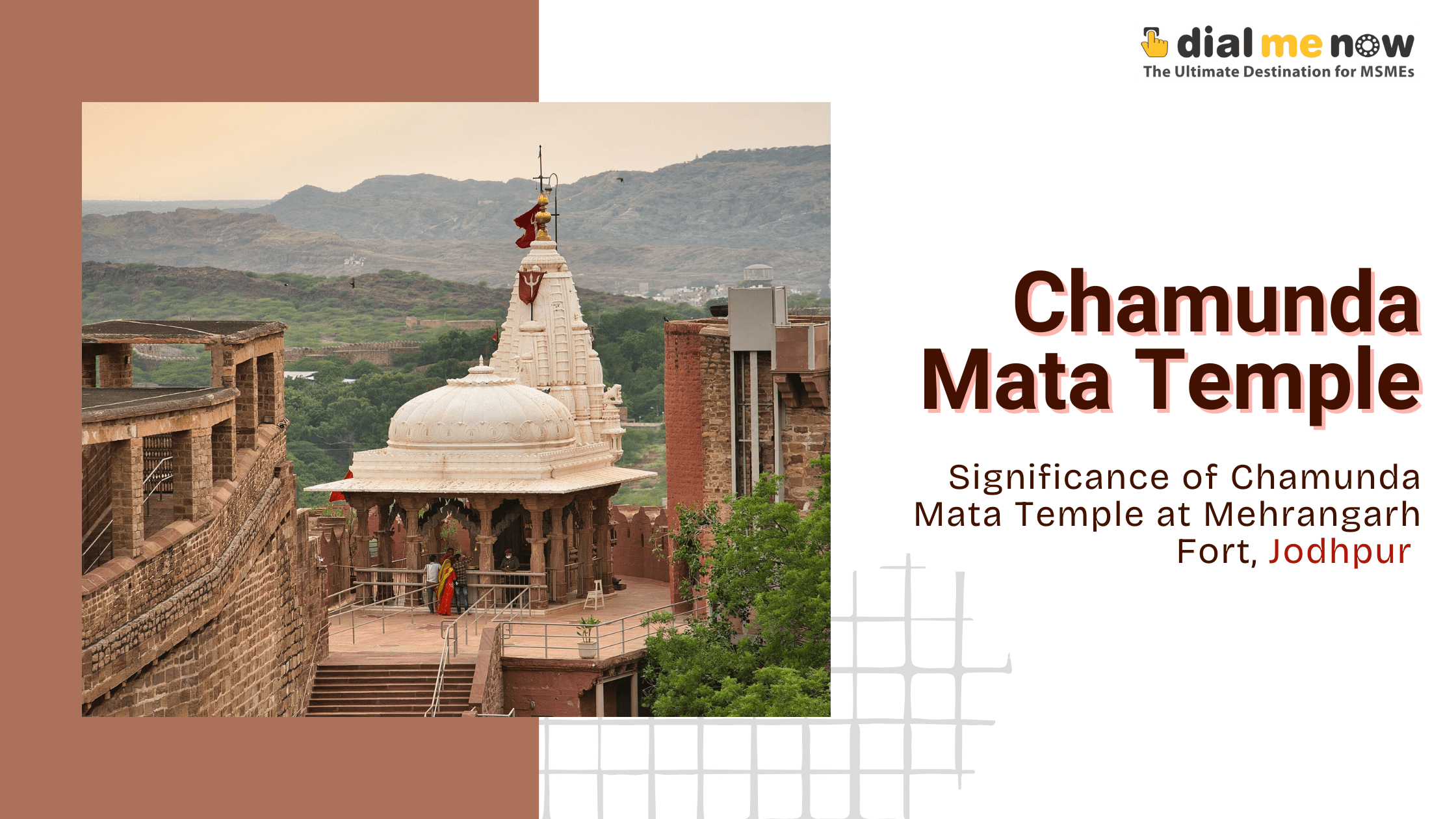
Perched atop the towering walls of Mehrangarh Fort, the Chamunda Mata Temple is a sacred beacon for the people of Jodhpur and the royal Rathore lineage. Dedicated to Chamunda Devi—a fierce form of the Goddess Durga—this temple offers not only spiritual sanctity but also a rich nexus of cultural history, royal patronage, communal belief, and architectural brilliance. We’ll explore:
- The temple’s origins and integration into royal auspices
- Cultural and religious importance, including its significance during Navratri
- Its place within Mehrangarh Fort’s architecture
- Historical events, including the tragic 2008 stampede
- Practical guide for visiting
- Insightful FAQs, tags, and a reader disclaimer
Let’s undertake a journey through faith, royal devotion, and heritage atop Mehrangarh’s majestic ramparts.
1. Origins & Historical Roots
1.1 Myth & Legend
Legend has it that during Rao Jodha’s search for the ideal hilltop in the 1450s, a meditating sage cursed him with perpetual drought after being forcefully removed. To appease him and invoke divine blessings, Rao Jodha installed an idol of Chamunda Mata, originally from Mandore, finalizing its placement on Mehrangarh’s southern cliffside.
1.2 Royal Patronage
Rao Jodha formally built the temple around 1460 CE, affirming the goddess as the kuldevi (family deity) for the Rathore dynasty. This act intertwined royal legitimacy and spiritual assurance, reinforcing her protective role over both the fort and the burgeoning city.
2. Religious & Cultural Significance
2.1 Chamunda Devi: The Fierce Guardian
Chamunda represents a potent, protective manifestation of the Divine Mother. In Hindu belief, she combats overwhelming evils—symbolizing victory, resilience, and transformative pain. As one of the Sapta Matrikas, she is both revered and feared.
2.2 Kuldevi of the Rathores
The Rathore rulers considered Chamunda their ancestral deity, reinforcing their psychological fortitude and political legitimacy. The temple continues to host royal and civic ceremonies—weddings, coronations, royal voyages—all begun with her blessing.
2.3 Navratri and Festivities
During Navratri, the temple becomes a focal point for mass devotion. Daily aartis, traditional music, and festive rituals draw thousands. The temple’s slopes overflow with color, devotion, and deep cultural energy.
3. Architectural Context & Spatial Setting
3.1 Strategic Placement
Situated at Mehrangarh Fort’s southern end, the temple stands sentinel above the city. Its white spire dramatically contrasts against the red fortress, symbolizing divine oversight and protection.
3.2 Structural Harmony
Though modest compared to palace wings, the temple’s porch, spire (shikhara), and carved cloak integrate seamlessly with the fort’s sandstone aesthetic. Its simplicity conveys spiritual serenity amid opulence.
3.3 Panoramic Perspective
Visitors navigate through Mehrangarh’s seven gates and terraces, culminating in a spiritual crescendo upon reaching the temple. From there, sweeping views of Jodhpur’s “Blue City” and desert vistas create a breathtaking backdrop.
4. Historical Events & Tragic Stampede
4.1 The 2008 Stampede
On September 30, 2008, an overcrowding during Navratri at the temple resulted in a crushing stampede that killed over 224 people and injured 400+. Its aftermath led to revised crowd-control protocols and highlighted the need for safer pilgrimage management.
4.2 Safety & Crowd Management
Post-tragedy, authorities implemented controlled access, improved queuing, designated processional corridors, and aid stations to ensure visitor safety during large gatherings.
5. Chamunda Mata Temple in Community Life
5.1 Royal Visits & Rituals
Even today, Jodhpur’s royal family starts auspicious functions—royal weddings, anniversaries—by seeking her blessings, continuing centuries-old tradition.
5.2 Local Devotion
Beyond royal patronage, Chamunda Mata is worshipped across Jodhpur—commoners visit daily, especially during shrinking festivals like Dussehra and Navratri.
5.3 Legends & Divine Protection
Local folklore recounts stories of Chamunda Devi appearing as an eagle to warn of threats—further solidifying her role as protector.
6. Integration with Mehrangarh Fort & Festivals
6.1 Mehrangarh’s Sacred Architecture
As part of the fortress complex, the temple coexists with grand palaces, galleries, and mythic spaces—reinforcing an experiential journey from worldly power to spiritual introspection.
6.2 Festival Atmosphere
During Rajasthan International Folk Festival (RIFF) at Mehrangarh, the ambiance crosses spiritual and cultural spheres—although the temple remains quieter, its presence adds depth to the artistic milieu.
7. Practical Visitor Guide
7.1 Reaching the Temple
- Enter Mehrangarh Fort via Jai Pol gates.
- Follow the route through Chokelao Garden, Palace Courtyards, and central Galleries.
- Continue past the seven-tiered ramparts to reach the southern cliff location of Chamunda Mata Temple.
7.2 Timings & Entry
- Fort entry: 9 AM–5 PM daily.
- Temple access: during fort hours; accessible post main palaces.
- Suggested visit: early morning or late afternoon to avoid crowds.
7.3 Visitor Etiquette
- Cover shoulders and legs.
- Remove shoes inside the temple.
- Seek permission before photographing worshippers or priests.
8. Conclusion
The Chamunda Mata Temple at Mehrangarh Fort is a powerful fusion of myth, faith, royal legacy, and cultural memory. Here, history echoes in stone and prayer; architecture meets belief; and devotion blends with majestic views of Jodhpur’s Blue City. Visiting this sacred shrine offers more than a photograph—it presents a glimpse into Rajasthan’s enduring spirit, its reverence for maternal power, and the timeless bond between dynasty and deity.
9. Disclaimer
This blog is intended for informational purposes (updated July 2025). While sourced from credible historical and tourism references, details may change. Please verify timings, festival dates, and safety protocols via the official Mehrangarh Fort website or onsite signage before visiting.
10. FAQs
Q1: Who is Chamunda Mata?
Chamunda Mata is a fearsome form of Durga, revered as the Rathore clan’s kuldevi and the spiritual guardian of Mehrangarh Fort and Jodhpur.
Q2: Why was the temple built here?
Legend says Rao Jodha built the temple to atone for a sage’s curse and to secure divine protection for his new capital.
Q3: Is photography allowed?
Yes in exterior areas, but avoid flash or intrusive shots within the temple.
Q4: How do I honor the deity?
Light incense, offer flowers or coins. Participate in morning/evening aarti on ceremony days.
Q5: When is the best time to visit?
Early morning for a quiet atmosphere; Navratri for immersive spiritual experience.
Stampede Protocol
- Strict queueing
- Removed barricades replaced with secure metal ramps
Adequate entry points to distribute pilgrim traffic