

Rajasthan Revealed: The Ultimate Seasonal Guide to Jaipur & Beyond
5/30/2025
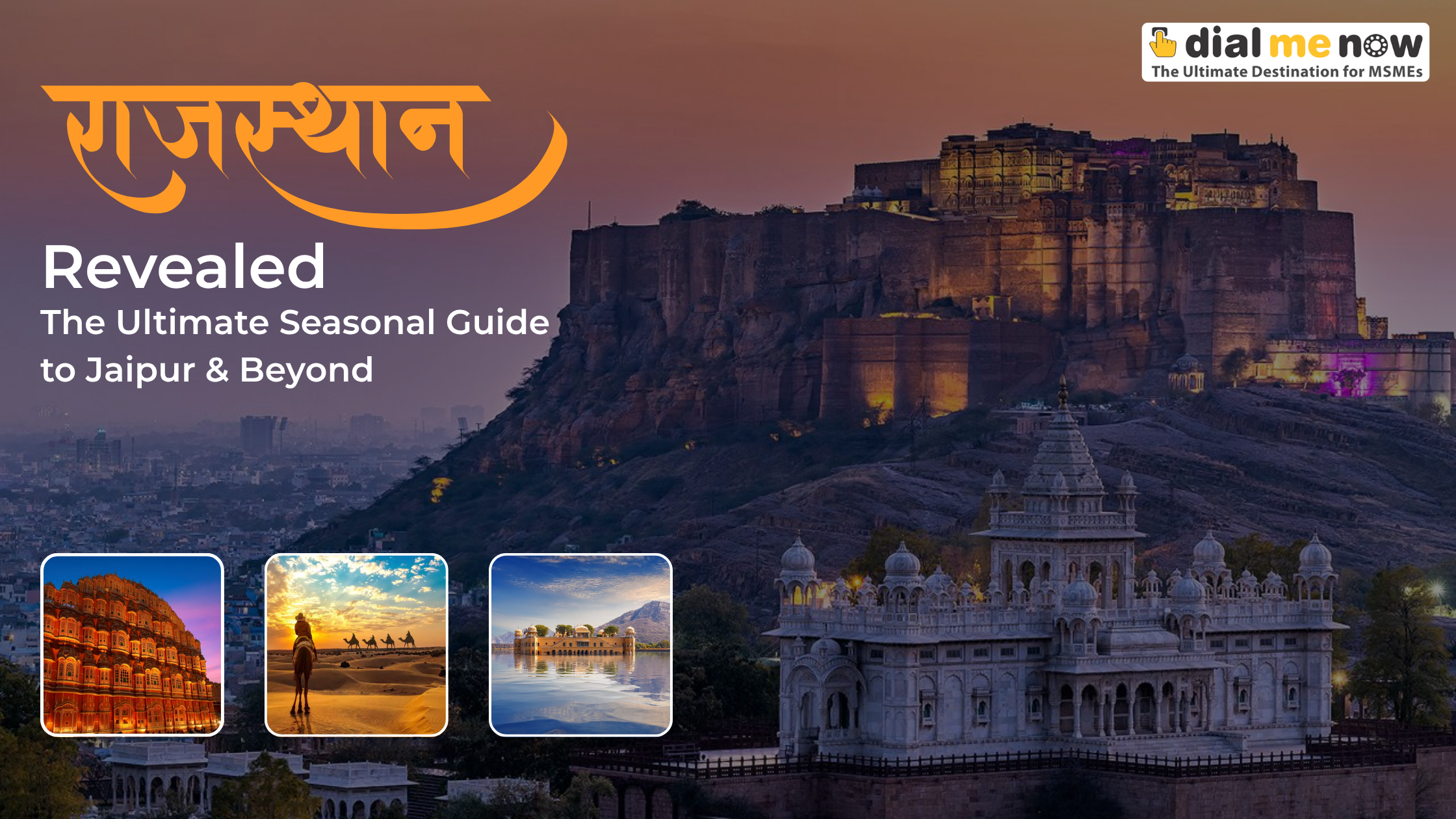
Jaipur may be the gateway to Rajasthan’s pink-hued palaces and bustling bazaars, but the true magic of the “Land of Kings” unfolds only when you venture further—through blue-painted lanes, across golden sands, alongside serene lakes and up into misty hills. This guide retains our in-depth Jaipur playbook and expands it into a state-wide, season-by-season narrative: markets, street foods, palaces, festivals, sample itineraries and insider tips for every corner of Rajasthan. Read on to discover not just where to go—but why each stop matters, what to expect, and how to make every moment unforgettable.
1. Jaipur: The Pink City
1.1 When to Visit: Seasons in Jaipur
Winter (Oct–Feb, 8–25 °C)
Winter in Jaipur brings crisp mornings and sunny afternoons—the perfect recipe for palace-hopping. Amber Fort’s red sandstone walls glow in the low winter sun, and the Jaipur Literature Festival (mid-January) draws book lovers from around the globe into Diggi Palace’s courtyards. Expect daytime highs around 20–25 °C, cool evenings, and minimal rain.
Spring (Feb–Mar, 15–30 °C)
Spring ushers in blooming bougainvillea and festivals like Gangaur (celebrating marital bliss) and the Elephant Festival (around Holi). Temperatures rise into the high 20s but remain pleasant for wandering lush palace gardens and watching elephant processions in Amer’s parade grounds.
Summer (Apr–Jun, 30–45 °C)
Summers in Jaipur are for early-bird adventurers. Sunrise yoga atop Nahargarh Fort or dawn boat rides past the floating Jal Mahal offer cool reprieves before the mercury climbs past 40 °C. Street stalls spring to life at dusk, serving cooling aam panna and kulfi.
Monsoon (Jul–Sep, 25–35 °C)
Though rainfall is sporadic, monsoon clouds drape the Aravalli hills in emerald green. The air smells of wet earth, and you’ll spot locals huddling under banyan trees to sip chai and dip pakoras in mint chutney. Temperatures stay in the mid-30s, making late-afternoon palace visits quite bearable.
1.2 Iconic Markets & What to Expect
Johari Bazaar
Considered the city’s jewelry quarter, Johari Bazaar’s narrow lanes brim with shops selling hand-cut gemstones, Kundan and Polki ensembles passed down through generations. When you haggle here, start at 60 % of the asking price—and be prepared to show genuine interest; the finest deals go to respectful shoppers.
Bapu Bazaar
This open-air market hums with tailors’ chatter and the rustle of Bandhani textiles. You’ll find tie-and-dye dupattas in every shade, and leather artisans hand-craft mojri shoes by your feet. Visit between 8–10 AM to beat both the crowds and the sweltering midday heat.
Nehru Bazaar
Just a few streets over, Nehru Bazaar houses hidden haveli cafés where you can sip mint lemonade under carved wooden eaves. Its stalls specialize in block-printed fabrics—perfect for lightweight kurtas—and the occasional vintage mirror-work wall hanging.
Tripolia Bazaar
Late afternoons reveal brassware artisans beating copper into delicate lamps and lacquer-bangle makers dipping rings into brightly colored enamel. Watch their rhythmic work, then choose a set of bangles to match your sari.
Chandpole & Kishanpole
Beyond the tourist trail, these neighborhoods showcase Rajasthan’s vibrant street art. Shop for puppets with tiny mirrored outfits or wooden furniture carved with floral motifs—an Instagram-ready backdrop waiting to be discovered.
1.3 Street-Food Crawl: Flavors of Jaipur
Pyaaz Kachori (Rawat Mishthan Bhandar, MI Road)
Imagine a crisp, flaky pastry that shatters to release a hot, spiced onion filling. Served piping hot around 7 AM, this kachori pairs perfectly with sweet tamarind chutney and a steaming cup of masala chai.
Mirchi Vada (Bapu Bazaar lanes)
These oversized green chilies are deseeded, stuffed with tangy potato masala, coated in gram flour and deep-fried until golden. Order “extra chutney” on the side—it tames the heat and complements the crunch.
Seasonal Ghewar & Malpuas (Chandpol Sweet Shops)
Summer means ghewar: disc-shaped wafers soaked in sugar syrup, sometimes topped with rabri. In winter, malpuas—thick pancakes fried with a hint of fennel—take center stage, served warm with a scoop of rabri.
Makkhaniya Lassi (Lassiwala, Johari Bazaar)
This is not your average yogurt drink. Brimming with cream and sweetened to perfection, it arrives topped with a heaping spoonful of malai (fresh cream). It’s the ultimate afternoon refresher.
Samosa & Jalebi Combo (LMB, Old City)
Crunchy triangular samosas stuffed with spiced potatoes give way to spirals of stick-soft jalebi. The balance of savory and sweet keeps locals—and visitors—coming back for more.
Kulfi Falooda (Brothers Kulfi Corner, MI Road)
Silky kulfi ribbons buried beneath rose-scented vermicelli noodles, nuts and sweet syrup. Ask for the “pista special” to taste the traditional flavor at its best.
Rabri & Malai (Shri Mishrilal Hotel, MI Road)
Here, thickened milk is slow-cooked with cardamom, then spooned into bowls layered with clotted cream. Each bite melts on the tongue—pure Rajasthani decadence.
Hot Chai & Pakoras (Chandpole at dusk)
As evening falls, tea stalls light up once more. Mixed-vegetable pakoras appear, crisped just as a monsoon breeze drifts by. Stick around for ginger-mint chutney—an aromatic partner to your chai.
1.4 Seasonal Palaces, Foods & Festivals
Winter (Oct–Feb)
Palaces:
- Amber Fort: At night, the light-and-sound show narrates Rajput valor against a backdrop of dancing luminescence.
- City Palace: Explore the Peacock Gate’s tilework and the Mubarak Mahal’s Mughal artifacts.
- Albert Hall Museum: Lined with Mughal and Rajput curios, it’s an ideal rainy-day refuge.
Foods:
- Gajar halwa studded with roasted almonds warms from within.
- Makhaniya lassi topped with rose petals offers a sweet chill.
- Onion pakoras dunked in chai chase away evening chills.
Festivals:
- Jaipur Literature Festival: arguments, anecdotes and ideas under Diggi’s filigreed arches.
- Camel & polo fairs: witness long-horned beasts parade and players charge on mounts.
Spring (Feb–Mar)
Palaces & Gardens:
- Jantar Mantar shines at sunrise, its stone instruments free of midday haze.
- Ram Niwas Gardens bursts into bloom—ideal for botanical strolls.
Foods:
- Kesari phirni: saffron-tinted rice pudding that tastes like spring sunlight.
- Fresh mango-pomegranate chaat bursts with tart and sweet notes.
- Mint lassis, bright-green and refreshing.
Festivals:
- Gangaur: painted camels, horse-drawn chariots and women in marigold-garlanded processions.
- Elephant Festival: Holi colors dust white elephant tusks.
Summer (Apr–Jun)
Morning Excursions:
- Nahargarh Fort: dawn yoga on the ramparts, panoramic city vistas below.
- Jal Mahal: best photographed at first light, when the palace seems to float on glass.
Cooling Bites:
- Aam panna served in kulhad (clay cups), tart and soul-quenching.
- Mango kulfi stalls line shaded bypols (old city gates).
- Watermelon-mint slush at café courtyards.
Experiences:
- Midnight heritage walks: see carved stonework by lantern light.
- Stargazing from Nahargarh’s terrace as the desert night unfolds.
Monsoon (Jul–Sep)
Sheltered Sights:
- Inner courtyards of City Palace stay dry while you admire Mughal frescoes.
- Tunnels beneath Jaigarh Fort echo with legend.
Comfort Foods:
- Onion, chili and corn pakoras served with herby chutneys.
- Masala chai in bone-china cups, steeped strong.
- Raab: a warming, lightly sweetened grain drink that locals swear by.
Photo-Ops:
- Patrika Gate’s rainbow façade gleams after a downpour.
- The Aravalli foothills turn a rich emerald—a stark contrast to the usual ochre.
1.5 Sample 3-Day Jaipur Itinerary
- Day 1:
- Morning: Amber Fort’s ramparts at sunrise, then a light-and-sound show rehearsal.
- Midday: Spice-market stroll in Johari Bazaar, sampling masala-coated peanuts.
- Afternoon: City Palace galleries and the peacock mosaics of Mubarak Mahal.
- Evening: Jaipur Literature Festival discussion under twinkling lanterns.
- Day 2:
- Dawn: Yoga session atop Nahargarh Fort, city unfolding at your feet.
- Brunch: Pyaaz kachori and sweet lassi at Rawat Mishthan Bhandar.
- Afternoon: Astronomical wonders at Jantar Mantar.
- Nightfall: Street-food safari in Chandpole, from mirchi vadas to rabri.
- Day 3:
- Day trip to Samode: wander frescoed havelis, ride elephants in the courtyard.
- Sunset: Light-and-sound show at Amber (alternative perspective).
- Back in Jaipur: Sip masala chai on a rooftop overlooking the Pink City.
2. Udaipur: The City of Lakes
2.1 When to Visit
Winter (Oct–Feb, 10–25 °C): Crisp mornings and clear lake reflections.
Spring (Mar–Apr, 18–30 °C): Gardens burst into bloom around Fateh Sagar Lake.
Summer (May–Jun, 30–40 °C): Lakeside shade and cool palace interiors beckon.
Monsoon (Jul–Sep, 25–35 °C): Gentle showers transform the Aravalli slopes.
2.2 Top Attractions & What to Expect
City Palace: Clinging to the east bank of Lake Pichola, this sprawling complex offers gilded apartments, intricate mirror work and panoramic views of the water below. Mornings here are magical: mist drifts across the lake as you wander marble-lined corridors.
Boat Cruise on Lake Pichola: Board at dawn or dusk to glide past Jag Mandir’s marble pavilion. Expect water lilies, heron sightings and a hushed serenity broken only by oar-splashes.
Saheliyon-ki-Bari: “Garden of the Maidens,” laid out for royal brides, features lotus pools, ornate fountains and marble pavilions—ideal for a restful morning stroll.
Bagore Ki Haveli: In the evening, the courtyard erupts in folk music and dance—puppetry, Kathputli storytelling and colorful costumes under fairy lights.
2.3 Local Markets & Descriptions
Hathi Pol Bazaar: Named for its once-frequented elephant stables, this market now specializes in miniature paintings depicting royal processions. Shop here for silver-filigree jewelry and hand-embroidered textiles.
Bada Bazaar: A maze of cloth merchants selling vibrant Rajasthani prints. You’ll also find an array of costume jewelry—perfect for those seeking a pop of color without breaking the bank.
Chetak Circle: More modern, with café lounges and street-food carts. Try the local sweet ghewar or a crisp kachori while watching artisans carve marble miniatures beside you.
2.4 Street Foods to Savor
Mirchi Bada (Sukhadia Circle): Juicy potato filling inside a gram-flour shell, the battered chili gives way to surprising sweetness if you dip it in Tamarind chutney.
Keema Pao (near Jagdish Temple): Soft buns filled with spiced minced mutton—serves as a hearty breakfast before temple-hopping.
Dal Baati Churma (Bapu Bazaar stalls): Baked wheat balls dunked in ghee, paired with spiced lentils and sweet crushed wheat. A complete meal in one.
2.5 Festivals & Highlights
- Shilpgram Crafts Fair (Dec–Jan): Artisans from across India converge to sell hand-woven carpets, tribal jewelry and leather goods amidst folk performances.
- Mewar Festival (Mar–Apr): Celebrates Holi and spring’s arrival with processions of decorated elephants, vintage cars and folk dancers in traditional garb.
- Lakeside Concerts (Summer): As temperatures soar, open-air music events by the City Palace gardens offer a cultural respite.
- Monsoon Serenity: Yoga retreats on temple terraces feel otherworldly when raindrops patter around you.
3. Jodhpur: The Blue City
3.1 Seasonal Snapshot
Winter (5–24 °C): Ideal for exploring Mehrangarh’s ramparts.
Spring (15–30 °C): Perfect desert safaris from Osian.
Summer (28–44 °C): Early starts only—temperatures spike fast.
Monsoon (26–37 °C): Occasional dusty showers cool the streets.
3.2 Highlights & What to Expect
Mehrangarh Fort: Carved sandstone walls tower 400 ft above the city. Inside, museum rooms brim with royal turban collections and armory displays. Don’t miss the edge-of-cliff view at sunset.
Jaswant Thada: A white marble cenotaph set beside a lotus-filled pond. The fine latticework diffuses the afternoon sun, casting delicate shadows across the marble.
Umaid Bhawan Palace: Half-hotel, half-museum, this art deco masterpiece showcases the 20th-century reign of the Rathore dynasty. Explore vintage cars and historic photographs.
3.3 Markets & What You’ll Find
Sardar Market: Surrounding the iconic clock tower, stalls overflow with fresh spices—red chili, coriander, asafoetida—and textiles dyed in indigo, paying homage to the city’s blue identity.
Sojati Gate Market: Less touristy, it’s where you’ll pick up leather sandals and handcrafted pottery at local prices.
Tripolia Gate: Evening markets light up with lacquer bangles in every hue—stack them high on your wrists for an authentic touch.
3.4 Street Eats to Try
Makhania Lassi (Janta Sweet Home): Ultra-thick and rich as cream, one serving feels like a dessert and a drink in one.
Pyaaz Ki Kachori (Shri Mishrilal): A Jodhpur staple, served with tangy chutneys and crunchy papad.
Rabri Ghewar (winter treat): Light, honeycomb-textured discs covered in thickened milk—available only when temperatures dip.
3.5 Festivals & Seasonal Flavors
- Rajasthan International Folk Festival (Oct): Mehrangarh’s courtyards resonate with global and Rajasthani musicians side by side.
- Marwar Festival (Oct–Nov): Camel races, folk dances and martial-arts displays under full moonlight.
- Desert Treks (Summer): Pre-dawn excursions from Osian take you across rippled sand dunes, finishing with a desert sunrise.
- Monsoon Magic: Fotoka in Satlana hamlet—the rare post-rain desert blooms turn the landscape pink and gold.
4. Jaisalmer: The Golden City
4.1 Seasonal Overview
Winter (5–28 °C): Crisp desert mornings.
Spring (15–35 °C): Dry heat, clear skies.
Summer (30–50 °C): Scorching by mid-day.
Monsoon (30–40 °C): Light showers rarely exceed 5 mm.
4.2 What to Expect at Key Sights
Jaisalmer Fort: One of the world’s few living forts, its honey-colored ramparts house temples, shops and homes. Expect narrow alleyways that lead to unexpected courtyards and rooftop cafés.
Patwon & Salim Singh Havelis: Each façade is a canvas of intricate sandstone carvings—figures, flowers and geometric patterns painted in vibrant reds and ochres.
Gadisar Lake: Once the city’s main water source, it now provides stunning sunset reflections of the fort’s silhouette. Boat rides here at dusk feel enchanted.
4.3 Markets & Local Crafts
Fort Bazaar: Leather goods, camel-hide shoes and brass décor shine under the desert sun.
Sonaron ki Gali: Jewelers fashion silver and gold into pieces reflecting the Thar’s cultural mosaic.
Kote Gate Flea Market: Local shepherds sell woolen shawls and handicrafts; bargaining is expected but done with a smile.
4.4 Street-Food Musts
Makhaniya Lassi (Desert Boy’s Dhani): Thick as cream, served in clay cups for earthy flavor.
Kakra Kachori & Samosas: Stuffed with spicy cauliflower or peas—perfect mid-morning snacks as you explore the fort.
Rajasthani Thali (Dungri Dhani): A plate piled high with gatte ki sabzi, ker sangri, bajra roti and more—an all-in-one introduction to desert cuisine.
4.5 Festivals & Experiences
- Desert Festival (Feb): Folk dancers, camel polo and turban-tying contests under string-light canopies.
- International Sand Art Festival (Spring): Sculptors carve epic scenes out of golden dunes.
- Desert Treks (Summer): Pre-dawn walks reward you with sunrise hues across endless waves of sand.
- Rain-softened Nights (Monsoon): The first showers scent the air with petrichor—experience a desert lullaby under the stars.
5. Bikaner: The Camel Country
5.1 Seasonal Breakdown
Winter (5–24 °C): Chill mornings, warm afternoons.
Spring (20–35 °C): Rising heat, clear skies.
Summer (32–48 °C): Hot desert days.
Monsoon (30–40 °C): Occasional, brief showers.
5.2 Highlights & What to Expect
Junagarh Fort: Unlike other Rajasthani forts, you’ll find it surrounded by a moat. Its chambers showcase intricate frescoes, royal portraits and a locked vault full of treasure chests.
Karni Mata Temple (Deshnok): Home to 20,000 “holy” rats scurrying among pilgrims. The clacking of ceramic paws on marble floors creates an uncanny atmosphere.
Lalgarh Palace: A 20th-century Indo-Saracenic marvel, the red sandstone palace now hosts a museum, heritage hotel and manicured gardens.
5.3 Markets & Specialties
Kote Gate Market: Sample freshly fried Bikaneri bhujia—spiced gram-flour noodles so addictive they’re exported globally.
Station Road: Savor sweet shops selling rasgulla and ras malai—milk dumplings floating in creamy syrup.
Bazar Mandir: A maze of stalls for textiles, scarves and trinkets—ideal for last-minute mementos.
5.4 Street Eats to Try
- Bikaneri Bhujia: Crisp, savory threads seasoned with kala namak and ajwain.
- Suji & Pyaz Kachori: Semolina dough wraps a spicy onion filling—best paired with green chutney.
- Ghewar (Summer only): King of Rajasthani sweets, served at weddings and festivals.
5.5 Festivals & Seasons
- Camel Festival (Jan): Decorated camels compete in best-dressed contests; folk singers gather around bonfires.
- Gangaur (Spring): Bikaner’s royal ladies take part in color-splashed processions through old lanes.
- Summer Escapes: Early morning fort tours and rooftop breakfasts before the heat peaks.
- Monsoon Rarity: Witness Junagarh’s walls darken to magenta as raindrops patter against them.
6. Ajmer & Pushkar: Pilgrimage & Serenity
6.1 Seasonal Snapshot
Winter (10–24 °C): Refreshing days for lakeside meditation.
Spring (20–34 °C): Ideal for hilltop sunrise at Savitri Temple.
Summer (28–45 °C): Early starts essential for comfort.
Monsoon (25–35 °C): Occasional showers refresh the holy lakes.
6.2 What to Expect
Ajmer Sharif Dargah: A Sufi shrine visited by devotees of all faiths. Expect throngs of pilgrims offering chadars (embroidered cloth) and lighting incense in the marble courtyard.
Pushkar Lake & Ghats: Pilgrims bathe at dawn in 52 ghats, each believed to cleanse specific sins. The Brahma Temple nearby is one of the world’s rare temples dedicated to the creator god.
Savitri Temple: Perched on Ratnagiri Hill, a cable-car ride or a 1-hour climb takes you to panoramic views of the lake and town.
6.3 Markets & Bites
Pushkar Main Bazaar: Rows of jewelers selling tribal silver necklaces and long beaded earrings. Expect silver to gleam under strings of marigolds.
Malai Ghewar & Motichoor Ladoo: Lakeside sweet stalls churn out batches of these delicacies—rich, syrupy, utterly irresistible.
Kachori & Bedai: Local breakfast staples: round lentil-stuffed fritters paired with crisp jalebi.
6.4 Festivals & Highlights
- Pushkar Camel Fair (Nov): Thousands of camels, cattle and horses congregate—an electrifying blend of trading, racing and cultural exchange.
- Kartik Poornima (Oct–Nov): Full-moon rituals on the lake banks illuminate the water with thousands of floating diyas.
- Low-Season Peace (Monsoon): Few tourists make this pilgrimage, so you’ll have quiet mornings for reflection.
7. Mount Abu: The Hill Station
7.1 Seasonal Breakdown
Winter (10–20 °C): Crisp mountain air and clear skies.
Spring (15–25 °C): Wildflowers bloom along forest trails.
Summer (20–30 °C): A cool respite from Rajasthan’s plains.
Monsoon (20–28 °C): Lush greenery and occasional waterfalls.
7.2 Highlights & Experiences
Dilwara Jain Temples: Exquisite marble carvings so fine they resemble lace. Plan for at least two hours here to admire ceilings, pillars and the play of light on stone.
Nakki Lake: Boat rides in the morning mist feel like a fairy tale; bamboo pedal boats and local vendors selling roasted corn complete the picture.
Guru Shikhar: The highest peak in the Aravallis offers a 1.5-hour trek through pine forests—arrive at dawn for a breathtaking sunrise above the clouds.
Sunset Point: Named for its westward vista, the sky explodes in turmeric and rose hues as the sun dips behind forested hills.
7.3 Markets & Street Fare
Main Market: Tibetan crafts mingle with Rajasthani shawls and wood-carved trinkets—ideal for a breezy afternoon of shopping.
Bhutte Ka Kees: Grated corn sautéed with chilies, ginger and coconut—Mount Abu’s signature snack, best enjoyed piping hot.
Dal Bati Churma & Pakoras: Roadside dhabas serve fresh bati soaked in ghee alongside crunchy vegetable fritters—perfect for a quick, hearty meal.
7.4 Festivals & Seasonal Highlights
- Summer Festival (May): Folk musicians, puppet shows and cultural performances bring the hill station to life.
- Monsoon Treks: Waterfalls along the Trekkers’ Trail flow at their fullest—carry waterproof gear.
- Winter Stargazing: Clear skies at 1,200 m elevation make for exceptional astronomy sessions—ask your hotel to arrange telescopes.
8. Shekhawati: The Open-Air Art Gallery
8.1 Seasonal Snapshot
Winter (Oct–Feb): Pleasant days for fresco photography.
Spring (Mar–Apr): Painted havelis glow under a cloudless sky.
Summer (May–Jun): Early-morning fresco tours recommended.
Monsoon (Jul–Sep): Occasional showers heighten mural contrast.
8.2 What to Expect
Mandawa Fort & Havelis: Step inside grand gateways to find courtyards frescoed with mythological scenes, European portraits and hunting motifs. The walls here whisper centuries of merchant-prince opulence.
Nawalgarh Havelis: Each mansion tells a different story in paint—some depict British-era railway launches, others show ancient epics. A local guide can point out subtle allegories in every scene.
Fatehpur’s Open-Air Galleries: Here, walls along dusty lanes form an impromptu museum. Artists repair crumbling plaster with lime washes tinted in mineral pigments—techniques unchanged since the 18th century.
8.3 Markets & Tastes
Sikar Town: Craft stalls showcase camel-hair carpets and pungent spice blends—take home a jar of zesty chili-asafoetida mix.
Mandawa Bazaar: Modern boutiques have popped up alongside ancestral frescoed gateways—shop for leather handbags embossed with traditional motifs.
Ker Sangri & Bajra Roti: A seasonal specialty—wild berries and desert beans cooked into a tangy chutney, scooped up with hearty millet bread.
8.4 Festivals & Highlights
- Shekhawati Festival (Mar): Performances in Mandawa’s central courtyard bring folk singers and kathak dancers together under the moonlight.
- Winter Cultural Mix: Havelis open for evening concerts that blend classical Rajasthani instruments with global fusion.
- Summer Fresco Hunts: Arrange a 4×4 tour at dawn to photograph untouched murals before the sun climbs high.
9. Sample 10-Day Rajasthan Tour: Seasonal Highlights
- Days 1–2: Jaipur
- Winter: Begin at Amber Fort’s light show, shop Johari Bazaar, attend Lit Fest.
- Summer: Sunrise at Nahargarh, boat ride at Jal Mahal, midnight heritage walk.
- Days 3–4: Jodhpur
- Winter: Mehrangarh at dawn, folk concerts under the stars.
- Spring: Osian desert safari, camel rides at sunset.
- Days 5–6: Jaisalmer
- All seasons: Explore living fort, traverse golden havelis, overnight desert camp.
- Day 7: Bikaner
- Jan: Camel Festival parades.
- Other: Junagarh Fort tour and Karni Mata’s rat-filled temple.
- Days 8–9: Udaipur
- Winter: Shilpgram Crafts Fair, boat cruise at dawn.
- Monsoon: Lakeside yoga retreats, rain-soaked gardens.
- Day 10:
- Hill Station: Mount Abu for Dilwara Temples and sunset over Nakki Lake.
- Pilgrimage: Ajmer-Pushkar combo for tiger bike rides and lakeside pujas.
10. Rajasthan Travel Tips & Insider Secrets
- Bargaining: Always begin at 50–60 % of the sticker price, smile and respect local customs.
- Transport: Trains connect major cities; app-based cabs (Ola/Uber) in metros; auto-rickshaws for short trips.
- Hydration & Health: Carry a reusable water bottle—opt for sealed brands—and eat where there’s constant turnover.
- Attire: Loose cottons in summer, a scarf or shawl for temple visits and cooler evenings.
- Cash & Cards: Small notes (₹100/500) are essential for street vendors; carry a backup credit card for hotels.
- Etiquette: Greet with “Namaste,” remove shoes in places of worship, ask permission before photographing people.
- Connectivity: Purchase a local SIM (Jio or Airtel) for reliable GPS and ride-booking.
A detailed portrait of Rajasthan’s seasons, cuisines, crafts and cultural celebrations. Whether you time your visit for winter festivals in Jaipur, monsoon treks in Mount Abu or camel pageantry in Bikaner, every season and every city offers stories waiting to be discovered.