

Patwon Ki Haveli: The Intricate Mansions of Jaisalmer
8/14/2025
Introduction
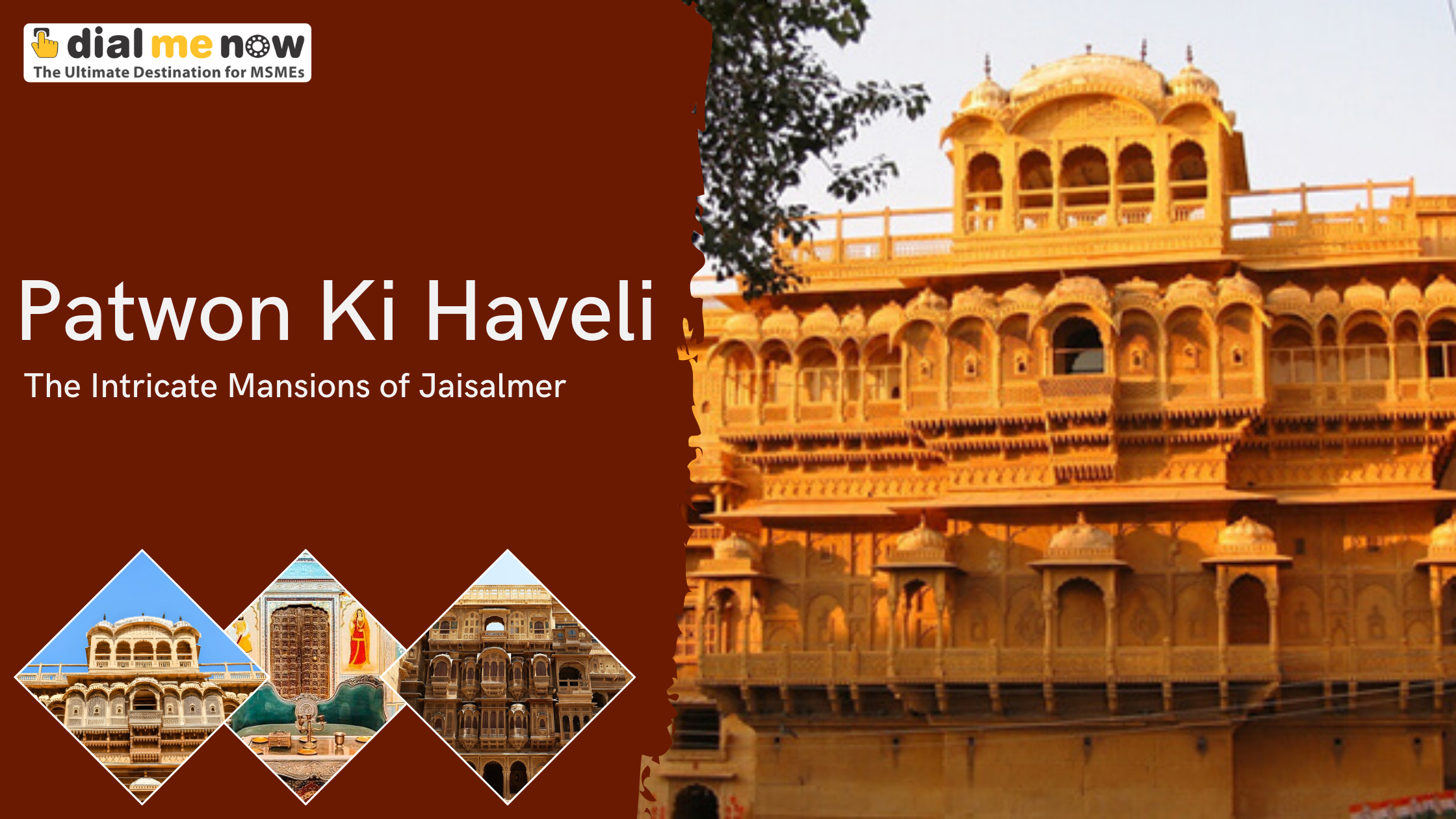
Nestled in the heart of Jaisalmer, Rajasthan—famously known as the “Golden City”—lies a cluster of ornate sandstone mansions collectively known as Patwon Ki Haveli. Constructed in the early 19th century, these havelis represent the pinnacle of Jaisalmer’s merchant aristocracy, their grandeur reflecting the cultural, economic, and architectural zeitgeist of their era.
🏛️ Historical Significance & Origins
- Founded by Guman Chand Patwa: In 1805, Guman Chand Patwa, a wealthy Jain merchant renowned for brocades, gold, silver, and precious-stone trading, commissioned the first and largest mansion—later called Kothari’s Patwa Haveli.
- Legacy of the Five Brothers: Over approximately five decades, Patwa’s four sons expanded the complex, each constructing a mansion adjacent to their father’s, yielding the iconic ensemble of five.
- Architectural Landmark: These havelis stand among Rajasthan’s earliest and most elaborate merchant residences, showcasing a fusion of Rajput and Mughal styles with exquisite frescoes, jharokhas (ornamental balconies), arches, and carved sandstone.
🧭 Architectural & Aesthetic Marvels
- Yellow Sandstone Mastery: Crafted from Jaisalmer’s iconic honey-hued stone, Patwon Ki Haveli radiates warmth that shimmers in sunlight.
- Intricate Carvings & Stonework: Facades and interiors are adorned with meticulously carved floral motifs, geometric patterns, religious iconography, and mythological scenes influenced by Ramayana and Mahabharata tales .
- Jharokhas & Courtyards: Each mansion is centered around stunning courtyards, lending light, ventilation, and aesthetic charm. Jharokhas serve dual purposes: architectural beauty and discreet viewing points for women observing street life.
- Mirror Work & Frescoes: Ceilings and walls glint with mirror-work (shisha), vivid murals, patterned wooden structures, and stained glass—underscoring the artisanship of its creators.
📜 The Cultural & Social Tapestry
- Merchant Class Status Symbols: The havelis were more than homes—they were powerful statements of wealth, status, and cosmopolitan identity. Hosting business deals, familial functions, and art displays, they embodied the lifestyle of prosperous traders.
- Blend of Traditions: These structures reflect Rajput elements like chhatris (domed pavilions) and Mughal influences visible in arches, latticework, and expansive balconies.
- Courts of Tradition: The multi-courtyard design catered to ceremonial life—ranging from Tulsi worship to weddings, private gatherings, and festival celebrations.
🧭 Visiting Guide: Tips for Travelers
🕰️ Operational Details
- Opening Hours: Open daily, typically from 9 AM to 5 PM; timing may shift slightly by season or local holidays.
- Entry Fees:
- Indians: Approx ₹20–₹50
- Foreign tourists: Approx ₹100–₹200
- Extra fee for camera/video: ₹50–₹100
💡 Travel Tips
- Visit Early or Late: Beat the midday heat and crowds—ideal times are early morning or late afternoon.
- Hire a Guide: For ₹100–₹200, guides bring alive the stories behind each architectural and decorative element.
- Stay Hydrated and Comfortable: Jaisalmer’s climate is harsh—bring water, wear a hat, and opt for comfy shoes.
- Respect the Heritage: No climbing on balconies or touching fragile carvings.
- Combine with Nearby Sights: In proximity to:
- Jaisalmer Fort (Sonar Quila)
- Nathmal Ki Haveli (famous for dual-family construction)
- Gadisar Lake
- Camel rides and Sam Sand Dunes
🌞 Best Time to Visit
- October–March: Cool, pleasant weather ideal for exploration. Summer (April–June) can be scorching, especially midday.
- Winter Evenings: Atmospheric lighting enhances the sandstone’s glow—particularly beautiful at dusk.
🏰 Cultural Purpose & Modern Role
- From Home to Museum: Several sections have been converted into museums, showcasing vintage textiles, jewelry, religious artifacts, household items, manuscripts, and furniture.
- Living Heritage: While some rooms still house descendents or caretakers, public access preserves the legacy for new generations.
- Tourism Anchor: As one of Jaisalmer’s most visited landmarks, it anchors cultural tourism, supports local artisans, and promotes preservation efforts.
📌 Cultural Insights for Visitors
- Local Jain Traditions: The Patwa family adhered to Jainism; their piety influenced the haveli’s motifs and decor.
- Social Customs in Stone & Paint: Frescoes depict festive celebrations, folk dances, epic tales—fragmented reflections of bygone social rituals.
- Merchant Anthropology: The merchant class drove cultural patronage—building art, literature, and architecture echoing their prosperity.
🛒 What to Do & See
- Detailed Tour: Walk through the five mansions, each with distinct flair. Don’t miss the grand Kothari Patwa Haveli.
- Staircase to Story: Ascend to upper floors for sweeping views of Jaisalmer city and beyond.
- Museums & Collections: Explore curated artifacts showing old-world Rajasthani life.
- Photography: An ogle of beautifully carved jharokhas, water-shadowed courtyards, mirror-rich halls—photographer’s delight.
- Local Crafts: Small craft shops nearby sell block-printed fabrics, silver, and miniature paintings.
🌍 Connecting Through Nearby Gems
- Jaisalmer Fort: Living fort dating back to 1156 CE, housing people, temples, shops. A UNESCO World Heritage site.
- Nathmal Ki Haveli: Twin-facade marvel built by two brothers—known for mismatched symmetry.
- Gadisar Lake: Historic reservoir—ideal for boating and serene views.
- Sam Sand Dunes: Desert escapades—camel rides, cultural evenings, Rajasthani folk music.
✨ Conclusion
Patwon Ki Haveli is a treasure trove of Jaisalmer’s golden age—melding architectural splendor, merchant ambition, and cultural legacy. With its interwoven narratives of religion, artistry, and social evolution, it stands as a vivid portal into 19th-century Rajasthan. Whether you are an architecture enthusiast, history buff, photographer, or cultural traveler, this ensemble of sandstone mansions offers an enriching experience. Plan your visit with care—respect its heritage, stay attuned to practical tips, and let the grandeur of Jaisalmer’s merchant legacy captivate your journey.
⚠️ Disclaimer
This blog is intended for general informational purposes only. While every effort has been made to maintain accuracy, entry fees, timings, and other practical details may change. We recommend verifying current information with local authorities or the official site before visiting.
❓ Frequently Asked Questions (FAQs)
Q1. Why is it called Patwon Ki Haveli?
Because the complex comprises five mansions built by Guman Chand Patwa and his four sons. “Patwon” means “of the Patwas”.
Q2. Who can visit Patwon Ki Haveli, and what’s the entry cost?
Open daily from ~9 AM to 5 PM; approx ₹20–₹50 for Indians and ₹100–₹200 for international tourists, plus nominal camera fees.
Q3. How much time should I allocate for a visit?
Allocate 1.5 to 2 hours—to leisurely explore the courtyards, interiors, museum, and photographic nooks.
Q4. Is it wheelchair accessible?
Due to centuries-old design, expect narrow staircases and uneven flooring. Accessibility is limited—planning accordingly is advised.
Q5. Are guided tours available?
Yes. Local licensed guides offer tours for around ₹100–₹200, providing vivid commentary on architecture, family history, and artistic details .
Q6. Can I combine this visit with other attractions nearby?
Absolutely. Within walking distance of Jaisalmer Fort, Nathmal Ki Haveli, local markets, and later in the day, the Sam dunes for a desert experience.