

Mandore Gardens: Discover Jodhpur’s Royal Ruins
7/22/2025
Introduction
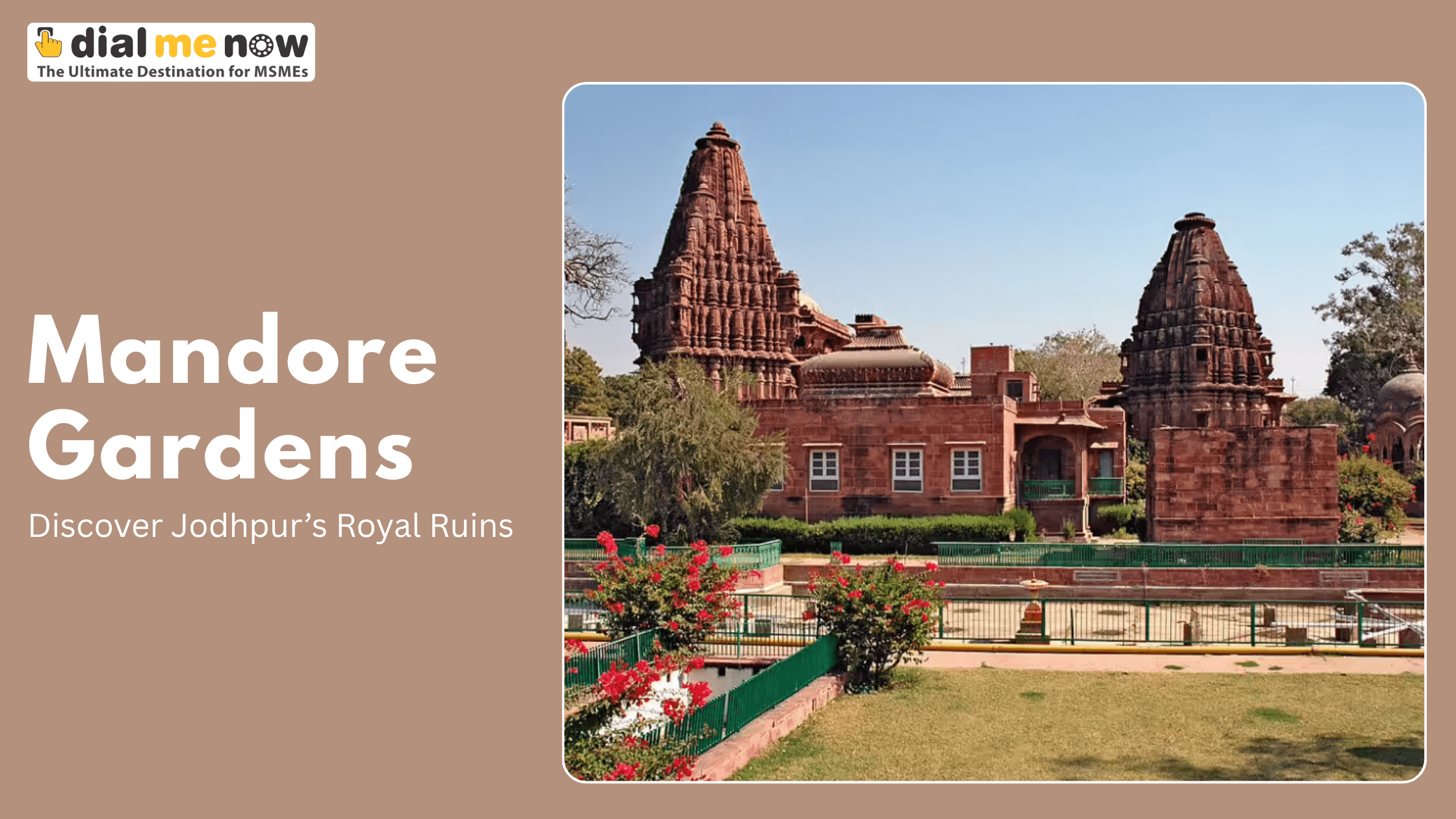
Nestled just 9 kilometers north of Jodhpur, the Mandore Gardens stand as a timeless tribute to the grandeur of Rajasthan’s royal legacy. Before Jodhpur even existed, Mandore was the capital of the Marwar Kingdom. Today, its remains whisper tales of valor, devotion, and artistic brilliance. With its blend of architectural marvels, lush gardens, royal cenotaphs, and ancient ruins, Mandore Gardens offers a tranquil yet historically rich escape for travelers.
In this blog, we will uncover everything about this forgotten jewel — its history, spiritual relevance, cultural purpose, architectural elegance, and travel tips to ensure you get the most immersive experience while visiting this serene heritage site.
1. Origins of Mandore
A Capital Before Jodhpur
The history of Mandore stretches back to the 6th century, when it was the seat of the Gurjara-Pratihara dynasty. Known as “Mandavyapur,” the city was a flourishing capital with temples, civic spaces, and defense outposts.
Archaeological remains suggest that Mandore had urban features such as:
- Fortified walls
- Public water reservoirs
- Early temples with inscriptions
Even before the Rathores, Mandore was a spiritual and strategic hub due to its location at the crossroads of trade and pilgrimage routes.
2. Rise of the Rathores
The Rathores, a Rajput clan, entered the picture in the 13th century when Rao Chunda married the Princess of Mandore, thus securing the city as part of his dowry. His successors, especially Rao Ranmal and Rao Jodha, played key roles in shaping Marwar’s destiny.
- Rao Ranmal governed both Mandore and Mewar until he was assassinated.
- Rao Jodha, his son, avenged his father’s death and reclaimed Mandore.
- Eventually, in 1459, Rao Jodha shifted the capital to a safer and more strategic location — Jodhpur — and built the Mehrangarh Fort.
Though political focus moved to Jodhpur, Mandore retained its importance as the royal cremation ground and ceremonial site.
3. Architecture of Mandore Gardens
Mandore Gardens isn’t just a garden — it’s an architectural museum in the open.
Stylistic Features
- Red sandstone architecture
- Temple-like structures instead of traditional chhatris
- Ornate pillars, high spires, and domed ceilings
- Engraved walls with inscriptions and portraits of kings
This architecture blends Rajasthani temple art, Indo-Aryan features, and Islamic arches. The cenotaphs (dewals) are unlike those seen elsewhere in Rajasthan, often resembling small temples more than funerary structures.
4. The Royal Cenotaphs (Dewals)
The most striking feature of Mandore Gardens is the collection of cenotaphs (dewals) of the Rathore rulers. Unlike traditional flat tombs or simple chhatris, these are:
- Multi-storied
- Temple-shaped
- Decorated with intricate stone carvings
Notable Cenotaphs
- Maharaja Ajit Singh’s Dewal: The most impressive one, with beautiful columns and expansive halls.
- Maharaja Jaswant Singh’s Memorial: Lesser-known compared to Jaswant Thada, but no less artistic.
- Dewals of Maharanis: Smaller but equally detailed structures honoring royal women.
These structures serve as both spiritual markers and historical timelines, preserving the memories and legacies of generations.
5. Temples and Shrines
Ravana Temple
Unique to Mandore is the Ravana Temple, dedicated to the mythological king of Lanka. According to folklore, Ravana was married to Mandodari, a Mandore princess. Hence, he is considered a son-in-law of the land.
Temple of 33 Crore Gods
This fascinating temple features painted images and idols of millions of Hindu deities — not literally 330 million, but symbolically representing the vast pantheon of Hinduism.
Other small shrines within the garden are dedicated to:
- Shiva
- Hanuman
- Vishnu
- Durga
6. The Hall of Heroes
A semi-circular monument within the gardens is the Hall of Heroes. It features:
- 15 rock-cut figures of Rajput folk heroes and deities
- Each statue is accompanied by legends and folk tales
- Depictions include Tejaji, Rana Hammir, and other brave warriors
This hall reflects Marwar’s rich oral traditions, where bravery, honor, and loyalty form the foundation of heroism.
7. The Government Museum
Inside Mandore Gardens is the Mandore Government Museum, offering:
- Artifacts from Mandore and early Marwar period
- Sculptures, inscriptions, weaponry, and clothing
- Coins and pottery from the Gurjara-Pratihara and Rathore eras
- Painted scrolls and manuscripts
Open from 10 AM to 4 PM, closed on Fridays. Entry is nominal.
8. Mandore Fort and Ancient Ruins
Behind the gardens lie the ruins of Mandore Fort, now partially reclaimed by nature.
Features
- Old walls, gateways, and crumbling stairways
- Graffiti-covered halls and temples
- Great view over the city and surrounding landscape
Though not restored fully, it offers a hauntingly beautiful glimpse into a forgotten stronghold.
9. Cultural Significance and Festivals
Mandore isn’t just a relic—it remains alive through festivals, rituals, and cultural programs.
Events Held Here
- Naag Panchami
- Veerpuri Mela
- Hariyali Amavasya
- Rao Festival honoring the Rathore rulers
- Folk music recitals and dance shows in winter seasons
Local communities also come here during major Hindu festivals to pray at temples and celebrate traditional customs.
10. Balsamand Lake – The Nearby Oasis
Just a few kilometers from Mandore Gardens lies the serene Balsamand Lake. Built in the 12th century as a water reservoir, today it’s:
- Surrounded by gardens and the Balsamand Palace
- Habitat for peacocks, monkeys, and migratory birds
- Great spot for picnics, walks, and photoshoots
Combine your visit to Mandore with Balsamand Lake for a full half-day heritage tour.
11. Flora and Fauna in the Gardens
Mandore Gardens offers more than history; it’s also a green paradise.
Flora
- Neem
- Banyan
- Ashoka
- Flowering shrubs and medicinal herbs
Fauna
- Langurs (friendly and photogenic)
- Peacocks
- Parrots and local birds
- Butterflies and bees around flowering trees
The garden layout promotes eco-tourism and offers a cooling respite from the Jodhpur sun.
12. Visitor Guide
📍 How to Reach
- By Road: 9 km from Jodhpur city; autos and taxis available.
- By Train: Jodhpur Railway Station is nearby; connect via tuk-tuk.
- By Air: Jodhpur Airport (~12 km away).
🕰 Timings
- Gardens: 8 AM – 8 PM (Daily)
- Museum: 10 AM – 4 PM (Closed on Fridays)
🎟 Entry Fees
- Gardens: Free
- Museum: ₹50 for adults; ₹25 for children (Indian nationals)
📸 Photography
- Allowed in all outdoor areas
- Museum may charge extra for camera use
- Drones not permitted without special permission
🧳 What to Carry
- Water bottle
- Sunglasses and sunscreen
- Walking shoes
- Light shawl/scarf (for temples)
⏱ Ideal Duration
2–3 hours for Mandore Gardens
4–5 hours if combining with Balsamand Lake
13. Conclusion
Mandore Gardens is where history breathes, culture whispers, and nature smiles. It’s not just a forgotten chapter of Jodhpur’s royal story, but a living archive of Marwar’s soul — where the dewals stand tall, the gods sit in painted temples, and the breeze carries tales of Rajput valor. Whether you’re a history buff, spiritual seeker, photographer, or casual traveler, a visit to Mandore is a journey into the heart of Rajasthan’s past.
14. Disclaimer
This blog is for informational purposes only. Timings, ticket prices, and operational guidelines may change. Please verify current details with Rajasthan Tourism or the site’s official entry gate before planning your visit.
15. FAQs
Q1: Is Mandore Gardens safe for solo travelers or families?
Yes, it’s safe and frequently visited by locals. Be cautious near ruins and don’t feed the monkeys.
Q2: Are guides available?
Local guides are available near the entry gate. You can also find guided packages from tour operators.
Q3: What is the best time to visit?
November to February offers pleasant weather. Visit early morning or late afternoon for the best light and cooler temperatures.
Q4: Are food and beverages available?
Small stalls and tea vendors are near the entrance, but it’s advisable to carry bottled water and light snacks.
Q5: Are wheelchairs or disabled facilities available?
Some parts are accessible, but due to terrain and old stairs, not all areas are wheelchair-friendly.