

Local Drinks of Rajasthan: A Sip of Heritage, Health & Heart
9/23/2025
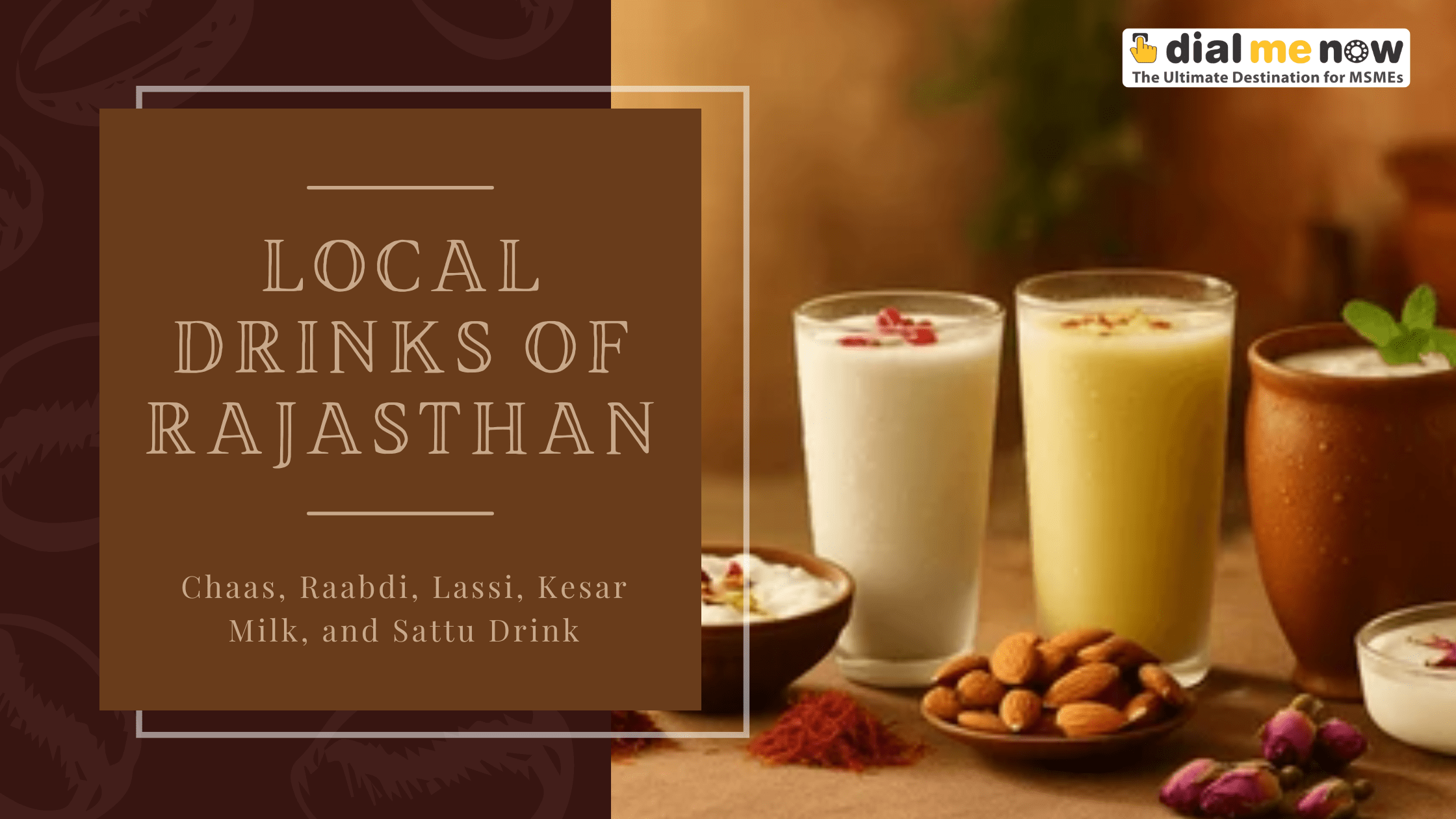
Rajasthan. Just the name evokes images of golden deserts, painted forts, vibrant turbans, folk music, and rich traditions. But what about its drinks—the liquids that refresh, nourish, and soothe under the harsh sun? In Rajasthan, local drinks are more than just hydration; they are history, culture and care in a glass. Today we explore Chaas, Raabdi, Lassi, Kesar Milk, and Sattu Drink—what they are, why they matter, how they are made, and how you can enjoy them yourself.
Introduction: Why Drinks Matter in Rajasthan
Rajasthan is known for its extreme climate. Scorching summers, low humidity in many parts, sandstorms, and long days under the sun make dehydration a real risk. Over centuries, people developed drinks that are:
- Cooling & hydrating
- Nutritious
- Easy to prepare with locally available ingredients
- Culturally tied to festivals, meals, and daily routines
The result? A treasure trove of beverages—simple, wholesome, yet effective. These drinks not only quench thirst but nourish the body, aid digestion, soothe the nerves, and even uplift the mood.
1. Chaas – The Ever-Soothing Buttermilk
What is Chaas?
Chaas (sometimes called Chhanch or Takri) is a traditional Indian buttermilk drink made by diluting yogurt with water, adding spices or herbs. In Rajasthan, chaas is ubiquitous—served at meals, offered to guests, relished after a walk, carried by cowherds, or used as a digestive aid.
Origins & Cultural Significance
- Origin: Chaas has its roots in practices spanning many centuries in India. In arid zones like Rajasthan, yogurt was (and remains) easier to preserve than raw milk, and diluting it with water both conserves yogurt and produces a cooling liquid.
- Cultural role: Often offered after meals to aid digestion (especially after spicy or heavy food). Also used in festivals. Sometimes served cold with crushed ice or kept cool in earthen pitchers (matkas).
Ingredients & Variants
Basic ingredients:
- Yogurt (curd), preferably thick, fresh
- Water
Spices & herbs (optional, but common):
- Roasted cumin powder (jeera powder)
- Black salt or regular salt
- Fresh chopped coriander or mint
- A pinch of asafoetida (hing) in some regions
Variants:
- Masala Chaas: with spices like ginger, green chili (very fine), roasted cumin etc.
- Sweet Chaas: Less common, but some may add sugar or jaggery
- Butter Chaas: Chaas with a bit of butter or cream for richness
Health Benefits
- Rich in probiotics due to yogurt: supports gut health.
- Helps in cooling the body, thus reducing heat stress.
- Helps digestion: spices like cumin, asafoetida are good for digestive enzymes, reduce bloating.
- Low in calories (if not loaded with cream or sugar) but filling.
How to Prepare Chaas (Simple Recipe)
Here’s a traditional way to make about 500ml of Chaas:
Ingredients:
- ½ cup thick yogurt (about 100-120 grams)
- 2 cups cold water
- ½ tsp roasted cumin powder
- ¼ tsp black salt (adjust to taste)
- Optional: small pinch of hing, chopped coriander or mint
Method:
- Whisk yogurt until smooth and lump-free.
- Add cold water slowly while whisking to get a uniform, light texture.
- Add roasted cumin powder, black salt, hing. Mix well.
- Garnish with finely chopped coriander or mint.
- Serve chilled. Optionally, refrigerate for an hour or more.
Tips to Enhance
- Use cold water or chilled water for best cooling effect.
- If possible, use matka (earthen pot) to store/chill for that earthy flavor.
- Fresh roasted cumin gives better aroma; roasting yourself is preferable to pre-ground.
- For travel, keep ingredients separate; assemble just before drinking so it’s fresh.
2. Raabdi – Sweet, Thick & Rich
(Sometimes spelled Rabri / Rabdi / Rabdi depending on region)
What is Raabdi?
Raabdi is a thick, sweetened milk delicacy, reduced over long hours, often flavoured with nuts, saffron (kesar), cardamom, sometimes fruits. It is not exactly a “drink” in the usual thin-liquid sense—it straddles the line between drink and dessert. In Rajasthan, especially during fairs, festivals, or as a cooling night treat, Raabdi is deeply loved.
Origins & Cultural Role
- A dessert tradition, possibly with roots in royal kitchens. When milk was abundant, families would devote time to reduce milk slowly, add flavourings and share.
- Often associated with celebrations, weddings, religious occasions. Given its richness, Raabdi signals generosity, hospitality.
- Also considered comforting; on cooler nights, a small bowlful can warm and satisfy.
Ingredients & Variants
Core ingredients:
- Full-fat milk (often buffalo milk or thick cow’s milk)
- Sugar or jaggery (often sugar in Rajasthan)
- Flavorings: cardamom, saffron, sometimes rose water
- Nuts: almonds, pistachios, cashews
- Sometimes khoya or mawa (milk solids) to add extra creaminess
Variants:
- Plain Raabdi (just milk reduced, sugar and cardamom)
- Kesar Raabdi (with saffron)
- Rose or Kesar Rose Raabdi
- Stuffed / Layered Raabdi (layers with fruits or nuts)
- Seasonal variants: mango-raabdi, etc. if fruits are in season
Health & Nutritional Considerations
- High in calories, rich in fats and sugars. Best consumed in moderate quantities.
- Provides good protein and calcium (from milk and nuts).
- The spices (cardamom, saffron) may have antioxidant properties.
- Digestive values: cardamom helps; but sugar high—so for people with diabetes, moderation is key.
Recipe: How to Make Raabdi at Home
Makes about 1-1.5 litres
Ingredients:
- 2 litres full-fat milk
- ½-¾ cup sugar (adjust to taste)
- 6–8 strands of saffron (kesar)
- 3–4 cardamom pods, crushed
- A handful of chopped nuts (almonds, pistachios)
- Optional: 2 tbsp milk solids (khoya/mawa)
Method:
- Bring milk to boil in a wide, heavy-bottomed pan to prevent burning.
- Reduce heat to medium-low; let it simmer, stirring occasionally. Milk will reduce—skin forms on top; break it and let milk continue.
- When milk reduces to about half (or more, depending on thickness desired), add sugar; stir well.
- Add saffron (soaked in 1–2 tbsp warm milk previously) and crushed cardamom.
- Add nuts and optionally mawa.
- Continue simmering until the mixture is thick and creamy (depends on how thick you want it).
- Remove from heat; allow it to cool slightly. Serve warm or chilled.
Tips & Serving Suggestions
- Use heavy-bottomed pans to avoid burn/trash bottom.
- Reduce slowly; avoid boiling too hard; constant stirring near bottom is helpful.
- Saffron gives aroma and color; soak saffron in warm milk ahead of adding to fully extract color.
- When cooling, sometimes the top skin is preserved for texture; many people like that thin layer.
- Serve in small portions, maybe with a dash of chopped nuts on top.
3. Lassi – The Classic Yogurt Drink
What is Lassi?
Lassi is a yogurt-based drink, richer and thicker than chaas. It can be sweet or salty, plain or flavored. In Rajasthan, especially in places like Jodhpur, Udaipur, Pushkar, and in villages, lassi is an essential during breakfast or in the heat of afternoon.
Origins & Cultural Significance
- Yogurt itself (dahi) is an ancient food in India. Lassi likely evolved as a way to enjoy yogurt more richly, sometimes as a dessert-drink, sometimes as a meal accompaniment.
- In Rajasthan, lassi serves as both refreshment and sometimes meal replacement, especially in villages where cooling effects matter.
- Sweet lassi may follow meals; salted or masala lassi may go with spicy food.
Types & Variants
- Sweet Lassi: Yogurt blended with sugar (or jaggery), often flavored with cardamom, rose water, sometimes fruits like mango, strawberry.
- Salted / Masala Lassi: Yogurt with salt, roasted cumin, black pepper, mint or coriander.
- Thick Lassi: Sometimes creamier, whipped, sometimes topped with malai (cream) or butter.
- Flavored Lassi: Mango lassi is famous, but in Rajasthan you might see special seasonal fruit lassis (like aam, jamun etc.), or saffron (kesar) lassi.
Nutritional Value & Health Notes
- Good source of protein, calcium, probiotics.
- Fermented yogurt helps gut microbiome.
- Sweet lassi: high sugar → moderation.
- Salted/masala lassi: electrolyte balancing, especially in heat.
Recipe: Making Lassi
Approximately 500 ml
Ingredients:
- 1 cup chilled yogurt
- ½ cup cold water or milk (for thinner consistency; bring you to desired thickness)
- For sweet lassi: 2-3 tbsp sugar (adjust) + a pinch of cardamom powder, maybe a few strands of saffron
- For salty/masala: salt to taste, roasted cumin powder, mint or coriander
Method (Sweet Lassi):
- Whisk yogurt until smooth.
- Add cold water/milk; whisk to desired consistency.
- Add sugar and flavorings (cardamom, saffron). Whisk again until frothy.
- Serve chilled. Garnish with saffron or nuts.
Method (Masala Lassi):
- Yogurt + water, whisk smooth.
- Add salt, roasted cumin, finely chopped coriander/mint, maybe a pinch of black pepper.
- Chill and serve.
Serving & Variations
- Often served in tall glasses with foam on top.
- In villages, sometimes served in matkas or brass/copper pots which help keep it cool.
- Accompany spicy Rajasthani dishes (dal baati, mirchi bada, etc.) to balance.
4. Kesar Milk – Golden Warmth
What is Kesar Milk?
“Kesar Milk” refers to milk flavored or infused with saffron (kesar), possibly cardamom, sometimes sugar or honey. In Rajasthan, where saffron has been historically valued and used in royal kitchens, kesar milk is a luxurious treat—a warming, soothing drink especially in the evening or during cold nights.
Cultural & Contextual Role
- Saffron is expensive; so kesar milk signals a special drink—not everyday for many, though more common in households that can afford it.
- Given in winters for warmth, in cold desert nights.
- Sometimes used medicinally: saffron is considered to have mild mood-elevating, antioxidant properties.
- Also used as a comfort drink (especially when someone is unwell, or after long journeys).
Ingredients & Variants
Basic ingredients:
- Full-cream milk
- Saffron strands
- Cardamom
- Sugar or honey (optional)
Variants:
- Plain Kesar Milk: only saffron and milk (and sugar)
- Kesar-Cardamom Milk: adding cardamom
- Nutty Kesar Milk: topping with chopped almonds/pistachios
- Rose Kesar Milk: adding rose water or rose petals
Nutritional Value & Health Notes
- Milk provides calcium, protein, vitamin B’s; saffron provides antioxidants, may assist mood, digestion.
- Sugar adds calories; using honey is better if wanting a healthier option.
- If someone is lactose intolerant or sensitive, alternatives (like lactose-free milk or plant-based) maybe possible but flavor will differ.
Recipe: How to Make Kesar Milk
About 500 ml
Ingredients:
- 2 cups full-fat milk
- 6–8 saffron strands (soaked in a tablespoon of warm milk or water)
- 2-3 cardamom pods, lightly crushed
- 1-2 tbsp sugar or honey (adjust)
- Optional: chopped nuts for garnish
Method:
- Bring milk to boil in a saucepan over medium heat.
- Add crushed cardamom. Let it simmer for a few minutes.
- Lower heat; add saffron (with its soaking water), stir. Allow to simmer gently for 3-5 minutes so milk gains saffron color and aroma.
- Add sugar/honey and stir until dissolved.
- Remove from heat. Let sit for a bit for flavors to blend.
- Serve warm or chilled, with chopped nuts on top.
Tips & Serving Suggestions
- Use good quality saffron; color and fragrance matter.
- Use thick milk; you may even add a tsp of milk solids (khoya) for richness.
- Warm it slightly; if serving cold, refrigerate and stir before serving (saffron sediments settle).
- Pair with dry cookies or biscuits as a soothing bedtime drink.
5. Sattu Drink – The Powerhouse in a Glass
What is Sattu?
Sattu is roasted gram flour (chickpea or Bengal gram / chana), finely ground. The drink made from sattu (Sattu Drink) is a traditional cooling, energizing beverage. While sattu is more associated with Bihar, UP and parts of North India, it has also been embraced in Rajasthan—especially in the Thar and arid regions—because it’s very efficient nutrition in minimal water, ideal for desert conditions.
Origins & Cultural Role
- Historically, sattu made from roasted pulses (gram) was a nourishment for travellers, farmers, workers—it gives protein, energy, withstands heat.
- In Rajasthan’s desert climate, where food may be scarce, sattu drink provides calories, nutrients, and considered “cooling” due to its roasted nature and digestive properties.
- Also valued for its satiety; helps endurance in physically demanding conditions.
Ingredients & Variants
Basic ingredients:
- Sattu flour (roasted gram flour)
- Water (cold or chilled)
- Salt or sugar depending on sweet/savory version
Flavorings:
- Roasted cumin powder
- Black salt
- Chopped onion, coriander, green chilli (for savory)
- Lemon juice
- Mint
- Spices (chat masala, black pepper)
- For sweet: sugar, jaggery, sometimes roasted nuts
Variants:
- Savory Sattu Drink: with salt, spices—used like a meal replacer sometimes.
- Sweet Sattu Drink: sugar or jaggery
- Lemon Sattu: adding lime juice to sour/savory version
- Sattu Sherbet: sweetened, flavored like a cooling sherbet
Health & Nutrition
- Excellent source of plant protein, fibre.
- Roasted gram is low in fat; sattu floor is low Glycemic Index compared to refined sugars.
- Good for digestion; roasted flours are easier to digest.
- Helps in endurance, prevents exhaustion.
- Good for diabetics in moderation—sweet version should limit sugar.
Recipe: How to Make Sattu Drink
Makes about 500 ml
Ingredients (Savory Style):
- 2 tablespoons sattu flour
- 1 cup cold water (chilled better)
- Pinch of salt
- ¼ tsp roasted cumin powder
- Black salt if available
- 1-2 teaspoons lime juice
- Optional: finely chopped onion, green chilli (optional mild), coriander or mint
Ingredients (Sweet Style):
- 2 tbsp sattu flour
- Cold water
- Sugar or jaggery (to taste)
- Optional: roasted nuts, cardamom
Method (Savory):
- In a glass or bowl, take sattu flour, salt, cumin powder, black salt.
- Add a little water to make a smooth paste (no lumps).
- Slowly add more cold water, stirring to desired consistency.
- Add lime juice, chopped herbs or vegetables.
- Serve cold, with garnish.
Method (Sweet):
- Mix sattu with a little water as paste.
- Add cold water; sweetener and flavor.
- Stir, garnish, chill.
Tips & Serving Suggestions
- Mix sattu well; avoid lumps (a small whisk helps).
- Keep cold water ready; chilling ingredients helps.
- Roasted cumin, black salt add smoky, tangy flavour which many love.
- In villages, sattu drink may be carried in flasks or skin-bags; people drink when needed to regain strength.
Comparative Guide: When to Drink What?
Here’s a rough guideline to help you pick which drink when, depending on context:
| Situation | Best Drink(s) |
| After a spicy meal | Chaas or Masala Lassi — soothe, aid digestion |
| In the heat of the day | Chaas or Sattu Drink (savory) — refreshing and cooling |
| As dessert or sweet craving | Raabdi, Sweet Lassi, Kesar Milk |
| During cold nights or winter | Kesar Milk, Raabdi (warm), Sweet Lassi (maybe warm) |
| When needing energy (work, travel) | Sattu Drink — provides protein and sustained energy |
| Hospitality / festive setting | Raabdi, Kesar Milk, Sweet Lassi — richer drinks as kindness gesture |
Ingredients & Local Sourcing Tips
To really enjoy these drinks traditionally, here are some insights into ingredients in Rajasthan:
- Milk & Yogurt: Many homes still rely on village dairy farms (often cow or buffalo). Yogurt tends to be thicker due to higher fat content; sometimes cultured at home which gives natural sourness and texture.
- Saffron (Kesar): Though Kashmir is famous, some saffron is used in Rajasthan; quality matters. Skilled vendors will weigh and show real strands, avoid dyed or imitation.
- Spices: Roasted cumin (jeera), black salt, cardamom, hing—all often locally sourced or from nearby regions; freshness affects taste heavily.
- Sattu: Might not be always available in towns, but in markets you’ll find good sattu flour often labelled “bhuna chana” (roasted gram). Make sure it’s finely ground and has pleasant roasted aroma.
Modern Twists & Adaptations
As is often the case, tradition meets innovation. Here are some modern ideas, fusion drinks, healthier adaptations etc.:
- Fruit-Lassi Fusion: Mango, strawberry, papaya, even melon lassis with reduced sugar.
- Plant-Based Versions: Using soy yogurt or almond milk yogurt for lassi or chaas (for lactose-intolerant people), although taste/texture differ.
- Sugar Alternatives: Use jaggery, honey, stevia for sweet drinks.
- Protein Boosts: Add a scoop of protein powder (vanilla or unflavored) to lassi or sattu drink for fitness enthusiasts.
- Herbal Enhancements: Add mint, basil (tulsi), rose petals for aroma or lemongrass; use dried fruits.
- Presentation: Serve in clay cups (kulhads), brass/copper glasses, or with decorative toppings (silver leaf, saffron threads) especially for festivals, photo/social media.
The Role of These Drinks in Maintaining Health
Let’s look beyond just taste—how these drinks help with health, especially in Rajasthan:
- Hydration & Electrolytes: With high temperatures, loss of sweat is large. Drinks like chaas (with salts), sattu drink (with electrolytic salts like black salt), lassi (with water, yoghurt) help restore balance.
- Cooling Effects: Dairy in general has thermogenic effects (when metabolized, heat absorption), and lassi/chaas help reduce body temperature.
- Digestive Aid: Yogurt’s probiotics; spices like cumin, cardamom; sattu’s fiber—support digestion, reduce bloating or gas. Especially important with spicy, heavy Rajasthani foods.
- Nutrition: Milk, yogurt, nuts — protein, calcium, fats. Sattu — plant protein. These drinks can help people whose diets might otherwise lack diversity (especially rural areas).
- Mental & Emotional Comfort: Warm drinks like kesar milk at night; sweet raabdi as reward; these comfort people, nurturing beyond physical body.
Possible Cautions & Moderation
No food/drink is perfect for everyone—for balance and health, some cautions:
- Sugar overload: Sweet versions (raabdi, sweet lassi, sweet sattu) can be high in sugar; may not be suitable for diabetics or for daily consumption in large amounts.
- Fat content: Full-fat milk, cream, nuts add calories. For weight management, lighter versions or smaller servings are better.
- Milk hygiene: Make sure milk, yogurt are well-handled, properly boiled or pasteurized; avoid spoiled or contaminated dairy which can cause illness.
- Allergies & sensitivities: Some people may have milk/dairy intolerance; use substitutes. Also spices like cardamom, nuts—possible allergens.
- Cost: Ingredients like saffron, nuts, full-fat dairy can be costly for some households. Use sparingly.
Putting It All Together: Sample Rajasthan Drink Menu
For a cultural event, festival, or even a dinner party inspired by Rajasthan, here’s how you might present these drinks:
- Starter/Welcome Drink: Cold Chaas with roasted cumin & mint — refreshing to begin.
- Main Course Pairing: Masala Lassi alongside spicy Rajasthani food (dal-baati, gatte, ker sangri etc.).
- Dessert/After Meal: Raabdi with chopped nuts, or Kesar Milk served warm.
- Energy Booster: Sattu Drink (savory) in mid-afternoon or late afternoon, especially for outdoor work or guests travelling.
- Nightcap or Comfort Drink: Warm Kesar Milk before bed.
FAQs (Frequently Asked Questions)
Q1: Can I substitute regular milk with dairy-free milk (almond, soy) in these drinks?
A: Yes, for many drinks like lassi and kesar milk you can try plant-based milks. However, texture, creaminess, and flavor will be different. Yogurt made from non-dairy milks behaves differently in terms of set and thickness. Roasted gram sattu drink may be easier to adapt (non-dairy).
Q2: How to store these drinks safely, especially in desert or hot climate?
A: Always use clean, sterilized containers. Refrigerate drinks like raabdi after cooking; consume within 24-48 hours. For chaas, lassi, keep chilled; if transported, use insulated containers. Avoid leaving dairy at room temperature for long. For sattu drink, prepare fresh; if left, it may ferment or spoil.
Q3: How can I reduce sugar/fat without losing taste?
A: Use low-fat or toned/full-cream milk instead of buffalo milk. Use smaller amounts of sugar; alternate with natural sweeteners (jaggery, honey). Use spices like cardamom, saffron, roasted cumin for flavor punch so sweetness is complemented. For richness, use small amount of milk solids rather than heavy cream.
Q4: Are there particular times of the day when these drinks are best consumed?
A: Yes. Cool drinks like chaas or savory sattu in midday to beat heat. Sweet drinks (raabdi, sweet lassi, kesar milk) in evening or after meals. Warm version of kesar milk at bedtime or during cold mornings/evenings. Also, sattu drink as mid-afternoon snack/energie when body needs sustained fuel.
Q5: Can children drink these?
A: Generally yes, but take care with sugar and spices. Sweet lassi or kesar milk are suitable in moderate portions. Sattu drink may be good if mild. Always ensure milk/yogurt is fresh and hygienic. For babies under 1 year, dairy introduction and sugar/spice introduction should follow pediatric advice.
Disclaimer
The content in this blog is intended for informational and educational purposes only. It does not constitute medical advice. If you have specific health conditions—such as diabetes, lactose intolerance, allergies, or other medical concerns—please consult with a qualified healthcare provider before making changes to your diet or consuming any new food or drink regularly. The recipes given are guidelines; adjust ingredients to suit individual health, preference, and local availability.
Conclusion
The local drinks of Rajasthan—Chaas, Raabdi, Lassi, Kesar Milk, and Sattu Drink—are more than mere refreshments. They are expressions of survival, culture, comfort, and community. From cooling, probiotic chaas to rich, dessert-like raabdi; from sweet, indulgent lassi to saffron-kissed kesar milk; from powerhouse sattu drink to every mother’s soothing cup—each has its place in the tapestry of Rajasthani life.
If you try making these at home, remember: quality of ingredients, love in preparation, and moderation in consumption make all the difference. These drinks are simple, but perfection lies in the details. Stay cool, stay nourished—and let every sip carry you closer to Rajasthan’s heart.