

Kota – More Than Just Kota Kachori: A Deep-Dive Guide to Street Food in Rampura Bazaar & Nayapura
9/30/2025
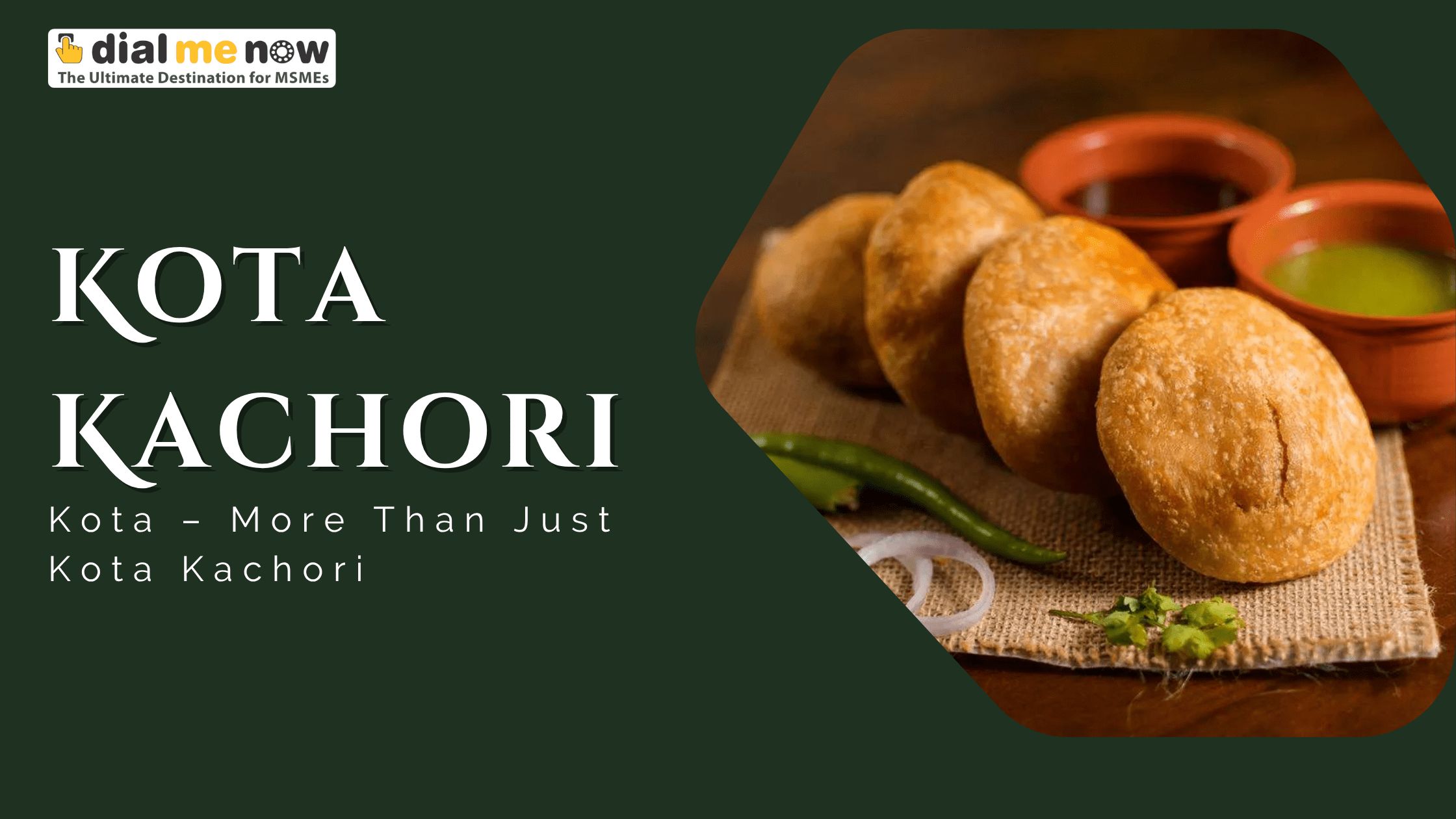
Kota, the bustling education hub of Rajasthan, is often introduced to outsiders through a single, crunchy bite: Kota Kachori. But the city’s street food culture is much richer than one iconic snack. From Poha–Jalebi breakfasts that brightens early mornings to the melt-in-mouth Besan Chakki, Kota’s flavors are layered, vegetarian-friendly, and deeply rooted in tradition. This guide walks you through what to eat, where to find it (Rampura Bazaar & Nayapura), how to order like a local, and how to plan your food trail—with practical tips, prices, hygiene pointers, and plenty of SEO-friendly nuggets for those who want this content to rank.
1) Why Kota’s Street Food Scene Matters
Kota isn’t just about coaching institutes and exam prep. Its streets hum with fryers sizzling, kadhais bubbling, and sweet-scented halwais shaping confections. Locals and visiting families line up for breakfast as early as 7:00 AM, and markets keep the snack parade going till late evening. What sets Kota apart?
- Consistency: Generations of halwais have refined recipes to suit the city’s climate and pace.
- Vegetarian focus: Most street offerings are purely vegetarian, making Kota a natural fit for veg travelers.
- Price-to-pleasure ratio: You can taste a lot without spending a lot.
- Walkable markets: Rampura Bazaar and Nayapura concentrate classic stalls within easy walking distance, perfect for a structured food crawl.
2) The Star: Kota Kachori
Kota Kachori is the city’s edible calling card. Think of it as a crisp, flaky, golden shell enveloping a spicy, tangy, often onion-forward filling (variations use dal or pyaaz blends). The magic lies in:
- Fresh fry: The best places fry on demand, so your kachori arrives piping hot.
- Texture play: Shatteringly crisp crust, spiced filling, and a generous pour of spicy-green and sweet-tamarind chutneys.
- Balance: Heat from the filling + tang from tamarind + brightness from coriander-mint chutney.
How to eat it like a local:
- Ask for it freshly fried (most top vendors do this by default during rush hours).
- Don’t skip both chutneys—ask for “thoda aur khatta–meetha” if you enjoy extra zing.
- Take a first bite without chutney to appreciate the shell, then build up the flavors.
Flavor variants you might encounter:
- Pyaaz Kachori: Onion-heavy filling with warm spices.
- Dal Kachori: Spiced lentil profile, slightly nutty.
- Masala Mix: Vendors sometimes add a sprinkle of special masala on top—go for it if you like bolder heat.
Pairings:
- Masala chai or lassi depending on the weather; in cooler months, chai is unbeatable.
3) Breakfast Classic: Poha–Jalebi Combo
The iconic Rajasthani breakfast plate combines light, lemony poha with a couple of warm, syrupy jalebis. It sounds indulgent (because it is), but it’s also balanced:
- Poha: Fluffed beaten rice tempered with mustard seeds, turmeric, and curry leaves; garnished with coriander, sev, sometimes pomegranate.
- Jalebi: Deep-fried loops soaked in saffron-tinged syrup, adding a sweet counterpoint.
- Why together? The savory, citrusy notes of poha interlock perfectly with the caramel notes of jalebi.
Local ordering tip:
“Poha ek plate, jalebi do piece” gets you a sensible morning portion.
Best time:
Early morning to late morning—the fresher, the better.
4) The Sweet You Can’t Skip: Besan Chakki
Besan Chakki is silky, dense, and rich—a sweet that celebrates gram flour. Unlike crumbly besan ladoos, chakki is pressed into squares, often with a ghee-forward, melt-in-mouth finish.
What to look for:
- Color: Warm golden—not too pale, not burnt.
- Aroma: Nutty besan + ghee; no sharp fried smell.
- Texture: Should slice cleanly; not oily on fingers.
Serving & storage:
- Travels well; great edible souvenir.
- Ask the shop to vacuum-pack or double-wrap for longer shelf life.
Perfect pairing:
A small cup of plain milk or unsweetened chai to balance richness.
5) Where to Eat: Rampura Bazaar & Nayapura
Two names you’ll hear again and again:
Rampura Bazaar
- Vibe: Bustling, old-school market energy, excellent for a kachori-first crawl.
- What to prioritize: Kota Kachori (piping hot), Poha–Jalebi from popular breakfast counters, and fresh lassi or chaas to cool off afterward.
- Timing: Mornings for Poha–Jalebi; late afternoon/evening for kachori and sweets.
Nayapura
- Vibe: Slightly more spread out with a mix of classic stalls and newer shops.
- What to prioritize: Besan Chakki and sweets shopping, plus a second round of kachori to compare styles.
- Timing: Late morning through evening.
Local hack: Try one kachori in Rampura and one in Nayapura. Comparing the crust, spice, and chutneys becomes a fun foodie exercise.
6) How to Plan a Kota Street Food Crawl
Half-Day (Morning Focus)
- 7:30–9:30 AM: Poha–Jalebi in Rampura Bazaar; add a small masala chai.
- 9:45–10:30 AM: Slow walk through Rampura, sample Kota Kachori (share if you’re pacing).
- 10:45–11:15 AM: Head to Nayapura; pick up Besan Chakki for later.
- 11:30 AM: Conclude with a lassi or sweet paan.
Full-Day (Pacing & Variety)
- Morning: Start with Poha–Jalebi in Rampura.
- Midday: Visit a veg thali spot (keep it light to save room).
- Afternoon snack: Kota Kachori round one (Rampura).
- Evening: Kota Kachori round two (Nayapura) + browse sweets; pack Besan Chakki.
Pro tip: Carry a small box or reusable container for takeaways; eco-friendly and keeps snacks from getting soggy.
7) What to Order, How to Order (and Local Lingo)
- “Kachori fresh milegi?” – Ask if they’re frying fresh; most prime-time stalls do.
- “Dono chutney dal do” – Get both chutneys.
- “Poha ek plate, jalebi do” – A balanced breakfast set.
- “Chakki aadha kilo pack kar dijiye” – Good starting quantity for Besan Chakki.
- “Thoda teekha kam” / “thoda meetha zyada” – Tailor spice/sweet levels.
Customization etiquette: Smile, be clear, and stand aside while they plate if the queue is tight.
8) Practical Tips: Hygiene, Budget, Best Time
- Hygiene: Favor stalls that fry fresh and handle money and food separately. Look for covered chutney pots, clean ladles, and paper plates or steel plates.
- Water: Carry your own bottle.
- Best time:
- Poha–Jalebi: 7:00–10:00 AM
- Kota Kachori: Late morning, late afternoon, and early evening
- Besan Chakki: Anytime; fresher batches often arrive late morning
- Dietary notes: Most items are vegetarian; ask about asafoetida (hing) and nut traces if sensitive.
- Cash & UPI: Many vendors accept UPI; keep small cash for speed.
9) Vegetarian Heaven: Why Kota Is Perfect for Veg Food Lovers
Queries like “famous food Kota vegetarian” are common for a reason. Kota’s street landscape is overwhelmingly vegetarian, shaped by community eating habits and historical culinary patterns. That means:
- No FOMO for strict vegetarians—everything from snacks to sweets fits your plate.
- Depth over novelty: Instead of meat substitutes, Kota doubles down on spice craft, texture, and freshness.
10) Price Guide & Portion Pointers (Indicative ranges)
- Kota Kachori: ₹25–₹50 per piece, depending on filling and shop.
- Poha: ₹25–₹40 per plate; Jalebi: ₹15–₹30 for 2 pieces (weight-based at some shops).
- Besan Chakki: ₹350–₹600 per kg, varying by ghee quality and brand.
- Chai/Lassi: ₹15–₹40 for chai; ₹40–₹80 for lassi.
Portions: Start small and share—you’ll want space for comparisons.
11) Traveler Logistics: Getting Around, Best Hours, Etiquette
- Getting around: Auto-rickshaws are abundant; short hops between Rampura Bazaar and Nayapura are quick.
- Best hours: Mornings for breakfast; 4:30–8:00 PM for the liveliest snack window.
- Etiquette: Queue politely, return plates (if reusable), and avoid blocking the service counter when filming photos/videos.
12) Beyond the Big Three: Complementary Snacks & Drinks
While you’re at it, sample a few Kota-adjacent favorites that elevate the core trio:
- Mirchi Vada: Chili fritters, fantastic with sweet chutney.
- Samosa: Check if a stall offers a kachori–samosa comparison; textures differ markedly.
- Dahi Puri/Sev Puri: For those who prefer crunch + yogurt contrasts.
- Rabri: If you love rich dairy desserts, take a small portion after the kachori.
- Buttermilk (Chaas): Cooling, restorative, and pairs well with anything fried.
13) Suggested Photo Spots & Social Media Tips
- Action shots: Ask before recording; capture the kachori drop into hot oil or jalebi spirals forming.
- Close-ups: Macro shots of flaky kachori crust or the syrup sheen on jalebis.
- Captions: Mention Rampura Bazaar or Nayapura along with “#KotaKachori” and “#KotaFood” for discoverability.
- Story flow: Begin with Poha–Jalebi sunrise, end with Besan Chakki sundown to tell a day-in-Kota tale.
14) Sample 2-Day Kota Food Itinerary (Study-Friendly)
Day 1 (Light & Classic):
- 7:30 AM: Poha–Jalebi (Rampura) + chai
- 12:30 PM: Simple veg thali (go easy on ghee)
- 5:00 PM: Kota Kachori (Rampura) with both chutneys
- 7:30 PM: Chaas + a tiny serving of rabri
Day 2 (Compare & Collect):
- 8:00 AM: Poha again (Nayapura) to compare style
- 4:30 PM: Kota Kachori (Nayapura) round two
- 6:30 PM: Buy Besan Chakki (request fresh cut and sealed pack)
- 8:00 PM: Stroll, grab a sweet paan if you like
15) Responsible Eating: Sustainability & Respect
- Carry a reusable water bottle & cutlery if possible.
- Dispose responsibly; seek out bins or carry a small trash pouch.
- Be patient during rush hours; many vendors run family operations.
16) Wrap-Up: Kota—More Than Just Kachori
Yes, Kota Kachori deserves its fame. But city mornings don’t truly begin without Poha–Jalebi, and no sweet box deserves to leave Kota without Besan Chakki. The Rampura Bazaar and Nayapura circuits are compact enough for a day, flavorful enough for a week, and budget-friendly enough to repeat. For vegetarian travelers, Kota is comfort, craft, and crunch—served hot.
17) FAQs
Q1. What is the best time to eat Kota Kachori?
A. Late morning or early evening when fryers are busiest—fresh batches mean peak crispness.
Q2. Where should I go for the Poha–Jalebi combo?
A. Start in Rampura Bazaar for early-morning energy; try Nayapura on Day 2 to compare styles.
Q3. Is Kota street food vegetarian-friendly?
A. Absolutely. The vast majority of celebrated snacks here are pure vegetarian.
Q4. What should I ask for with my kachori?
A. “Dono chutney” (both chutneys). Add “thoda teekha kam” if you prefer milder spice.
Q5. How much should I budget for a day of snacking?
A. ₹150–₹350 per person covers multiple snacks and a drink or two.
Q6. Can I carry Besan Chakki back home?
A. Yes. Ask for airtight packing; store in a cool, dry place.
Q7. Are there rush hours I should avoid?
A. Peak mornings and early evenings can be crowded—great for freshness, but arrive early for shorter waits.
Q8. What about hygiene?
A. Choose stalls with fresh fryers, covered chutneys, and clean plating; carry sanitizer and your own water.
Q9. How do I reach Rampura Bazaar and Nayapura?
A. Short auto-rickshaw rides connect both easily. Ask drivers directly; both are well-known areas.
Q10. Any tips for taking photos?
A. Ask before filming; shoot the frying moment and first break of a kachori to capture steam and flake.
19) Disclaimer
Prices, timings, and availability can vary by season and stall popularity. Always check current conditions, maintain hygiene, and verify ingredients if you have dietary restrictions or allergies. This guide focuses on Rampura Bazaar and Nayapura as commonly recommended areas; explore nearby lanes for hidden gems.