

Keoladeo National Park, Bharatpur — The Complete, Human Guide
9/9/2025
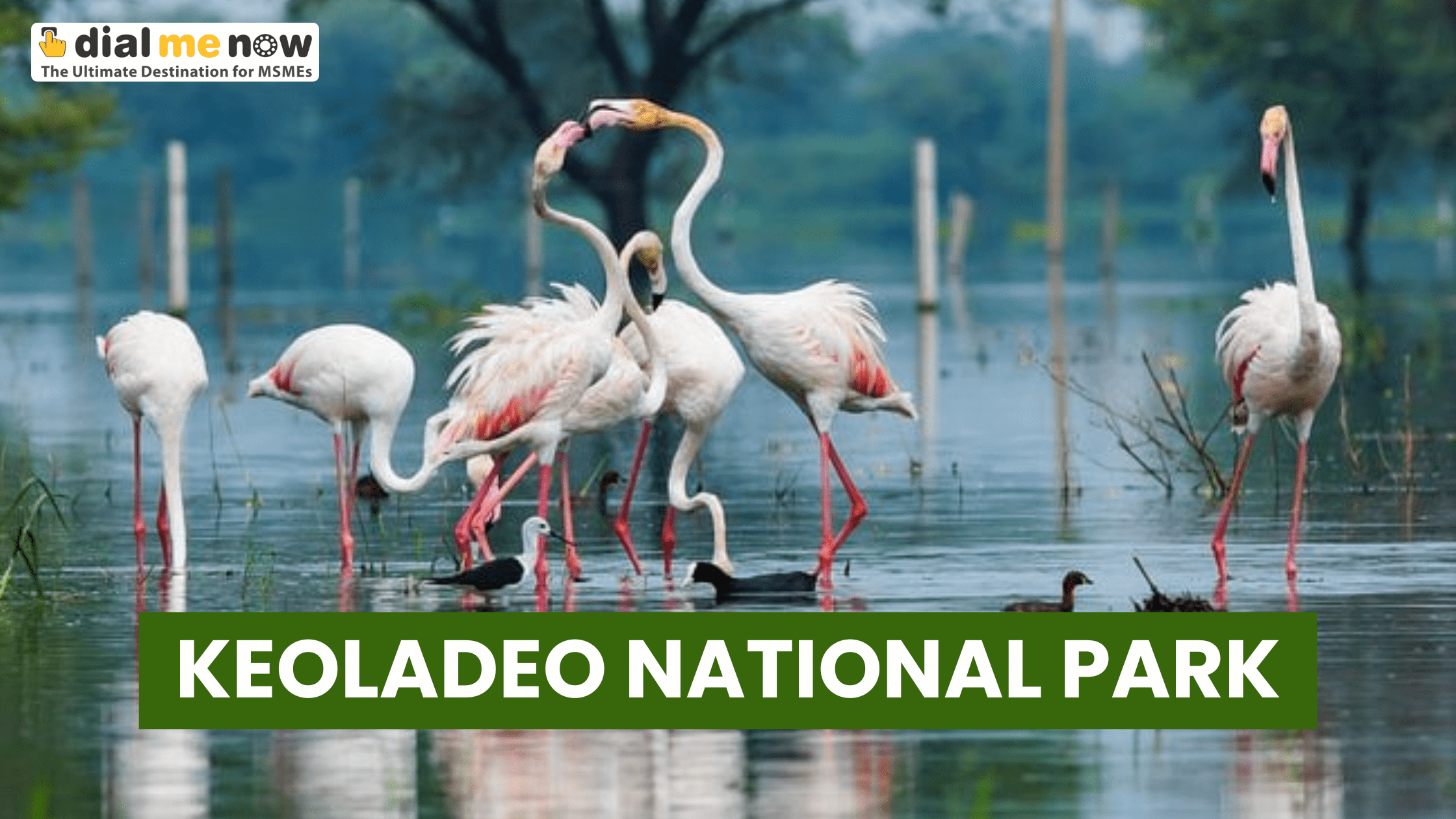
Why Keoladeo still takes your breath away
Picture a golden winter morning. Fog lifts off mirror-calm water. A flock of bar-headed geese skims past at eye level; a marsh harrier quarters low over reed beds; painted storks clatter back to their nesting trees. Keoladeo National Park (formerly Bharatpur Bird Sanctuary) is that rare thing: a human-made, human-managed wetland that turned into one of the world’s great bird stages—so vital it earned UNESCO World Heritage status in 1985. It sits right on the Central Asian Flyway, a continental migration highway that funnels waterbirds into North India each winter.
What makes it special isn’t just the species count. It’s the intimacy. You move quietly—on foot, a bicycle, or a cycle-rickshaw—matching the park’s rhythm. No roaring jeeps, no dust clouds. Just the soft whirr of spokes and, if you’re lucky, the bugling of cranes.
Where you are: a one-page natural history
- Location & size: Keoladeo sits on Bharatpur’s southeastern edge, about 2 km from town, in eastern Rajasthan. The protected area covers ~29 km² (2,873 ha)—small by national park standards, but bursting with life.
- UNESCO Outstanding Universal Value: It’s a critical wintering ground where migratory waterfowl congregate before dispersing across the subcontinent. ~364–375 bird species are recorded here (differences reflect survey periods).
- A human-made wetland that works: Keoladeo’s marshes are engineered with dykes and sluices; water is regulated seasonally (including inflows from Ajan Bund via canal) to maintain habitat. The park also buffers Bharatpur from floods—a rare win-win of conservation and protection.
- A shifting story: For decades, the park hosted the western population of the Siberian crane; the last bird was seen here in 2002. That loss reshaped the narrative, but the wetland remains a magnet for geese, ducks, storks, herons, raptors and resident Sarus cranes.
When to go (by season) and what to expect
- November–February (peak winter migration):
Keoladeo is at its most spectacular: bar-headed and greylag geese, northern pintails and shovelers, wigeon, teals, pochards; raptors like marsh harrier hunt over reed beds; mornings are cool and light is soft. Most visitors aim for this window. (UNESCO & travel bureaus highlight winter for migrants.) - July–September (monsoon & early post-monsoon):
Water rises and heronries come alive: painted stork, spoonbill, darter, cormorants and egrets breed in noisy colonies. Paths can be lush; humidity is high but action is close to the road. Boat rides are sometimes offered when levels permit (seasonal; check on arrival). - March–June (late winter to dry summer):
Migrants thin out; mornings can still be productive with resident storks, jacanas, prinias, bee-eaters, and raptors. Heat builds rapidly from April; plan ultra-early starts and shorter sessions.
Bottom line: If your goal is maximum diversity with easy viewing, aim for Nov–Feb. If you love nesting colonies and dramatic skies, monsoon is underrated (just bring rain protection).
Signature wildlife you can actually hope to see
Keoladeo’s checklist runs long, but here are realistic highlights you can look for with patience and a good guide:
- Waterfowl (winter): Bar-headed and greylag geese; northern pintail; shoveler; wigeon; gadwall; common teal. (Numbers vary with water, but winter flocks are a hallmark.)
- Storks, herons & allies (monsoon & year-round): Painted stork colonies are a classic sight; Asian openbill, black-necked stork (scarcer), Eurasian spoonbill, darter, grey heron, purple heron, egrets. (Heronries peak with high water.)
- Cranes: Resident Sarus crane pairs sometimes seen in shallow meadows; listen for their trumpeting calls at dawn. (Siberian cranes are no longer regular here.)
- Raptors & owls: Western marsh harrier over reed beds; shikra near wood edges; spotted owlet around old trees and park buildings. (Winter raptor diversity usually ticks up.)
- Mammals & herpetofauna: Nilgai (blue bull), golden jackal, small Indian mongoose; monitor lizards along embankments; frog choruses in monsoon. (These are supporting actors—fun to spot between bird flurries.)
How to get there (Delhi/Jaipur/Agra distances)
Keoladeo’s location between Delhi–Agra–Jaipur makes it an easy wildlife add-on to the Golden Triangle:
- From Agra: ~54–59 km by road; about 1–1.5 hours depending on traffic. Trains run ~53 km (Agra Fort – Bharatpur Jn).
- From Jaipur: ~180–194 km by road; budget 3–4 hours; Indian Railways shows a ~187 km rail distance with frequent trains.
- From Delhi: ~198–207 km by road; plan for 4 hours depending on route and traffic.
Nearest major airport options: Agra (regional connectivity varies), Jaipur, and Delhi (best for international arrivals). Trains to Bharatpur Junction (BTE) are common from all three cities.
How a visit works: entry, hours & getting around
- Hours: The park generally operates sunrise to sunset (exact gate times shift seasonally). Many visitors report winter openings around 6:30–7:00 am, with longer hours in summer. Always verify the day’s timing at the gate or on the official state portals.
- Tickets & current fees: Fees and camera rules change—check Rajasthan’s official portals before you go: the OBMS booking hub lists places and experiences, and Rajasthan Tourism pages publish updates. (On-ground reports often cite modest entry fees for Indians and a higher foreigner fee, but treat third-party numbers as indicative only.)
- No private vehicles inside: Expect to walk, rent a bicycle, take a cycle-rickshaw with a trained spotter, or book electric carts/golf carts where available. This quiet mobility is part of Keoladeo’s charm.
- Seasonal boating: In high-water months some areas may be accessible by boat; availability is seasonal and subject to levels and permissions—confirm on arrival.
Tip: If it’s your first time, hire a licensed guide or rickshaw naturalist at the gate for a couple of hours to get your eye in; then roam on your own.
Inside the park: simple routes that deliver sightings
Keoladeo’s layout is a grid of dykes and embankments with a main metalled path that runs from the entrance to the Keoladeo Temple. Water levels determine where the action is on any given day, but this simple loop rarely disappoints:
- Main Central Track (Gate → Keoladeo Temple):
Start at first light. Scan reed edges for bitterns, open water for ducks and geese, and tree lines for owls. Marsh harriers often work the reeds soon after sunrise. - Side dykes (toward large heronries):
In monsoon/early winter, listen for the rattle of painted storks and the bill-clacking of darters. Keep distance—nesting trees are sensitive. - Open meadows (shallow water):
Great for Sarus pairs, jacanas tiptoeing over lily pads, and waders like sandpipers and stilts. - Wood edges & dry patches:
Look for bee-eaters, prinias, drongos and shrikes; you’ll hear babbler flocks long before you see them.
Because water is managed, birds move with levels. Ask a guide which water bodies are “hot” that week—local knowledge will save you hours.
Two perfect days in Keoladeo (sample plan)
Day 1 — Winter focus (Nov–Feb)
- 06:30–10:30 Early entry → cycle along the main track; park near active water bodies and sit silently for 20–30 minutes at a time. Expect geese flocks, pintails, shovelers and marsh harrier passes.
- 10:30–12:00 Slow return via wood edges (warblers in winter; bee-eaters later in season).
- Lunch & rest in town.
- 15:30–sunset Return for golden-hour light on geese and storks; if fog sits, embrace silhouettes.
Day 2 — Monsoon/post-monsoon or resident focus
- 06:30–10:00 Head to heronry zones; watch painted storks and spoonbills commuting with nesting material/fish.
- 10:00–12:00 Explore side dykes for jacanas, prinias and drongos; keep an eye for Sarus cranes in shallow meadows.
- 16:00–sunset If water is high and boats are running, take the short boat circuit for low-angle perspectives (availability varies; confirm at the gate).
Photography & fieldcraft: make the most of your time
- The best “lens” is patience: Pick a likely spot (reed edge, shallow lagoon) and wait. Birds will come to you.
- Light: Winter mornings often start foggy; use it for mood. Golden hour is glorious on bar-headed geese and storks. (Those are classic Keoladeo subjects.)
- Movement: On a bicycle, you can stop instantly and pivot to catch fly-bys. With a rickshaw, let the spotter set a deliberate pace.
- Gear: Binoculars are essential. For photos, 300–500mm is ideal; a beanbag on a rickshaw rail is steadier than hand-holding.
- Audio cues: Learn a few calls—Sarus trumpets, lapwing alarms, babbler chatter—they’ll point your lens before your eyes can.
- Backup plan: When birds “disappear”, switch to mammals (nilgai), raptors cruising thermals, or macro details on lotus pads.
Responsible & ethical watching (it helps your photos!)
- No drones, no playback, no baiting. These disturb wildlife and are generally prohibited in Indian protected areas.
- Keep distance from nests/colonies. Stress shows as repeated take-offs, alarm calls or adults refusing to land.
- Stay on tracks and dykes. Wetland edges are fragile; trampling kills the exact plants birds need.
- Travel quiet, travel light. Cycles and rickshaws already set the tone—whisper and let the marsh speak.
Ethics aren’t just “good behavior”—they produce more natural shots and longer behavior sequences.
Where to stay & how to hire the right help
- Stay near the gate or in town. Rajasthan Tourism’s Forest Lodge (RTDC) and Saras properties list public tariffs seasonally; many private hotels/guesthouses sit within a 5–10 minute drive. Check availability and current pricing directly.
- Guides & rickshaw naturalists: Hire at the park entrance. Many rickshaw pullers are fantastic spotters who know territory names, recent roosts, and behavior patterns—value their guidance and tip fairly.
- Food & water: Carry water, light snacks, and keep plastic to a minimum. Bharatpur town has plenty of eateries for breakfast/lunch between sessions.
FAQs
1) Why is Keoladeo globally important?
It’s an engineered wetland on the Central Asian Flyway, a critical wintering and staging ground for migratory waterbirds. That ecological role earned it UNESCO World Heritage status in 1985.
2) How many bird species are there?
Different surveys list ~364–375 species; numbers change with time and methods, but the takeaway is simple: species richness is exceptionally high for a compact park.
3) Do Siberian cranes still visit?
No. The park’s last record was in 2002; the western population that wintered in India is now functionally gone from the flyway.
4) What’s the best time to visit?
For maximum diversity and easy viewing, November–February (winter migrants). For nesting colonies and dramatic monsoon skies, July–September.
5) Are private cars allowed inside?
No. You get around by walking, cycling, cycle-rickshaw, or electric carts where available. It keeps the park quiet and low-impact.
6) Are there boat rides?
Sometimes—seasonal and water-level dependent. Check availability at the gate when you arrive.
7) What about entry timings and ticket fees?
Gate times shift with sunrise/sunset, and fees can change. Always verify on Rajasthan’s official OBMS/Tourism portals or at the gate on the day of your visit.
8) How far is Keoladeo from Agra/Jaipur/Delhi?
Agra ~54–59 km; Jaipur ~180–194 km; Delhi ~198–207 km by road (allow for traffic and route choice).
9) I’m new to birding—can I still enjoy it?
Absolutely. Hire a rickshaw naturalist for 2–3 hours to get your bearings; they’ll help you spot and identify more than you expect.
10) Is Keoladeo good for kids or seniors?
Yes. Flat paths, quiet transport, and short loops make it family-friendly. Plan breaks and carry water, hats, and snacks.
Disclaimer
Wildlife, water levels, timings and fee rules change with season and management needs. Information here is compiled from official and reputable sources at the time of writing and is meant for general guidance. Always confirm current timings, fees, and activity availability on Rajasthan’s official websites or at the park gate, and follow all posted instructions and local regulations. We do not endorse any specific operator or service.