

Jodhpur – The Blue City’s Sweet & Spicy Touch (A Vegetarian Street Food Guide)
9/25/2025
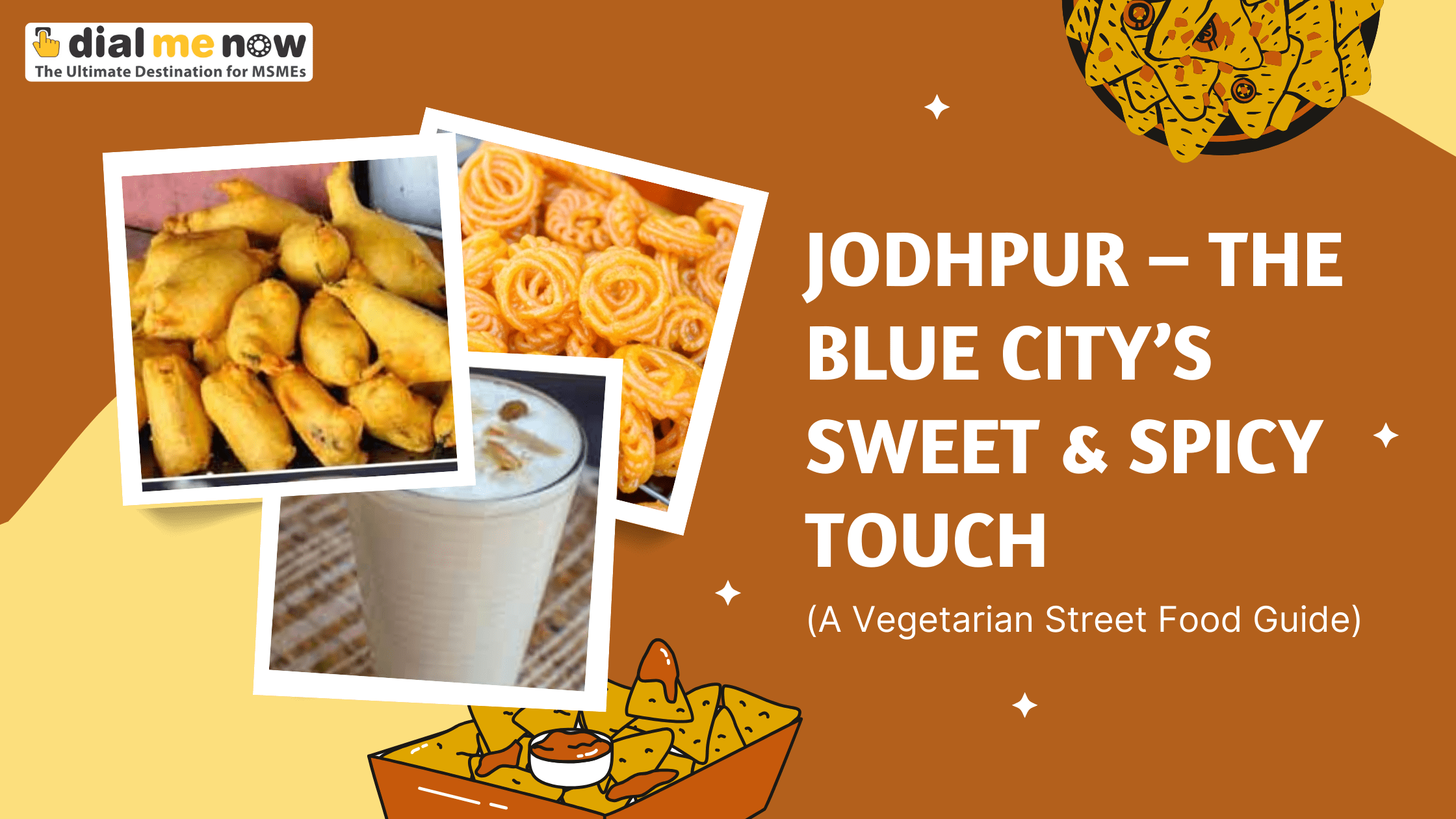
If Rajasthan is India’s royal dining hall, Jodhpur is the corner where the air smells of frying chilies, slow-cooked ghee, and sugar caramelizing to a deep amber. Known as the Blue City for its indigo houses, Jodhpur has a street food culture that’s bold, fiery, and—crucially—beautifully balanced by sweets. This guide dives into the quintessential vegetarian bites you can’t miss, the neighborhoods where they shine, and the small details (from timing to hygiene tips) that turn a hurried snack crawl into an unforgettable tasting tour.
Key Foods:
- Mirchi Bada & Pyaaz Kachori (Shahi Samosa, Janta Sweet Home)
- Makhaniya Lassi (near Clock Tower)
- Mawa Kachori (Janta Sweet Home)
- Dal Baati Churma (local dhabas)
Key Locations: Sojati Gate, Nai Sarak, Clock Tower market
1) The Flavor Formula of Jodhpur: Heat Meets Sweet
Jodhpur’s culinary personality is unapologetically spicy, but that heat is never a blunt instrument. It’s padded by textures (flaky, buttery pastry; crunchy fried gram batters) and sweet counterpoints—lassi whipped with cream, kachoris stuffed with khoya and sugar, and churma with ghee that melts at body temperature. The result is an elegant seesaw: chilis and garam masala on one side, ghee and sugar on the other.
This balance isn’t accidental. Hot, arid climates encourage foods that are preserved, fried, or reduced—think deep-fried snacks that travel well and sweets that keep. The Blue City honors these traditions with the flair of a living street culture, not a museum piece.
2) Where to Start: Sojati Gate, Nai Sarak & Clock Tower Market
Sojati Gate is your gateway to classic snack shops and mithai stores. Nai Sarak gives you convenient access to local eateries, textile-lined lanes, and quick bites. And the Clock Tower market (Ghanta Ghar) area is a beating heart—always buzzing, ideal for sipping Makhaniya Lassi while people-watching. Start at Sojati Gate, meander through Nai Sarak, and end around the Clock Tower when the evening lights flip on. You’ll cover most of the city’s must-eats in one leisurely loop.
3) Street Legends You Must Try
Mirchi Bada (The Fiery Icon)
Where: Shahi Samosa, Janta Sweet Home
What it is: A whole green chili slit, seeded (partly), stuffed, dipped in a besan (gram flour) batter, and deep-fried till the edges blister and crunch.
Flavor profile: Smoky heat from the chili, a soft, savory interior, crisp shell, and a tart chutney that cools the fire.
How to order like a local: Ask for fresh-fried (“abhi tadka nikla?” as a friendly probe), and don’t skip the imli (tamarind) chutney. If you don’t love spice, request a milder chili or share your first one before ordering a second.
Pro Tip: Pair with a sip of sweet lassi to temper the burn. The contrast makes each bite more expressive.
Pyaaz Kachori (Onion-Laden Flake Bomb)
Where: Shahi Samosa, Janta Sweet Home
What it is: A flaky, layered pastry stuffed with spiced onion and crushed lentils, then deep-fried until it shatters on first bite.
Flavor profile: Caramelized onion sweetness, assertive spices (often ajwain, coriander, and chili), and a rich, ghee-kissed crust.
When to eat: Morning through late afternoon; it’s hearty enough to double as a light lunch.
Pro Tip: Ask them to split and plate the kachori—this helps steam escape so it stays crisp and lets chutneys seep into the layers without making it soggy.
Makhaniya Lassi (Frothy, Buttery, Famous)
Where: Near Clock Tower (Ghanta Ghar)
What it is: A thick, whipped yogurt drink enriched with makkhan (fresh butter) or malai, lightly sweetened, sometimes perfumed with cardamom.
Why it’s special: Unlike thinner Punjabi versions, Jodhpur’s makhaniya is dessert-level creamy—more like a drinkable pudding that coats your mouth and extinguishes spice.
How to order: Ask for the classic or cardamom-kissed version; avoid heavy add-ons if you’re mid-crawl—you want refreshment, not a full stop.
Pro Tip: It’s the perfect intermission between the chili-spike of Mirchi Bada and the richness of Mawa Kachori.
Mawa Kachori (The Royal Sweet)
Where: Janta Sweet Home
What it is: A khoya (mawa)-stuffed, deep-fried pastry soaked (or glazed) in sugar syrup. Think of it as the decadent cousin of savory kachoris—crispy outside, molten-sweet inside.
Flavor profile: Notes of cardamom, sometimes dry fruits, and a syrup sheen that clings to your fingers in the best possible way.
When to eat: Post-lunch or as an evening treat. It pairs beautifully with plain milk or a light tea.
Pro Tip: Request light syrup if you prefer less sweetness; many shops can adjust the soak duration on the spot.
Dal Baati Churma (The Rustic Classic)
Where: Local dhabas
What it is: Baati—hard-baked, ghee-brushed wheat balls—served with panchmel dal (a five-lentil stew) and churma (sweet, ghee-roasted crumbled wheat).
Flavor profile: Comforting and elemental: smoky from the tandoor/oven, nutty from ghee, balanced by the dal’s cumin-tempered warmth and the churma’s sweetness.
How to eat: Crumble the baati into a bowl, ladle on dal, add a spoon of churma, and finish with a drizzle of ghee. Every bite sings: savory, sweet, and buttery.
Pro Tip: For variety, try a masala baati (spiced) or stuffed baati (peas/potato). If you’re planning multiple stops, share a thali—portion control preserves appetite.
4) A Perfect One-Day Vegetarian Street Food Itinerary
Morning (Sojati Gate):
- Start light with Pyaaz Kachori and a small cup of tea.
- If you’re a dessert-first explorer, split a Mawa Kachori with your partner-in-crime. Save room!
Late Morning (Nai Sarak meander):
- Walk off the kachori; duck into textiles and spice shops. Pick up mathri or bikaneri sev as edible souvenirs. Hydrate.
Lunch (Local dhaba):
- Sit for Dal Baati Churma. Order one thali for two if you’re pacing yourself.
Afternoon (Clock Tower market):
- Cool down with Makhaniya Lassi near Ghanta Ghar.
- Browse spice stores (look for chili blends and hing). Consider packing jaljeera powder for the road.
Evening (Back towards Sojati Gate / Janta Sweet Home):
- Turn up the heat with Mirchi Bada.
- End sweet with a final nibble—maybe a small Mawa Kachori or rabdi if available.
5) Practical Tips: Timing, Hygiene, and How to Order
- Peak Freshness: For fried snacks, late morning to late evening is ideal—batches roll out regularly.
- Watch the Fryer: Choose stalls where you see items being fried or kept on a raised mesh (not sitting in oil).
- Chutney Etiquette: Ask for fresh spooning of chutney rather than dipping; it’s more hygienic and lets you control the tang.
- Water & Heat: Carry bottled water; Jodhpur afternoons can be toasty. Pace your spice with lassi or chaach.
- Cash & UPI: Most places accept UPI, but keep small change for quick service.
- Portion Strategy: Split everything. Two bites per item keeps the crawl lively and varied.
6) What Makes It “Jodhpuri”?
- Texture-first frying: Jodhpur leans into crisp exteriors—kachoris and badas here have an audible crunch.
- Ajwain & Asafoetida: These digestive spices star in batters and fillings, tempering the heaviness of deep-fried foods.
- Ghee as a Flavor, not just Fat: From baati to churma, ghee carries aroma and tradition.
- Dessert as Counterbalance: Rather than ending the meal, sweets often interleave the experience—Makhaniya Lassi can appear mid-crawl.
7) Budgeting Your Food Crawl
- Street Snacks: ₹30–₹80 per piece (Mirchi Bada, Pyaaz Kachori)
- Makhaniya Lassi: ₹60–₹150 depending on size and add-ons
- Mawa Kachori: ₹60–₹120 per piece
- Dal Baati Churma Thali: ₹150–₹350 depending on dhaba and variety
A generous full-day crawl for two typically lands between ₹600–₹1,200, depending on how many sweets you fold in.
8) Frequently Asked Questions (FAQ)
Q1: Is Jodhpur street food vegetarian-friendly?
A: Absolutely. The city is a vegetarian street food powerhouse. From Pyaaz Kachori to Mirchi Bada and Dal Baati Churma, you can comfortably plan an all-veg crawl without compromise.
Q2: Where can I get the famous lassi in Jodhpur?
A: Head to the Clock Tower (Ghanta Ghar) area for Makhaniya Lassi. It’s thick, buttery, and iconic—ideal after spicy snacks.
Q3: What’s the best time to visit for street food?
A: Late morning to evening—you’ll catch the freshest batches, manageable heat, and the most energetic market vibe.
Q4: I don’t handle spice well. What should I order?
A: Start with Pyaaz Kachori (milder than Mirchi Bada), then sip Makhaniya Lassi. For mains, Dal Baati Churma lets you control the heat with ghee and churma.
Q5: Any must-visit shops?
A: For this route: Shahi Samosa and Janta Sweet Home are classic for Mirchi Bada, Pyaaz Kachori, and Mawa Kachori. For Makhaniya Lassi, stick close to the Clock Tower.
Q6: Can I do this all on foot?
A: Yes. Sojati Gate → Nai Sarak → Clock Tower is a compact, walkable triangle. Wear comfortable shoes and a hat in summer.
Q7: What about hygiene?
A: Look for busy counters, fresh frying, and covered chutneys. When in doubt, order items cooked to order (Mirchi Bada, fresh-fried kachori).
Q8: What should I bring?
A: UPI-enabled phone, wet wipes, a refillable water bottle, and small zip bags for dry snacks.
10) Disclaimer
Street food conditions (pricing, availability, serving times) can change by season, shop, and demand. The places cited—Shahi Samosa, Janta Sweet Home, and stalls near the Clock Tower—are mentioned for guidance only. Always check current queues, hygiene, and opening hours on the day you visit.