

Jaisalmer – Desert’s Culinary Gems: What to Eat (and Where) in the Golden City
9/27/2025
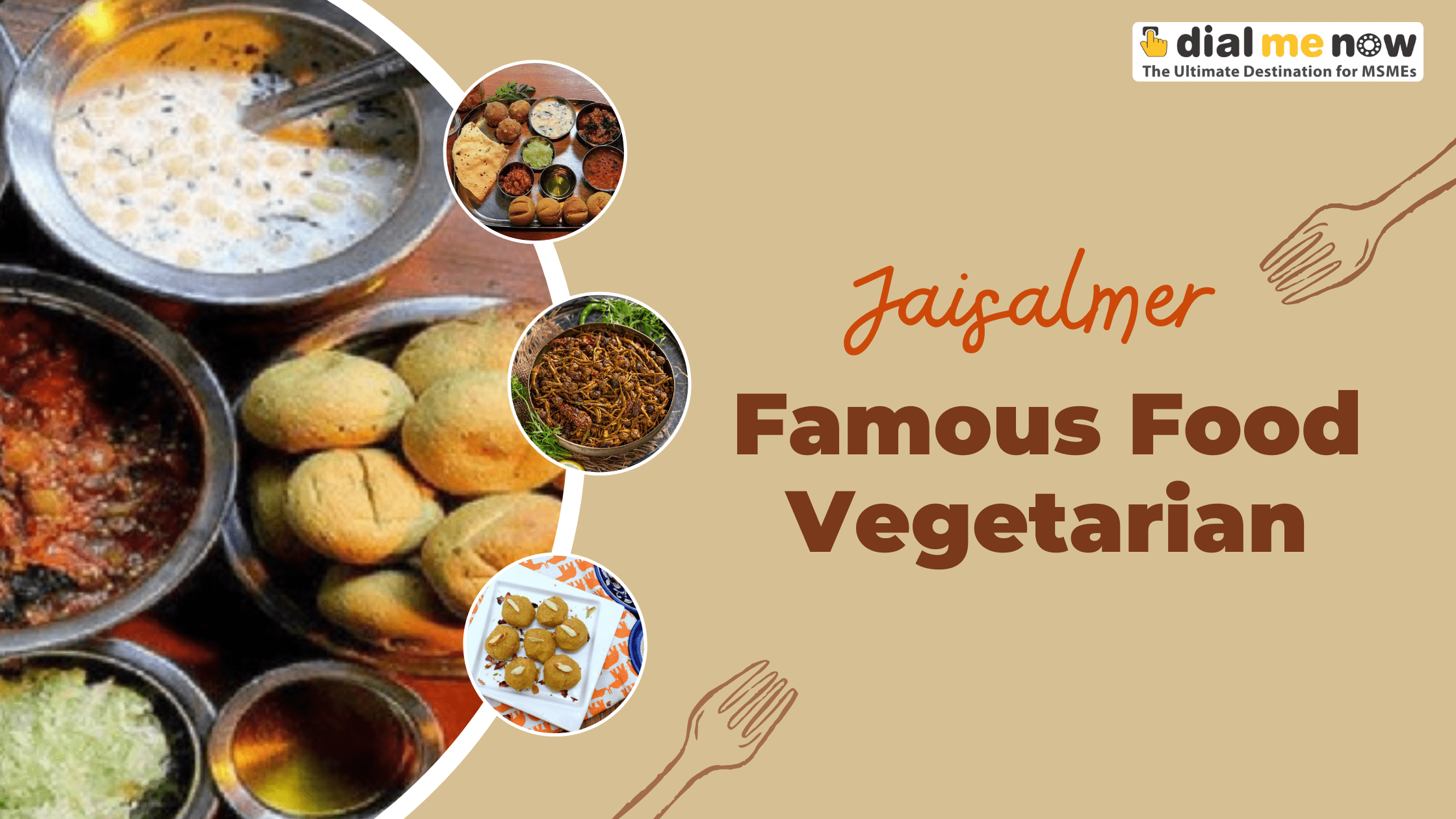
If India’s Thar Desert is a canvas of sun-burnished gold, Jaisalmer is the bold signature in the corner—ancient, intricate, and unmistakably proud. And while its sandstone fort and labyrinthine havelis get most of the postcards, the city’s desert cuisine is the real, slow-cooked love letter to the land. Here, food is engineered by climate and history: long-lasting, spice-forward, and resource-wise. Think sun-dried produce, hardy grains, clarified butter, and spice pastes that keep without refrigeration, all perfected by generations who learned to pull flavor from scarcity.
This guide brings you the signature dishes—Ker Sangri, Bajre ki Roti with Lehsun Chutney, Ghotua Ladoo, and Dal Baati Churma—along with where to try them (rooftop restaurants around Jaisalmer Fort and street stalls by Patwon Ki Haveli). You’ll also find cultural notes, ordering tips, and a sample tasting route, plus FAQs and an SEO-ready block at the end to help you publish fast.
Why Desert Cuisine Tastes the Way It Does
Desert logic = flavor logic. In the Thar, water is precious and fresh produce seasonal. So local cooks turned to:
- Drought-resistant plants (like Ker and Sangri) that can be preserved.
- Sun-drying and pickling to stretch the harvest across months.
- Hardy grains like bajra (pearl millet) that thrive in sandy soil.
- Ghee & spices to enhance shelf life and boost flavor.
- Low-waste cooking techniques: one tandoor/angithi doing double duty for breads and baatis; spice pastes that work for multiple dishes.
The result? Food that is boldly spiced, pleasantly smoky, and deeply satisfying—built to endure long days, cold nights, and longer journeys.
The Desert’s Signature Dishes (What to Order First)
1) Ker Sangri: The Desert’s Iconic Vegetable Medley
What it is: A Rajasthani classic made from ker (a tart wild berry) and sangri (slender bean pods of the khejri tree). Traditionally rehydrated from dried form, then sautéed or simmered with ghee, asafoetida (hing), cumin, coriander, amchur (dry mango powder), red chilli, and sometimes yogurt or buttermilk for a gentle tang.
Flavor & texture: Briny-tart pops from ker meet snappy-supple sangri strands in a umami-spiced gravy or a drier, stir-fried version. It’s the dish locals ask for when they want “home.”
How to enjoy:
- Pair with bajre ki roti or tandoori roti; add a spoon of ghee on top.
- Ask whether they do a drier stir-fry (sabzi style) or a gravy version; try both if you can.
Pro tip: If you’re new to it, start with the semi-dry version; it’s more forgiving and lets the distinct flavors shine without overwhelming.
2) Bajre ki Roti with Lehsun Chutney: Smoke, Heat, and Heritage
What it is: Bajra (pearl millet) flour, hand-patted into hearty rotis and cooked on a tawa or over open flame. Deceptively simple, bajra rotis are a nutty, slightly sweet-earthy base for everything from dal to ghee to jaggery.
Lehsun (garlic) chutney: A fiery paste of garlic, red chillies, cumin, salt, sometimes tomato or lemon, and always attitude. In the desert, where refrigeration was rare, this chutney’s chili-garlic backbone wasn’t just tasty—it was practical.
Flavor & texture: The roti is smoky and robust, with a charmingly rustic crumb. The chutney hits bright, hot, garlicky notes that cut through ghee and grains like a desert breeze after noon.
How to enjoy:
- Break the roti, smear ghee, and dab into lehsun chutney.
- Add a side of curd or buttermilk if you prefer to temper the heat.
Pro tip: Ask for freshly made rotis; bajra dries out if it sits.
3) Ghotua Ladoo: The Sweet Soul of Jaisalmer
What it is: A famous Jaisalmer specialty—melt-in-the-mouth ladoos slow-roasted from gram flour (besan), then mixed with ghee, sugar, and often cardamom and nuts. “Ghotua” refers to the laborious stirring/whisking that gives it a smooth, almost fudge-like crumb.
Flavor & texture: Toasty, nutty, and silky, with a fragrant cardamom whisper. Good ghotua disappears on your tongue but leaves a warm, ghee-rich memory.
How to enjoy:
- Fresh is best. Pick up a small box to nibble over a day; it travels decently in cool weather.
- Pair with masala chai or plain milk if you want the old-school vibe.
Pro tip: For gifts, ask vendors to pack with butter paper to maintain texture.
4) Dal Baati Churma: The Desert’s Power Trio
What it is:
- Baati: Hard-baked wheat balls, traditionally cooked in embers, then cracked and drenched in ghee.
- Dal: A mix of lentils (often panchmel—five lentils) tempered with cumin, hing, garlic, chillies, turmeric, coriander.
- Churma: Coarse, sweetened crumble of crushed baati or wheat flour with ghee, sugar/jaggery, sometimes nuts and cardamom.
Flavor & texture: Smoky baati crunch, silky-spiced dal, and buttery-sweet churma—savory + sweet harmony that fills you up and keeps you going.
How to enjoy:
- Ask for refills of dal (many places oblige).
- Try plain, masala, and stuffed baati (paneer, peas, or spiced potato) if available.
Pro tip: Dal-baati-churma is rich—pace yourself and hydrate. A glass of chaas (buttermilk) is your friend.
Where to Eat: Rooftops by the Fort & Street Stalls by Patwon Ki Haveli
1) Rooftop Restaurants near Jaisalmer Fort
Rooftop eateries around the fort (especially along Fort Road and the lanes circling the ramparts) serve panoramic views with a side of Ker Sangri and dal-baati. Go for:
- Sunset dinners: The fort glows honey-gold while you tear into bajra rotis slick with ghee.
- Comfortable seating: Great for lingering meals and tasting multiple dishes.
- Balanced menus: Traditional plates plus traveler-friendly options (if you’re in mixed company).
What to ask for:
- Ker Sangri (semi-dry) + Bajre ki Roti + Lehsun Chutney.
- Dal Baati Churma thali (ask for small baatis if you want variety).
- Plain chaas or jaljeera to cool the palate.
2) Patwon Ki Haveli Street Stalls
Around Patwon Ki Haveli, you’ll find evening stalls and compact kitchens turning out piping hot bajra rotis, lehsun chutney, and snack-y sides. Expect:
- Straightforward, bold flavors—less fusion, more tradition.
- Great value and quick service; grab-and-go bites between sightseeing.
- Sweet stops nearby for ghotua ladoo boxes.
How to navigate:
- Take a slow lap before choosing—watch what locals are ordering.
- Pick stalls with steady turnover and visible hygiene.
A Practical Tasting Route (Half-Day Food Trail)
Late Afternoon (4:30–5:30 PM) – Patwon Ki Haveli Area
- Start with a shared plate of Ker Sangri at a reputable stall or tiny dhaba.
- Order one bajre ki roti per person with lehsun chutney on the side.
- Cool down with a buttermilk or nimbu pani.
Golden Hour to Sunset (5:45–7:00 PM) – Move towards the Fort
- Head to a rooftop restaurant near Jaisalmer Fort.
- Order a Dal Baati Churma thali (share if you want room for dessert).
- Sip jaljeera as the fort lights up.
Evening Stroll Dessert (7:15–8:00 PM) – Back towards Patwon/Market
- Pick up Ghotua Ladoo to finish on a sweet note.
- If you’re still curious, grab a small extra serving of Ker Sangri as takeaway for next morning with chai—its flavor deepens overnight.
Flavor Notes & Pairing Tips
- Heat Management: If lehsun chutney is intense, request curd, boondi raita, or chaas to balance it.
- Textural Play: Pair the firm baati with silky dal and grainy-sweet churma—alternate bites for contrast.
- Ghee: Don’t skip it, but control the pour; most places will happily moderate.
- Seasonal Considerations: Summer afternoons are hot; early dinners or late lunches are more comfortable on rooftops.
Mini How-To: Order Like a Local
- “Ker Sangri semi-dry, thoda ghee kam.” (Semi-dry Ker Sangri, easy on the ghee.)
- “Bajre ki roti fresh banani.” (Please make the bajra roti fresh.)
- “Lehsun chutney side mein, thoda teekha kam.” (Garlic chutney on the side, a little less spicy.)
- “Dal aur churma ka extra chota bowl milega?” (Could I get a small extra bowl of dal and churma?)
Responsible & Respectful Eating
- Support local: Opt for family-run rooftops and licensed street vendors.
- Hydrate: Desert climate = you’ll need more water (or chaas).
- Waste less: Ask for half portions or share thalis when sampling many dishes.
- Carry cash: Small stalls may be cash-preferred.
- Mind the fort: Jaisalmer Fort is a living heritage site; stick to designated eating areas and dispose of waste properly.
Frequently Asked Questions (FAQ)
Q1. What makes Jaisalmer’s food different from other Rajasthani cities?
A. Jaisalmer leans into desert-resilient ingredients (ker, sangri, bajra), sun-drying, and spice-forward preservative techniques. You’ll taste more smoke, ghee, and tangy-spicy profiles crafted for longevity and sustenance.
Q2. Is Ker Sangri vegetarian and vegan-friendly?
A. It’s vegetarian; many versions are also vegan if cooked in oil instead of ghee and without yogurt. Ask the kitchen to avoid ghee and dairy if needed.
Q3. How spicy is lehsun chutney?
A. Usually medium to high heat. You can request a milder version or keep curd/chaas on the side.
Q4. Can I get gluten-free options?
A. Bajre ki roti is gluten-free by nature, but cross-contact can happen on shared tawas. Ask for a clean tawa if you’re sensitive, and confirm ingredients in sweets like ghotua ladoo.
Q5. What’s the best time to visit rooftop restaurants near the fort?
A. Golden hour to early night (around sunset) for views and milder temperatures. Book ahead during peak season (Nov–Feb).
Q6. How do I carry ghotua ladoo if I’m traveling onward?
A. Keep it cool and dry, ask for butter paper wrapping, and avoid direct sun. Consume within 1–3 days for peak texture.
Q7. Are street stalls by Patwon Ki Haveli safe?
A. Many are excellent. Choose busy stalls with visible hygiene, fresh turnover, and covered ingredients. When in doubt, skip salads/uncut raw garnishes.
Q8. Can I try Dal Baati Churma if I’m lactose-intolerant?
A. Yes—request less or no ghee, and confirm if churma contains milk solids. Some places can accommodate.
Quick Ordering Checklist (Pin This)
- Ker Sangri (semi-dry)
- Bajre ki Roti (fresh) + Lehsun Chutney (mild/regular)
- Dal Baati Churma (share if needed)
- Ghotua Ladoo (dessert/gift)
- Chaas/Jaljeera (coolers)
Suggested 1-Day Food Plan in Jaisalmer
- Breakfast: Light—poha or a plain paratha; save space for later.
- Lunch: Ker Sangri + bajra roti at a shaded dhaba near the fort’s base.
- Snack: Masala chai; sample ghotua ladoo.
- Dinner (Rooftop): Dal Baati Churma thali; request refill dal and a small churma for balance.
- Night Walk: Stroll around Patwon Ki Haveli area and pick up a small box of ladoo for the road.
Disclaimer
Culinary traditions vary by family and establishment. Ingredients, spice levels, and preparation methods can differ across seasons and shops. If you have dietary restrictions (gluten, dairy, nut allergies, or spice sensitivity), always confirm with the vendor or restaurant before ordering. Street-food hygiene standards vary—choose busy stalls with visible cleanliness.
Closing Bite
Jaisalmer’s food doesn’t merely survive the desert—it celebrates it. Each dish is a piece of living history: crops that beat the heat, recipes designed for journeys, and flavors that linger like the fort’s glow at dusk. If you taste with curiosity and order with care, you’ll leave with more than full stomachs—you’ll carry stories.