

Jaipur’s Royal Retreat: Sisodia Rani Ka Bagh
6/23/2025
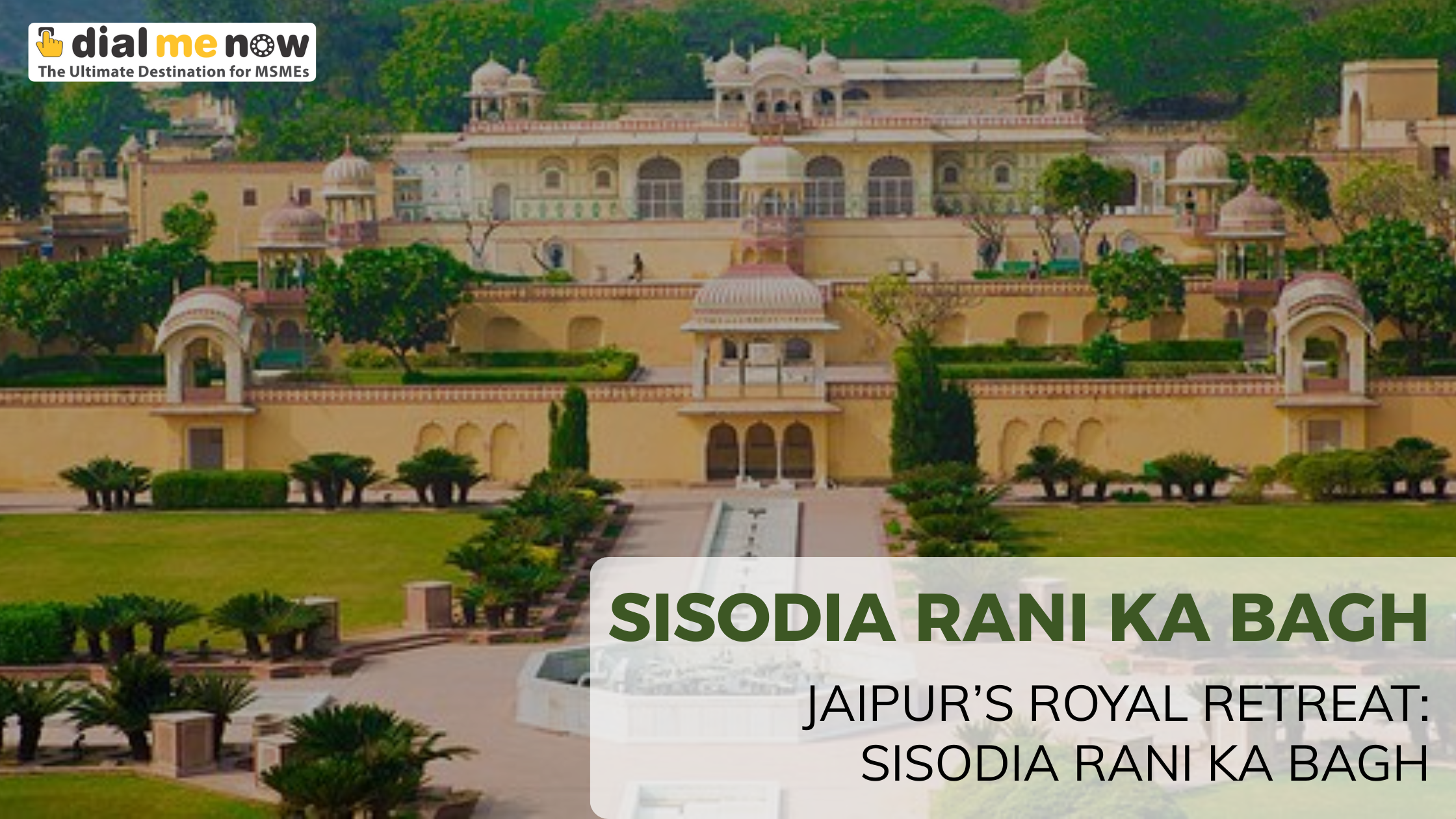
Nestled on the outskirts of Jaipur, along Tonk Road, lies Sisodia Rani Ka Bagh, literally “Sisodia Queen’s Garden” — a verdant oasis imbued with history, romance, artistry, and spirituality. Built in the mid‑18th century by Maharaja Sawai Jai Singh II in homage to his beloved queen, Sisodia Rani, this garden is both a tribute to Rajput devotion and a celebration of Mughal‑inspired landscaping—a place where architecture, art, hydraulics, and horticulture converge in harmonious balance.
1) Historical Overview
Royal Patronage and Purpose
- Founder: Maharaja Sawai Jai Singh II (1688–1743), visionary founder of Jaipur.
- Commissioned: Circa 1730–1740 CE as a personal tribute to Sisodia Rani—his queen, companion, and muse.
- Motive: The garden served multiple purposes:
- A romantic retreat for the royal couple.
- A spiritual sanctuary for meditation, music, poetry.
- A demonstration of hydraulic and architectural ingenuity.
Historical Context
- Rajput-Mughal Influence: Built during a time of Persian‑inspired Mughal aesthetics blended into Rajput grandeur.
- Sisodia Dynasty: The queen’s name reflects her lineage from the Sisodia Rajputs of Mewar—known for artistry, bravery, and spirituality.
- Evolution Over Time:
- Decline post‑Mughal era and during British period.
- Neglect during late 19th century.
- Revived by Jaipur Development Authority in the 1960s.
- Protected and managed under heritage conservation by Government of Rajasthan.
Legend & Lore
- Krishna–Radha Frescoes: The garden’s murals depict divine love and devotion, inspired by the queen’s spiritual leanings.
- Romantic Myths: Some narratives say that sisodia Rani would stroll barefoot, recite bhajans under the cascades, and compose poetry.
- Music & Courtly Pastimes: Acoustic corridors, fountain symphonies, and pavilion seating supported classical music recitals, where Raja and Rani immersed in ragas at twilight.
Significance in Jaipur Heritage
- Architectural Rarity: Unlike urban forts, this is one of Jaipur’s few surviving royal retreats on natural terrain.
- Cultural Layering: Represents freedom from palace protocol—an informal space emphasizing love, artistry, and nature.
- Symbol of Royal Devotion: Speaks of personal devotion in a royal marriage—rarely immortalized in stone elsewhere in Rajasthan.
2) Architectural Design & Symbolism
Overall Layout
- Terraced Gardens (Seven Levels): Representing spiritual ascent; each terrace is a metaphorical journey from mundane to divine.
- Gravity-Fed Water Channels: Ingeniously piped from springs atop Jaipur ridge.
- Baradari Central Pavilion: Open-sided, elegantly pillared platform offering panoramic views.
Key Features & Their Symbolic Role
1. Seven Terraces
-
- Symbolize devotion’s ascent: 1 → 7 = mortal realm to spiritual enlightenment.
- Water flows grove-to-grove, teaching virtue, purity, growth, clarity, intuition, devotion, unity.
2. Cascade Fountains & Step-Wells
-
- Natural cooling and meditative ambiance.
- Space for water‑based ceremonies and poetic imagery.
3. Frescoed Pavilions
-
- Walls adorned with scenes of divine love, seasons of life, heroic tales, floral motifs.
- Reflect spiritual and emotional union.
4. Lotus and Peafowl Motifs
-
- Lotus = beauty, purity; peacock = royalty, renewal.
- Carved on sandstone jalis, marble latticework.
5. Mandala Patterns & Sacred Geometries
-
- Pathways and pool designs use circular and lotus geometry—sacred and symbolic.
6. Natural Rock Outcrops and Elevated Vistas
-
- Terrace design works with the natural slope, merging nature and architecture.
Blend of Art Styles
- Mughal Precision: Symmetry, water engineering, arched gateways.
- Rajput Opulence: Domed chattris, bright frescoes, local marble, folk‑art accents.
- Artisan Craft: Fresco painters and stoneworkers from Amber workshop.
- Acoustic Engineering: Corridors designed to amplify singing and poetry.
3) Cultural & Spiritual Essence
Devotion & Divine Love
- Garden reflects themes of Krishna and Radha—transcendental romance of soul’s union.
- Queen’s influence hinted through devotional inscriptions, poetry fragments present in frescoes.
Music & Poetry
- Acoustically-designed corridors and soothe fountains for classical performances.
- Kangani bhajans (performed by priests) during full moons and Rajput festivals.
Festivals & Celebrations
- Holi: Celebrated with colors by fountains, echoing Krishna’s legend.
- Raas Leela Performances: Folk‑dance events reenact divine love stories.
- Valentine’s Week: Romantic setup with fairy lights, rose petals, candlelit strolls near the main pavilion.
Spiritual Retreats
- Meditation in cooler terraces; yoga sessions early morning.
- Guided mindfulness walks with JDA heritage stewards.
Folk Art & Learning
- Temporary exhibitions on Mughal-Rajput art fusion.
- Fresco restoration workshops with local artisans and architecture students.
4) Garden Layout & Notable Features
- Terrace I
- Grand entrance, arched gateway, shady neem trees, placard with overview.
- Terrace II
- Broad walkway, marble benches, initial water channel beginning.
- Terrace III
- Reflecting pool with mirror-like effect, framed by jali‑patterned railings.
- Central Terrace (IV)
- Four‑arched Baradari overlooking the entire garden.
- Frescoes depicting Rasleela framed by floral borders.
- Terrace V & VI
- Stair‑cascades of stone, quieter zones for meditation.
- Viewpoints toward Jaipur skyline.
- Terrace VII
- Small mandapa or shrine with Shiva‑Krishna icons, corner gazebo.
- Baoris (Step-Wells)
- Functional + decorative; carved steps allow cool water access.
- Herb & Medicinal Garden
- Sign‑labeled indigenous plants like tulsi, neem, ashwagandha.
- Peripheral Arbors & Walkways
- Bougainvillea, roses over lattice trellises.
- Acoustic Corridors
- Grooved walls and water surfaces that support singing.
- Butterfly & Bird Zones
- Blossoms that attract parakeets, sunbirds, small butterflies.
5) Seasonal Highlights & Best Visiting Time
| Season | Highlights | Visiting Tips |
| Spring (Feb–Apr) | Jacaranda, roses, marigold bloom; pleasant temp | Ideal time; crowd moderate |
| Monsoon (Jul–Sep) | Lush foliage, water flow at full; fewer tourists | Wear rain gear; watch slippery paths |
| Autumn (Oct–Nov) | Cool weather, slight blooms, festivals lighting | Excellent for culture & photography |
| Winter (Dec–Jan) | Crisp air, peaceful ambience; light winter blooms | Good for heritage shows |
| Summer (May–Jun) | Early visit gives morning freshness; midday very hot | Arrive early; use shade |
Daily Peak Visiting Hours
- 7 AM–10 AM: Ideal for morning light, fewer visitors.
- 4 PM–6 PM: Golden hour for photography, cooler, pleasant breeze.
6) Visitor Guide: How to Reach, Tickets & Facilities
How to Reach
- By Car/Taxi/Rickshaw: Located ~10 km from Jaipur Old City on Tonk Road.
- Metro: Nearest on Pink Line; skip to auto-rickshaw for last 5 min.
- Bus: Several city routes pass; alight near Anokhi Museum.
Timing & Entry
- Open: 6 AM–6 PM daily
- Tickets:
- Indians: ₹20–₹50
- Foreigners: ₹100–₹200
- Photo Fee: ₹50–₹100 extra
- Video Shoot / Wedding: Additional ₹500+ applicable
Facilities
- Drinking water fountains across terraces.
- Clean public toilets near entrance & mid-point.
- Benches and stones for rest.
- Wheelchair ramps on major terraces.
- Snack stalls & tea vendors near entrance.
Guided Assistance
- Free pamphlets and maps available.
- Audio guides at ₹50 per device.
- Licensed local guides coordinate via JDA.
- Yoga & heritage walk sessions on weekends.
Accessibility
- Main paths wheelchair‑friendly; some older pavilions and step‑wells may have stools.
Visitor Conduct
- Avoid touching frescoes or walls.
- Use designated paths.
- Prohibited: drones, loud music, vandalism.
- Litter bins available—keep garden clean.
7) Photography & Social Media Tips
Best Locations & Techniques
- Terrace III Pool at Sunrise: Mirror‑like visuals.
- Central Baradari at Golden Hour: Soft shadows on frescoes.
- Cascades on Terraces V–VI: Long‑exposure waterfall effect.
- Step‑well Patterns: Symmetry & depth.
- Arbors with Blooms: Ideal for portrait backgrounds.
8) Conservation, Sustainability & Community
Sustainability Features
- Gravity-fed water cycle reduces energy usage.
- Indigenous, drought-resistant plants reduce water stress.
- Rainwater harvesting integrated into step‑wells.
Heritage Conservation
- Fresco restoration led by JDA with conservation architects.
- Experts maintain sandstone masonry and garden engineering.
- Public‑private partnerships fund upkeep.
Community Participation
- Local artisans guided through restoration workshops.
- Heritage walks led by volunteers; school education programs.
- Donor memberships for plant care.
Biodiversity Care
- The garden as a micro-habitat for birds, bees, butterflies.
- No pesticides used; planting promotes natural pollinators.
9) Nearby Attractions & Suggested Itineraries
Attractions within 10 km
- Amber Fort: 20 min drive—hilltop fort.
- Nahargarh/Jaigarh: Great sunset views.
- Anokhi Museum: Indian block‑print textiles.
- Chokhi Dhani: Ethnic Rajasthani dining, folk performances.
- Galta Ji: Pilgrimage hotspot with cascading water.
Sample Itineraries
- Half‑Day (Morning):
7 AM garden → 10 AM auto to Amber Fort → Lunch at local café → 1 PM Amer exploration. - Full‑Day Cultural:
6 AM sunrise garden → heritage walk & tea → 10 AM Anokhi Museum → 12 PM Amer Fort → 3 PM Nahargarh → 6 PM Chokhi Dhani dinner. - Monsoon Special Evening:
5 PM garden → cascading pools → raas performance → candle‑lit exit → Tonk Road dinner.
10) Practical Tips & Etiquette
- Arrive early: Beat heat and crowds.
- Dress respectfully: Cover shoulders; modest for temples/shrines.
- Footwear: Comfortable and slip-resistant.
- Bring essentials: Water, sunhat, sunscreen, umbrella (monsoon).
- Use audio/guide: For deeper insight.
- Observe garden rules: No litter, no destruction of flora.
- Prep for shoots: Inform JDA for wedding/filming permissions.
- Mind silent zones: Especially near pavilions; people meditate or pray.
- Enhance visit: Combine with performances or workshops.
11) Frequently Asked Questions (FAQs)
1. What are the garden timings and entry fees?
Open 6 AM–6 PM daily. Fees: ₹20–₹50 (Indian), ₹100–₹200 (foreigners). Photo/video weddings incur extra ₹50–₹500.
2. Is the garden wheelchair/stroller accessible?
Most major terraces are accessible via ramps. Step‑wells and some pavilions may not be. Request assistance at entrance.
3. Can I get a guide or audio guide?
Yes—audio guide at ₹50 and licensed local guides available. Weekends see yoga and heritage walk events.
4. Are weddings or photo‑shoots allowed?
Yes—subject to permission, additional fee, and dentist approval. Avoid peak seasons; pre‑book via JDA.
5. Best time of year to visit?
February–April for blooms, October–November for weather and events. Monsoon offers lush greenery. Arrive early.
6. What cultural experiences are there?
Bhajan/Kangani ā evening, Holi festival splash, Raas Leela performances, fresco‑restoration workshops.
7. Food & beverages nearby?
Tea/snack stalls at entrance. Tonk Road café/bistros offer light meals. Meditate then stroll for a longer meal.
8. Photography rules? Are drones allowed?
Private drones disallowed. Tripods allowed in less‑crowded areas. Professional arrangements need permission and fees.
- Is swimming or water‑play allowed?
No—water features for viewing only. Gardens prohibit physical interaction with water. - Whom should I contact for permissions?
Contact Jaipur Development Authority’s heritage division, or visit the guard office at entrance.
12) Closing Thoughts
Sisodia Rani Ka Bagh is more than a garden—it embodies a symphony of artistry, devotion, architecture, nature, and history. Whether you’re drawn by its introspective terraces, frescoes of divine love, sustainable water design, or as a cultural respite, each stone tells a story of love and artistry. Plan your visit mindfully, balance sightseeing with reflection, and you’ll leave with a deeper understanding of how Jaipur’s royals sought harmony—between love, nature, art, and devotion.
13) Disclaimer
This blog is an informative guide based on the status of Sisodia Rani Ka Bagh as of June 2025. Charges, timings, facilities, events, and regulations may change. Visitors should verify details with the Jaipur Development Authority, local guides, or official websites before travel. Content is to inform and not a substitute for professional advice