

Jaipur – The Pink City’s Vegetarian Delights
9/24/2025
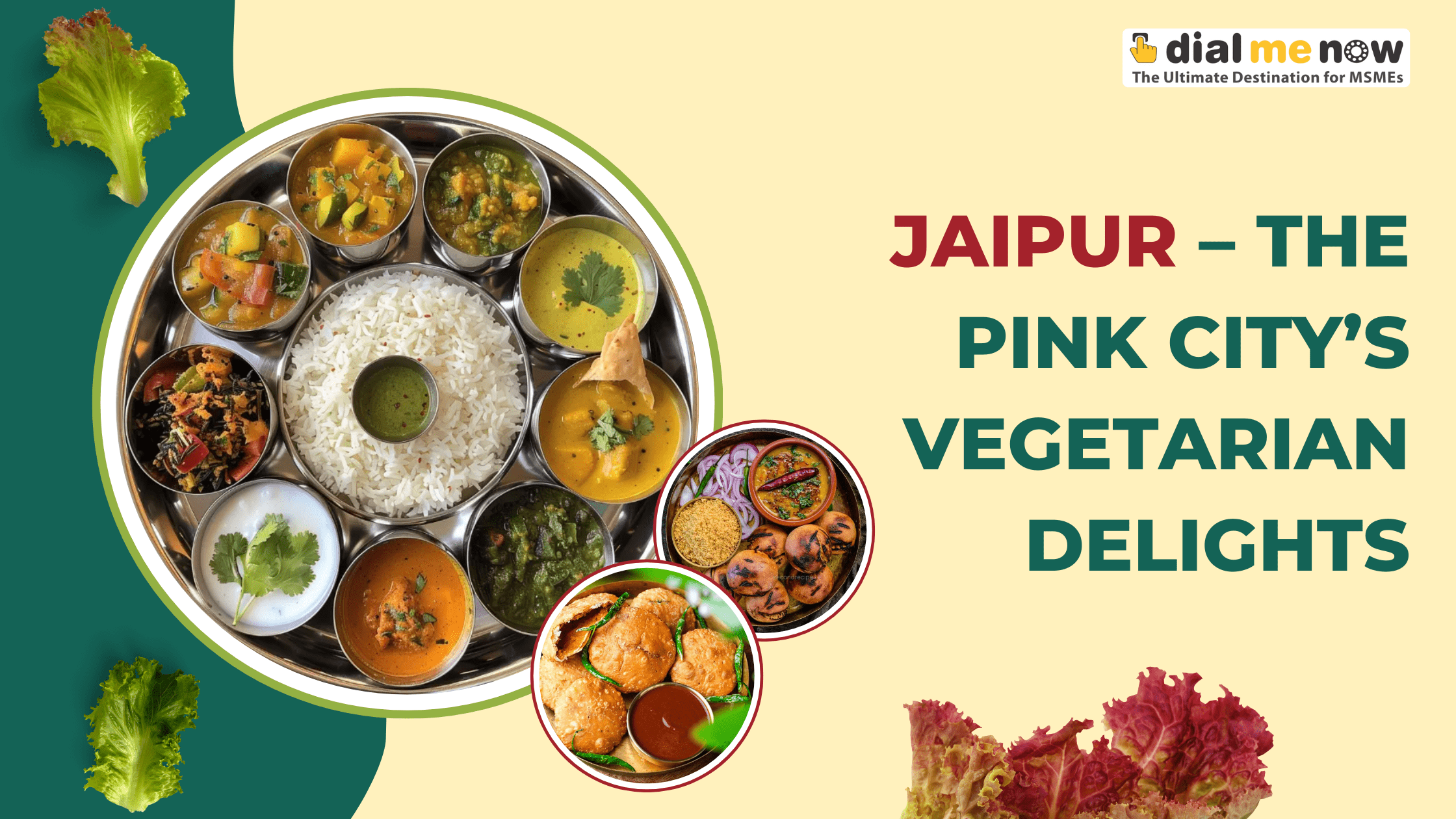
Jaipur is often introduced through its rose-hued facades and regal forts, but ask anyone who’s eaten their way across the city and they’ll tell you: the real color of the Pink City is the deep saffron of ghee, the emerald of fresh coriander, the gold of syrup-soaked sweets, and the riot of spices that define Jaipur vegetarian food. Rooted in royal kitchens and Marwari traditions, the city’s cuisine is a celebration of plant-forward abundance—thalis that spool endlessly, street snacks that crackle with each bite, and sweets that are festival-famous across India.
If you’re planning a food-led Jaipur trip (and you absolutely should), this guide rounds up the what, where, and how—packed with local nuance, practical tips, and routes you can actually follow on the ground.
Why Jaipur Is a Vegetarian Paradise
Marwari & Royal Heritage
Many families in Jaipur traditionally follow vegetarian diets influenced by Jain and Marwari customs. That historical lean-in to vegetarianism didn’t limit creativity—it supercharged it. Without onion/garlic in some kitchens, home cooks learned to coax deep flavors from gram flour (besan), dried berries and beans (ker, sangri), smokey buttermilk kadhi, and spice blends that sing even in the simplest sabzis.
Desert Ingenuity
Rajasthan’s arid climate shaped a pantry built to last: dried greens (ker sangri), besan-based curries (gatte ki sabzi), and breads that store well (baati). The result? Food that’s robust, travel-friendly, and immensely satisfying.
Street Culture
From dawn chai to late-night kulfi, Jaipur’s streets hum with snack stalls and mithai counters. Much of the action clusters around MI Road, Johari Bazaar, Bapu Bazaar, and food hubs like Masala Chowk—making it easy to sample a mini world tour of the city’s specialties in one evening.
The Must-Try Dishes (And What Makes Them Special)
1) Dal Baati Churma
The crown jewel. Baati are tight, baked wheat orbs brushed (liberally!) with ghee, meant to be crushed and dunked into smoky dal. Churma—crushed sweetened baati with ghee and sugar (or jaggery)—finishes the trio. It’s hearty, rustic, and thrives on contrast: earthy dal, crisp baati, sweet crumbly churma.
Pro tip: Ask for multiple dal styles if available (panchmel/panchratna dal is common). A drizzle of ghee on top isn’t optional; it’s the point.
2) Gatte ki Sabzi
Besan dumplings poached, sliced, and simmered in a yogurt-spice gravy. The gatte should be soft with a gentle bite; the gravy should be tangy and warm, never floury or raw-tasting.
3) Ker Sangri
A desert classic of dried berries (ker) and beans (sangri), rehydrated and sautéed with spices. Salty, tangy, faintly pickle-ish—perfect with flaky missi roti.
4) Kadhi
Rajasthani kadhi is thicker and bolder than many North Indian variants, often fragrant with methi and hing. Pair with steamed rice or bajra roti.
5) Pyaaz Kachori & Kadi Kachori
The pyaaz kachori is a flaky, deep-fried round stuffed with spiced onions—messy and revelatory when hot. Kadi kachori swaps the onion stuffing for spiced dal, then gets drenched in kadhi and chutneys. Have napkins ready.
6) Mirchi Bada
Fat green chilies stuffed with potato masala, coated in besan batter, and fried. Not as fiery as they look; ask for the “mild” batch if you’re spice-shy.
7) Samosa, Poha & Jalebi
Jaipur’s breakfast trifecta. Samosas are larger, crunchier; poha is lighter; jalebis are syrupy spirals best eaten hot. Balance a salty snack with a sweet bite.
8) Rajasthani Thali
A thali can include dal baati churma, gatte, ker sangri, aloo pyaz, papad ki sabzi, seasonal greens, kadhi, rotis (bajra, missi, tawa), rice, salads, chutneys, and desserts like moong dal halwa. Thalis are your one-plate passport.
9) Sweets: Ghewar, Mawa Kachori, Rabri, Feeni, Kulfi
- Ghewar (especially during Teej & Shravan) is a honeycomb-like disc dunked in syrup and often topped with rabri and nuts.
- Mawa kachori: deep-fried pastry stuffed with sweetened mawa, soaked in syrup—rich and festival-grade indulgent.
- Rabri: reduced milk that’s silky and nutty, often paired with malpua or ghewar.
- Feeni: delicate, thread-like pastry often ghee-roasted and sweetened.
- Kulfi: dense, creamy, and perfect for late-night walks.
10) Lassi & Chai
Kulhad lassi is thick and lightly sweet (or fruit-topped at some counters). Cutting chai stands are everywhere—watch the vendor “pull” the tea for that froth and aroma.
Where to Eat: Iconic Spots & Local Favorites
Note: Jaipur has several branches for famous names. When in doubt, ask your auto driver or hotel desk for the “original” outlet.
- Rawat Mishthan Bhandar (near Sindhi Camp): Legendary for pyaaz kachori, mirchi bada, and sweets. Crowded, for good reason.
- Laxmi Misthan Bhandar – LMB (Johari Bazaar): Classic sweets (ghewar, rasgulla, mawa kachori) and a clean, reliable veg thali in the restaurant section.
- Lassiwala (MI Road): The (in)famous kulhad lassi shop; look for the original shop number to avoid imitators next door.
- Sahu Chai Wala (near Ajmeri Gate): Old-school tea stand, beloved by locals.
- Mahaveer Rabri Bhandar (various): For thick rabri, malpua, and sweet fixes.
- Masala Chowk (Ram Niwas Garden): An open-air food court bringing together iconic Jaipur street vendors under one roof—great for a safe, sample-many-things evening.
- Chokhi Dhani (Tonk Road): A themed village experience with a sprawling Rajasthani veg feast—touristy, yes, but the thali experience is generous and theatrical.
- Tapri Central (near C-Scheme): Contemporary tea café—chaat-inspired snacks, vada pav, cheese-masala maggi vibes, and views.
- Falahaar (Saraogi Mansion & others): Sabudana specialties, fruit-based snacks; good for light, saatvik-friendly options.
- Govindam Retreat / Surya Mahal / Thali-centric eateries: For comprehensive, classic thalis.
Neighborhood Clusters to Explore:
- Johari & Bapu Bazaar: Sweets, snacks, and souvenir pit stops.
- MI Road: Lassi, bakeries, cafés, and a dense run of casual dining.
- C-Scheme: Modern cafés, young crowd, tea bars, and dessert spots.
A Practical, Eatable 1–2 Day Itinerary
Day 1: The Classics (Old City + MI Road)
- 7:30–9:00 AM – Start at a chai stall near Ajmeri Gate; snack on samosa/poha and a jalebi.
- 10:00 AM – After a fort or Hawa Mahal visit, swing by LMB for a mid-morning sweet sampler (ghewar, mawa kachori).
- 1:00 PM – Rajasthani thali lunch (LMB restaurant section or a thali specialist). Don’t rush; this is a slow, generous meal.
- 5:00 PM – Lassiwala (MI Road) for a kulhad lassi; wander MI Road bakeries.
- 7:30–9:30 PM – Masala Chowk dinner: pyaaz kachori, kadi kachori, mirchi bada, chaat, and a light dessert.
Day 2: Street Eats + Nostalgia
- 8:00 AM – Rawat Mishthan Bhandar breakfast: pyaaz kachori + mirchi bada.
- 11:00 AM – Café pit stop in C-Scheme (Tapri Central) for tea and modern snacks.
- 1:30 PM – Sattvic-style lunch (look for “no onion, no garlic” eateries if you follow Jain norms).
- 5:30 PM – Sweet crawl: rabri, feeni, and kulfi from legacy stores.
- 8:00 PM – Chokhi Dhani for an immersive thali experience, cultural performances, and a last hurrah for dal baati churma.
Seasonal & Festival Bites
- Monsoon (July–September): Mirchi bada, pakoras, and masala chai are the city’s rain romance.
- Teej & Shravan: Ghewar season—look for malai/rabri ghewar, and buy fresh for best texture.
- Winter (Nov–Feb): Moong dal halwa, ghee-rich churma, and rabri feel extra comforting in the cold.
Vegan, Gluten-Free & Jain-Friendly Tips
- Vegan: Many dishes lean on ghee, dairy, or yogurt. Ask for oil instead of ghee where possible, and check gravies for yogurt/cream. Vegan-friendlier choices include certain dry sabzis, chana preparations, chaats without yogurt, plain rotis (ask for no ghee), and fruit-based snacks at Falahaar-type counters.
- Gluten-Free: Focus on bajra roti, jowar roti, rice with dal/kadhi, and sabzis. Many sweets contain wheat or rava—ask before buying.
- Jain: Plenty of options—gatte, ker sangri, dal, papad ki sabzi, kadhi, and most thali components can be no onion/no garlic. Confirm with staff; many kitchens readily accommodate.
Hygiene, Budget & Ordering Smart
- Timing: Street snacks peak when crowds peak; late mornings and early evenings mean higher turnover (fresher oil, hotter batches).
- Water & Ice: Stick to sealed water; avoid ice in street drinks if you’re unsure about the source.
- Portion Planning: Everything is tempting—split that pyaaz kachori or order half portions where offered. You’ll cover more ground with fewer food comas.
- Cash vs UPI: Most places accept UPI, but keep small cash for old-school counters.
- Spice & Sweet Levels: Ask for mild versions of mirchi bada or request less syrup on sweets if you prefer.
- Packing Sweets: If you’re buying to take home, ask for travel packaging and how long each sweet stays fresh (ghewar is delicate; mawa sweets perish faster).
A Deeper Look at the Thali: What’s on the Plate?
A classic Rajasthani thali isn’t just a meal; it’s a choreography of textures and temperatures.
- Curry mains: Gatte ki sabzi, ker sangri, aloo pyaz, papad ki sabzi, seasonal greens.
- Hearty staples: Dal (often panchmel), kadhi (tangy, thicker), baati (with ghee), steamed rice.
- Breads: Missi roti (gram flour blend), bajra roti (rustic, nutty), tawa roti.
- Sides: Fresh salads, pickles, papad, chutneys (tamarind, mint-coriander, garlic where applicable).
- Desserts: Churma (sometimes multiple flavors), halwa (sooji or moong dal), or a small portion of rabri/ghewar.
How to eat it right:
Start with a bite of roti + sabzi, interleave spoonfuls of dal/kadhi and rice, and break baati into dal with a ghee drizzle. Save churma and sweet for the finale—or sneak it mid-meal. There are no hard rules; enjoy the flow.
Street Food Crawl Map (Build-Your-Own)
- MI Road Start: Kulhad lassi to set the tone.
- Short ride to Ajmeri Gate: Chai stop and a hot samosa.
- Johari Bazaar: LMB sweets; quick browse for ghewar, mawa kachori.
- Sindhi Camp Area: Rawat for pyaaz kachori/mirchi bada.
- Evening at Masala Chowk: Centralized tasting session—good variety, seating, and family-friendly.
- Wrap with Kulfi: Classic, no regrets.
This loop is compact enough for one enthusiastic day; sprinkle in fort visits between food breaks.
What to Bring Home
- Ghewar: Handle gently; prefer same-day consumption if topped with rabri.
- Namkeen & Mathri: Travel well and make great gifts.
- Masalas: Some sweet shops sell Rajasthani spice mixes—handy for replicating kadhi and gatte at home.
- Papad & Pickles: Crowd-pleasers that last.
Responsible Eating & Cultural Etiquette
- Hands-on eating: Eating with hands is common for baati and rotis—wash up and enjoy the tactile experience.
- Refills on Thalis: Many thalis come with refills. If you’re full, say so courteously to avoid waste.
- Temple & Sattvic Food: If visiting Govind Dev Ji or other temples, you can sample prasad and nearby sattvic eateries—simple, soulful meals.
Sample Budget (Indicative Only)
- Street snack (kachori/samosa): ₹30–80 per piece
- Lassi (kulhad): ₹60–150 depending on size/vendor
- Thali (mid-range): ₹300–700
- Chokhi Dhani dinner: Typically higher, but includes experiences and performances
(Prices vary by outlet and season; use this as a ballpark for planning.)
Two Ready-Made Food Trails (Save These)
Trail A: Old City Heritage Bites
Morning: Samosa + jalebi near Ajmeri Gate → Hawa Mahal visit
Midday: LMB sweet platter + light lunch
Evening: Masala Chowk round-up → Walk in Bapu Bazaar → Kulfi nightcap
Trail B: Comfort Foods & Cafés
Morning: Rawat kachori breakfast → Amber Fort excursion
Afternoon: Tapri Central tea break
Dinner: Chokhi Dhani thali spectacle
Quick Safety & Comfort Notes
- Carry a small sanitiser and tissues.
- If you have a sensitive stomach, start with baked and steamed items before diving into deep-fried street stars.
- Avoid over-scheduling; good thalis are leisurely. Your day’s sightseeing can orbit your meals, not the other way around.
FAQs: Jaipur Vegetarian Food
Q1) What are the absolute must-try vegetarian dishes in Jaipur?
Dal baati churma, pyaaz kachori, gatte ki sabzi, ker sangri, kadhi, mirchi bada, ghewar, and a kulhad lassi. If time is tight, do a thali (for breadth) and one street snack (for crunch).
Q2) Where can I find an authentic Rajasthani thali?
Classic options include LMB, dedicated thali restaurants in the old city and C-Scheme, and the immersive Chokhi Dhani village for a theatrical spread. Look for places that include baati made fresh, panchmel dal, gatte, and ker sangri.
Q3) I’m vegan—will I have enough to eat?
Yes, but check for ghee and dairy (yogurt/cream) in gravies and breads. Opt for dry sabzis, chana-based dishes, plain rotis without ghee, bajra/jowar rotis, rice-dal combos, fruit-based snacks, and dairy-free chaats.
Q4) Is street food safe to try?
Choose busy stalls (high turnover), eat freshly fried items hot, avoid raw garnishes if unsure, and prefer sealed water. Masala Chowk is a convenient, curated space for first-timers.
Q5) What’s the best time to visit Jaipur for food?
Monsoon (for mirchi bada + chai vibes) and winter (for rich sweets and halwas). Ghewar shines around Teej & Shravan. Even in summer, mornings and late evenings are pleasant for food trails.
Q6) Where do I buy the best ghewar?
Look to legacy sweet shops in Johari Bazaar and popular mithai brands with longstanding reputations. Ask for fresh stock and specify if you want plain (travels better) or rabri-topped (eat same day).
Q7) Any late-night options?
Bigger markets and main roads keep dessert counters and chai stands open late, especially on weekends. For a relaxed late-night fix, kulfi and chai are your safest bets.
Q8) What exactly is ker sangri?
A traditional Rajasthani desert mix of wild berries (ker) and beans (sangri), rehydrated and cooked with spices and oil/ghee. It’s tangy, slightly smoky, and pairs brilliantly with missi or bajra rotis.
Disclaimer
Food availability, prices, opening hours, and outlet quality can change with season and management. Dietary preferences (vegan/Jain/gluten-free) vary by kitchen; always confirm ingredients, especially for sweets and gravies that may contain ghee, dairy, or gluten. Locations mentioned are for guidance—not endorsements—and you should verify the exact outlet (some famous names have multiple neighboring lookalikes). Practice common-sense hygiene: eat fresh, choose busy counters, and drink sealed water.
Final Bite
Jaipur rewards the curious eater. From the earthy comfort of dal baati churma to the celebratory crunch of ghewar and the hand-warming ritual of roadside chai, Jaipur vegetarian food isn’t just a list of dishes—it’s a story of resourceful kitchens, desert-born flavors, and a city that feeds you like a cherished guest. Come hungry, pace yourself, and let the Pink City paint your itinerary in ghee and gold.