

Inside Jaipur’s Majestic City Palace
6/6/2025
Introduction
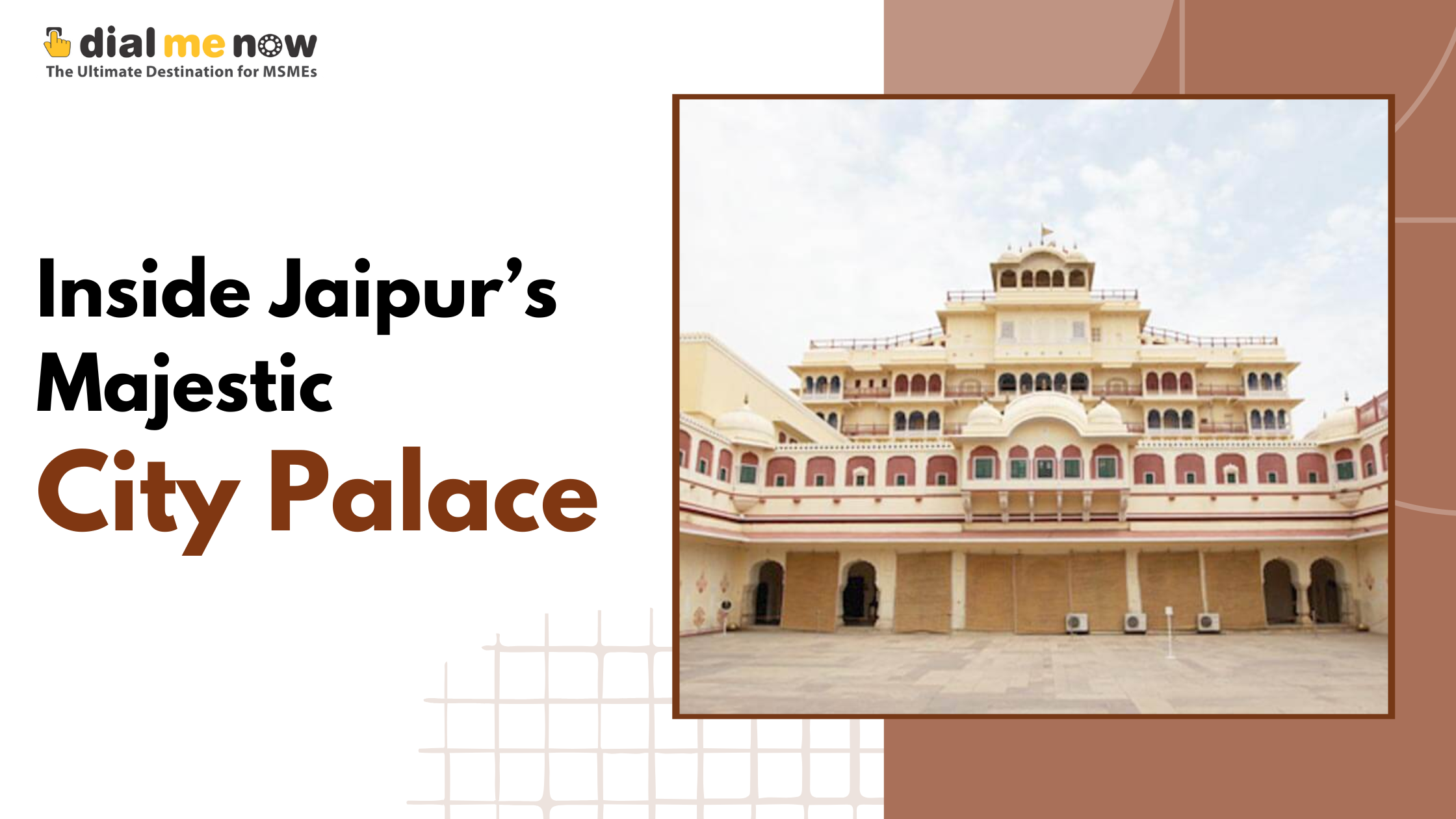
Nestled at the heart of Jaipur, the capital of Rajasthan, lies one of India’s most illustrious and storied palaces: the City Palace. An architectural marvel that seamlessly fuses traditional Rajput aesthetics with Mughal grandeur, the City Palace complex occupies nearly one-seventh of Jaipur’s walled city. More than just a monument to royal opulence, it serves as a living repository of Rajasthani culture, art, and history.
In this detailed guide, we will delve into the historical significance, architectural brilliance, cultural resonance, and practical visitor information for the City Palace. Spanning over 2000 words, this blog is designed to give you an immersive understanding of the palace’s origins, its purpose over the centuries, the cultural fabric it weaves into Jaipur’s identity, and tips to enhance your experience when you step inside its storied courtyards.
Historical Background
Founding of Jaipur and the City Palace
In 1727 CE, Maharaja Sawai Jai Singh II—an astute astronomer, mathematician, and warrior—established the city of Jaipur as a planned metropolis. Tired of the congestion and scarcity of water in his former capital Amber (now Amer), he envisioned a new city laid out according to Vedic architectural principles and Shilpa Shastra guidelines. As part of this grand initiative, the City Palace was constructed as both the administrative headquarters and the royal residence for the Kachwaha rulers.
Located at the center of the grid-patterned urban design, the palace’s placement symbolized the convergence of political authority, religious sanctity, and urban planning.
- Maharaja Sawai Jai Singh II (1688–1743): Recognized as a polymath, his contributions to astronomy included building five Jantar Mantar observatories across India. He sought to create a capital that was both strategically defensible and aesthetically harmonious.
- Strategic Significance: By situating the palace centrally, Jai Singh II ensured that governance, justice, and ceremonial duties all emanated from this locus of power.
- Shilpa Shastra and Vastu Shastra: Jaipur’s planning and the palace’s orientation adhered closely to traditional principles. The complex is aligned along the cardinal axes, with entrances and key structures positioned to harness auspicious energies.
Architectural Marvel
Fusion of Rajput and Mughal Styles
The City Palace stands as a testament to Indo-Saracenic architecture, reflecting an exquisite blend of Rajput motifs and Mughal aesthetics:
1. Rajput Elements
-
- Jharokhas (Overhanging Enclosed Balconies): Characteristic of Rajput palaces, these provide ventilation, privacy, and vantage points for the royal family to observe street processions without being seen.
- Chhatris (Domed Kiosks): Lotus-shaped chhatris dot the roofline, signifying regal authority and adding to the skyline’s silhouette.
- Frescoes and Mandana Art: Walls and ceilings are adorned with intricate frescoes depicting flora, fauna, and scenes from the epics.
2. Mughal Influences
-
- Arched Gateways (Pols): Sandstone and marble arches frame the main entrances, often embellished with pietra dura (stone inlay) and colored glass.
- Symmetrical Layouts: The gardens, courtyards, and axial alignments mirror Mughal planning principles seen at Fatehpur Sikri and Agra Fort.
- Sheesh Mahal (Mirror Palace): Although not as extensive as the famed Sheesh Mahal in Lahore, the mirror work in several chambers reflects Mughal penchant for opulence.
Layout of the Palace Complex
Encompassing several pucca (permanent) structures, open courtyards, gardens, and temples, the City Palace is divided into multiple zones. Visitors typically enter through the primary gate—Vijay Mandir Pol—and proceed through a series of courtyards (chowks) before accessing the inner sanctums. The key segments include:
- Zenana or Women’s Quarters
- Mardana or Men’s Quarters
- Private Royal Residence (Chandra Mahal
- Gardens and Courtyards
Main Structures within the Complex
- Vijay Mandir Pol (Triumphal Gate)
- Mubarak Mahal (Welcome or Reception Palace)
- Pritam Niwas Chowk (Courtyard of Affection)
- Chandra Mahal (Moonlight Palace)
- Diwan-i-Khas (Hall of Private Audience)
- Diwan-i-Aam (Hall of Public Audience)
- Govind Dev Ji Temple
Museums and Galleries
Several sections of the City Palace have been converted into museums that showcase an unparalleled collection of royal artifacts, manuscripts, costumes, and weaponry. Key museums include:
1. Mubarak Mahal Costume Museum
- Costume Collections: Over 600 royal garments, including silk robes, velvet coats, and armor worn by the Kachwaha royalty—each piece provides insight into evolving textile trends from the 18th to 20th centuries.
- Jewelry & Silverware: Crowns, scepters, and silver utensils used during royal banquets.
2. Maharani’s Mediation Chamber (Maharani Trade Bagh)
- Textile Exhibits:
- Demonstrations of tie-and-dye (Bandhej) and block-print techniques indigenous to Rajasthan.
- Antique brocade and zari (gold thread) fabrics, showcasing the intricate Bihar silk and Banarasi weave influences.
3. Armoury Museum
- Weapons Collection:
- Over 6,000 arms and armaments, including swords, daggers (khanjars), maces (gada), and shields (dhal), many inlaid with gold and semi-precious stones.
- Exquisite Mughal-style daggers with jade and rubies set into hilts, reflecting the syncretic artistry of the era.
- Significance: Illustrates the martial prowess and diplomatic gifts exchanged between the Maharajas and contemporaneous rulers.
4. Gallery of Paintings
- Miniature Paintings:
- Over 300 pieces depicting court scenes, wildlife (particularly tigers and elephants), religious themes, and processions.
- Styles range from Jaipur School to Kishangarh and Shekhawati influences.
- Manuscripts & Illustrated Folios:
- Rare illustrated copies of the Vishnu Purana, Ramayana, and Bhagavad Gita, enriched with gold-leaf borders and calligraphy.
5. Photo Gallery
- Historical Photographs:
- Early 20th-century black-and-white photographs capturing Maharaja Sawai Madho Singh II’s coronation, polo matches, and royal hunts (shikar).
- Photos of British Viceroys visiting the palace, highlighting Jaipur’s status within the Raj.
Cultural Significance
Preservation of Rajasthani Heritage
The City Palace functions as a living museum—an enduring symbol of Rajasthan’s cultural ethos:
- Artisan Communities: The palace complex has fostered local crafts such as meenakari (enamel work), lac (lacquer) art, and traditional textile printing. Artisans who once created for the royals now showcase their work to visitors, keeping age-old techniques alive.
- Music & Dance Traditions:
- Weekly folk music performances, featuring Manganiyar and Langa musicians, are held in designated courtyards, providing insight into the region’s musical heritage.
- Occasional Kathak dance recitals within the Palace’s open-air arenas, reflecting how courtly entertainment shaped classical dance forms.
Royal Ceremonies and Events
Though largely symbolic today, the palace continues to host select royal events that harken back to its ceremonial functions:
- Sawai Man Singh II’s Coronation Anniversary: An annual ceremony conducted in the Diwan-i-Khas, attended by select dignitaries, commemorates Maharaja Sawai Man Singh II’s accession in 1922.
- Raj Tilak Procession: On auspicious birthdays of current members of the former royal family, a small-scale Raj Tilak (anointment) ceremony takes place in one of the palace courtyards, invoking the traditions of yore.
- Charitable Initiatives: The Maharaja Gaj Singh Charitable Foundation occasionally utilizes sections of the palace to distribute educational materials, scholarships, and to host fundraisers for heritage conservation.
Purpose and Functions
Historical Role: Seat of Power
- Administrative Hub: Before Jaipur was integrated into the Indian Union in 1949, the City Palace served as the seat of the Kachwaha administration. Ministers, nobles, and foreign envoys convened here to discuss governance, alliances, and trade agreements.
- Judicial Functions: In the Diwan-i-Aam, the Maharaja presided over legal disputes. Petitions ranged from agrarian grievances (land rights and revenue disputes) to criminal cases. Randomly scheduled “Darbar days” allowed commoners to present their appeals directly.
Spiritual and Religious Significance
- Temple Complex: The Govind Dev Ji Temple and a small shrine dedicated to Lord Ganesh reflect the palace’s intrinsic association with Hindu Hindu worship. Priests were appointed by the royal household, and daily rituals (aarti, bhajan sessions) reinforced the ruler’s divine mandate.
- Ritual Processions: Throughout the year, processions carrying the deity’s idol moved through the palace’s corridors, accompanied by devotional songs. These processions were both religious observances and public spectacles, reinforcing the bond between the monarch and his subjects.
Modern-Day Role: Heritage and Tourism
- Museum and Exhibition Spaces: Nearly 80% of the palace is open to the public as curated museum spaces. The palace actively conserves rare artifacts, manuscripts, and textiles.
- Cultural Centre: By hosting live performances, art exhibitions, and scholarly seminars on Rajasthani history, the palace sustains an ongoing dialogue about regional heritage.
- Private Residence: The seven-floor Chandra Mahal continues to function as the royal household’s private quarters. Visitors can access the ground through fifth floors via guided tours; the sixth and seventh floors are strictly off-limits to maintain privacy.
Visiting Guide
Location and Accessibility
- Address: City Palace, Jaleb Chowk, Near Jantar Mantar, Jaipur, Rajasthan – 302002, India.
- How to Reach:
- By Road: Jaipur is well-connected via national highways. If you are staying within the city, taxis, auto-rickshaws, and local buses frequently ply routes leading to the palace. The nearest local landmark is the Jantar Mantar observatory.
- By Air: Jaipur International Airport (Sanganer) is approximately 12 kilometers away. From the airport, taxis and app-based cabs can be hired to reach the palace in about 30–45 minutes, depending on traffic.
- By Rail: Jaipur Railway Station is situated around 5 kilometers from the palace. Auto-rickshaws, cycle rickshaws, or prepaid taxis are readily available outside the station.
Operational Timings and Ticket Information
Note: All times and fares are accurate as of May 2025. Please verify on the official City Palace website before your visit in case of any changes.
- Opening Hours:
- Open daily from 9:30 AM to 5:00 PM (last entry at 4:30 PM).
- Closed on certain public holidays (e.g., Diwali closure on Diwali Day between 5:00 PM and midnight for special celebrations).
- Ticket Prices (Indicative):
- Foreign Adults: ₹700
- Foreign Children (5–12 years): ₹350
- Indian Adults: ₹300
- Indian Children (5–12 years): ₹150
- Camera Fee (DSLR/SLR): ₹200
- Video Camera Fee: ₹300
- Combo Tickets: Often, a combined ticket (City Palace + Jantar Mantar) is available at a discounted rate (e.g., ₹1,000 for Foreigners).
- Audio Guides and Guided Tours:
- Audio guides are available in English, Hindi, French, German, Spanish, Japanese, Mandarin, and Russian for an additional ₹100–150.
- Private English-speaking guides can be hired at the entrance (standard rate: ₹700–800 for a two-hour tour; rates vary for other languages).
Best Time to Visit
- Seasonal Considerations:
- Winter (October to February): Daytime temperatures range between 8°C and 25°C, making it the most comfortable time for exploration. Early mornings and late evenings can be chilly; pack a shawl.
- Summer (March to June): Temperatures often exceed 40°C. If visiting during this time, plan to arrive at opening time (9:30 AM) to avoid peak heat and crowds. Carry water, sunscreen, and a hat.
- Monsoon (July to September): Moderate showers transform the palace’s gardens into lush, verdant spaces. Humidity can be high; wear quick-dry fabrics and waterproof footwear.
Entry Requirements and Dress Code
- Appropriate Attire:
- No strict uniform required, but visitors are encouraged to dress modestly out of respect for the sacred spaces within (e.g., Govind Dev Ji Temple).
- Shoulders and knees should be covered when entering temple areas.
- Security Checks:
- All visitors must pass through a metal detector.
- Backpacks, large bags, and food items may be subject to additional screening.
- Accessibility:
- While many courtyards are wheelchair-accessible, some ramps connect main entrances. However, older sections with steps may present challenges for visitors with mobility impairments. It is advisable to check with the ticket office regarding wheelchair rentals or special assistance.
Photography Guidelines
- Allowed Areas: Most courtyards, exteriors of halls, gardens, and museum exhibits allow photography without additional charges (apart from the camera fee).
- Restricted Zones:
- Interior rooms of the private floors within Chandra Mahal (sixth and seventh floors) are strictly off-limits.
- Filming of rituals inside the Govind Dev Ji Temple is not permitted, though still photography without flash is allowed.
- Drone Usage:
- Prohibited within the palace compound and adjoining precincts under the Archaeological Survey of India (ASI) guidelines.
- Tips for Photo Enthusiasts:
- Early morning light (10:00 AM – 11:30 AM) is ideal for capturing the pastel pink and cream hues of the façade.
- Late afternoon (4:00 PM – 5:00 PM) offers soft, golden light that accentuates mirror work and sandstone carvings.
Nearby Attractions
Given its central location in the walled city, the City Palace is easily combined with these adjacent landmarks:
- Jantar Mantar (300 meters North)
- Hawa Mahal (500 meters East)
- Jal Mahal (2.5 kilometers West)
- Albert Hall Museum (1.5 kilometers South)
Dining and Shopping
- Nearby Eateries:
- Johri Bazaar Street Food (800 meters East): Known for kachoris, lassi, and samosas—ideal for a quick snack break.
- Souvenir Shopping:
- Local Artisan Stalls: Just outside the palace gates, multi-generational families sell handmade jewelry, wooden puppets, silver jewelry, and blue pottery.
Tips and Recommendations for an Enriching Visit
- Allocate Sufficient Time
- To explore all major sections—courtyards, museums, temple, and Chandra Mahal—set aside at least 3–4 hours. Rushing through can lead to missing hidden fresco details or minor museums tucked behind courtyards.
- Hire a Certified Guide
- For ₹700–800, an official guide can enrich your experience with anecdotes about royal scandals, architectural trivia (e.g., hidden ventilation systems), and lesser-known facts about Kachwaha lineage.
- Respect Local Customs
- When entering the Govind Dev Ji Temple, remove shoes and cover your head (scarf or cap). Photography is allowed without flash; avoid using mobile phones during aarti.
- Hydration and Sun Protection
- Even in winter, the dry desert air can dehydrate you quickly. Carry a stainless steel water bottle, apply sunscreen (SPF 30+), and wear a wide-brimmed hat. Refreshment stalls inside the palace sell bottled water and tea.
- Plan Around Crowd Rush
- Peak visitation occurs between 10:00 AM and 12:00 PM, and again from 2:00 PM to 4:00 PM. To avoid crowds, aim for opening at 9:30 AM or late afternoon around 3:30 PM.
- Combine with Nearby Heritage Sites
- Purchase a Combo Ticket (City Palace + Jantar Mantar) to save time and money. You can explore Jantar Mantar in 1–1.5 hours; witnessing the Samrat Yantra in action during midday provides unique astronomical perspectives.
- Dress Code for Cultural Programs
- If you plan to attend a folk music performance in the evening, consider wearing traditional Rajasthani attire (e.g., kurta-pajama or ghaghra-choli) to connect with the ambiance. Some local shops near the palace rent costumes by the hour for photography sessions.
- Engage with Artisans
- Palace workshops occasionally allow visitors to observe or participate in Bandhej (tie-dye) and block-print demonstrations. Purchasing directly from these artisans supports local livelihoods and ensures authentic souvenirs.
- Audio Guide vs. Mobile Apps
- While official audio guides cover basic history, third-party apps (e.g., “Jaipur Heritage Guide”) offer augmented reality (AR) overlays, showing historical photographs superimposed on current views. Be mindful of data charges and offline functionality.
- Accessibility Info
- Wheelchair ramps are installed at major entrances. However, cobblestone pathways and narrow corridors can be challenging. For visitors needing assistance, the palace staff can be alerted in advance for wheelchair support.
Practical Details: Planning Your Trip
Transportation Inside Jaipur
- Auto-Rickshaws and Cycle Rickshaws: Ideal for short distances within the walled city. Negotiate fares before boarding.
- E-Rickshaws: Eco-friendly electric variants of cycle rickshaws—preferred by many locals.
- App-Based Cabs and Taxis: Ola and Uber operate in Jaipur; convenient for airport or railway station transfers.
- Private Car Rentals: Self-drive cars are available from agencies; however, parking near the City Palace can be limited. Use designated paid parking lots near Jaleb Chowk.
Entry Tips and Baggage Guidelines
- Light Travel: Large backpacks and suitcases are discouraged. A small sling bag or daypack is sufficient.
- Prohibited Items: Sharp objects (knives, scissors), drones, large tripods, and alcohol.
- Lockers: Pay-and-use lockers are available near the ticket office to store extra belongings.
Accessibility and Assistance
- Wheelchair Availability: Limited number of manual wheelchairs at the ticket counter on a first-come, first-served basis.
- Special Assistance: Notify the ticket office in advance (via email or phone) if you require a ramped entrance or personalized assistance. Palace staff will escort you through the accessible route.
- Audio Descriptions for Visually Impaired: Though not widely advertised, audio descriptions (on request) can be provided for certain exhibits. Contact the palace curator’s office a week prior to arrival.
Conclusion
The City Palace of Jaipur is far more than a mere tourist attraction; it is the living heartbeat of Rajasthani heritage, encapsulating centuries of political intrigue, artistic excellence, and cultural confluence. From the triumphal arches of Vijay Mandir Pol to the resplendent mirror work of Sheesh Mahal, every stone, fresco, and mosaic tells a tale of a dynasty that skillfully balanced martial valor with refined aesthetics. Whether you are a history enthusiast seeking insight into 18th-century statecraft, an art lover yearning to witness Rajput-Mughal fusion, or a traveler eager to absorb the myriad hues of Rajasthan’s cultural tapestry, the City Palace offers an unforgettable journey.
By following the practical tips—such as hiring certified guides, visiting during the optimal season, and respecting temple customs—you can ensure that your exploration is both comfortable and enriching. And as the palace transitions from a seat of erstwhile power to a bastion of public memory, each visitor contributes to the ongoing narrative of preserving and celebrating India’s royal legacy.
Disclaimer
All content on this blog is provided solely for general informational purposes—while we strive for accuracy, no warranties (express or implied) are made regarding its completeness, reliability, or suitability, and nothing herein constitutes professional advice (you should consult qualified experts before acting); any brand, product, service, company, or trademark names mentioned are the property of their respective owners and are used only for identification without implying endorsement, sponsorship, or affiliation; in no event shall the blog owner, authors, or affiliates be liable for any damages arising from your use of or reliance on this blog.