

History of Rana Kumbha Palace: The Pride of Chittorgarh
9/8/2025
Introduction
The land of Rajasthan is synonymous with tales of valor, sacrifice, and grandeur. Amidst its forts and palaces, one monument stands out for its historic significance and association with legendary Rajput rulers: Rana Kumbha Palace in Chittorgarh Fort. This palace is not merely a structure of stone; it is a testimony to an era of chivalry, cultural prosperity, and unyielding resistance against invaders.
As part of the UNESCO World Heritage Site Chittorgarh Fort, the Rana Kumbha Palace holds immense historical weight. It served as the royal residence of the Sisodia Rajput dynasty, most notably Rana Kumbha, one of the most celebrated rulers of Mewar. The palace also witnessed some of the most heart-wrenching yet heroic events in Indian history, such as the Jauhar led by Rani Padmini and later by Rani Karnavati.
In this blog, we will explore the history, architecture, cultural symbolism, and significance of Rana Kumbha Palace. If you’re planning a visit, this guide will also help you understand the palace’s purpose and the stories it silently preserves within its ruined yet majestic walls.
The Legacy of Rana Kumbha
Rana Kumbha (reigned 1433–1468 CE) was a ruler of the Sisodia dynasty of Mewar, renowned for his military genius, patronage of art and architecture, and contributions to Rajput pride. During his reign, Mewar became a cultural and military stronghold. He constructed over 30 forts, commissioned numerous temples, and built the palace that still bears his name.
The Rana Kumbha Palace was not merely a royal residence; it symbolized the might and cultural richness of the Rajputs. It was also a stronghold within the fort, offering both comfort and defense to the rulers and their families.
Architectural Significance
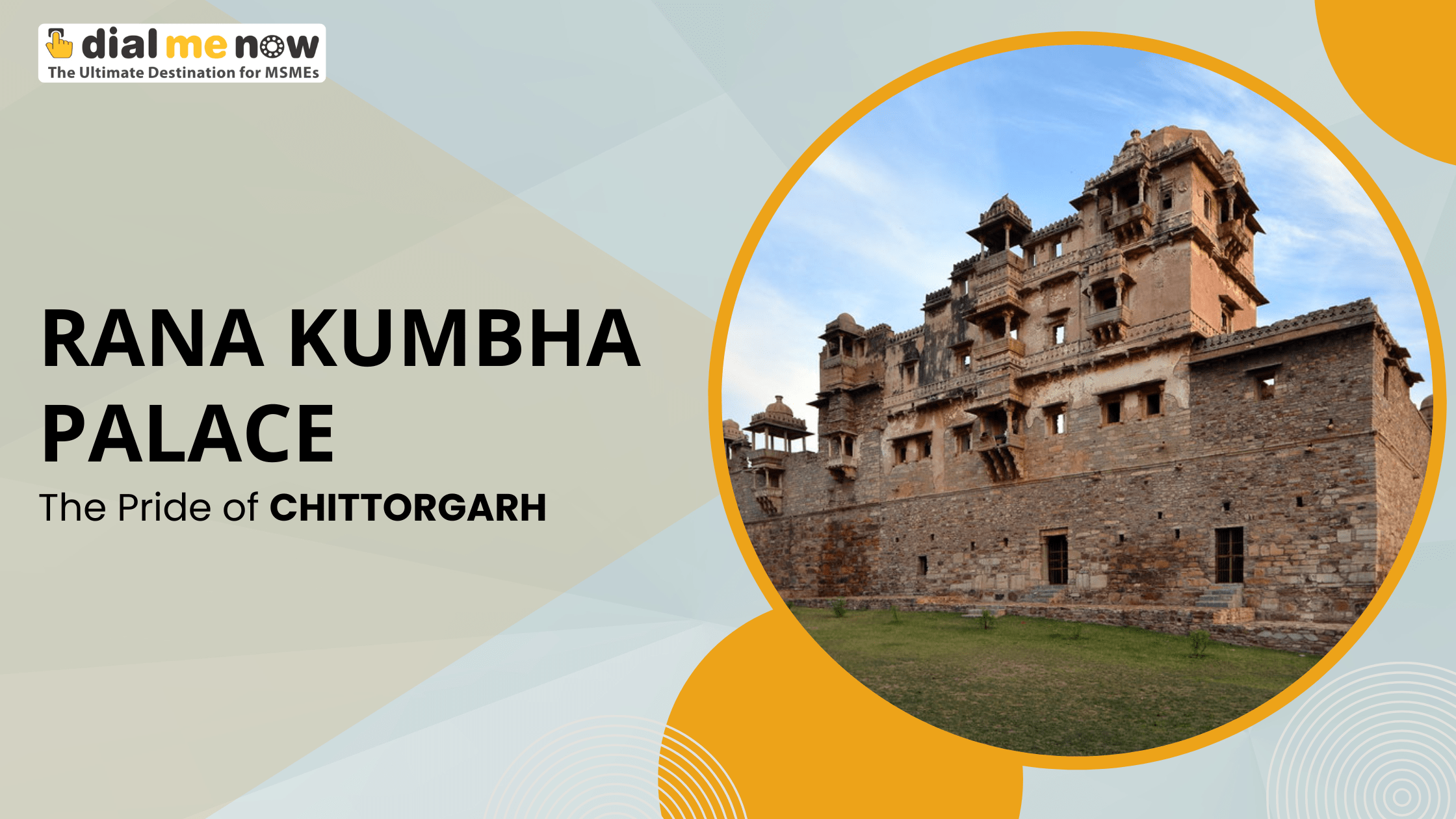
Although much of Rana Kumbha Palace now lies in ruins, the remnants give us a glimpse of its grandeur.
- Rajput Architecture: Built in Rajputana style, the palace incorporated massive courtyards, underground cellars, temples, stables, and royal living quarters.
- Stone Carvings: The palace had intricately carved pillars, arched gateways, and balconies reflecting the craftsmanship of the era.
- Secret Passages: The palace is famous for its subterranean cellars, where many tragic yet heroic events of history took place.
- Fortified Design: Being part of Chittorgarh Fort, the palace had defensive features — thick walls, bastions, and hidden routes to withstand sieges.
Even in its ruined state, the palace exudes a sense of awe, making it one of the most visited attractions in Rajasthan.
Historical Events Associated with Rana Kumbha Palace
The palace is etched with stories of both triumph and tragedy. Some key events that mark its historical significance are:
1. The Jauhar of Rani Padmini
One of the most poignant episodes associated with Rana Kumbha Palace is the Jauhar of Rani Padmini. When Alauddin Khilji invaded Chittorgarh in 1303, Padmini chose to commit self-immolation along with hundreds of women rather than surrender to the invader. The subterranean cellars of Rana Kumbha Palace are believed to be the site where this Jauhar Kund was located.
2. The Jauhar of Rani Karnavati
Centuries later, in 1535, the palace again became the site of another Jauhar, this time led by Rani Karnavati, the widow of Rana Sanga. Facing Bahadur Shah of Gujarat’s invasion, she led thousands of women into the flames, while the Rajput men fought till death.
3. Seat of Power
During Rana Kumbha’s reign, the palace served as the administrative and cultural seat of Mewar, hosting poets, musicians, and religious scholars. It became a center of intellectual flourishing.
Cultural and Symbolic Importance
The palace represents:
- Rajput Pride & Sacrifice: The repeated Jauhars make it a symbol of the Rajput code of honor.
- Art & Architecture: Despite being in ruins, the palace reflects medieval Rajputana craftsmanship.
- Spiritual Value: The palace houses the temple of Lord Shiva, adding a divine layer to its significance.
A Visitor’s Guide to Rana Kumbha Palace
For travelers and history enthusiasts, the palace offers a journey into the past. Here’s what you should know before visiting:
Location
- Situated inside Chittorgarh Fort, Rajasthan.
- Nearest city: Chittorgarh town (6 km away).
Best Time to Visit
- October to March: Pleasant weather, ideal for exploring the fort.
- Avoid peak summer (April–June) as temperatures can cross 40°C.
Timings & Entry
- Chittorgarh Fort is open from 9:00 AM to 6:00 PM.
- Entry tickets are applicable (nominal charges for Indian and foreign tourists).
Must-See Highlights
- Ruins of the palace courtyard
- Subterranean cellars (Jauhar sites)
- Temples inside the complex
- Surrounding fort structures like Vijay Stambh and Kirti Stambh
Travel Tips
- Wear comfortable shoes; a lot of walking is required.
- Hire a local guide for detailed historical narratives.
- Photography is allowed, but respect the heritage by not touching or defacing structures.
Disclaimer
This blog is meant for educational and travel guidance purposes only. While every effort has been made to provide accurate historical details, variations may exist due to differing historical sources and interpretations. Visitors are encouraged to explore with an open mind and consult multiple references for deeper understanding.
FAQs About Rana Kumbha Palace
Q1. Who built Rana Kumbha Palace?
Rana Kumbha of the Sisodia dynasty built the palace in the 15th century.
Q2. What is the significance of Rana Kumbha Palace?
It was the royal residence of the rulers of Mewar and the site of historic events such as the Jauhars of Rani Padmini and Rani Karnavati.
Q3. Can tourists visit Rana Kumbha Palace today?
Yes, it is open to visitors as part of the Chittorgarh Fort complex.
Q4. Is the palace still intact?
No, much of it lies in ruins, but the remnants still reflect its architectural grandeur.
Q5. Why is the palace linked to Jauhar?
The palace cellars were the locations where Rajput women committed mass self-immolation to protect their honor during enemy invasions.