

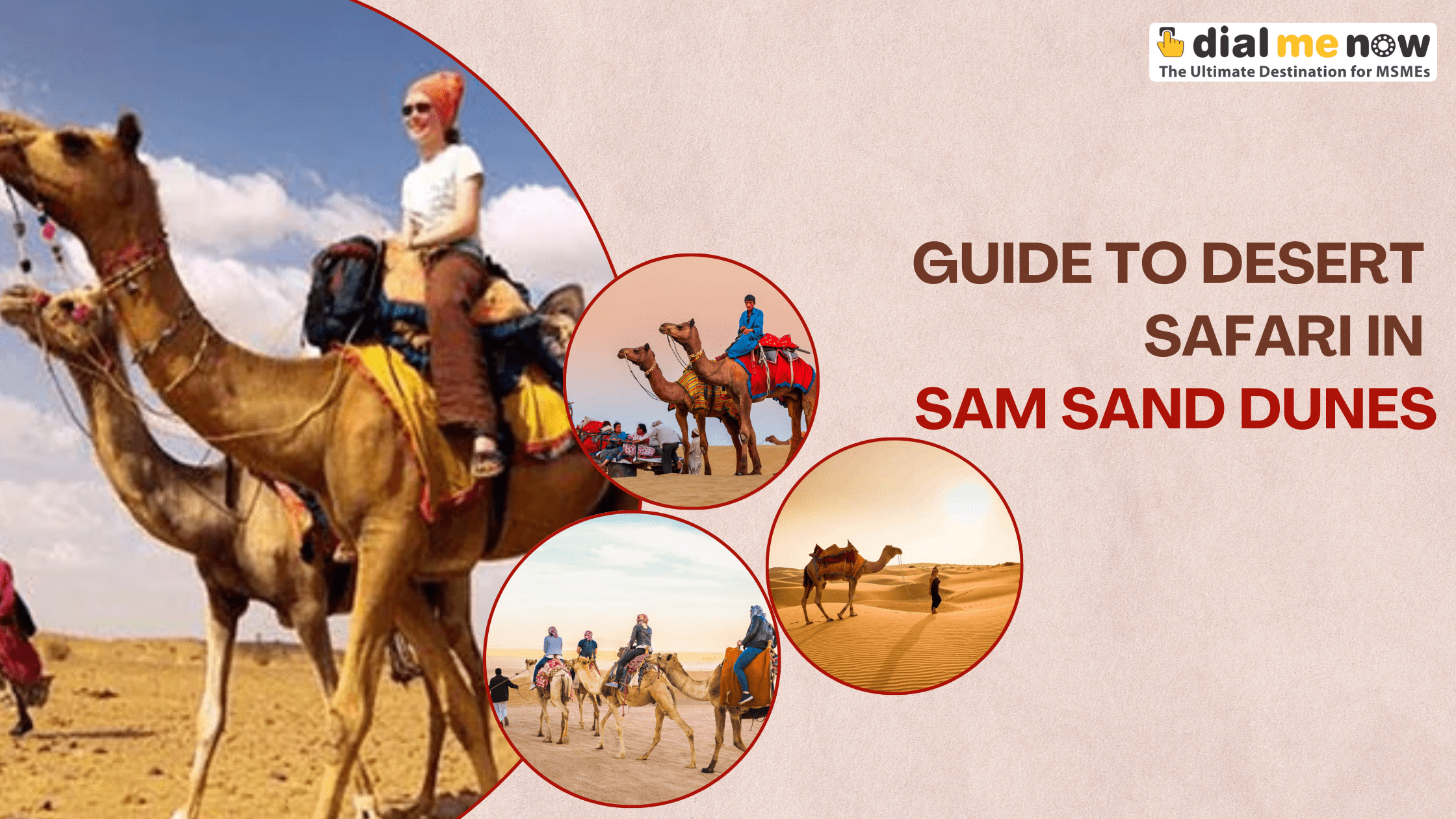
Guide to Desert Safari in Sam Sand Dunes
8/12/2025
Introduction
Nestled on the outskirts of Jaisalmer in western Rajasthan, the Sam Sand Dunes are a mesmerizing expanse of golden sands that radiate under the desert sun. Dotted with rolling dunes up to 150 feet high, this sweeping landscape has become synonymous with desert adventure and cultural immersion. Offering an authentic desert safari experience, Sam beckons travelers to ride camels across sculpted dunes, witness spellbinding sunsets, sleep under the Milky Way, and absorb the traditions of nomadic Rajasthan.
This guide takes you on a journey through time and sand: uncovering the dunes’ historical significance, their cultural importance, must-do safari activities, travel planning, and useful advice to make your desert adventure both memorable and responsible.
1. The Origins & Historical Significance of Sam Sand Dunes
1.1 Formation of the Dunes
- The Sam Sand Dunes are part of the Thar Desert, born through wind erosion and sedimentary processes over millennia.
- The pitch-black volcanic rock to the north contrasts sharply with the dunes’ golden curves, creating a stunning natural amphitheater.
1.2 Ancient Trade Routes
- Located near the historic city of Jaisalmer, Sam lay along ancient trade routes linking northwestern India with Arabia and Central Asia.
- Camel caravans once traversed these dunes laden with silk, spices, ivory, and jewels, making Sam a vital waypoint and campsite.
1.3 Rajput Associations & Military Use
- Local Rajput rulers regarded Sam as strategic: its elevated ridges offered safe vantage points for lookouts and signaling.
- During conflicts—especially in medieval times—temporary forts and tents were erected on the higher dunes.
1.4 Colonial Era Upheaval
- Under British rule, caravan trains declined as railways rerouted trade; the dunes then became a backdrop for durbars (royal assemblies) and falconry displays during princely visits.
2. Cultural Essence of the Dunes
2.1 Nomadic & Tribal Traditions
- Indigenous groups like the Maldharis and Raika shepherds have lived in and around Sam for centuries.
- Their traditions—like camel-breeding, folk tales, and seasonal festivals—are interwoven with the landscape.
2.2 Folk Music, Dress & Cuisine
- Nights in desert camps resonate with folk music: instruments like the been (snake-charmers’ flute), dholak, and khartal accompany soulful songs.
- Women wearing vividly embroidered Ghaghra-Choli and men in colorful pagris often perform Ghoomar and Kalbeliya dances.
- Cuisine like dal baati churma, bajra roti, gatta curry, and bajra khichdi connect with desert sustenance traditions.
2.3 Spiritual & Ritual Sites
- The dunes contain small shrines and cenotaphs (chauhans), memorials to local saints and revered dead.
- Special prayers and seasonal celebrations are sometimes held atop dunes to seek rain or prosperity.
3. Why Choose Sam Sand Dunes for Your Safari
- Proximity: ~40 km from Jaisalmer, accessible within 45–60 minutes by road.
- Accessibility: Smooth roads and plentiful transport options make visits easy year-round.
- Diverse Terrain: From gentle slopes to steep ridges, dunes cater to camel walks and off-road jeep crossing.
- Wide Camping Options: From luxury five-star tents with private plunge pools to traditional mud tents, Sam suits all preferences.
- Best Sunsets: The dune silhouettes are breathtaking in golden hour light.
4. Types of Desert Safari Experiences
4.1 Camel Safari
- Typically 1–2 hours over dunes; ride alone or in small groups.
- Guides share camel-navigating tips, desert survival lore, and scenic knowledge.
- Sunrise camel rides offer magical opportunities as the sun brushes dunes with pink and amber.
4.2 Jeep Safari
- Thrilling rides over dunes by open-top or closed jeeps.
- Options include sunset/sunrise safaris, half-day, or multi-day tours to remote oases and hamlets.
- Drivers often stop for dune camping or photography.
4.3 Quad Bike and Buggy Rides
- High-adrenaline 30-minute or hour-long rides.
- Safeguards include helmets, goggles, and instructor guidance.
- Ideal for thrill-seekers with sturdy dunes.
4.4 Village Safari & Cultural Immersion
- Visits to Maldhari or Desert Shepherd villages.
- Demonstrations of clay-pot making, camel milking, and folk storytelling.
- Optional stays in shepherd huts like bhungas, offering rustic experiences.
5. Desert Camp Life
5.1 Camp Categories
| Camp Type | Description |
| Luxury Tented | Plush amenities: spacious tents, en-suite bathrooms, AC/heating, gourmet meals |
| Mid-range | Spacious tents, shared or private baths, communal bonfire, folk performances |
| Eco/Budget | Simple tents, shared facilities, community vibe, local meals |
| Heritage Huts | Bhungas styled with mud and thatch, handwoven décor, traditional food |
5.2 Typical Camp Experience
- Welcome Tea: Chai and cookies when you arrive.
- Tent Tour: Guidance on baggage storage and facilities.
- Daytime Activities: Camel rides, jeep safaris, village visits.
- Evening Bonfire: Folk performances with music under the stars.
- Traditional Dinner: Multi-course Rajasthani meal around the fire.
- Stargazing: Unpolluted desert skies allow shimmering Milky Way views.
- Sunrise Moment: Early morning tea on the dunes, magic light return.
5.3 Responsible Camp Practices
- Use solar lighting if possible.
- Avoid single-use plastics; carry refillable water bottles.
- Conserve water wisely.
- Engage respectfully: ask before photographing locals and their private spaces.
- Tip staff for cultural continuation.
6. Crafting Your Safari Itinerary
6.1 Classic Overnight Safari
- Day: Jaisalmer to Sam (~45 min by road).
- Afternoon: Camel safari to dunes; sunset viewpoint.
- Evening: Folk music, dance, bonfire, traditional dinner.
- Night: Sleep in tent; stargazing.
- Morning: Sunrise camel ride; return.
6.2 Two‑Night Luxury Safari
- Includes jeep safari to Khuri, Dechu, or Pokhran; village immersion.
- Extra night allows for relaxation, private dune photography, or camel safaris.
- Night two brings special meals and deeper cultural exchange.
6.3 Adventure Combo Safari
| Activity | Duration | Highlights |
| Quad‑bike/buggy ride | 30–60 mins | Dune thrills at high speed |
| Jeep safari to remote dunes | 2–3 hours | Scenic spots like Kuldhara & Khuri |
| Camel safari | 1–2 hours | Traditional ride at dawn or dusk |
| Village safari | 1–2 hours | Experience shepherd life, crafts, and hospitality |
| Camp Lounging & Stargazing | Evening | Music, stories, sky map, Milky Way |
6.4 Multi‑Day Desert Camping Loop
- Day 1: Arrive, camel safari & sunset.
- Day 2: Jeep safari to Khuri, lunch, village visit, return.
- Day 3: Early morning quad ride, rest in camp, traditional arts workshop.
- Departure: Camel ride and return.
7. When to Go: Seasonal Guide
- October–March (winter): 10–25 °C; cold nights; best for full-day comfort.
- April–June (summer): 35–45 °C; early dawn/dusk safaris only; midday rest indoors.
- July–September (monsoon): 30–38 °C; chance of rain; dunes green-up; humidity may affect comfort.
8. Getting to Sam Sand Dunes
8.1 From Jaisalmer
- Distance: ~40 km.
- Transportation: Private car, taxi (₹1,500–2,500 roundtrip), rental car, or pre-arranged camp transfers.
- Road: Smooth, desert highway; app navigation works.
8.2 From Jodhpur or Jaipur
- By Train/Bus: to Jaisalmer; then local transport.
- By Air: nearest airports at Jodhpur (280 km) or Jaipur (~650 km).
8.3 In-Camp Pickup & Drop
- Most camps offer complimentary pickups from Jaisalmer upon confirmation.
- Shared jeeps are economical; private taxis more flexible.
9. Budget Planning & What to Pack
9.1 Estimated Costs (per person)
- Camel safari (1–2 hr): ₹500–1,200
- Jeep safari (to Khuri, half-day): ₹1,500–3,000
- Quad-bike ride (30 min): ₹800–1,500
- Overnight camp (mid-range): ₹2,000–4,500
- Luxury tent with meals: ₹6,000–12,000
- Village safari add‑on: ₹800–1,200
- Jeep + camp package: ₹5,000–10,000
9.2 Packing Essentials
- Light layers and a warm sweater (winter nights)
- Sturdy closed shoes or desert boots
- Wide-brimmed hat, sunglasses, SPF 30+
- Refillable water bottle
- Personal toiletries, medications
- Dry snacks (nuts, bars)
- Portable charger, camera, binoculars
- Binoculars & star chart for stargazing
- Audio:** download desert music** or record natural desert soundscapes
10. Safety & Well-being
- Drink bottled or purified water; avoid direct dehydration.
- Ear protection for quad rides; cotton bandana against dust.
- Sun protection: reapply sunscreen, wear protective clothing.
- Night chills call for a jacket or blanket even in summer.
- Inform family of overnight plans; keep a copy of pickup arrangements.
- Be cautious atop dunes at sunrise/sunset to avoid sand collapses.
11. Responsible Tourism
- Prioritize eco-friendly camps using solar, recycling, and compost.
- Support local artisans by purchasing handmade crafts.
- Tip guides, drivers, and camp staff individually.
- Respect natural dune shifts; avoid litter and trek carefully.
- Ask permission before photographing people or their settlements.
- Support wildlife conservation—avoid disturbing desert species.
12. What You’ll Experience
- Scenic sunsets: Flaming skies painting dunes with gold, orange, and purple.
- Starry nights: Clear desert skies revealing the Milky Way overhead.
- Cultural immersion: Folk songs and dances around the fire.
- Rustic comfort: Tents, lanterns, warmth, and heartfelt hospitality.
- Adventure thrills: Dune rides on camel, jeep, and quad.
- Peaceful seclusion: Expansive silence, broken by wind and wildlife sounds.
13. Cultural & Historical Landmarks Near Sam
- Khuri Village: Known for large dunes, camel breeding, and folk villages.
- Kuldhara Abandoned Village: A ghost village with 19th-century structure—open midday.
- Bada Bagh Cenotaphs: Royal memorials set among fading sandstone, near Jaisalmer.
- Longewala Memorial: A WWII battlefield memorial ~120 km away.
- Fort Jaisalmer: Easily combined as a day excursion both before or after the safari.
14. Itinerary Suggestions
3‑Day Adventure & Culture
| Day | Morning | Afternoon | Evening |
| 1 | Arrive Jaisalmer → check-in → rest | Jeep safari to Khuri → village visit | Sunset at dunes, folk show, dinner |
| 2 | Camel safari sunrise + tea | Kuldhara tour + return to camp | Bonfire, stargazing, traditional dinner |
| 3 | Quad ride at dawn + local craft workshop | Relax at camp → pack | Farewell sunset, dinner, return next day |
Day‑Trip Safari
- Morning camel ride
- Lunch in camp
- Afternoon sandboarding or jeep ride
- Sunset + music
- Return to Jaisalmer late evening
15. Cultural Tips & Etiquette
- Namaste gestures respect; small gifts are appreciated.
- Dress modestly and remove shoes before entering tents.
- Ask before photographing people or their homes.
- Agree on fair prices when purchasing crafts: support artisans fairly.
- Use polite Hindi or Rajasthani phrases; courteous greetings build goodwill.
- Reward good service: ₹100–500 depending on role and stay.
- Stay hydrated and pace your activities based on heat/seasons.
16. Comparison: Sam vs. Khuri Dunes
| Feature | Sam Sand Dunes | Khuri Dunes |
| Distance from Jaisalmer | ~40 km | ~45 km |
| Dune Topography | High ridges (up to 150 ft) | Slightly gentler slopes, expansive skyline |
| Vibe | Lively with many camps and tourists | Quieter, more boho and peaceful |
| Activities | Full range: camel, jeep, quad, village | Camel, jeep, village, some quads |
| Best For | Varied budget stays, sunset rotation | Offbeat stays, solitude, boutique camps |
17. How to Book & Plan Your Trip
17.1 Booking Camps
- Check reviews on Booking.com, TripAdvisor, and camp websites.
- Look for eco-friendly certifications and inclusive packages.
17.2 Local Tour Operators
- Choose licensed guides through Jaisalmer Visitor Centre. Ask about geology, birdlife, and local tribes.
- Multi-format packages (camel + jeep + quad + local sightseeing) offer great value.
17.3 Essential Inclusions in Package
- Pickup & drop from Jaisalmer
- Camel and/or jeep safari
- Quad‑bike or desert buggy
- Comfortable tent, meals, bedding
- Cultural show, bonfire, stargazing
17.4 Travel Insurance
- Include adventure coverage (camel rides, quad biking).
- Ensure health coverage for sunstroke or heat dehydration.
17.5 Visas & Permits
- No special permits for Sam. ID verification (tourist visa/passport) may be required at hotels or camps.
- Indian nationals just need valid ID.
20. The Lasting Magic of Sam Sand Dunes
- Transforms from golden waves of sand at sunset to a celestial stage after dark.
- Reveals layers of cultural history—nomads, music, cattle herders, and caravan traders.
- Ignites internal adventure—every dune crossed opens a new horizon.
- Leaves travelers connected—to place, people, food, traditions, and sky.
Entrance Fees & Permissions
- No specific entry fee to access dunes.
- Safari costs are included in camping or activity packages.
- No protected wildlife area—no additional permits.
- Vehicles follow camp permits for restricted areas.
Sustainability & Camp Certification
- Choose camps with solar lamps, composting toilets, recycling, and community funds.
- Ask about animal care policies for camels and horses.
- Camps following Ladakh-style “eco” models avoid plastic, support local guides, and practice water conservation.
Backup Plan: Inclement Weather
- Flash floods possible during monsoon—check weather and avoid risky routes.
- Sandstorms: camps may close shutters; jeep safaris can be rescheduled.
- Excessive heat: midday siesta recommended; sunrise or evening safaris prioritized.
Social & Romantic Moments
- Proposal spots: atop dunes at sunrise are ideal proposals under quiet skies.
- Photography: practice “golden hour” dunes with motif-based portraits or time-lapse sequences.
- Writing & Meditation: solitude encourages reflection; many bring journals to write at dawn.
Final Thoughts
A safari in Sam Sand Dunes is more than simply a ride—it’s a deep dive into Rajasthan’s elemental identity. Between windswept dunes, desert storytellers, camels silhouetted against a red sky, and the glimmering Milky Way, you find an experience that is at once raw and refined, ancient and immediate.
Whether traveling with family, solo, or on a couple’s retreat, Sam accommodates all hearts: from adventure seekers to culture lovers. It reveals a Rajasthan apart from palaces and cities—a Rajasthan of windswept sand, nomadic persistence, and star-drenched nights.
Disclaimer
This guide is intended for informational and travel-planning purposes only. All details regarding safari operators, camp facilities, activity pricing, and weather conditions should be confirmed through official camp providers or licensed agencies prior to travel. The author and associated entities are not responsible for any damages, losses, or inconveniences arising from travel decisions based on this guide. Travelers should exercise common sense, respect local customs, and prioritize environmental responsibility.
Frequently Asked Questions (FAQs)
Q1. What is the best season to go?
October–March for mild weather and full-day safaris; April–June for sunrise/dusk adventure; monsoon (July–Sept) for green dunes but occasional rain.
Q2. How long is a night safari?
Typically 1–2 nights; longer safaris include multi-day village or Khuri loops.
Q3. Camel vs. Jeep vs. Quad: which is best?
- Choose camel for cultural and photographic calm.
- Go jeep for sightseeing plus comfort.
- Try quad/buggy if you seek adrenaline and dune thrills.
Q4. Are camps safe and hygienic?
Mid-range and up camps maintain hygiene and safety; luxury camps offer staff and modern facilities. Check reviews before booking.
Q5. What clothes should I pack?
Layered cotton/linen; sweater/jacket for nights; sturdy shoes; scarf or bandana; sun protection.
Q6. Is the desert safari suitable for kids?
Yes—camel rides and jeep safaris are family-friendly. Ensure heat precautions and tent safety.
Q7. Can I travel solo?
Yes, solo travelers are welcome; camps are safe and social—great for connecting with others.
Q8. Are there restroom facilities?
Mid-range/luxury camps have attached or shared bathrooms. Budget camps may offer basic facilities—ask in advance.
Q9. Is vegetarian food available?
Yes—nearly all camps offer vegetarian, some also cater to dietary preferences like Jain meals.
Q10. Do I need to tip?
Tipping is appreciated. For longer stays, ₹300–500 for camp staff/fixed as a group; ₹100–200 for camel/jeep drivers per activity.