

Eklingji Temple: Discovering the Rich History of Eklingji Temple Near Udaipur
7/6/2025
Introduction
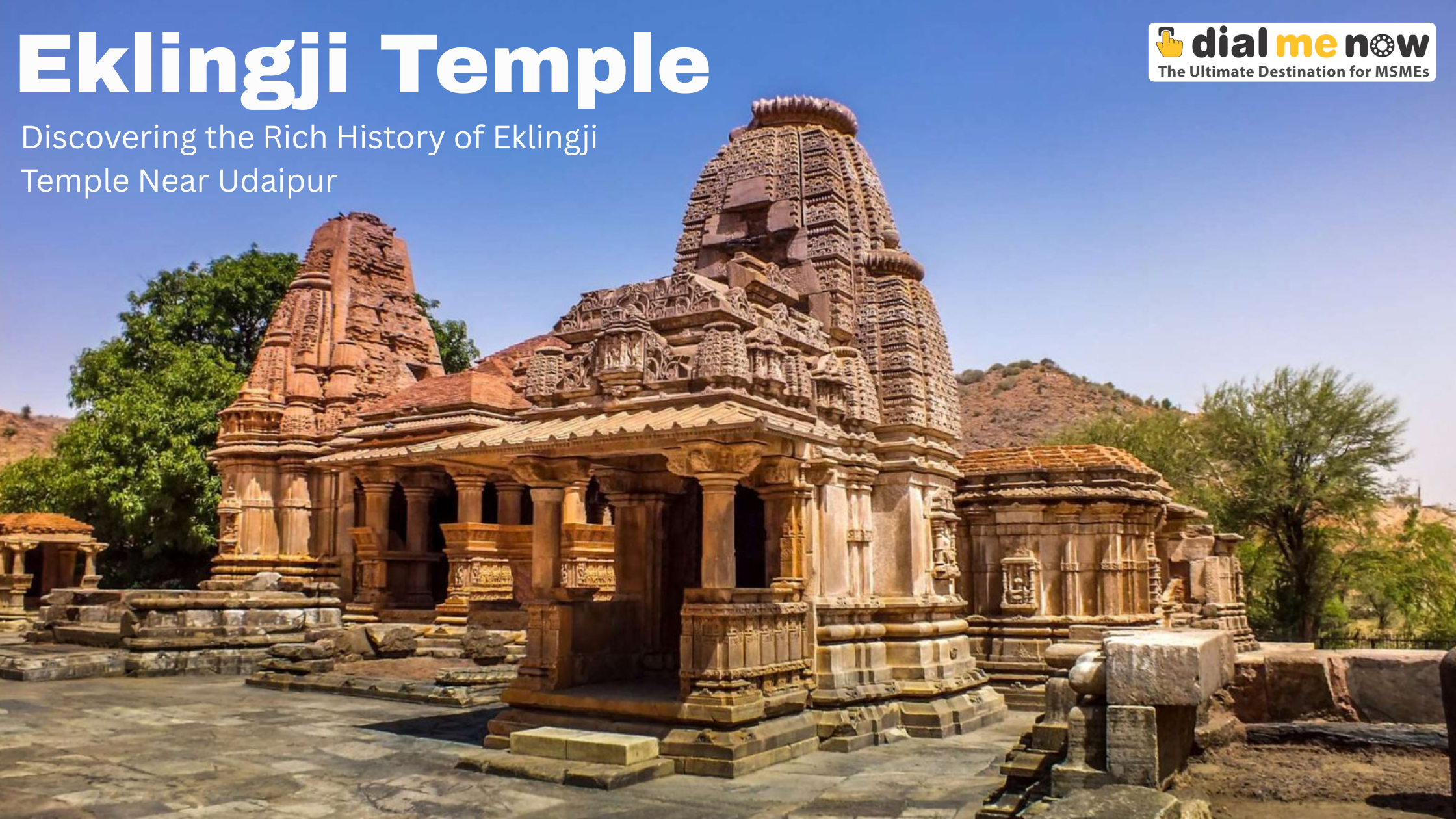
Located just 22 kilometers north of Udaipur, the sacred town of Eklingji houses one of the most revered Hindu temples in Rajasthan—Eklingji Temple. Dedicated to Lord Shiva, this 8th-century marvel is not only a significant religious center but also an extraordinary example of Rajput-era temple architecture.
The temple complex, nestled amidst the Aravalli hills, is a spiritual haven where devotees and tourists alike come to experience divinity, history, and stone-carved elegance.
Built by Bappa Rawal, the founder of the Mewar dynasty, Eklingji Temple has been a site of devotion and royal patronage for over 1300 years. Even today, the Maharanas of Udaipur regard Lord Eklingji as the ruling deity of Mewar, considering themselves mere custodians.
1) Historical Legacy
1.1. Bappa Rawal’s Divine Vision
Legend holds that Bappa Rawal had a divine vision of Lord Shiva, prompting him to construct a temple at Kailashpuri (now Eklingji) around 734 AD. From its very inception, the temple became the spiritual nucleus of Mewar’s royal family, shaping the cultural and religious identity of the region.
The original structure has seen many renovations and reconstructions over the centuries, particularly during the reigns of Maharanas like Mokal Singh and Rana Kumbha. Despite the passage of time and various invasions, the temple remains well-preserved and continues to be an active place of worship.
1.2. Royal Patronage and Protection
For the rulers of Mewar, Eklingji was not merely a deity—it was a symbol of divine kingship. Every ruler attributed their authority to Lord Eklingji, ruling as his representative on earth. This unique concept elevated the temple’s status not just spiritually but also politically.
The temple was often endowed with lands, wealth, and artisans by the kings of Mewar, ensuring its grandeur and sustainability. In times of crisis, the temple served as a refuge for sacred artifacts and royal legacies.
2) Architectural Brilliance
2.1. Temple Complex
Eklingji Temple is not a singular shrine but a vast complex consisting of 108 smaller temples made of sandstone and marble. These are spread across courtyards, each adorned with intricately carved pillars, domes, and spires.
2.2. Main Shrine and Idol
The primary sanctum (garbhagriha) houses a striking four-faced black marble idol of Lord Shiva. Each face represents a different form of Shiva:
- East: Surya (Sun)
- West: Brahma (Creation)
- North: Vishnu (Preservation)
- South: Rudra (Destruction)
The idol is encircled by a silver snake and topped with a golden crown. Unlike traditional Shiva temples that house a lingam, Eklingji’s anthropomorphic form is highly unique and revered.
C. Sculptural Elements
The temple’s walls and ceilings are covered in intricate carvings of deities, mythical creatures, dancers, and floral motifs. The craftsmanship speaks volumes of the skill and devotion of artisans from different centuries.
Some of the subsidiary shrines are dedicated to:
- Goddess Parvati
- Lord Ganesha
- Lord Kartikeya
- Nandi (Shiva’s Bull) – a massive, polished idol made of black marble sits before the main shrine
3) Rituals and Worship Practices
3.1. Temple Timings
- Morning: 4:30 AM – 7:00 AM
- Evening: 5:15 PM – 7:30 PM
- Closed in the afternoon
Note: Timings can vary on festival days and special occasions.
3.2. Daily Rituals
The day begins with Mangla Aarti, followed by Shringar (adornment), Rajbhog (offering of food), and Sandhya Aarti (evening prayer). These rituals are conducted by temple priests and are accompanied by devotional music and chanting.
3.3. Special Occasions
- Maha Shivratri: The most important festival here; thousands of devotees gather for a night-long celebration and darshan.
- Shravan Month: Mondays in Shravan (July–August) are considered especially auspicious.
- Ekadashi and Purnima: These lunar days see heightened religious activity.
4) Cultural Significance
Eklingji is more than a pilgrimage site—it is a cornerstone of Mewar’s identity. Even today, the current Maharana of Udaipur visits the temple during major festivals to offer prayers, continuing the centuries-old tradition.
This religious hub also hosts scholars, historians, and artists who study the evolution of Hindu temple design, iconography, and sacred geography. Eklingji’s influence extends to literature, folklore, and local customs.
4.1. How to Reach
- Distance from Udaipur: 22 km via NH58 (Udaipur-Nathdwara highway)
- By Car/Taxi: Most convenient; journey takes around 30–40 minutes
- Public Transport: Local buses and shared jeeps available from Udaipur City Bus Stand
- Parking: Available near the temple entrance
4.2. Visitor Tips
- Dress Modestly: Traditional or conservative attire is recommended
- Footwear: Not allowed inside; safe racks are provided
- Mobile Phones: Photography is strictly prohibited inside the temple
- Shopping: Local stalls sell puja items, rudraksha beads, incense, and religious souvenirs
- Timing: Arrive early morning or evening for peaceful darshan
4.3. Nearby Attractions
- Nathdwara Temple (Shrinathji): 30 mins away, dedicated to Lord Krishna
- Sas-Bahu Temples: 10th-century twin temples with exquisite carvings, located near Eklingji
- Nagda Ruins: Ancient site with historical significance, just 1 km from Eklingji
- Haldighati: Historic battlefield and museum about Maharana Pratap, ~45 minutes away
5) Local Legends and Folklore
One popular legend speaks of how Lord Shiva appeared before Bappa Rawal in a vision, guiding him to establish the temple. It is believed that Lord Eklingji himself protects the region of Mewar from misfortune.
Locals believe that the four-faced Shiva idol grants blessings for peace, protection, and family prosperity. Many childless couples visit the temple in hope of divine grace.
Another tale involves a hidden underground passage connecting the temple to the old Mewar fort, meant to safeguard the royal family and sacred icons during times of war.
6) Local Cuisine & Eateries
Though Eklingji is a pilgrimage town, a few vegetarian eateries nearby offer simple Rajasthani thalis, poha, kachori, and chai. For a broader selection, head back to Udaipur’s Sukhadia Circle or Chetak area.
7) Conclusion
Eklingji Temple is a timeless embodiment of Rajasthan’s spiritual depth and architectural brilliance. With its sanctified ambiance, rich history, and devotional energy, the temple offers a profound experience to both pilgrims and travelers. It’s not just a visit—it’s a journey into the heart of divine kingship, where stone and soul meet.
Whether you’re seeking blessings, understanding India’s sacred traditions, or exploring historical marvels, Eklingji Temple near Udaipur is a destination that commands reverence and rewards reflection.
Frequently Asked Questions (FAQs)
Q1. What is Eklingji Temple famous for?
Eklingji Temple is renowned for its four-faced black marble idol of Lord Shiva, its 1300-year-old legacy, and its status as the spiritual center of the Mewar dynasty. It’s a significant pilgrimage site and a masterpiece of Rajput-era temple architecture.
Q2. Who built Eklingji Temple?
The temple was founded in 734 AD by Bappa Rawal, the first ruler of the Mewar dynasty, following a divine vision. Several rulers, including Rana Kumbha and Mokal Singh, later contributed to its renovation and expansion.
Q3. Where is Eklingji Temple located?
Eklingji Temple is located in Kailashpuri, about 22 kilometers north of Udaipur, on the Udaipur-Nathdwara highway (NH58). It takes around 30–40 minutes to reach by taxi or private car from the city.
Q4. What are the temple’s opening hours?
The temple is open during two main time slots:
- Morning: 4:30 AM – 7:00 AM
- Evening: 5:15 PM – 7:30 PM
Note: Closed in the afternoon and timings may change on special occasions or festivals.
Q5. What makes the idol of Lord Shiva at Eklingji Temple unique?
Unlike most Shiva temples that have a lingam, Eklingji features a four-faced anthropomorphic idol of Shiva, each face representing a divine aspect: Surya, Brahma, Vishnu, and Rudra. This form is rare and deeply symbolic.
Q6. Is photography allowed inside Eklingji Temple?
No, photography is strictly prohibited inside the temple premises. Visitors are requested to respect this rule to preserve the sanctity of the temple.
Q7. What rituals are performed at Eklingji Temple?
The temple follows a strict ritualistic schedule, including:
- Mangla Aarti (early morning)
- Shringar (adorning the deity)
- Rajbhog (offering of food)
- Sandhya Aarti (evening prayer)
These are conducted with Vedic chants, temple bells, and devotional hymns.
Q8. Which festivals are most important at Eklingji Temple?
- Maha Shivratri (grand celebrations and night-long darshan)
- Shravan Mondays (July–August)
- Purnima & Ekadashi (Hindu lunar days with special prayers)
Q9. What is the dress code for visiting Eklingji Temple?
Visitors should wear modest and traditional clothing. Avoid sleeveless tops, shorts, or revealing attire. Shoes must be removed before entering the temple complex.
Q10. Is Eklingji Temple suitable for elderly visitors and children?
Yes, the temple is accessible and manageable for elderly visitors and families with children. However, it can get crowded during festivals, so plan accordingly.
Q11. Are there any nearby attractions to explore?
Yes, nearby heritage and spiritual sites include:
- Sas-Bahu Temples (intricate carvings, 10th century)
- Nagda Ruins (historical site just 1 km away)
- Nathdwara Temple (dedicated to Lord Krishna, 30 mins drive)
- Haldighati (historic battlefield and museum)
Q12. Is there any folklore or myth associated with Eklingji Temple?
According to legend, Lord Shiva appeared in a vision to Bappa Rawal, directing him to establish this temple. Another popular tale mentions a hidden tunnel connecting the temple to the old Mewar fort, used in times of war.
Q13. What kind of food or eateries are available around Eklingji Temple?
You’ll find small vegetarian eateries offering Rajasthani thalis, poha, kachori, and chai. For more variety, head to Udaipur’s Chetak Circle or Sukhadia Circle.
Q14. Why do the Maharanas of Udaipur visit Eklingji Temple?
The Maharanas consider Lord Eklingji as the true ruler of Mewar, and themselves as his caretakers. Even today, the royal family performs rituals at the temple during key festivals to honor this age-old tradition.
Q15. Is there parking available near the temple?
Yes, paid parking is available near the entrance of the temple. However, during peak hours and festivals, it can get crowded, so early arrival is recommended.