

Bikaner – The Land of Namkeen: A Complete, Delicious Guide to Bikaneri Bhujia, Sweets
9/29/2025
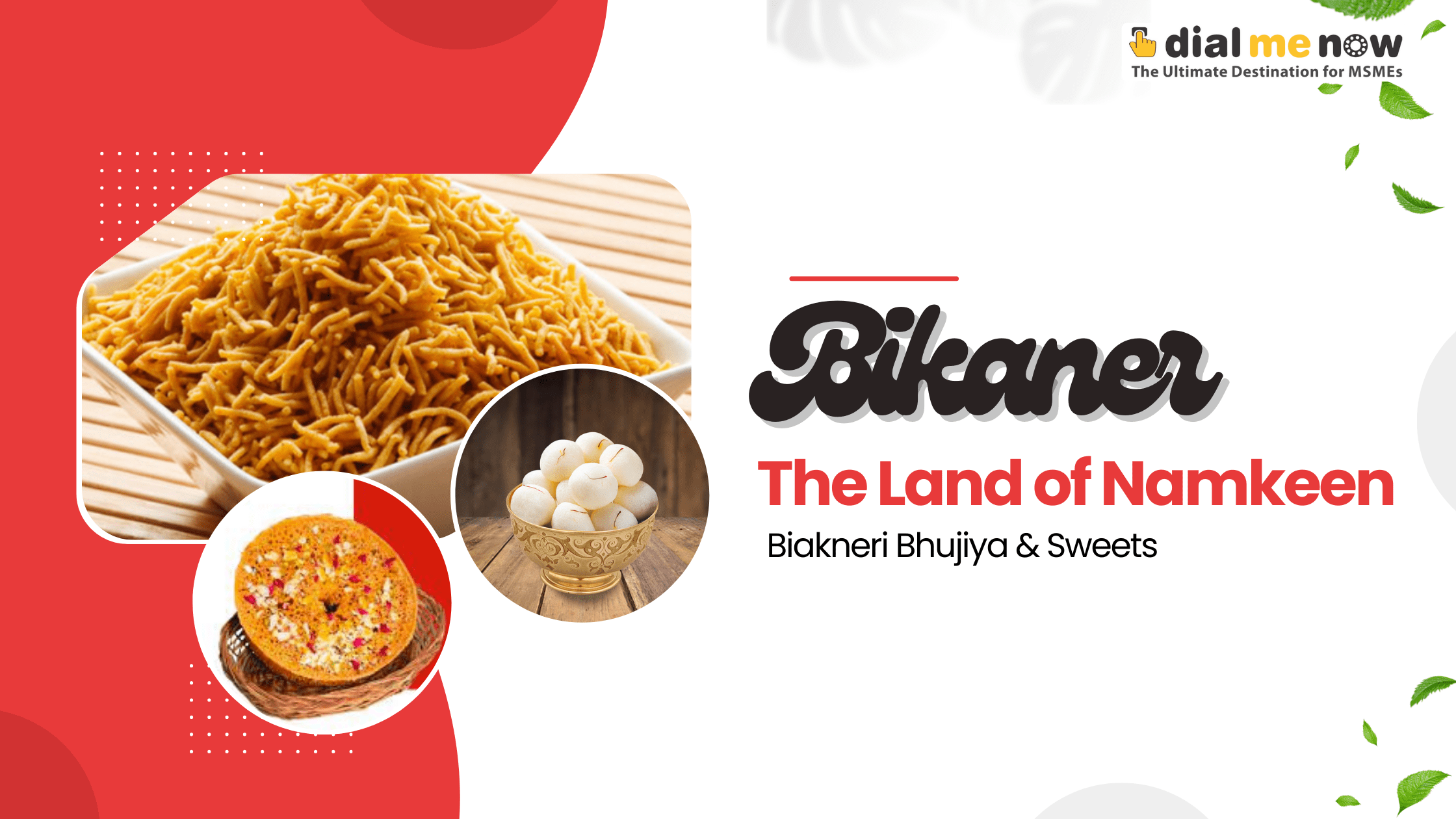
If India is a tapestry of tastes, Bikaner is the golden thread that crunches. Perched at the edge of the Thar Desert, this princely city has given the world one of its most addictive snacks—Bikaneri Bhujia—and a constellation of sweets and savouries that travel beautifully, store well, and tempt endlessly. From the bustle of Station Road markets to the nostalgia-soaked lanes of Old Bikaner sweet shops, the city’s food culture is equal parts craftsmanship, heritage, and desert ingenuity.
Whether you’re a traveler planning a snack trail or a food entrepreneur researching the Bikaneri bhujia origin, this long-form guide dives deep: ingredients, techniques, where to eat, what to buy, how to store, and how to bring the Bikaneri ethos into your own kitchen.
Why Bikaner Is Synonymous With Namkeen
Bikaner’s climate and geography shaped its culinary personality. Low humidity, scorching summers, and a tradition of trade encouraged foods that keep well, travel well, and retain crunch—a perfect canvas for namkeen (savoury snacks). Over time, local artisans refined besan (gram flour) and moth dal into gossamer-fine strands, spiced them just right, and fried them with the care and consistency of a maestro. The result: Bikaneri Bhujia, a snack so iconic that it practically defines the city.
Two homegrown giants—Haldiram’s and Bikaji—helped take Bikaner’s flavours global. But the story is bigger than any one brand; it’s about thousands of workers, micro-innovations in spice blends, and shopkeepers on Station Road who know exactly which mix you need for your evening chai.
The Headliners: Key Foods You Must Try
1) Bikaneri Bhujia (Haldiram’s, Bikaji & Legacy Shops)
Bikaneri Bhujia is a fine, crisp noodle-like namkeen made primarily from besan and moth dal, perfumed with a warm, balanced masala. What sets it apart?
- Texture: Delicate yet resilient strands; they don’t go soggy quickly.
- Balance: A clean, savoury heat that lingers—never brash.
- Versatility: Eat straight from the pack, scatter over poha or upma, fold into bhel, or crown your dahi chaat.
Pro tip: In Old Bikaner, ask for “fresh-fry” batches. The aroma alone is intoxicating.
2) Rasgulla (Bikaneri-Style, Softer)
If you know the Bengal rasgulla, Bikaner’s version will intrigue you. It’s silk-soft, delicately sweet, and slightly different in mouthfeel, thanks to local technique and the way the syrup is handled. Pair it with a cup of saffron tea or as a cooling finish after spicy namkeen.
3) Papad ki Sabzi
Proof that Bikaner turns scarcity into creativity: papad ki sabzi transforms pantry-staple papad into a comforting curry. The papad is softened in a spiced yogurt-tomato gravy that’s tangy, slightly hot, and ridiculously good with bajra roti or plain rice. It’s a must-order in traditional eateries and a fun, fast weeknight meal at home.
4) Ghevar & Fini (Festival Royals)
- Ghevar: A lattice-disk dessert, crisp yet juicy when soaked, often topped with rabri, malai, or saffron-cardamom reduction. It’s a monsoon and festive fixture (think Teej, Raksha Bandhan, Sawan).
- Fini: Paper-thin, flaky, and coiled—gilded with sugar and ghee. During festivals, you’ll see it stacked like edible ornaments in shop windows.
Where to Find the Good Stuff: Locations That Matter
- Station Road Markets: The beating heart of Bikaner snacking. Shop after shop piles up tins, packets, and fresh trays. You’ll find big-brand outlets (Haldiram’s, Bikaji) alongside long-running local favourites selling hand-mixed masalas and “day-fresh” bhujia.
- Old Bikaner Sweet Shops: The old city’s lanes hide generational mithaiwalas making rasgulla, ghevar, and fini with a watchmaker’s precision. Ask locals to point you to the “purane halwai”; the experience is half the fun.
Tip: Ask for tasting samples before you buy in bulk. Most stores are happy to offer a bite so you can compare spice levels and textures.
Deep Dive: The Bikaneri Bhujia Origin Story (And Why It Tastes So Good)
Bikaneri bhujia origin is rooted in royal kitchens and merchant communities that prized portable, non-perishable foods. Over time, vendors standardized a formula: moth dal + besan for body and crispness; ajwain, black pepper, and mild red chili for aroma; refined oil heated just right for clean frying; and fine-jali sev presses for delicate strands.
What gives Bikaneri bhujia its edge?
- Moth Dal Magic: Moth contributes an earthy depth and a crisper bite than besan alone.
- Micro-Controlled Frying: The oil temperature and batch size are meticulously managed to avoid greasiness.
- Masala Memory: Families keep spice ratios close to the vest. Even when ingredients are listed, the roast level and grind size shape the final expression.
- Desert Dryness: The city’s dry climate helps retain crunch during cooling and packing.
How to Read a Bhujia Label:
- Ingredients: Look for moth dal & besan high on the list.
- Fat Content: Lower doesn’t always mean better—quality depends more on freshness and frying cleanliness.
- Best Before: For maximum crunch, buy fresher batches and store in airtight tins.
Beyond Bhujia: The Savoury Spectrum
- Khatta Meetha Mix: A sweet-sour party with raisins and puffed rice.
- Masala Sev & Laung Sev: Spiked with clove warmth or chilli zing.
- Papdi, Mathri, Moong Dal: Tea-time’s best friends.
- Chiwda Variations: Lightweight mixes that travel well.
Create your own snack board:
- Base: Bikaneri bhujia + moong dal.
- Crunch variants: Mathri + papdi.
- Sweet pop: Fini shards or boondi laadoos.
- Dip: Mint-coriander chutney + sweet date-tamarind.
- Beverage: Salted lassi to balance spice.
Sweets You Shouldn’t Miss (Besides Rasgulla, Ghevar & Fini)
- Rasmalai (Bikaneri style): Soft patties soaking in cardamom milk.
- Mawa Kachori: Flaky shell with rich khoya filling, syrup-kissed.
- Balu Shahi & Gond Pak: Dense, festive, and deeply satisfying.
- Besan Ladoo: Simple but sublime when ghee and roast are right.
Storage tip: For ghevar and fini, keep them dry and airtight. If topped with rabri, refrigerate and consume quickly.
A Practical Buying Guide (For Travelers & Gifting)
What to buy for 1–2 weeks of snacking:
- 1 large tin of Bikaneri bhujia (family size).
- 2–3 small packs of mixes (khatta meetha, laung sev, cornflakes mix).
- 1 box of rasgulla (sealed tin or vacuum pack if you’re traveling far).
- Ghevar (plain) + separate rabri (if consuming soon).
- Fini (dry, sugar-dusted), tightly packed.
How to pack:
- Ask the shop for double-sealed pouches or tins.
- Carry silica gel packets (food-safe) in the tin if traveling through humid regions.
Shelf Life & Freshness:
- Namkeen: Best within 4–6 weeks for peak crunch.
- Ghevar/Fini (dry): 2–3 weeks if kept airtight and moisture-free.
- Rasgulla (tinned): Follow label; once opened, refrigerate and consume within 2–3 days.
Street-Food & Meal Pairings
- Kadhi–Kachori with a sprinkle of bhujia for extra texture.
- Dahi Papdi Chaat crowned with Bikaneri sev (trust the contrast!).
- Papad ki Sabzi with bajra roti, a drizzle of ghee, and sliced onions.
- Masala Chaach (buttermilk) to reset your palate between bites.
A One-Day Bikaner Snack Trail
Morning (Station Road markets): Start with fresh bhujia tastings—compare a branded outlet with a legacy shop. Pick your favorite and buy a tin.
Late Morning (Old Bikaner): Slip into an old mithaiwala for rasgulla and fini. Ask to see how they handle chashni (sugar syrup)—many will proudly explain.
Lunch: Find a traditional eatery and order papad ki sabzi, bajra rotla, and a simple thali. End with chaas.
Evening: Return to Station Road for ghevar. If you plan to carry it home, buy plain ghevar and pack rabri separately.
Make It at Home: A Respectful, Practical Approach
Home-Style Bikaneri Sev (Simplified)
Ingredients
- 1 cup besan (gram flour)
- ½ cup moth dal flour (or use only besan if unavailable)
- ½ tsp ajwain (crushed)
- ½ tsp black pepper (fine ground)
- ¼ tsp red chili powder (adjust to taste)
- ¾–1 tsp salt (to taste)
- 1 tbsp hot oil (moen)
- Water (enough for a soft, pipeable dough)
- Neutral frying oil
Method
- Mix dry ingredients thoroughly. Add hot oil and rub in.
- Add water gradually to form a soft, smooth dough (not runny).
- Heat oil to medium. Test with a tiny bit—it should sizzle gently, not scorch.
- Load dough into a sev press (fine plate).
- Press directly over oil in circular motions; don’t overcrowd.
- Fry till light golden, not brown. Drain on a rack (preserves crunch).
- Cool completely before storing.
Flavor tweaks: Add a pinch of asafoetida (hing) or a whisper of dry mango powder for tang.
Responsible Indulgence: Health & Ingredient Notes
- Oil Quality: Look for shops that rotate frying oil and keep it fresh. Aroma and clean taste are tells.
- Spice Sensitivity: If you prefer milder snacks, ask for “light-masala” variants.
- Allergens & Gluten: Many namkeens use besan (naturally gluten-free), but cross-contact is common in mixed-use kitchens. Always check labels and clarify at source.
- Sugar Control: Opt for plain ghevar and manage the syrup topping yourself.
For Marketers & Food Businesses: Using “Bikaneri” With Integrity
If you’re building a brand or a menu, authenticity isn’t a garnish—it’s the main ingredient.
- Sourcing Story: Highlight where your recipes come from (Station Road vendor lineage, Old Bikaner halwai methods).
- Transparent Labels: Clearly list moth dal content if you use it; customers appreciate it.
- Freshness Signals: Date-stamp small batches and offer tasting spoons in-store.
- Seasonal Drops: Time special ghevar and fini runs to festivals; tell the story of why they matter.
Practical Travel Tips
- Best Time: Pleasant weather from November to February makes food trails easier.
- Carrying Sweets: Keep wet sweets upright; pack dry sweets tightly.
- Ask for Airtight Tins: They’re worth the small extra cost for long-distance travel.
FAQs: Straight Answers for Hungry Minds
Q1. What makes Bikaneri bhujia different from other sev?
Bikaneri bhujia typically blends moth dal with besan and uses a finer jali (die), producing delicate strands and a balanced spice profile, with careful frying that avoids greasiness.
Q2. Is Bikaneri bhujia very spicy?
Generally medium. Many shops will let you taste or choose between mild and hot masala mixes.
Q3. Can I carry ghevar and fini on flights?
Yes—as cabin baggage if dry and well-packed. Keep ghevar plain and pack any syrup or rabri separately (liquids must follow airline rules).
Q4. Where should I buy authentic products?
Start at Station Road markets for a range of brands and Old Bikaner sweet shops for legacy recipes. Ask locals for “purane halwai” recommendations.
Q5. How long does bhujia stay crisp?
Best within 4–6 weeks if kept in an airtight tin, away from moisture and direct heat.
Q6. Is Bikaneri bhujia gluten-free?
It’s usually besan + moth dal based (naturally GF), but because of potential cross-contact and varied facilities, always check labels and ask the shop.
Q7. What festivals are best for ghevar and fini?
They shine during monsoon and festive months—especially Teej, Raksha Bandhan, and late-summer/early-autumn celebrations.
Q8. What’s special about Bikaneri-style rasgulla?
It’s very soft with a delicate syrup profile, reflecting local technique and preferences for light, fragrant sweetness.
Q9. Can I order Bikaner snacks online?
Many brands ship nationwide and internationally. Check manufacture dates, seals, and return policies before purchasing.
Q10. What pairs well with papad ki sabzi?
Bajra roti, steamed rice, a dollop of ghee, and sliced onions or a cucumber salad for contrast.