

Beyond the Forts: Exploring the Stepwells (Baoris) of Shekhawati and Bundi
1/31/2026
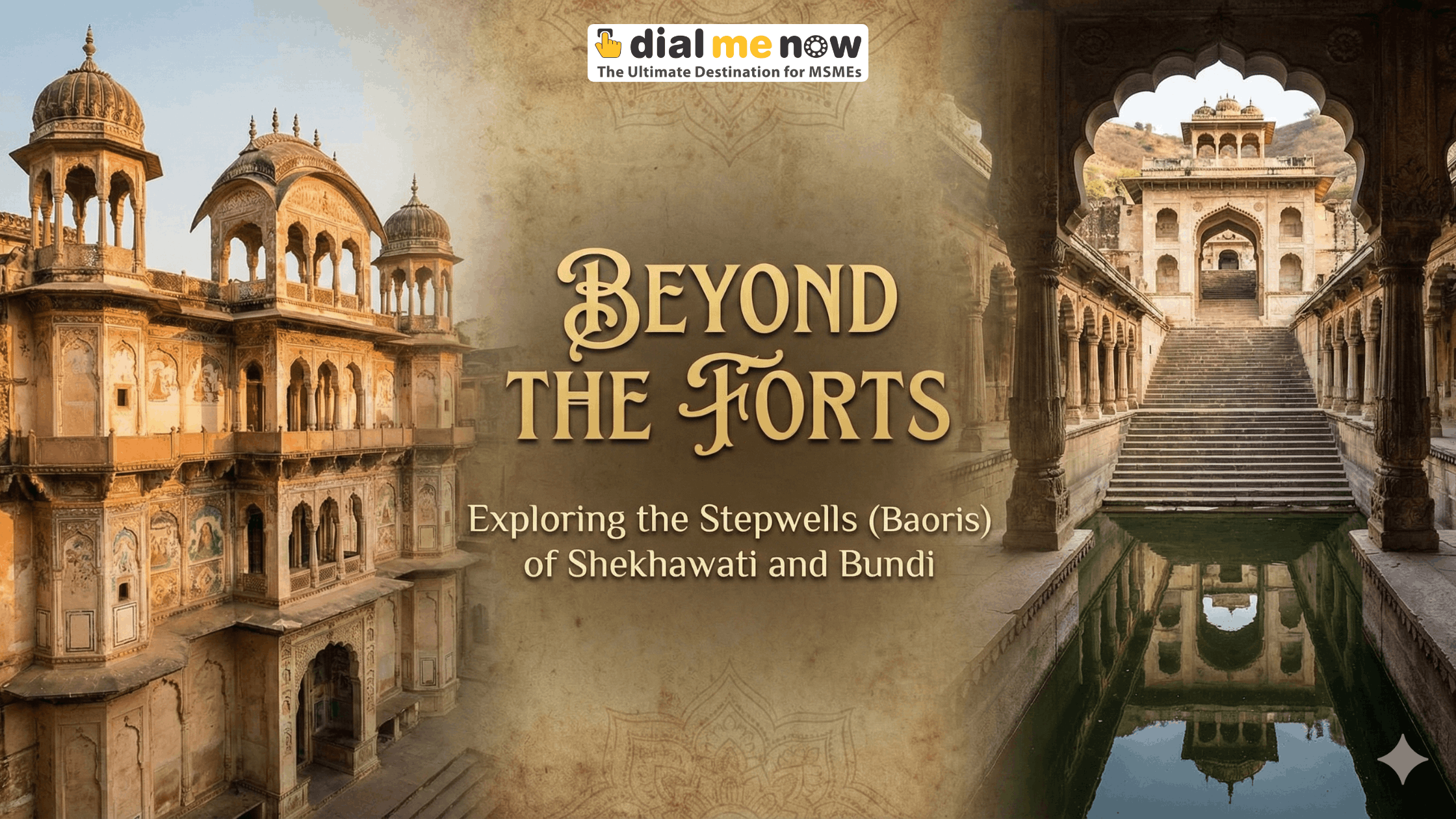
Rajasthan is world-famous for its hilltop forts and gilded palaces, but some of its most profound architectural treasures lie deep beneath the earth. Stepwells, known locally as Baoris, Baolis, or Vavs, were the lifeblood of medieval Rajasthan. In the arid regions of Shekhawati and Bundi, these subterranean marvels were more than just water reservoirs—they were social hubs, cool retreats from the desert heat, and spiritual sanctuaries.
By 2026, “slow travel” has become the preferred way to see Rajasthan. Travelers are moving away from the crowded circuits of Jaipur and Udaipur to find the quiet, geometric symmetry of these “inverted pyramids.” This guide dives into the subterranean wonders of the Shekhawati and Bundi regions, where every step down tells a story of survival and artistic genius.
The Architecture of Survival: What is a Baori?
In a land where water is more precious than gold, the Baori was a masterpiece of hydraulic engineering. Unlike deep-shaft wells where water is hauled up with ropes, a stepwell features a series of stairs leading directly to the water level.
- Cooling Systems: As you descend, the temperature can drop by as much as 10°C, making them the “ancient air-conditioning” of the desert.
- Social Hubs: These were the “community centers” of their time, where women gathered to fetch water and socialize, and travelers found a shaded place to rest.
- Spiritual Geometry: Many baoris include small shrines or carvings of deities like Ganesha, Vishnu, and local water goddesses, turning a utility structure into a temple.
Bundi: The “City of Stepwells”
Bundi, a charming blue-hued town in the Hadoti region, is home to over 50 ancient stepwells. It is arguably the best place in India to see the evolution of stepwell architecture.
Raniji ki Baori (The Queen’s Stepwell)
Built in 1699 by Rani Nathavati Ji, this is the crown jewel of Bundi.
- The Highlight: A massive 46-meter deep structure featuring a high-arched gate (Toran) and exquisite carvings of elephants with their trunks turned inward.
- Why Visit: It is a three-story marvel that feels more like a palace than a well. The intricate ogee brackets and stone sculptures are incredibly well-preserved.
Dhabhai Kund (Jail Kund)
Located near the center of town, this kund is shaped like an inverted pyramid.
- The Highlight: Its perfectly symmetrical steps create a mesmerizing geometric pattern that is a dream for photographers.
- Why Visit: It is one of the largest in Bundi and showcases the sheer scale of medieval community water projects.
Nagar Sagar Kund
These are twin stepwells located just outside the Chauhan Gate.
- The Highlight: They were built to provide water during famines, and their identical design represents the balance and harmony typical of Rajput architecture.
Shekhawati: The Painted Wells of the Merchant Princes
While Bundi’s baoris are royal and grand, the stepwells of Shekhawati (comprising Sikar, Jhunjhunu, and Churu) are often more intimate and tied to the wealthy merchant families (Marwaris).
Mertani Baori (Jhunjhunu)
Considered the most impressive stepwell in the region, it was built in 1783 by the widow of Sardul Singh.
- The Highlight: It is 30 meters deep and features several levels of arched galleries. In 2026, it remains a quiet spot away from the main haveli tours.
- Unique Feature: Local legend says the water has healing properties due to its high mineral content.
Harlalka Baori (Mandawa)
Mandawa is famous for its “Open Air Art Gallery” havelis, but the Harlalka Baori is its hidden gem.
- The Highlight: It features four massive pillars at the top and a deep, narrow shaft. It is a perfect example of a functional village well that served both locals and passing caravans on the Silk Route.
The Baoris of Fatepur and Ramgarh
In these towns, you will find smaller, often circular baoris tucked behind grand havelis. They are often adorned with frescoes—a feature unique to Shekhawati—where even the well walls depict scenes from the Ramayana or the lives of Krishna.
Comparing the Two Regions (2026 Guide)
| Feature | Bundi Baoris | Shekhawati Baoris |
| Primary Style | Royal, Grand, Ornate | Merchant-funded, Intimate, Painted |
| Best For | Architecture & Scale | Heritage Walks & Frescoes |
| Crowd Levels | Moderate | Low (Off-the-beaten-path) |
| Nearby Attraction | Taragarh Fort & Blue Houses | Painted Havelis & Palaces |
| Key Entry Fee | ₹50 – ₹200 | Often Free / Nominal |
Travel Tips for Exploring Stepwells
- Comfortable Footwear: You will be climbing hundreds of stone steps. Wear shoes with a good grip; some steps can be slippery or uneven.
- Photography: The best light for baoris is Mid-day (12 PM – 2 PM). While usually bad for landscapes, direct overhead sun is the only way to light up the deep bottoms of these wells.
- Hydration: Even though it’s cooler inside the baori, the climb back up in the Rajasthan sun is taxing. Carry a reusable water bottle.
- Respect the Space: Many baoris still have active shrines or are considered sacred by locals. Dress modestly and avoid loud behavior.
❓ Frequently Asked Questions (FAQ)
Q1: When is the best time to visit Bundi and Shekhawati?
A: The ideal window is October to March. The weather is pleasant for walking, and the post-monsoon water levels in the baoris make for stunning reflections.
Q2: Are the stepwells in Bundi still used for water?
A: Most are no longer used for drinking water due to modern piping, but some still serve for ritual bathing or as sources for local gardens.
Q3: Is it safe for solo female travelers?
A: Yes, both Bundi and Shekhawati are generally safe and known for their hospitality. However, we recommend visiting more remote baoris during daylight hours and with a guide if possible.
Q4: How do I reach Bundi from Jaipur?
A: Bundi is about 210 km (4 hours) from Jaipur by road. There are also regular trains from Jaipur and Kota (the nearest major railhead).
Q5: Can I see frescoes in the Bundi stepwells?
A: While Bundi is famous for its palace frescoes (Chitrashala), the stepwells primarily focus on stone carvings. For “painted” wells, Shekhawati is your best bet.
Q6: What is the significance of the elephant statues in Raniji ki Baori?
A: Elephants in Rajput architecture symbolize royalty, strength, and the monsoon (Gajalakshmi). The statues at the entrance act as “guardians” of the precious water.
Q7: Do I need a separate ticket for each baori in Bundi?
A: No, the Archaeological Survey of India (ASI) often provides a combo ticket for Raniji ki Baori, Sukh Mahal, and the 84-Pillared Cenotaph.
Q8: Are these sites accessible for people with mobility issues?
A: Unfortunately, most baoris require climbing steep, narrow stairs and are not wheelchair accessible. However, the top platforms offer a good view of the structure without a full descent.
Disclaimer
Historical data is based on current archaeological records. Accessibility and entrance fees are subject to change by the Rajasthan Tourism Department. Always verify local conditions, especially during the monsoon when some lower levels of the baoris may be flooded and inaccessible.
Conclusion
Stepping into a baori is like stepping back in time. In the silence of these stone depths, away from the horns and hustle of modern India, you can almost hear the echoes of the past. Whether you are marvelling at the royal grandeur of Bundi or the painted charm of Shekhawati, these “monuments to water” are a testament to the enduring spirit of Rajasthan.