

Ancient Jain Temples of Lodurva: A Day Trip from Jaisalmer
8/20/2025
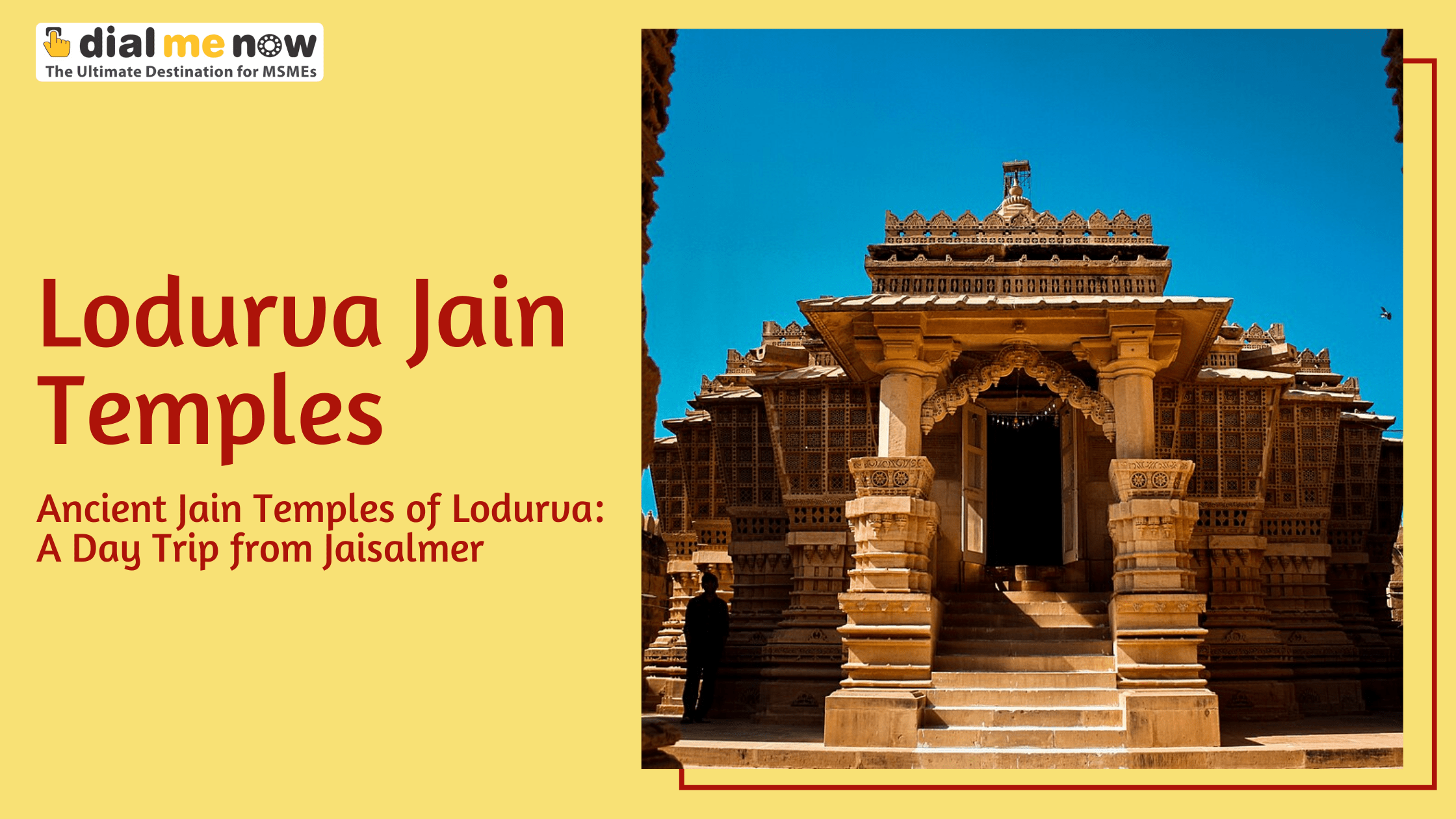
If you’re in Jaisalmer and you only have one extra half-day to step beyond the fort’s honeyed ramparts, make it Lodurva (also spelt Lodhruva/Lodarva). About 15 km northwest of the city, the ancient capital of the Bhati Rajputs shelters a dazzling Jain temple complex whose pale-gold stone gleams against the Thar’s big sky. What you’ll find here isn’t just “another temple stop”—it’s a compact lesson in western India’s trade routes, Jain devotion, Maru-Gurjara artistry, and the stubborn endurance of a pilgrim site that’s been rebuilt after ordeals, yet still welcomes visitors with serenity.
Why Lodurva belongs on your Jaisalmer itinerary
- It’s close: roughly a 30–40 minute drive from central Jaisalmer, so it’s perfect as a morning or late-afternoon excursion before you head to Bada Bagh or the Sam dunes for sunset. The old capital lies about 15 km to the northwest.
- It’s layered: Lodurva was the Bhati capital before Rawal Jaisal moved to Jaisalmer in 1156 CE; repeated 11th–12th-century raids scarred the city, but the Jain shrine endured through reconstructions.
- It’s exquisite: the complex showcases Māru-Gurjara (Western Indian) architecture—folded, “accordion-like” walls; lace-fine jali screens; and an iconic torana (ceremonial arch).
- It’s living faith: Lodurva is a revered Shvetambara Jain tirtha dedicated primarily to Parshvanath, the 23rd Tirthankara, whose black marble idol bears a thousand-hooded serpent canopy.
A short, human history of a desert capital
Long before Jaisalmer Fort rose over the “Golden City,” Lodurva sat astride desert trade arteries. Bhati ruler Rawal Deoraj established it as capital in the 8th–9th centuries; later, Rawal Jaisal shifted the seat to present-day Jaisalmer in 1156 CE. The city and its shrine weathered waves of plunder in the 11th–12th centuries by Mahmud of Ghazni and Muhammad of Ghor. The temple we see today traces its origins to the 9th century, with repairs and renovations recorded in 1615 CE; modern additions and restorations continued into the late 20th century.
That persistence matters. In the Thar, where trade winds shuffled routes and fortunes, the continuity of worship at Lodurva became a symbolic anchor for Jain communities and desert dwellers alike.
Understanding the faith you’ll meet here
Jainism emphasizes ahimsa (non-violence), anekantavada (many-sidedness of truth), and aparigraha (non-possessiveness). Parshvanath—often depicted with a serpent hood—is central here; his iconography references the protective serpent deity Dharanendra and consort Padmavati, motifs you’ll spot in carvings and paintings. Even if you’re not Jain, the ethic of restraint and compassion shapes visitor etiquettes—quiet voices, modest dress, and mindful photography.
The architecture: a primer for non-architects
You don’t need to be an art historian to be wowed by Lodurva’s Māru-Gurjara style—one of India’s most refined temple idioms.
- “Accordion” walls & jali screens: The exterior walls fold in rhythmic planes that catch light and shadow, while carved stone screens filter the desert sun into patterned light.
- The Torana (arch): A freestanding, highly ornamented torana frames the approach—photographers love it at golden hour.
- Kalpavriksha (Tree of Plenty): Inside the precincts, look for a metal “wish-fulfilling” tree (often described as ashtadhatu/copper work) called Kalpavriksha—a devotional focal point where pilgrims tie hopes as offerings.
- The Mulnayak (main icon): The sanctum houses a black marble Parshvanath with a thousand serpent hoods—one of the 108 prominent Parshvanath idols named after their places. A smaller shrine in the complex honors Sambhavanath (3rd Tirthankara).
Legends that linger
One Lodurva story you’ll hear from locals goes like this: each evening a serpent emerges from a hole to drink the milk offering, and catching sight of it is considered auspicious. Treat it as local belief, not a scheduled wildlife encounter—but understanding these stories adds to the cultural context of devotion here.
Another layer of living tradition: a local fair in the month of Pausha (roughly December–January) draws devotees for rituals and community gatherings—quiet testimony that Lodurva is still a living tirtha, not a museum.
Practical guide: planning your Lodurva day trip
How to get there
- Private cab/auto: The simplest way. Lodhruva sits ~15 km NW of Jaisalmer on good roads; cabs are easy to arrange via hotels or local operators. Public transport options are limited and irregular.
Typical visiting hours & entry
- Timings: Commonly listed as 9:00 AM – 5:00 PM, with some sources noting shorter windows or religious closures. Aim for morning or late afternoon, and confirm locally on the day (temple timings at active shrines can change for rituals).
- Entry & camera fees (indicative): Many listings state free for Indian visitors, ₹10 for foreigners, ₹50 camera / ₹100 video; policies can vary by shrine & period—treat these as ballpark and check at the gate.
Tip: The Jain temples inside Jaisalmer Fort often keep morning-only visitor hours for non-Jains; Lodurva’s hours differ. If you’re doing both in one day, start inside the fort early, then continue to Lodurva.
Dress code & etiquette
- Wear modest clothing (shoulders/knees covered).
- Remove footwear before entering shrines.
- Avoid bringing leather items inside sanctums where requested by temple volunteers.
- Keep voices low; switch phones to silent.
- Ask before photographing people and confirm if photography is allowed inside (some areas restrict it or require a fee).
How much time to allow
- 60–90 minutes is comfortable for the main complex and torana. If you’re a photography/architecture buff, plan for two hours.
A suggested half-day itinerary (loop from Jaisalmer)
8:00 AM – Breakfast in Jaisalmer.
8:45 AM – Depart for Lodurva (30–40 mins).
9:30 – 11:00 AM – Explore the temple complex: torana, jali work, sanctum, Kalpavriksha.
11:15 AM – Short hop to Bada Bagh (cenotaphs in golden stone; hauntingly beautiful).
12:30 PM – Return to the city for lunch and the havelis — or continue west to Amar Sagar Jain temple if you’re curating a Jain-art day.
4:00 PM – If you’d like a desert evening, push on to the Sam sand dunes; Rajasthan Tourism’s itineraries often pair Lodurva + Sam the same day.
What to look for when you’re there (a mini “treasure hunt”)
- The freestanding Torana: Photograph the sculpted capitals and lintel friezes. The surviving arch is both an architectural prelude and a memory of structures lost.
- “Accordion” walls: Walk along the exterior to notice the subtle planes that make the sandstone glow and ripple with light during the day.
- Jali corridors: Peer through the carved screens where shade, wind and pattern create a serene micro-climate.
- Kalpavriksha: The “wish tree” sculpture—often rendered in metal—draws quiet, personal rituals. Do not touch unless invited by the caretakers.
- Parshvanath’s serpent canopy: Note the extraordinary sahastra-phana (thousand-hooded) form; it’s the visual signature of Parshvanath across Jain art.
- Secondary shrine to Sambhavanath: A reminder that Jain complexes are often ensembles, not single-shrine sites.
Culture & context that enrich the visit
- Trade and temples: Jain merchants historically patronized desert-route shrines; Lodurva’s reconstructions in the 17th century coincide with renewed trade prosperity in western Rajasthan. If you’ve visited the fort’s Jain temples, compare carving density, icon programs, and the way light is modulated in both.
- Community life: Lodurva today is a village wrapped around a sacred core. During Pausha, the local fair brings stalls, ritual music, and pilgrims—if you arrive then, keep extra time for crowds and ceremony.
- Archaeological note: The ASI references Lodurva’s Parsvanatha temple and the ornate torana among the site’s notable remnants, placing it within a wider fabric of protected heritage in the Jaisalmer district.
Nearby add-ons (build your perfect day)
- Amar Sagar Jain Temple: Smaller but lovely, often paired with Lodurva by temple-trail travelers—good for understanding stylistic kinships across Jaisalmer’s Jain monuments.
- Bada Bagh: Cenotaphs of Jaisalmer’s rulers; go for textures and dusk light.
- Kuldhara or Khaba Fort: Abandoned Paliwal Brahmin settlements east of Jaisalmer; combine for a full day of ruins, stories, and sand.
- Sam Sand Dunes: Finish with a camel ride and desert sunset; even state itineraries commonly sequence Lodurva before Sam.
Responsible visiting
- Hydrate & shade: The Thar sun is real; carry water, a hat, and sunscreen.
- Dress & behavior: Respect the sanctity of a functioning place of worship—move clockwise, don’t touch idols, and wait for aarti to finish before crossing in front.
- Donations: If you donate, do so at designated counters; avoid ad-hoc solicitations inside sanctums.
- Waste: Carry your litter back to town; dumpsters can be sparse.
A sample 1-day “culture + dunes” plan
- Morning: Fort Jain temples (inside Jaisalmer; morning-only hours for many non-Jain visitors), Patwon-ki-Haveli.
- Late morning: Drive to Lodurva; linger over the torana and jali work.
- Lunch: Back in town (veg options abound).
- Afternoon: Bada Bagh or Amar Sagar.
- Evening: Sam dunes for sunset; return to Jaisalmer for dinner.
Essential facts at a glance
- Where: Lodurva village, ~15 km NW of Jaisalmer.
- What: Shvetambara Jain tirtha; principal shrine to Parshvanath; secondary shrine to Sambhavanath.
- Style: Māru-Gurjara; torana; folded walls; jali screens.
- Origins: 9th-century foundation; damaged in 11th–12th centuries; repaired 1615 CE; later restorations.
- Governing body: Sri Jaisalmer Lodravpur Parshwanath Jain Shwetambar Trust.
- Special days: Pausha fair; Mahavir Jayanti celebrations.
If you love details: reading the stone
As you circle the complex clockwise, pause at each bay of the exterior wall. Notice how the base moldings step out, then in, like pleats. This “folding” is part engineering (buttressing the wall against temperature and wind) and part aesthetic (maximizing shadow play). Run your eyes, not your hands, along the jali—those floral and geometric patterns are studies in restraint, keeping the sanctum cool while turning desert light into lace. Above the doorways, seek miniature registers—yaksha-yakshi pairs, floral scrolls, and playful animals—each a reminder that Jain art embraces a wide iconographic world while keeping the Tirthankara central.
At the torana, look for the layered cornices and the figurative brackets. Freestanding arches like this often mark thresholds of sanctity or commemorate earlier processional routes; Lodurva’s survives as a portal to memory.
Inside, the Kalpavriksha is a modern-era devotional addition with deep roots in Indic myth. People whisper wishes and tie tokens nearby—let the ritual be theirs, and keep yours to silence.
Responsible photography checklist
- Ask before photographing worshippers.
- No flash in sanctums.
- Check paid-permit rules before shooting interiors.
- Drones are not appropriate without explicit permission.
- Share geotags thoughtfully; some shrines prefer discretion during peak festivals.
Traveler’s caution & temple trust pointers
- Timings change during festivals and special rituals. If you have tight plans (e.g., a sunset slot at Sam), get your hotel to call the temple trust that morning and confirm session times and photography rules. (Trust listed as Sri Jaisalmer Lodravpur Parshwanath Jain Shwetambar Trust.)
- As with many shrines, be wary of unsolicited donation requests inside—use official counters only.
Disclaimer
Information on timings, fees, and event schedules at active places of worship can change without notice due to rituals, festivals, conservation work, or local administration orders. Treat fees/hours cited above as indicative; verify on the day with the temple office or your local guide. Historical summaries here condense multiple sources; where accounts diverge (e.g., dates of destruction/renovation), we’ve noted the broad consensus and pointed to sources.
FAQ
Q1. How far is Lodurva from Jaisalmer and what’s the best way to get there?
A. About 15 km northwest; allow 30–40 minutes by taxi or auto. Public transport is limited, so a pre-arranged cab is easiest.
Q2. What are the visiting hours and is there an entry fee?
A. Listings commonly show 9:00 AM – 5:00 PM; fees are often free for Indians, ₹10 for foreigners, with camera ₹50 / video ₹100. Because it’s an active shrine, timings can shift for rituals—confirm on the day with the trust or at the gate.
Q3. Are guides available?
A. Yes—local guides sometimes wait near the torana or temple entrance. You can also hire a city guide in Jaisalmer and include Lodurva on your route.
Q4. Can I photograph inside the temple?
A. Exterior photography is generally fine; interior rules vary—some areas require a fee, some prohibit cameras entirely. Ask before shooting and respect signage.
Q5. What should I wear?
A. Modest attire (shoulders/knees covered) is expected. Remove shoes in temple areas; avoid bringing leather items into sanctums if requested.
Q6. What’s special about the idol here?
A. The main deity is Parshvanath, carved in black marble, topped by a thousand-hooded serpent canopy—a classic iconography of the 23rd Tirthankara.
Q7. I heard about a snake that drinks milk in the evening. Is that true?
A. It’s a local legend tied to the temple’s serpent imagery; treat it respectfully as belief rather than a guaranteed sighting.
Q8. Is Lodurva part of official sightseeing plans?
A. Yes—state itineraries often pair Lodurva with Sam dunes or other nearby sites in the same day.
Q9. When is a good time to visit?
A. October–March is most pleasant. If you visit in Pausha (Dec–Jan), expect crowds for the temple fair.