

Ana Sagar Lake, Ajmer: Peaceful Evenings Guaranteed
8/23/2025
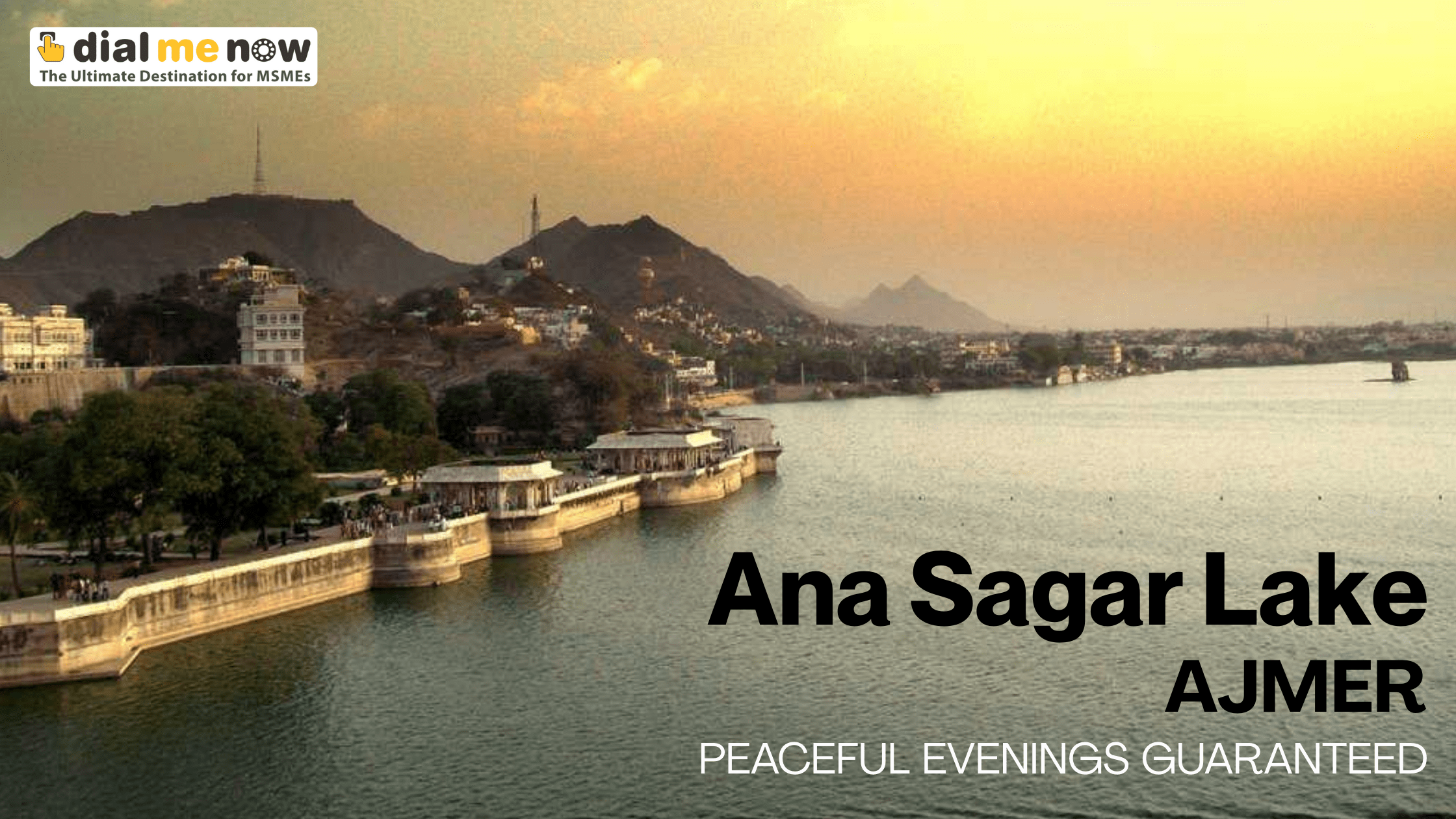
If you’re chasing that end-of-day calm—the kind that slips in with a pink-gold sky and a soft breeze—Ana Sagar Lake in Ajmer is where it happens. This 12th-century, man-made water body sits like a tranquil mirror in the middle of a spirited city, framed by Aravalli silhouettes, Mughal-era marble pavilions, and gardens where locals gather for chai, gossip, and sunset rituals. The promise is simple: come by evening, and serenity is almost a certainty.
Below is a deep, culture-rich guide to help you understand why Ana Sagar matters historically, how to experience it at its best, and what to know before you go—complete with practical tips, context, FAQs, and a short disclaimer.
Why Ana Sagar Lake Is Special
Ana Sagar is not just “a pretty lake.” It’s a living timeline of Ajmer. Commissioned between 1135 and 1150 CE by King Arnoraja—also known as Ana, grandfather of the famed Chauhan ruler Prithviraj—this artificial lake was a civic work first, a scenic icon later. It was created with community help and catchment works to serve the city’s water needs, a striking feat of medieval engineering that still shapes Ajmer’s urban life today.
Over the centuries, the lake pulled in empires and aesthetics. Emperor Jahangir laid out Daulat Bagh, the garden that hugs the eastern shore; later, in 1637, Shah Jahan added five marble baradaris (pavilions) whose filigreed arches and cool stone floors are now the lakefront’s signature. Four of these survive, restored after colonial-era alterations—a quiet, white-marble stage where evenings unspool gently.
Today, the promenade, gardens, and pavilions combine into Ajmer’s favorite public room: joggers at dawn, families by dusk, photographers and flâneurs in between. Even with the city’s bustle, Ana Sagar holds the line for calm.
A Short History, Told by the Shore
- Chauhan Foundations (12th century): Arnoraja (Ana) commissioned the lake and its catchments. The project was communal in spirit; records note local participation in building the embankments.
- Mughal Refinement (16th–17th century): Jahangir’s Daulat Bagh added planned greenery and formal vistas. Shah Jahan’s baradari (1637) introduced the lakefront’s marble architecture, an aesthetic sibling to his grander works in Agra and Delhi.
- Colonial Interlude & Restoration: During the British period, some pavilions were repurposed for officials; post-Independence, they were restored to their original form. The lakefront remains protected—courts have restricted new construction in its catchment to preserve the ecology.
This layering—Rajput utility, Mughal elegance, colonial bureaucratic reuse, and modern conservation—makes an evening here not just relaxing but quietly instructive.
Culture You Can Feel
Ajmer is famously plural. Within a few kilometers of the lake you’ll find the Ajmer Sharif Dargah of Khwaja Moinuddin Chishti, where the annual Urs is observed in the Islamic month of Rajab and draws devotees from across faiths; the atmosphere in the city during Urs is devotional, musical, and communal. Dates vary each year by the lunar calendar, and the sixth day—Chhati Sharif—is especially significant. If you’re visiting around that time, expect larger crowds across Ajmer, including at the lake.
On the lake’s banks sits Rishi Udyan, associated with Swami Dayanand Saraswati; his ashes were immersed here, and the Arya Samaj still holds observances—a reminder that this shoreline has long been a meeting place of ideas and traditions.
The wider neighborhood even holds traces of other communities: a 19th-century Jewish cemetery near Ana Sagar has been in the news for preservation efforts—one more thread in Ajmer’s multi-faith tapestry.
Perfecting Your Peaceful Evening: What to Do
- Stroll the Promenade & Daulat Bagh
Start an hour before sunset. Walk the broad lakeside paths, then drift into Daulat Bagh’s lawns. Watch the light soften on the water and the hills. Even simple moments—kids cycling, elders chatting—feel cinematic here. - Sit in the Baradari
Step into the marble shade and let the arches frame the lake like a living postcard. The stone stays cool; the acoustics capture the murmurs of evening without the city’s sharp edges. - Consider a Boat Ride (When Available)
Boating is typically available when water levels permit—often with pedal boats and motorboats operated until early evening. Timings commonly run in the 9:00 AM–6:00 PM band for boating, while the lake area itself is generally visited 8:00 AM–8:00 PM. Always check on the day; operations can pause seasonally. - Street-Food Pause at the Chaupati
Evenings bring out stalls and small eateries around the promenade—expect chaat, kachori, tea, and kulfi. (Hygiene varies; pick bustling vendors with quick turnover.) - Golden-Hour Photos
The best compositions: baradari arches as a frame, the garden’s symmetry, and long exposures that smooth the lake’s surface. Arrive 30–45 minutes before sunset to scout angles.
When to Go
- Best season: October to February for mild air and crisp sunsets.
- Monsoon moment: Post-rains, the lake is fuller and greener, though evenings can be humid.
- Summer reality: Rajasthan’s heat is real; mornings and late evenings are still workable, but water levels can drop.
Getting There & Around
- From Ajmer Junction Railway Station: The lake lies roughly 2 km away; autos are easy to hire.
- From Pushkar: It’s about 12–15 km by road (roughly 20–40 minutes depending on traffic). Great for a same-day Ajmer–Pushkar plan.
- On Foot / By Auto: Once at the lake, most of the evening action is walkable—the promenade, pavilions, and Daulat Bagh sit side by side.
Practical Tips (So Your Evening Stays Peaceful)
- Timings: Plan 8:00 AM–8:00 PM for general visiting; boating (when available) often runs morning to early evening. Verify locally the same day.
- Fees: Lake access is free; boating and parking (if any) are paid services.
- Footwear & clothing: Light shoes for strolling; modest attire is appreciated in Ajmer generally, especially if you combine the visit with Ajmer Sharif.
- Weekends & Festivals: Evenings are popular; arrive earlier during weekends/Urs to find quiet corners.
- Accessibility: Paths are mostly level along the promenade; some steps at the baradari. If required, ask locals to point you to ramps or gentler approaches.
- Responsible travel: Keep the lake clean, avoid feeding birds processed foods, and use bins. Courts have restricted catchment construction to protect the lake—your small actions help the larger ecology.
Nearby Places That Pair Perfectly With Ana Sagar
- Ajmer Sharif Dargah: Spiritual heart of Ajmer; visit with respect for dress codes and crowd flows.
- Adhai-Din-Ka-Jhonpra: Layers of early Indo-Islamic architecture.
- Akbari Fort & Museum: A compact history stop.
- Taragarh Fort: Hilltop views at sunrise or late afternoon.
- Foy Sagar Lake: A quieter, 19th-century reservoir with Aravalli panoramas—nice for early morning photography.
A 90-Minute Sunset Itinerary (Tried-and-Loved)
- T-60 minutes: Enter via Daulat Bagh side; find shade and slow your pace.
- T-40 minutes: Drift to the baradari; sit on the parapet facing west.
- T-15 minutes: Walk a few minutes north along the promenade for different silhouettes (hills + city lights).
- T+10 minutes: Grab chai or chaat at the chaupati; linger as the sky deepens.
- Wrap: Head out before it gets too late—traffic is kindest in the early night window.
Understanding the Place: Purpose, People, Preservation
Purpose: Ana Sagar began as infrastructure—Ajmer’s medieval answer to water security. That origin story matters: it’s why the shore feels civic, not just scenic. The Mughals then overlaid beauty upon utility; today, the lake doubles as Ajmer’s living room and breathing space.
People: Come in the evening and you’ll see how the city uses its lake—families savoring kulfi, students with cameras, elders who have walked this path for decades. If you’re lucky, you’ll hear a snatch of devotional song from a passing procession, or meet visitors headed to or from the Dargah.
Preservation: News cycles occasionally flag urban-management issues (drainage, project upkeep). While that’s the reality of growing cities, it’s also a call to travel responsibly: carry your own bottle, say no to single-use plastics, and respect barriers and gardens.
Practical Planning Cheatsheet
- Best window: Oct–Feb evenings (carry a light layer).
- Expect crowds: Weekends, holidays, and Urs.
- Photo tips: Shoot through arches; keep the horizon level; bracket your exposures for subtle water tones.
- Combine with: Ajmer Sharif (afternoon), Ana Sagar (sunset), dinner in the old city; or a Pushkar day trip with an Ajmer evening wind-down.
Disclaimer
Details such as timings, boating availability, and local regulations can change seasonally and may vary with water levels or civic orders. Always check on the day with local authorities or operators. Respect posted signs and barriers, and keep the site clean for everyone. Historical notes are drawn from reputable sources; specific measurements (like perimeter or depth) often vary by source and season.
FAQs
1) Is Ana Sagar Lake natural or man-made?
Man-made. It was commissioned between 1135–1150 CE by King Arnoraja (Ana), grandfather of Prithviraj Chauhan.
2) Who built the gardens and marble pavilions?
Daulat Bagh garden was laid by Jahangir; the marble baradari were added by Shah Jahan (1637).
3) What are the usual visiting hours?
Expect 8:00 AM–8:00 PM for the lakefront; boating (when running) generally operates morning to early evening—confirm locally as it varies by season and water level.
4) How far is the lake from Ajmer Junction and Pushkar?
About 2 km from Ajmer Junction; 12–15 km from Pushkar by road (20–40 minutes).
5) Is there an entry fee?
No entry fee for the lake and garden; boating and parking (if applicable) are chargeable.
6) When is the Urs festival, and will it affect my visit?
Urs is observed annually in Rajab (Islamic lunar calendar). Dates shift each year; the city gets busier and more vibrant, so plan extra time for traffic and crowds.
7) Is Ana Sagar safe for solo travelers in the evening?
Generally yes along the main promenade and garden until closing, as there are families and walkers around. Stick to lit areas, avoid solitary stretches after hours, and take registered autos or cabs back.
8) Can I fly a drone?
Assume no unless you have local permissions—crowds, monuments, and proximity to sensitive areas make ad-hoc drone use inappropriate.
9) Are there restrooms and seating?
Benches are spread along the promenade; public facilities vary. Carry tissues/hand sanitizer.
10) What should I wear?
Comfortable, modest clothing; a light layer in winter; sun protection in other seasons.