

Ajmer – Sufi City & Its Simple Flavors (Vegetarian Guide)
10/4/2025
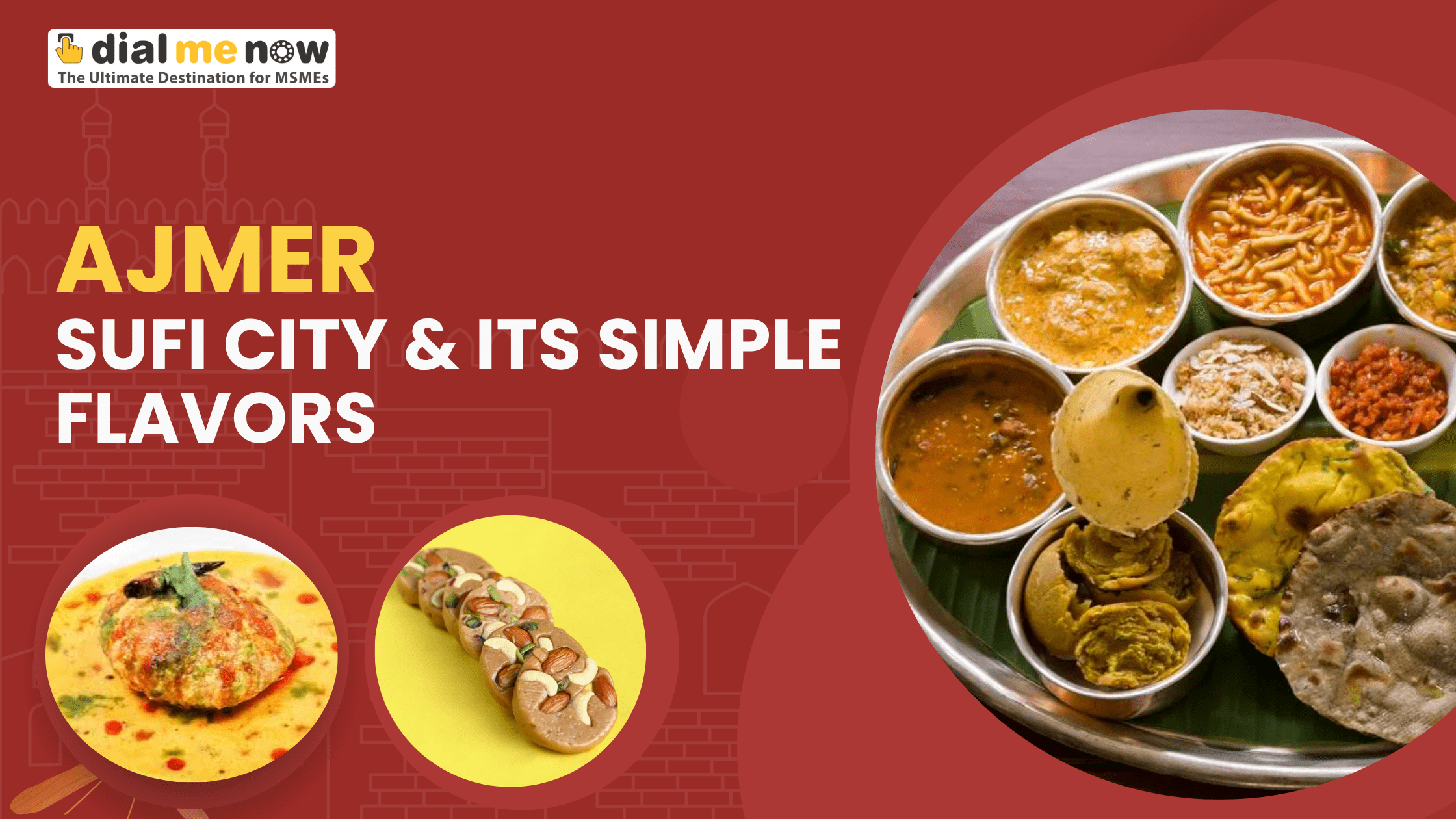
Ajmer isn’t just a stopover to Pushkar—it’s a city where devotion and down-to-earth vegetarian food meet. From the lanes around the Dargah Bazaar to the bustle of the Railway Station Market, Ajmer’s eating scene is soulful, hearty, and surprisingly affordable. If you’re searching for “Ajmer famous food vegetarian” or wondering “where to eat in Ajmer veg”, this deep-dive guide covers the classics—Sohan Halwa, Kadhi Kachori, and the indulgent Rajasthani Thali at local dhabas—plus where to find them, how to plan your food trail, hygiene tips, price expectations, and practical FAQs.
Why Ajmer’s Veg Food Feels Different
Ajmer’s culinary identity is shaped by:
- Sufi traditions around the Dargah Sharif, encouraging community kitchens and humble, nourishing food.
- Marwari influence that leans vegetarian by culture, with ghee-driven flavors, gram-flour (besan) magic, and spice blends that warm rather than burn.
- Market-first cooking—dhabas and halwai shops keep recipes uncomplicated and portions generous, designed for pilgrims and commuters who want filling meals that don’t slow them down.
The result is a cuisine that’s simple, honest, and soothing—food that feels like it’s been cooked to keep you going.
The Big Three: What to Eat in Ajmer (Vegetarian)
1) Sohan Halwa
A festive, celebratory sweet that’s equal parts chewy and crumbly, Sohan Halwa embodies halwai craftsmanship.
What it tastes like:
Caramelized sugar notes meet roasted semolina (or wheat), ghee, and cardamom. Good versions include a nutty top layer—almonds, pistachios—pressed into the halwa slab.
How to pick a good one:
- Look for freshly cut blocks rather than sealed packs that have been sitting too long.
- The halwa should hold shape yet break cleanly, not ooze oil.
- Ask for a small tasting—many halwais will oblige.
Pro tip:
Carry it in a sturdy box; Ajmer’s daytime heat can soften the texture. If you’re traveling, ask the shop for butter paper wrapping to extend freshness.
2) Kadhi Kachori
This is Ajmer’s crowd-pleaser—a kachori dunked in tangy kadhi, sprinkled with masala and fresh coriander.
What it tastes like:
Spicy, flaky urad- or moong-based kachori mellowed by yogurt-gram flour kadhi that’s tangy and lightly spiced. The combo is balanced, filling, and addictive.
How to order it right:
- Say “kachori garam dena” to get a fresh, crisp fry.
- Ask for “kadhi thodi zyada” (extra kadhi) if you like it saucy.
- Add green chutney and a pinch of chaat masala for brightness.
Best time:
Morning to late noon is ideal—batches are freshest then. Evening kachoris can be good but may lose crispness at busy stalls.
3) Rajasthani Thali (Ajmer Dhabas)
Ajmer’s thali is built to satisfy: dal, baati, churma, seasonal sabzis, gatte ki sabzi, missi roti/rotla, kadhi, papad, onion salad, pickle—and sometimes a sweet to finish.
What it tastes like:
Balanced and robust. The dal is usually ghee-tempered, baati is baked to a crackly crust and dunked in ghee, churma adds the sweet finish. Sabzis lean toward dry, spiced preparations that travel well.
How to eat it like a local:
- Break the baati with your hands, pour ghee, then ladle dal on top.
- Alternate bites with churma and papad for texture.
- Don’t skip lassi—it’s a gentle companion for spice and heat.
Good to know:
Many dhabas will refill dal, rotis, or rice at low or no extra cost, especially if you order a set thali. Ask politely.
Where to Eat: Neighborhoods & What They’re Good For
Dargah Bazaar (Near Ajmer Sharif)
The lanes around the Dargah are a hectic food haven. Expect halwai counters, kachori-kadhi stalls, and dhabas serving veg thalis that turn tables fast.
What to try here:
- Sohan Halwa from traditional halwais (look for well-stocked counters with steady footfall).
- Kadhi Kachori at standing-only kiosks—short queues usually mean good turnover/freshness.
- Rajasthani Thali at compact dhabas—simple seating, quick service, rotating sabzis.
How to navigate:
- Go early (8–11 am) for sweets and snacks.
- For lunch, 12:30–2:30 pm is peak thali time; you’ll get the freshest sabzis.
- In the evenings, buy packaged sweets and namkeen for the road.
Railway Station Market (Ajmer Junction Vicinity)
Built to feed travelers on tight schedules, the station market is fast, organized, and value-friendly.
What to try here:
- Kadhi Kachori and mirchi vada for quick bites before a train.
- Thali meals at sit-down veg eateries that prioritize speed and consistency.
- Lassi and rabri counters for a cool finish.
How to navigate:
- Perfect for early breakfast or late evening munching; footfall is steady, so turnover is good.
- Many stalls have clearly displayed prices; look for that transparency if you’re in a hurry.
A Simple 1-Day Vegetarian Food Trail in Ajmer
Morning (8:00–10:30 am):
Start near Dargah Bazaar. Grab a hot Kadhi Kachori and a lassi. Pick up a small slab of Sohan Halwa to taste on the go.
Late Morning (11:00–12:00):
Walk the lanes; try khasta puri-sabzi or poha if you want something lighter. Buy churma laddu if you’re sweet-inclined.
Lunch (12:30–2:00 pm):
Head to a Rajasthani thali dhaba near the bazaar. Ask what’s freshly cooked today; choose a thali with gatte ki sabzi and panchmel dal if available.
Evening (5:00–7:00 pm):
Shift towards the Railway Station Market. Snack on mirchi vada or bread pakora. If you have a sweet tooth, end with rabri or kulfi.
Dinner (7:30–9:00 pm):
If you’re staying the night, return to a veg restaurant near your hotel for a lighter North Indian meal—think tawa roti, dal tadka, seasonal sabzi, so you don’t overdo ghee two meals in a row.
Hygiene, Budget & Practical Tips
- Watch for turnover: Busy stalls with quick movement generally serve fresher food.
- Ask for hot: “Garam dena” or “fresh batch” goes a long way for kachoris and rotis.
- Check water: Prefer sealed bottles. Many dhabas are clean but play it safe with drinking water.
- Portions are generous: Split a thali if you’re unsure; you can always order extras.
- Cash or UPI: Most places accept UPI now, but keep small cash for older halwai counters.
- Spice control: Ask for less mirchi or onion-garlic free options; many dhabas accommodate.
- Packaging for travel: Request double-wrap or airtight boxes for Sohan Halwa and namkeen.
Price Guide (Indicative)
- Kadhi Kachori: Budget-friendly; great value as a breakfast/brunch item.
- Rajasthani Thali: Varies by dhaba; unlimited refills (dal/roti/rice) may be included in set meals.
- Sohan Halwa: Priced by weight and nut content—premium nuts cost more; ask before cutting.
(Exact prices change with season and shop. Always check the board or ask.)
Beyond the Big Three: Vegetarian Extras Worth Trying
- Gatte ki Sabzi: Gram-flour dumplings in a tangy yogurt gravy; a Rajasthani icon.
- Ker Sangri: Desert beans and berries cooked with spices; earthy and unique.
- Panchmel Dal: Five-lentil dal—nutty, nutritious, and deeply comforting.
- Missi Roti / Bajra Roti: Hearty breads that pair beautifully with ghee and pickle.
- Rabri / Kulfi: Rich milk desserts to cool down in the afternoon heat.
Responsible Eating Near the Dargah
- Respect queue systems and donation boxes; don’t eat while walking in congested sanctum-adjacent lanes.
- Dress comfortably and modestly; carry a scarf/handkerchief if you intend to enter the Dargah.
- Dispose of packaging responsibly—use bins or carry a small trash pouch.
FAQs: Ajmer Vegetarian Food
Q1: What is Ajmer most famous for in vegetarian food?
A: Sohan Halwa, Kadhi Kachori, and Rajasthani Thalis dominate most food lists, especially around Dargah Bazaar and the Railway Station Market.
Q2: Where can I try Kadhi Kachori in Ajmer?
A: Look for busy kachori counters near Dargah Bazaar in the mornings and Railway Station Market through the day. High turnover = freshness.
Q3: Are Rajasthani thalis too heavy for lunch?
A: They can be rich. If you’re light-eating, share a thali, skip extra ghee, and pair with chaas (buttermilk) to balance.
Q4: What’s the best time to buy Sohan Halwa?
A: Late morning to afternoon—when halwais have fresh slabs. Ask for small tasting before buying a larger box for travel.
Q5: Can I find Jain or onion-garlic-free options?
A: Many dhabas offer Jain preparations on request—ask politely; they might prepare separate tadka or suggest suitable sabzis.
Q6: Is street food safe near the Dargah?
A: Opt for crowded stalls, freshly cooked items, and sealed water. If you’re sensitive, avoid raw garnishes and ice.
Q7: What vegetarian dessert should I not miss?
A: Sohan Halwa for take-home, and rabri or kulfi if you want something cool after a spicy snack.
Disclaimer
Food scenes evolve. Stall availability, timings, and prices change by season and demand. Always check freshness, hygiene, and current prices on-site. If you have dietary restrictions (Jain, gluten-free, nut allergies), clearly communicate them before ordering.