

Traditional Wellness: The Resurgence of Authentic Ayurveda and Naturopathy in the Aravalli Foothills
2/24/2026
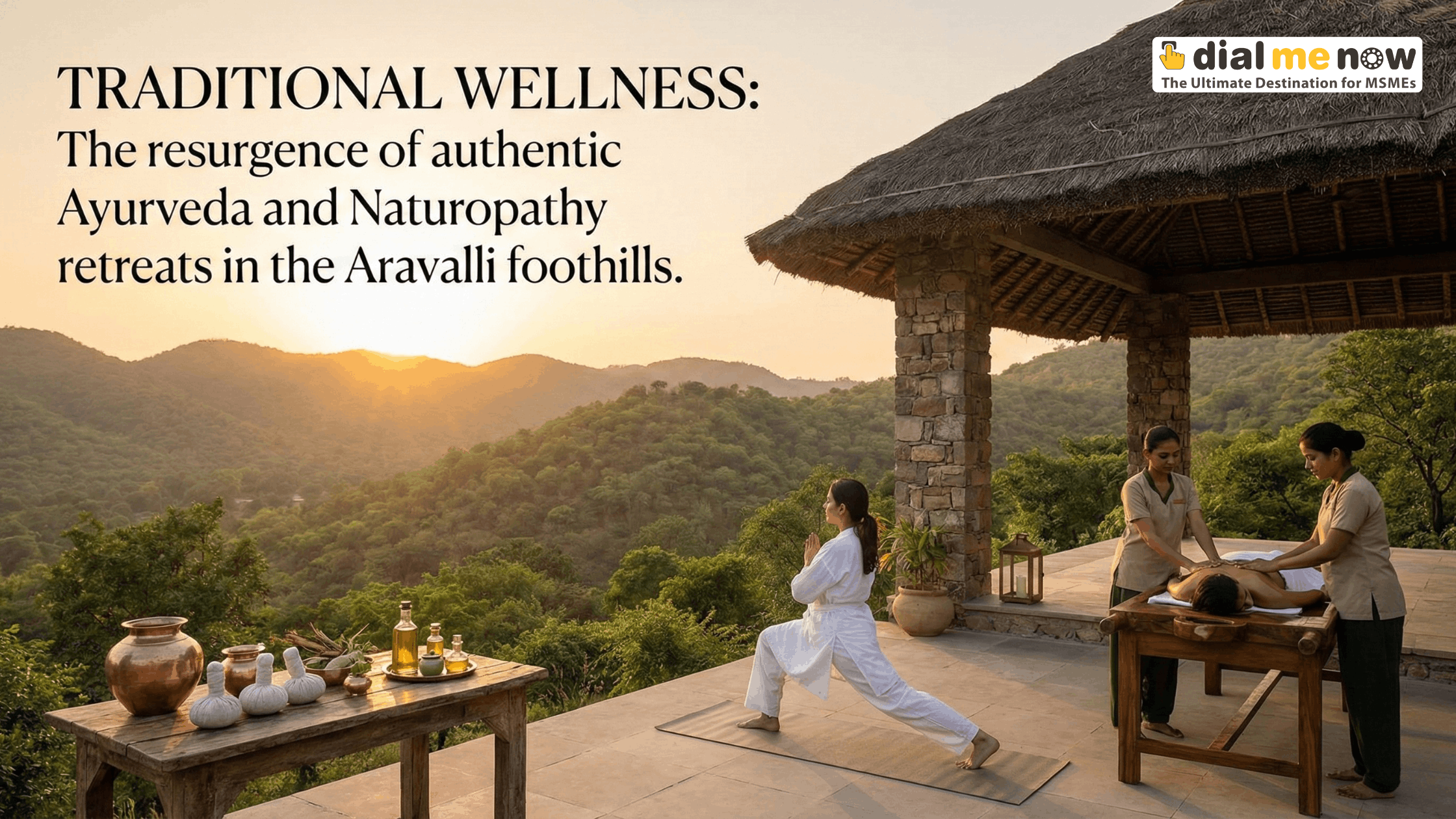
Ayurveda and Naturopathy Retreats Aravalli, In the frantic pace of 2026, where digital fatigue and corporate burnout have become global silent epidemics, a quiet revolution is taking place in the oldest mountain range in India. The Aravalli foothills, stretching through Rajasthan, are witnessing a profound resurgence of traditional wellness. No longer just a weekend getaway, these rugged, ancient landscapes have become the epicenter for authentic Ayurveda and Naturopathy retreats.
Modern travelers are shifting away from “spa-style” indulgences toward root-cause healing. By combining the 5,000-year-old wisdom of Ayurveda with the drugless, nature-aligned principles of Naturopathy, the retreats in the Aravallis offer a transformative path to longevity, mental clarity, and physical vitality.
The Aravalli Advantage: Why the Location Matters
The geography of a healing center is as important as the medicine itself. The Aravalli foothills provide a unique “Bio-Dynamic” environment for traditional wellness.
- Ancient Energy: As one of the oldest geological formations on Earth, the Aravallis are believed by practitioners to hold “grounding” energy (Prithvi Tattva), which is essential for Vata-balancing treatments.
- Medicinal Biodiversity: The hills are a natural pharmacy, home to over 80 species of medicinal plants—including Guggal, Adusa, and Salar—which are used in fresh formulations for oils and decoctions within the retreats.
- Micro-Climate for Detox: The semi-arid, low-humidity air of the foothills is ideal for Naturopathy’s Hydrotherapy and Ayurveda’s Swedana (Steam) treatments, allowing the body to release toxins without the oxidative stress of coastal humidity.
The Core Pillars of the Resurgence
In 2026, the resurgence is driven by a move toward clinical authenticity. Retreats are no longer “hotels with massages”; they are licensed AYUSH centers led by BAMS (Ayurveda) and BNYS (Naturopathy) doctors.
A. Authentic Ayurveda: The Panchakarma Shift
Retreats like Amanbagh and RAAS Devigarh have moved beyond relaxation to offer full-scale Panchakarma (the five actions of detoxification).
- Personalized Dosha Analysis: Every guest starts with a Prakriti (body constitution) assessment to identify Vata, Pitta, or Kapha imbalances.
- Signature Therapies: Treatments like Shirodhara (oil pouring for the nervous system) and Abhyanga (lymphatic massage) are performed using oils infused with local Aravalli herbs.
B. Naturopathy: The Return to the Five Elements
Naturopathy retreats in the region, such as Sun Ayurveda & Naturopathy Centre, focus on Prakritik Chikitsa—healing using the Five Elements (Earth, Water, Fire, Air, Ether).
- Mud Therapy: Utilizing the mineral-rich soil of the Aravalli belt to absorb toxins through the skin.
- Hydrotherapy: Using controlled water temperatures to stimulate blood circulation and metabolic fire (Agni).
- The “Drugless” Approach: These centers emphasize that “Nature is the Healer,” utilizing fasting, sunbathing, and raw diets to reset the gut microbiome.
Comparison: Ayurveda vs. Naturopathy
| Feature | Ayurveda Retreats | Naturopathy Retreats |
| Philosophy | Balancing the Three Doshas | Healing via the Five Elements |
| Primary Tool | Medicated Oils, Ghee, & Herbs | Water, Mud, Diet, & Air |
| Dietary Focus | Cooked, warm, Sattvic meals | Raw juices, sprouts, & fasting |
| Key Treatment | Panchakarma (Detox) | Hydrotherapy & Mud Baths |
| Best For | Chronic ailments & Longevity | Acute Detox & Weight Management |
Emerging Wellness Trends in 2026
The “Modern Aravalli Retreat” has adapted to the needs of the 2026 traveler:
- Digital Detox Escapes: Many retreats now feature “Faraday Zones” or mandatory phone lockers, encouraging guests to reconnect with the silence of the hills.
- Circadian Rhythm Alignment: Treatments and meals are strictly timed with the sun’s cycle, helping to heal modern “Social Jetlag.”
- Aero-Therapy: Utilizing the high-oxygen, low-pollution air of the foothills for specific Pranayama (breathwork) sessions to improve lung capacity post-respiratory ailments.
Technical Healing: The Scientific Side of Tradition
Modern Aravalli retreats often integrate ancient wisdom with 2026 technology to track progress:
- Body Composition Analysis: Measuring the loss of “Toxic Fat” during a Naturopathy fast.
- Heart Rate Variability (HRV) Monitoring: Proving the efficacy of meditation and Shirodhara in reducing sympathetic nervous system (fight-or-flight) dominance.
❓ Frequently Asked Questions (FAQ)
Q1: What is the difference between a Spa and an authentic Ayurveda retreat?
A: A spa focuses on temporary relaxation. An authentic retreat is a medical facility focusing on root-cause healing, led by doctors, involving dietary restrictions and clinical treatments.
Q2: How many days are needed for a proper Panchakarma?
A: While 7 days is a minimum for a basic cleanse, a full transformative Panchakarma typically requires 14 to 21 days.
Q3: Can Naturopathy cure chronic diseases?
A: Naturopathy is highly effective in managing and often reversing lifestyle diseases like Type-2 Diabetes, Hypertension, and Obesity through strict lifestyle and dietary corrections.
Q4: Is the food at these retreats only salad?
A: No. Ayurveda provides delicious, warm, spiced Sattvic meals. Naturopathy may involve raw foods or juices during a “Detox Phase,” but transitions back to whole grains and vegetables.
Q5: Is it safe for elderly people?
A: Yes, these treatments are gentle and personalized. In fact, many retreats in the Aravallis specialize in “Geriatric Wellness” and joint care.
Q6: What should I pack for a wellness retreat?
A: Light, breathable cotton clothing (Yoga wear), a hat for sun protection, and a journal. Most retreats provide towels and basic toiletries.
Q7: Can I use my phone?
A: While most have Wi-Fi, it is highly recommended to limit usage. Many 2026 retreats encourage a “Digital Fast” during your stay.
Q8: What is the best time to visit the Aravalli foothills for wellness?
A: October to March offers the best weather. However, the Monsoon (July–September) is traditionally considered the best time for Ayurveda as the pores of the skin are more receptive to oils.
Q9: Do I need a doctor’s referral?
A: No. You will have a detailed consultation with the in-house Vaidya (Ayurveda doctor) or Naturopath upon arrival.
Q10: Are treatments painful?
A: No. Most treatments are deeply relaxing. Certain deep-tissue massages may involve pressure, but they are never meant to be painful.
Q11: Can I go if I am not sick?
A: Absolutely. In 2026, Preventive Healthcare is a major trend. Many go to these retreats to maintain health and prevent future burnout.
Q12: How do I choose between Ayurveda and Naturopathy?
A: If you prefer herbal medicines and oil-based therapies, choose Ayurveda. If you prefer a “back-to-basics” approach using water, mud, and fasting, choose Naturopathy.
Q13: Is the Aravalli water safe?
A: Retreats use highly purified or naturally filtered spring water. The mineral content of the local water is often beneficial for the skin.
Q14: Can I lose weight at these retreats?
A: Yes, weight management is a primary goal for many. However, the focus is on Metabolic Reset rather than just calorie counting.
Q15: What is “Shirodhara”?
A: It is a treatment where a steady stream of warm medicated oil is poured on the forehead. It is excellent for anxiety, insomnia, and mental stress.
Disclaimer
Traditional wellness treatments should be conducted under the supervision of qualified practitioners. Results vary based on individual body types and adherence to prescribed diets. Always consult with your primary care physician before starting an intensive detox program if you have pre-existing medical conditions.
Conclusion
The resurgence of traditional wellness in the Aravalli foothills is more than a travel trend; it is a return to a balanced way of being. By stepping into the silence of these ancient hills and submitting to the rhythms of Ayurveda and Naturopathy, you aren’t just taking a holiday—you are investing in your future self.