

Ranakpur Jain Temple: A Complete Guide to India’s Architectural Marvel
9/13/2025
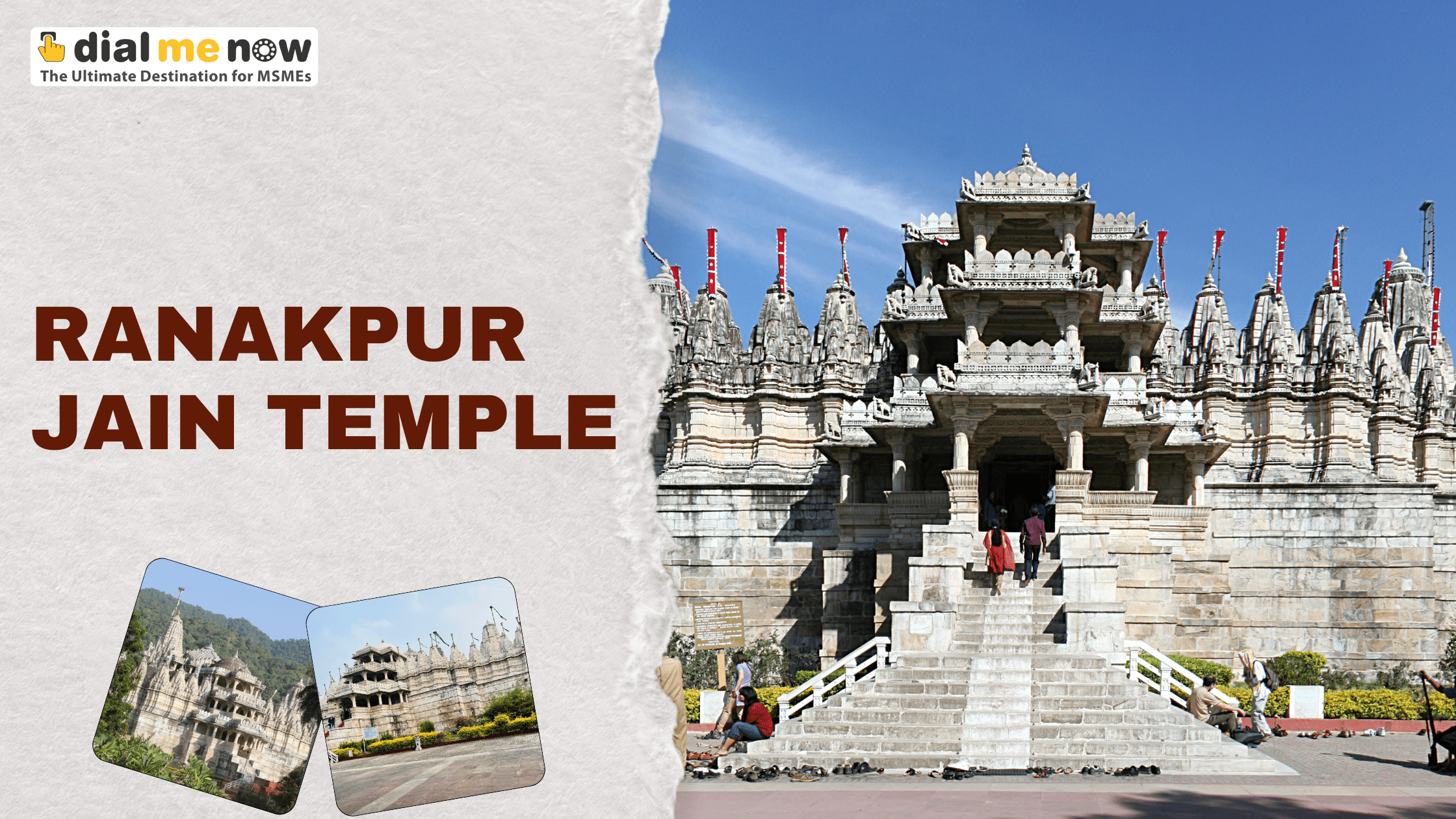
India is a treasure trove of cultural heritage, magnificent monuments, and spiritual destinations. Among its countless jewels stands the Ranakpur Jain Temple, one of the most remarkable and sacred Jain temples in the country. Tucked away in the quiet Aravalli hills of Rajasthan, this temple is celebrated for its breathtaking marble architecture, serene surroundings, and deep spiritual significance.
If you are a traveler looking to explore the lesser-known yet spiritually charged sites of India, Ranakpur Jain Temple should definitely be on your itinerary. This blog will take you through its history, architecture, cultural importance, travel tips, and more — offering you a comprehensive guide before you plan your visit.
📜 Historical Significance of Ranakpur Jain Temple
The Ranakpur Jain Temple, also known as the Chaumukha Temple, is one of the largest and most important temples of Jainism. It is dedicated to Tirthankara Adinatha, the first Tirthankara of Jainism, and was built in the 15th century CE during the reign of Rana Kumbha, the ruler of Mewar.
According to legends, a Jain businessman named Dharna Shah had a divine vision to build a temple dedicated to Lord Adinatha. He approached Rana Kumbha, who not only granted him the land but also encouraged the construction of the temple. The architect Depa (or Deepaka) was commissioned to design the temple, and the result was a masterpiece that continues to amaze visitors even after 600 years.
This temple represents the zenith of Māru-Gurjara style architecture and symbolizes a blend of devotion, art, and geometry — showcasing how faith can inspire human creativity.
🏛 Architectural Marvel
What makes the Ranakpur Jain Temple truly unique is its astounding architecture and intricate detailing.
- Total Area: The temple is spread across 48,000 square feet, making it one of the largest Jain temples in India.
- Chaumukha Design: The name “Chaumukha” means “four-faced.” The temple is designed in the shape of a cross with four entrances, symbolizing the Tirthankara’s presence in all directions.
- Pillars: Perhaps the most famous feature is the 1,444 intricately carved marble pillars, each with unique designs. No two pillars are identical.
- Domes and Shikharas: The temple houses 29 halls and 80 domes supported by pillars arranged in perfect symmetry.
- Sculptures: The carvings on the pillars, ceilings, and walls depict mythological stories, celestial beings, and flora-fauna motifs.
- Light & Shadow Play: The interiors are designed so that natural light filters through in a way that creates a mystical atmosphere — ideal for meditation and prayer.
This level of detail and craftsmanship required nearly 50 years of labor to complete. Today, it stands as a testimony to India’s glorious tradition of temple architecture.
🌸 Spiritual and Cultural Significance
Ranakpur Jain Temple is more than just an architectural wonder — it is a center of Jain culture and spirituality. Jainism emphasizes non-violence (Ahimsa), truth (Satya), and spiritual liberation (Moksha). The temple is a sacred pilgrimage site for Jains and attracts spiritual seekers from all over the world.
Inside the temple, the main sanctum houses a stunning idol of Adinatha in white marble, sitting in a meditative posture. Devotees visit to seek blessings, meditate, and experience peace.
The temple also stands as a symbol of tolerance and communal harmony, as it was built with the patronage of a Hindu king (Rana Kumbha) for the Jain community. This highlights the syncretic traditions of India, where different faiths coexisted and thrived.
📍 Location and How to Reach
Ranakpur is located in Pali district of Rajasthan, around:
- 90 km from Udaipur
- 91 km from Jodhpur
- 162 km from Mount Abu
By Air
The nearest airport is Maharana Pratap Airport, Udaipur, approximately 90 km away. From there, you can hire a taxi to reach the temple.
By Train
The nearest railway stations are Falna (30 km) and Udaipur City station.
By Road
Ranakpur is well-connected by road. You can take a private cab or use state-run buses from Udaipur, Jodhpur, or Mount Abu.
🕒 Timings and Entry Fees
- Temple Timings:
- Morning: 7:00 AM – 12:00 PM (for devotees)
- General Visit: 12:00 PM – 5:00 PM (for tourists)
- Entry Fees:
- Indians: ₹50 – ₹100
- Foreign Nationals: ₹200 – ₹300
- Camera/Video Charges: Separate fees apply (around ₹100–₹300).
Tip: The temple allows photography only during certain hours. Make sure to check with the management before clicking pictures.
🧳 Best Time to Visit
The best time to visit Ranakpur Jain Temple is during October – March, when the weather is pleasant and perfect for sightseeing. Avoid visiting during peak summer (April – June) as Rajasthan can get extremely hot.
🧭 Travel Tips for Visitors
- Dress Code: Wear modest clothing, covering shoulders and knees.
- Footwear: Shoes are not allowed inside the temple premises.
- Maintain Silence: As this is a place of worship, keep noise levels to a minimum.
- No Leather Items: Avoid carrying leather belts, bags, or wallets.
- Time Your Visit: Plan to reach before noon if you want to see the temple without large crowds.
🏞 Nearby Attractions
When you visit Ranakpur, you can also explore nearby destinations:
- Kumbhalgarh Fort: A UNESCO World Heritage Site just 33 km away.
- Sadri: A town known for several smaller Jain temples.
- Sun Temple: Another exquisite temple near Ranakpur dedicated to the Sun God.
- Desuri: A village famous for its old temples and cultural charm.
🍲 Local Cuisine
While Ranakpur is a religious site, there are restaurants nearby that serve vegetarian food. Traditional Rajasthani Thali is a must-try — complete with dal baati churma, gatte ki sabzi, and ker sangri.
🧘♂️ Experience Beyond Sightseeing
For those seeking a deeper connection, spend some time meditating inside the temple halls. The silence and spiritual vibrations make it an ideal place for reflection. If you’re interested, you can also interact with temple priests or local guides to learn more about Jain philosophy and way of life.
❓ FAQs About Ranakpur Jain Temple
Q1: Is Ranakpur Jain Temple open to non-Jains?
Yes! People from all religions are welcome to visit, provided they respect the sanctity of the place.
Q2: How much time should I keep aside to explore the temple?
At least 2–3 hours to fully appreciate the architecture, carvings, and history.
Q3: Is there any accommodation available nearby?
Yes, you can stay at temple-run guest houses, small hotels, or in Udaipur/Jodhpur and do a day trip.
Q4: Can I take a guided tour?
Yes. Audio guides and local guides are available, and they add a lot of value by explaining the historical and spiritual aspects.
Q5: Are children allowed inside the temple?
Yes, children are allowed, but they should be guided to maintain discipline and silence.
⚠ Disclaimer
This article is intended to provide general information and travel guidance about Ranakpur Jain Temple. Timings, fees, and regulations may change over time, so it is recommended to verify details with the official temple management or local tourism boards before planning your visit.