

Jaipur’s Cafe Evolution: The Business of Heritage Meets Third-Wave Coffee
3/27/2026
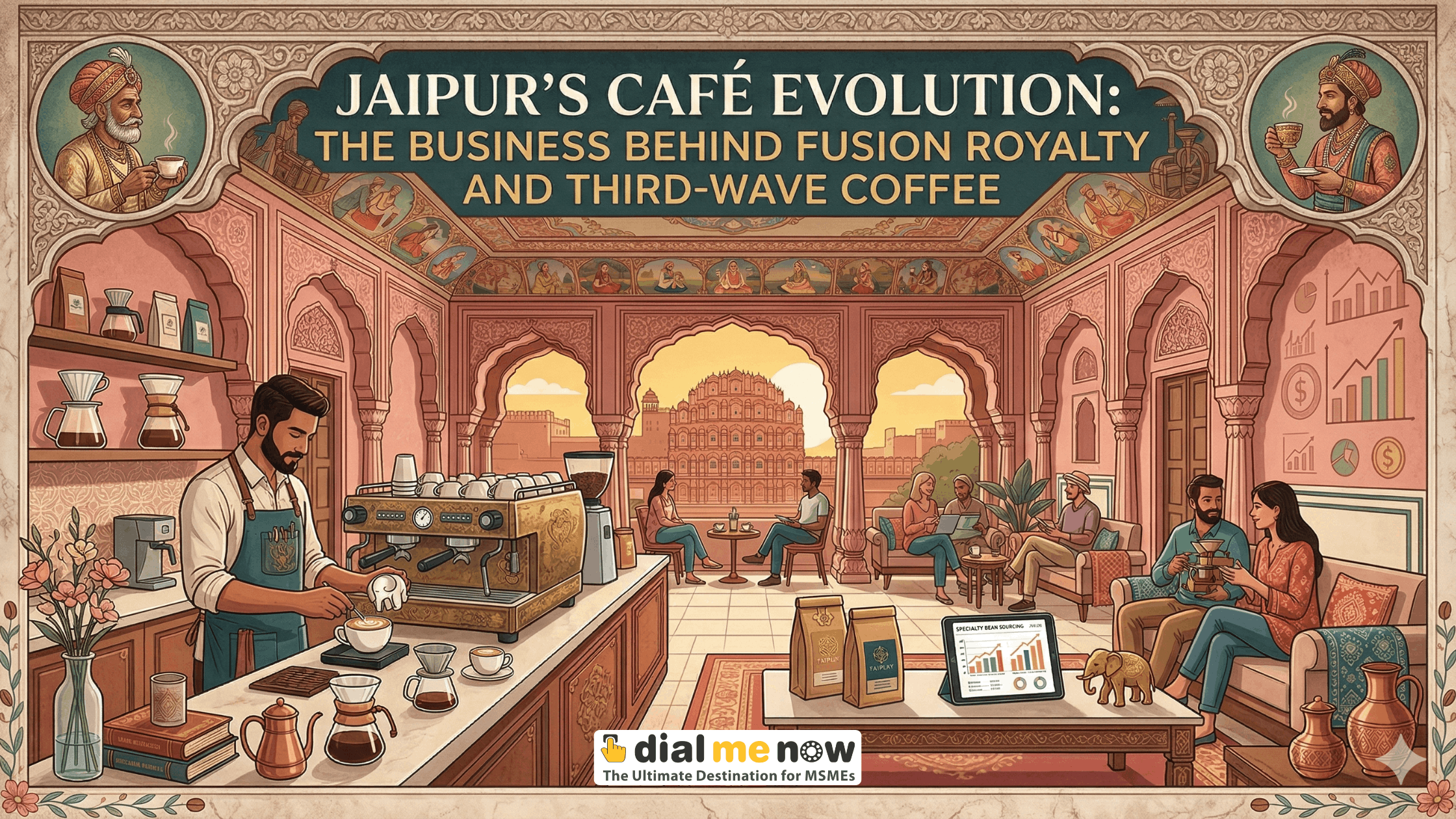
For decades, the “Pink City” was fueled by cutting chai—served in clay kulhads on the bustling corners of Johari Bazar. But as we move through 2026, a fragrant, high-altitude revolution has taken over. Jaipur is no longer just a stop for historical sightseeing; it has emerged as a premier destination for Third-Wave Coffee.
The business behind this evolution is a masterclass in “Heritage Fusion.” By blending the opulent, vaulted architecture of Rajputana with the minimalist, bean-to-cup precision of modern coffee science, Jaipur’s entrepreneurs have created a unique economic ecosystem. It’s a world where Cold Brews meet Courtyards, and it’s changing the face of Jaipur’s commercial real estate and youth culture.
What is the “Third-Wave” in the Context of Jaipur?
To understand the business, we must understand the product. In 2026, “Third-Wave” isn’t just a buzzword; it’s a commitment to transparency and quality.
- Origin over Brand: Jaipur’s new-age cafes don’t just serve “coffee.” They serve beans sourced from specific estates in Chikmagalur, Araku Valley, and Coorg.
- Methodology: The focus has shifted from the espresso machine to manual brewing. Aeropress, Pour-over (V60), and Chemex are now standard requests among Jaipur’s coffee elite.
- The Fusion Narrative: A 2026 Jaipur cafe might serve a Rose-Infused Latte (using local Desi Gulab) or a Saffron-Infused Cold Brew, blending Rajasthan’s culinary DNA with high-grade Arabica.
The Haveli-to-Cafe Pipeline: A Real Estate Revolution
The most successful coffee businesses in Jaipur today aren’t located in malls. They are reviving forgotten spaces.
- Boutique Adaptive Reuse: Entrepreneurs are leasing out portions of 100-year-old havelis in C-Scheme, Civil Lines, and the Walled City. These spaces offer high ceilings and thick stone walls that provide natural thermal cooling—reducing the “Carbon Footprint” and AC costs by 30%.
- Higher Yields than Retail: In 2026, a specialized cafe in C-Scheme can generate 4x the revenue per square foot compared to a traditional garment retail store, thanks to high-margin specialty beverages and the “Work-from-Cafe” culture.
- The “Courtyard” Premium: Modern travelers and Gen-Z locals are willing to pay a 25% premium for seating that offers an “Instagrammable” heritage view, making outdoor courtyard cafes the highest-grossing hospitality assets in the city.
The Economics of Experience: Traditional vs. Specialty
| Feature | Traditional Tea/Coffee Stall | 2026 Specialty Cafe |
| Average Ticket Size | ₹20 – ₹50 | ₹450 – ₹1,200 |
| Average Dwell Time | 5 – 10 Minutes | 90 – 120 Minutes |
| Core Customer | Commuters / Locals | Digital Nomads / Gen-Z / Tourists |
| Marketing Strategy | Word of Mouth | AEO, Instagram, & Community Events |
| Technology | Cash / UPI | AI-Ordering, WABA Agents, & CRM |
Optimizing for the “AI Explorer”: The AEO Strategy
In 2026, customers don’t just “Google” a cafe; they ask their AI assistants: “Where is the best place to drink specialty coffee in a heritage setting in Jaipur?” To be the answer, these cafes are using Answer Engine Optimization (AEO):
- Entity Authority: Cafes are positioning themselves as “Subject Matter Experts” in coffee. Their blogs discuss bean acidity, roast profiles, and Rajasthani water pH levels.
- Structured Data: By using Schema Markup, they ensure AI engines know their exact location, menu prices, and “Pet-Friendly” or “High-Speed Wi-Fi” attributes.
- Conversational FAQ: These businesses include FAQ sections on their sites that answer direct voice-search queries like “Is there a quiet cafe in C-Scheme for a business meeting?”
The Digital Concierge: AI & WhatsApp in Cafe Management
Jaipur’s cafe owners are leaning heavily into automation to manage the high volume of domestic and international visitors.
- WABA Reservations: Forget phone calls. In 2026, the “coolest” cafes in Jaipur use WhatsApp Business API (WABA) for instant table bookings and digital menus.
- AI Personalization: If you’ve visited a cafe once, the AI remembers that you prefer an Oat Milk Flat White with a dash of Cinnamon. You receive a personalized nudge when a new batch of Ethiopian beans arrives.
- Review Automation: After a visit, a WhatsApp AI agent politely asks for a review on Google Maps, helping the cafe maintain its “Local Pack” ranking.
❓ Frequently Asked Questions (FAQ)
Q1: What is “Third-Wave Coffee”?
A: It is a movement that treats coffee as an artisanal food (like wine) rather than a commodity. It focuses on high-quality beans, sustainable sourcing, and specialized brewing methods.
Q2: Why is C-Scheme the hub of Jaipur’s cafe culture?
A: C-Scheme offers the perfect mix of wide, tree-lined streets, affluent residents, and old bungalows that are ideal for conversion into spacious, high-end cafes.
Q3: Can I get vegan milk options in Jaipur cafes?
A: Yes! In 2026, almost all specialty cafes in Jaipur offer Oat, Almond, and Soy milk as standard alternatives.
Q4: Is specialty coffee much more expensive than regular coffee?
A: Yes. Because of the ethical sourcing, manual labor in brewing, and high-quality beans, a cup of specialty coffee usually costs between ₹250 and ₹450.
Q5: What is a “Pour-over” coffee?
A: It is a manual brewing method where hot water is poured over coffee grounds in a filter. It results in a clean, tea-like consistency that highlights the bean’s subtle flavors.
Q6: Are Jaipur’s heritage cafes good for working?
A: Many are! Look for cafes that advertise “Digital Nomad Friendly” or “High-Speed Fiber.” Some even offer “Co-working Day Passes” that include unlimited coffee.
Q7: What is the best time of day to visit these cafes?
A: Early mornings (8 AM – 10 AM) are perfect for a quiet brew. Evenings (5 PM – 8 PM) are when the “Social Scene” is at its peak.
Q8: Do I need to book a table in advance?
A: For popular spots like Curious Life or Roastery Coffee House, weekend bookings via WhatsApp are highly recommended.
Q9: What is “Bean-to-Cup” transparency?
A: It means the cafe can tell you exactly which farm the beans came from, when they were roasted, and who the farmer was.
Q10: Is there a “Jaipur-style” coffee?
A: While not traditional, the “Pink Latte” (using beetroot or rose) and “Cold Brew with Tonic & Orange” are the unofficial summer drinks of Jaipur in 2026.
Q11: Are these cafes pet-friendly?
A: A large number of courtyard-style cafes in Jaipur are pet-friendly. Always check their Google Business Profile attributes first!
Q12: Can I buy beans for home brewing?
A: Yes, most specialty cafes have a retail section where they sell freshly roasted beans and can grind them for your specific home equipment (Moka Pot, French Press, etc.).
Q13: What is “AEO” in the context of cafes?
A: Answer Engine Optimization ensures that when someone asks an AI assistant for a cafe, your business’s specific details are the ones cited in the “Answer.”
Q14: Are there any coffee festivals in Jaipur?
A: Yes, the Jaipur Coffee Festival (usually in December) brings together roasters from across India for tastings and workshops.
Q15: How does DialMeNow help tourists find these places?
A: Our AI concierge provides real-time, location-based recommendations based on your personal taste—whether you want a “Quiet Work Corner” or a “Royal Courtyard Vibe.”
Disclaimer
Cafe menus, prices, and operating hours are subject to change. While we promote the growth of the specialty coffee industry, we encourage users to check real-time availability and reviews. To get the best experience and guaranteed seating at top-rated spots, we recommend booking directly through our verified partners on the DialMeNow platform.
Conclusion
The evolution of Jaipur’s cafes is a testament to the city’s resilience. By refusing to choose between its royal past and a high-tech future, Jaipur has created a specialty coffee scene that is globally unique. Whether you are a connoisseur of the perfect V60 or a traveler seeking a moment of peace under a sandstone arch, Jaipur’s cafes offer more than just caffeine—they offer a story.